Introduction
Esports, or electronic sports, have transformed from casual gaming sessions among friends into one of the most dynamic and fast-growing entertainment industries in the world. What began as a niche hobby has now become a global phenomenon with millions of fans, professional players, organized leagues, and tournaments that rival traditional sports in popularity and financial scale. The digital revolution and advancements in technology have played a central role in this evolution, making competitive gaming more accessible, interactive, and lucrative than ever before. Today, Esports is not just about playing video games—it is about competition, strategy, teamwork, and the celebration of digital culture.
The Origins of Esports
The concept of competitive gaming can be traced back to the early 1970s, when video games were still a novelty. The first recorded Esports competition took place at Stanford University in 1972, featuring the game Spacewar. The prize was modest—a year’s subscription to a magazine—but it marked the beginning of something extraordinary. Throughout the 1980s, arcade games like Pac-Man and Donkey Kong inspired players to achieve the highest scores possible, giving rise to local competitions and records that gained attention in gaming magazines.
The true foundation of modern Esports began in the 1990s with the rise of multiplayer computer games and the internet. Games like Doom, StarCraft, and Counter-Strike enabled players to compete against others globally. LAN (Local Area Network) parties became a cultural staple for gamers, fostering communities that celebrated skill, strategy, and innovation. It was during this time that professional gaming teams, sponsorships, and early tournaments began to appear, setting the stage for the Esports explosion in the 21st century.
The 2000s: A Decade of Growth and Globalization
The early 2000s marked the period when Esports began to transition from underground competitions to organized, international events. South Korea emerged as a global leader in Esports, thanks to its technological infrastructure and cultural embrace of gaming. Television channels began broadcasting StarCraft matches, turning players into celebrities. Korean players such as Lim “BoxeR” Yo-hwan became household names, showing that gaming could indeed be a full-time profession.
Around the same time, the Western world started catching up. Tournaments like the Cyberathlete Professional League (CPL) and the Electronic Sports World Cup (ESWC) brought together competitors from different countries. The prize pools grew, and major corporations began sponsoring events, signaling the commercialization of Esports. As internet speeds improved and online streaming platforms began to emerge, it became easier for audiences worldwide to watch their favorite players and teams in action.
The Role of Technology in Esports Expansion
Technology has been the driving force behind Esports’ success. High-performance computers, advanced graphics, and stable internet connections have allowed games to evolve into complex virtual worlds that test players’ reflexes, coordination, and strategic thinking. Platforms such as Twitch and YouTube Gaming have made it possible for fans to watch matches live, interact with players, and even donate to support their favorite streamers.
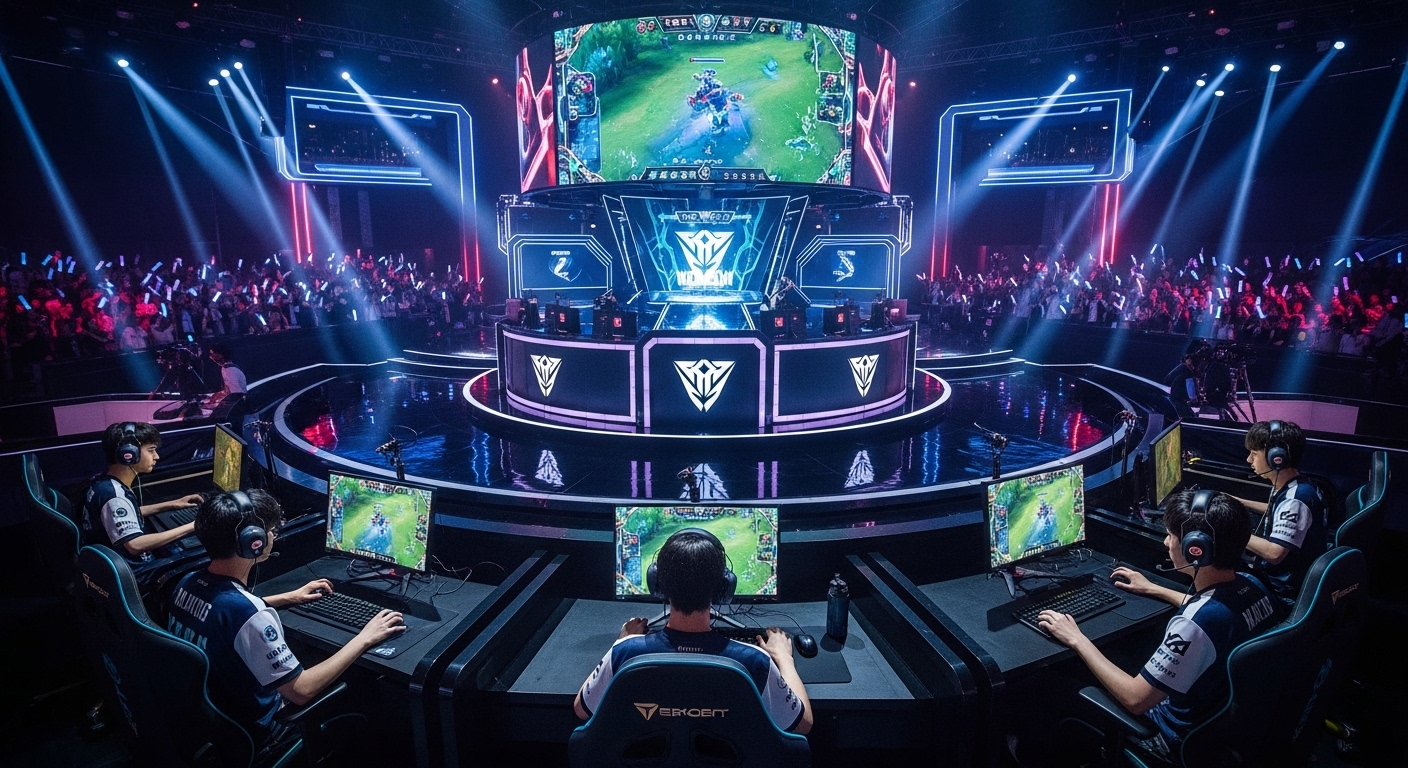
Cloud gaming, artificial intelligence, and virtual reality are expected to further revolutionize the industry. Esports arenas are now equipped with cutting-edge technology, LED screens, and immersive sound systems that rival traditional sports stadiums. The integration of augmented reality and mixed-reality experiences will likely redefine how fans experience gaming events in the future.
Popular Esports Titles and Genres
Esports encompasses a wide variety of game genres, each with its own fan base and competitive scene. Some of the most popular titles include:
1. Multiplayer Online Battle Arenas (MOBA):
Games like League of Legends and Dota 2 dominate this category. Players form teams and compete to destroy the opposing team’s base, combining strategy, teamwork, and fast-paced action. These games host some of the largest tournaments globally, with multi-million-dollar prize pools.
2. First-Person Shooters (FPS):
Titles such as Counter-Strike: Global Offensive, Valorant, and Overwatch emphasize precision, reflexes, and teamwork. FPS Esports events attract massive audiences both online and offline, highlighting tactical gameplay and competitive intensity.
3. Battle Royale Games:
Games like Fortnite and PUBG revolutionized online gaming with their survival-based mechanics. Players must outlast their opponents on vast maps, blending strategy with unpredictability. These games have become particularly popular among younger audiences.
4. Sports Simulations:
Titles like FIFA, NBA 2K, and Rocket League bring traditional sports into the digital world. These games allow fans of physical sports to engage competitively in virtual settings, often attracting collaborations with real-world athletes and sports organizations.
5. Fighting Games:
Franchises such as Street Fighter, Tekken, and Super Smash Bros. have built long-lasting competitive communities. Fighting games test players’ timing, reaction speed, and in-depth knowledge of character mechanics.
The Emergence of Professional Esports Organizations
As Esports grew, so did the need for structure and management. Professional teams began forming around talented players, often supported by sponsors and investors. Organizations such as Team Liquid, Fnatic, Cloud9, and T1 became global brands, competing in multiple games across different regions. These teams function similarly to traditional sports clubs, with coaches, analysts, nutritionists, and marketing departments ensuring peak performance and visibility.
Player salaries, endorsements, and prize earnings have also skyrocketed. Top-tier Esports athletes now earn millions annually through competitions, streaming revenue, and brand deals. With this level of professionalism, Esports has proven that it can stand alongside traditional sports in terms of revenue, fan engagement, and cultural impact.
The Esports Ecosystem
The Esports ecosystem is a complex network of players, teams, organizers, sponsors, and fans. Tournament organizers host events that can attract tens of thousands of live spectators and millions of online viewers. Sponsors from various industries—including tech, energy drinks, apparel, and even automobile brands—invest heavily in Esports, recognizing its massive marketing potential.
Streaming platforms have become the heart of the Esports community. Fans can watch their favorite players train, compete, or casually stream content. This direct interaction between players and fans builds loyalty and creates a sense of community that is rarely seen in other entertainment sectors.
Esports media and journalism have also developed rapidly, covering tournaments, analyzing gameplay, and discussing trends. Dedicated Esports commentators and analysts bring energy and expertise to broadcasts, further legitimizing Esports as a spectator sport.
Esports and Education
In recent years, Esports has entered the educational sector. Many schools and universities around the world have started offering Esports programs, scholarships, and degrees. These initiatives recognize that gaming teaches valuable skills such as teamwork, communication, leadership, and strategic thinking.
Esports education is not limited to playing; it also covers game design, event management, digital marketing, and broadcasting. This integration of Esports into academia reflects its growing importance as a career path and a legitimate field of study.
Women in Esports
Although Esports has traditionally been male-dominated, more women are entering the scene as players, streamers, commentators, and organizers. Female Esports teams and tournaments are helping to create inclusive spaces and inspire future generations of gamers. The industry still faces challenges related to gender equality and representation, but progress is being made through awareness campaigns and supportive organizations.
The Economic Power of Esports
Esports has become a multi-billion-dollar industry. Revenue comes from sponsorships, media rights, merchandise, advertising, and ticket sales. The global audience continues to grow, attracting brands and investors eager to engage with young, tech-savvy audiences.
The biggest tournaments, such as The International for Dota 2 and the League of Legends World Championship, offer prize pools exceeding tens of millions of dollars. Cities around the world now host Esports arenas, contributing to tourism and local economies. Esports events often fill entire stadiums, demonstrating the immense popularity and financial power of competitive gaming.
Esports as a Cultural Movement
Beyond the competition, Esports has become a cultural movement that connects people through shared passion and creativity. Cosplay, digital art, fan communities, and gaming content have become central aspects of modern entertainment. Esports has also influenced music, fashion, and social media trends, merging digital lifestyles with mainstream culture.
Gaming celebrities and influencers have millions of followers across social platforms, shaping opinions and inspiring global audiences. Esports is not just a pastime—it is a lifestyle, a culture, and a community that transcends geographical and cultural boundaries.
Challenges Facing the Esports Industry
Despite its success, Esports faces several challenges. One of the primary concerns is player burnout. Professional gamers often train for long hours, leading to physical and mental stress. Organizations are now investing in mental health support and balanced schedules to ensure player well-being.
Another challenge is regulation. Unlike traditional sports, Esports lacks a unified governing body. This can lead to inconsistent rules, match-fixing scandals, and issues with cheating or doping. Establishing standardized regulations is crucial for maintaining fairness and integrity in competitions.
Additionally, the rapid commercialization of Esports has sparked debates about authenticity and exploitation. Some fear that the increasing focus on money and marketing could overshadow the community-driven spirit that originally defined gaming culture.
The Future of Esports
The future of Esports looks brighter than ever. With advancements in artificial intelligence, augmented reality, and 5G technology, gaming experiences will become more immersive and interactive. Virtual tournaments and cross-platform play will continue to grow, bringing together players from all corners of the world.
Esports will also become more integrated into mainstream entertainment. Collaborations between game developers, streaming platforms, and traditional sports organizations will blur the lines between physical and digital competition. Educational institutions, governments, and corporate investors are recognizing Esports as a legitimate economic and cultural force, paving the way for more opportunities and innovation.
Conclusion
Esports has evolved from a small community of dedicated gamers into a global empire that influences entertainment, technology, and culture. Its rise reflects the power of human creativity, competition, and connection in the digital age. From basement LAN parties to world-class stadiums, Esports has redefined what it means to be an athlete, a fan, and a part of a global movement.
As we look ahead, one thing is clear: Esports is not just the future of gaming—it is the future of sports, entertainment, and digital culture itself.