The world of competitive gaming, popularly known as esports, has grown from a niche hobby into a global phenomenon that captivates millions of fans and generates billions of dollars every year. What began as casual gaming competitions among friends has evolved into a sophisticated industry with professional players, international tournaments, and dedicated fan bases. Today, esports is no longer just a pastime; it is a cultural movement, an entertainment spectacle, and a legitimate career path for many. This blog post delves into the rise of esports, its impact on society, the factors driving its growth, and the future of competitive gaming.
Understanding Esports
Esports, short for electronic sports, refers to organized, competitive video gaming where individuals or teams compete against each other in various game genres. These games range from first-person shooters and real-time strategy games to multiplayer online battle arenas and sports simulations. Unlike casual gaming, esports emphasizes skill, strategy, teamwork, and consistency. Professional players often train for hours daily, refining their reflexes, coordination, and tactical understanding of the game.
The essence of esports lies in competition. Whether it is a one-on-one duel or a team-based event, the players’ goal is to outperform their opponents while maintaining high levels of accuracy, speed, and decision-making. This competitive structure is similar to traditional sports, requiring discipline, mental focus, and strategic planning.
The History and Growth of Esports
Esports began in the 1970s and 1980s with small gaming competitions in college campuses and arcades. Early tournaments involved games such as Space Invaders and Pac-Man, where winners were recognized locally and sometimes rewarded with small prizes. During the 1990s, with the emergence of the internet, gaming competitions expanded to online platforms, enabling players to compete with opponents from other cities and countries.
The early 2000s marked a turning point for esports. Games like Counter-Strike, StarCraft, and Warcraft III became popular competitive titles, and professional gaming leagues started to form in countries such as South Korea, where esports gained mainstream recognition. The rise of online streaming platforms further accelerated the growth of esports, allowing fans to watch live gameplay and engage with their favorite players in real time.
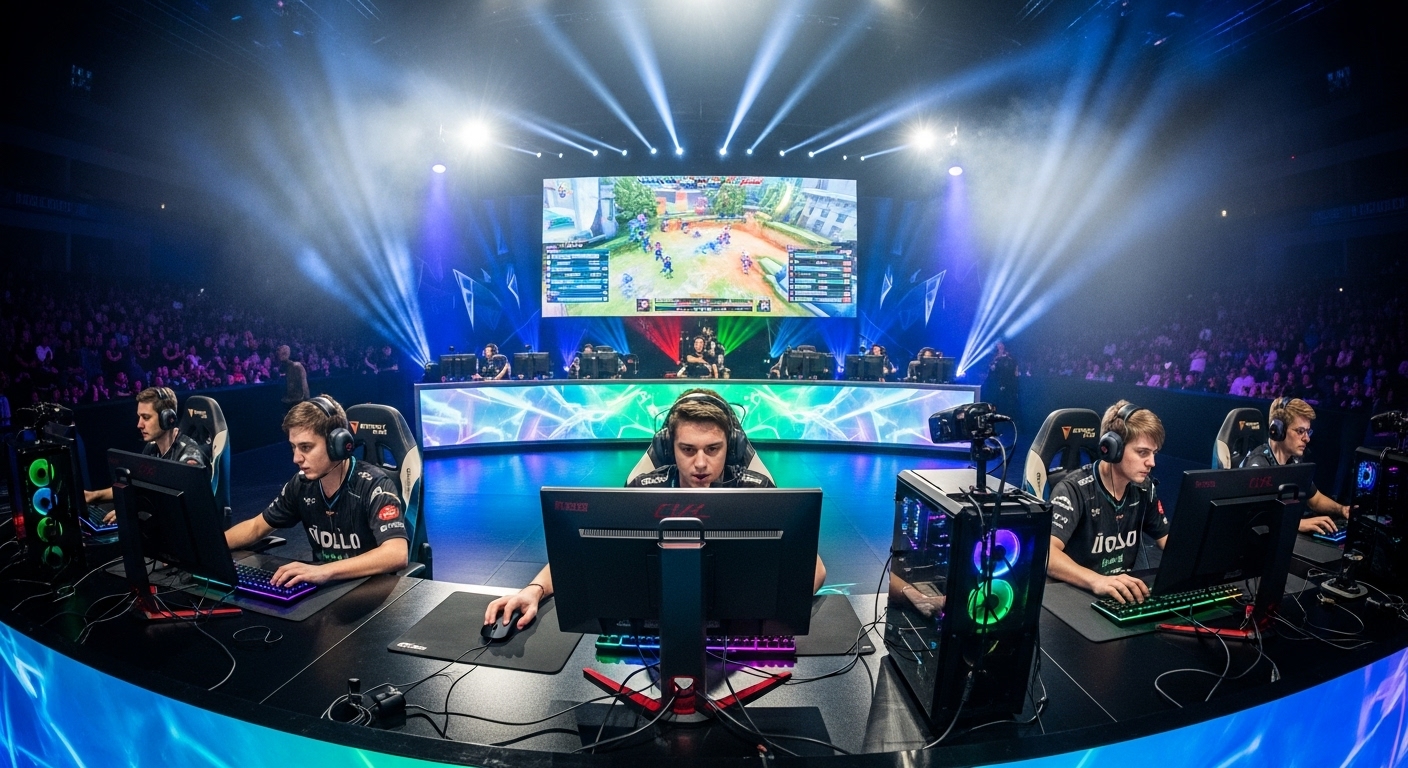
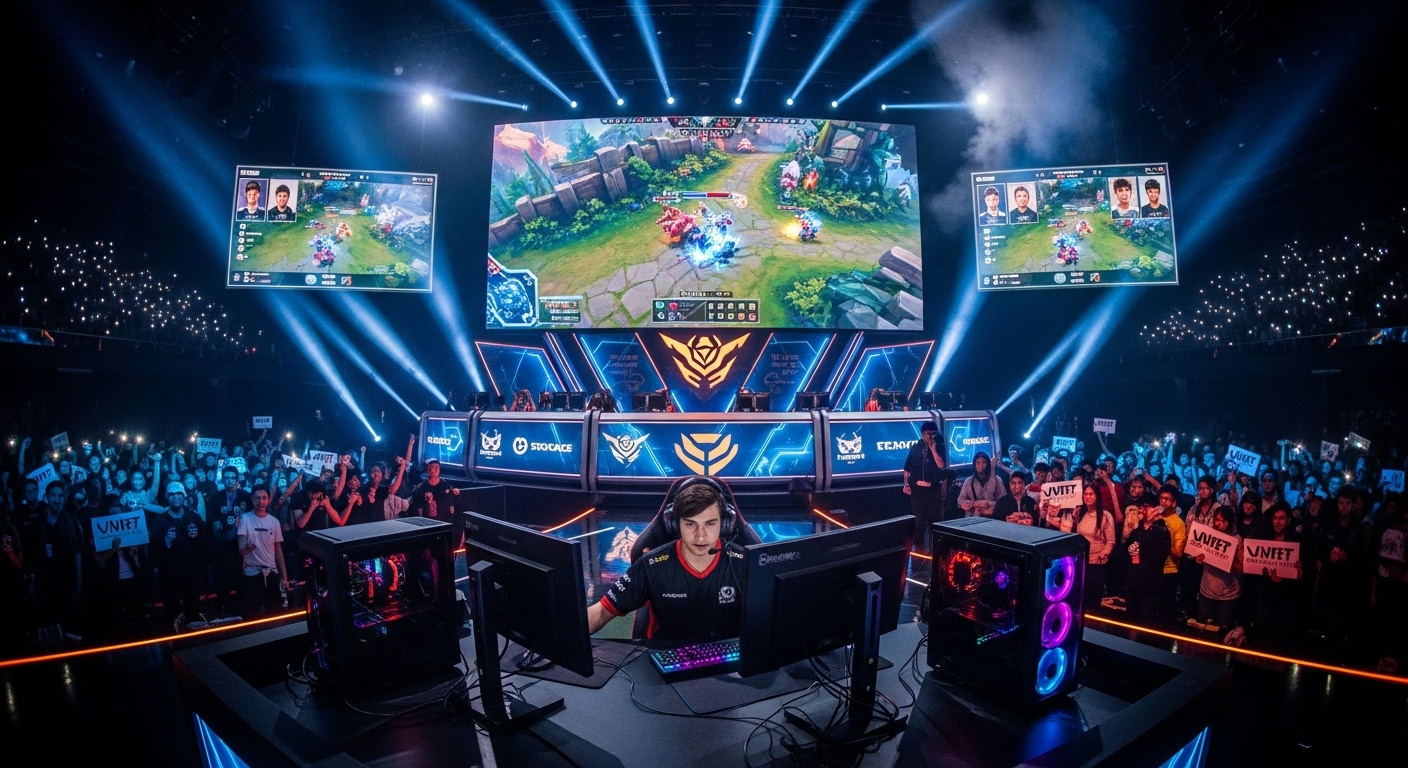
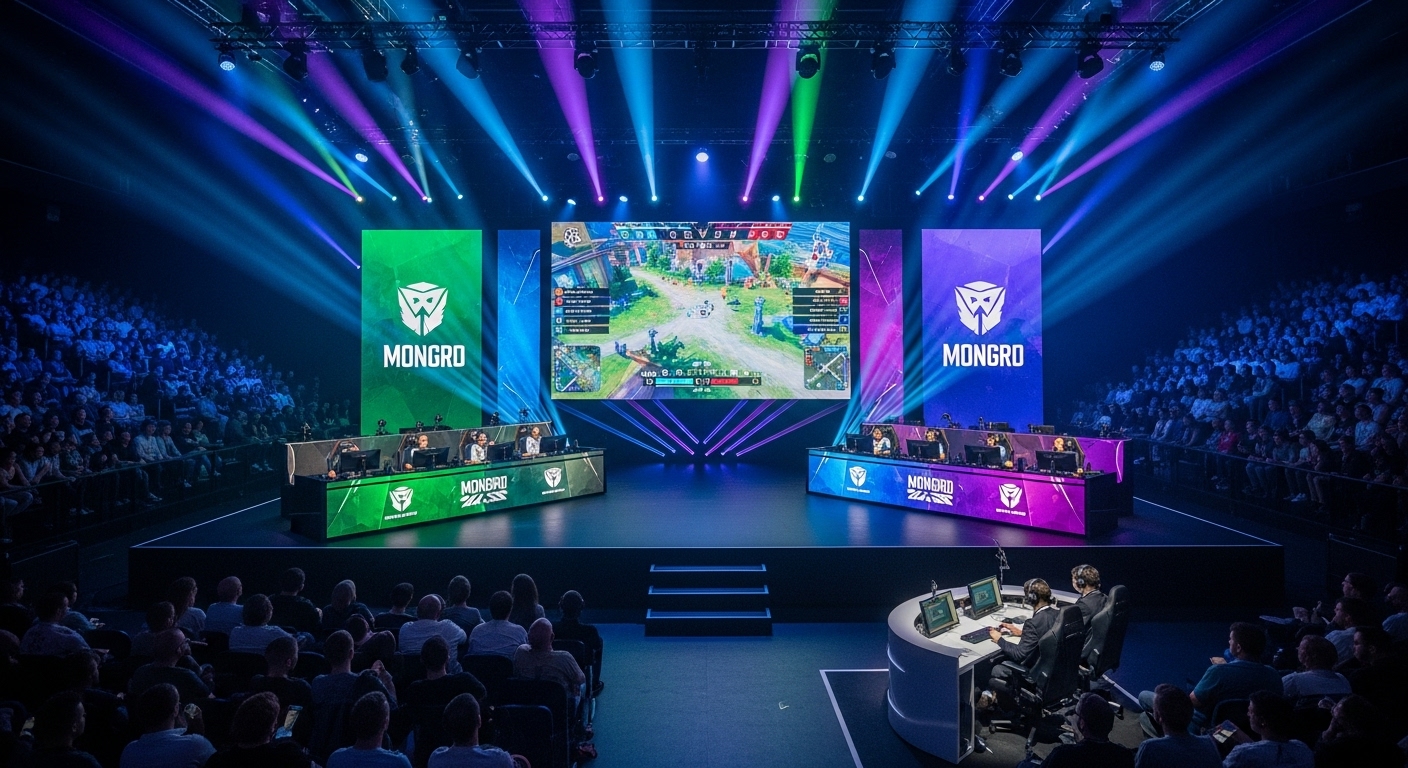
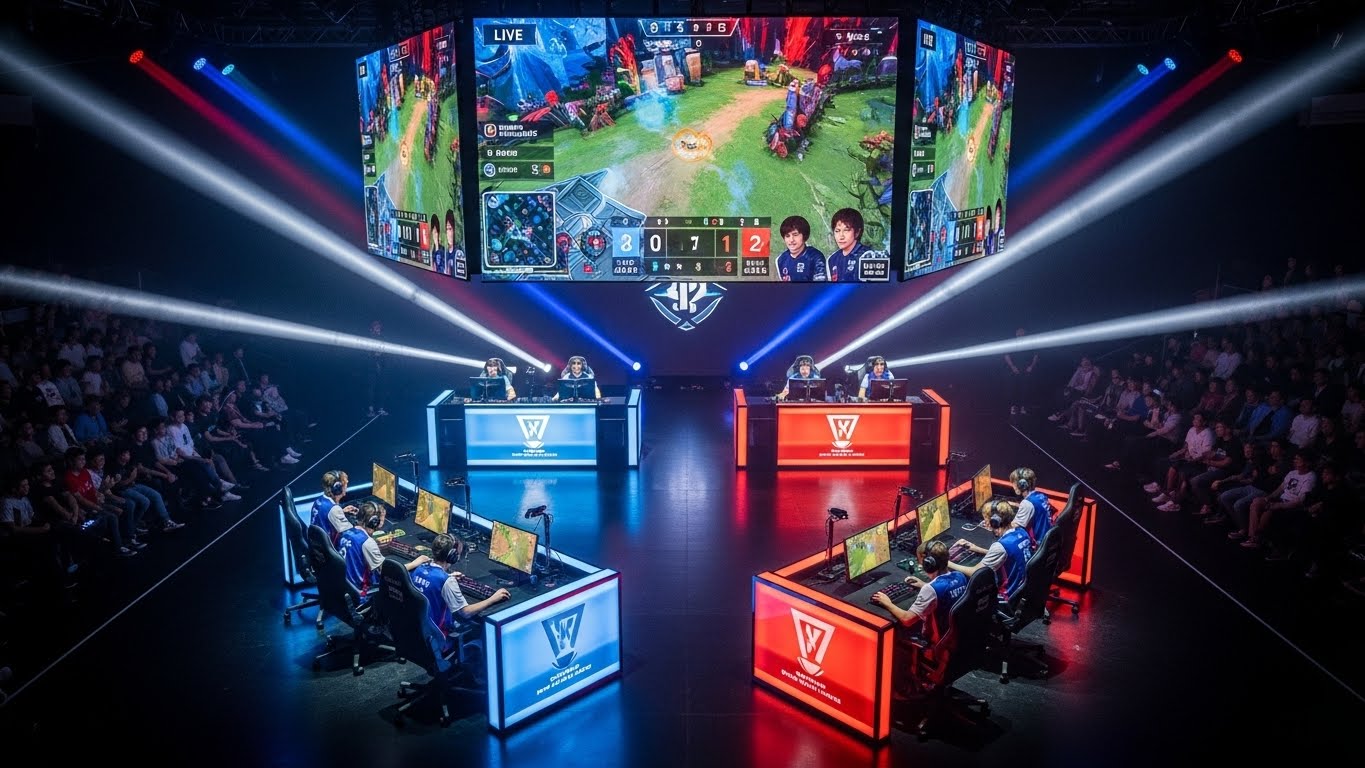
Today, esports has become a billion-dollar industry. Major tournaments are held in stadiums with tens of thousands of spectators, and millions more watch online. The prize pools for top tournaments have grown exponentially, with some events offering multimillion-dollar rewards to winners. The professionalization of esports has created a structured ecosystem, including teams, coaches, managers, analysts, and support staff, similar to traditional sports organizations.
Popular Esports Genres and Games
Esports encompasses a wide variety of games, each with unique gameplay mechanics and competitive dynamics. Some of the most popular esports genres include:
Multiplayer Online Battle Arena Games
MOBA games like League of Legends and Dota 2 involve two teams competing to destroy each other’s bases while controlling powerful characters with unique abilities. Success in MOBAs requires teamwork, strategy, map awareness, and quick reflexes. These games have become iconic in esports, with major tournaments drawing millions of viewers worldwide.
First-Person Shooters
FPS games such as Counter-Strike: Global Offensive, Call of Duty, and Overwatch test players’ accuracy, speed, and decision-making under pressure. These games often involve intense head-to-head action where split-second decisions can determine the outcome of a match. FPS esports are highly popular in both competitive circuits and casual online communities.
Battle Royale Games
Battle royale games like Fortnite and PUBG feature large-scale competitions where hundreds of players fight until only one remains. These games combine strategy, survival skills, and mechanical precision. Tournaments for battle royale games attract younger audiences due to the fast-paced gameplay and engaging spectator experience.
Sports Simulation Games
Sports simulations, such as FIFA, NBA 2K, and Madden NFL, allow gamers to compete in virtual versions of real-world sports. These games appeal to traditional sports fans and esports enthusiasts alike, bridging the gap between physical and digital sports competitions.
The Role of Streaming and Media in Esports
One of the key factors behind the rapid growth of esports is the rise of streaming platforms. Services that allow live broadcasts of gameplay have transformed how people consume esports content. Fans can watch matches, learn strategies, and interact with players in real time. Streaming platforms have also created opportunities for amateur players to build a following, leading to influencer careers and personal brand growth.
Media coverage has played a significant role in legitimizing esports. News outlets, television channels, and online publications now cover esports tournaments alongside traditional sports. Commentary, analysis, and behind-the-scenes content have made esports more engaging for audiences, creating a narrative similar to that of conventional sports leagues.
Why Esports Appeals to Millions
The appeal of esports extends beyond gameplay itself. There are several reasons why millions of people worldwide are drawn to competitive gaming:
Accessibility
Unlike traditional sports that require specialized equipment or physical abilities, esports is accessible to anyone with a computer, console, or mobile device and an internet connection. This accessibility has made esports a global phenomenon, allowing players from diverse backgrounds to compete on a level playing field.
Entertainment and Spectacle
Esports events are designed to entertain. The combination of live commentary, player reactions, dramatic gameplay moments, and audience engagement creates an immersive experience. Fans enjoy not only the gameplay but also the storylines of players and teams, rivalries, and the thrill of victory.
Community and Connection
Esports fosters a strong sense of community. Online forums, social media platforms, and streaming chats allow fans to connect with each other and share their passion. This global community provides a sense of belonging and shared excitement, creating bonds that transcend geographic and cultural boundaries.
Professionalism and Career Opportunities
Esports has evolved into a viable career path. Professional players can earn substantial incomes through tournament winnings, sponsorship deals, and streaming revenue. Additionally, there are opportunities in coaching, management, game analysis, marketing, and content creation. The esports ecosystem offers multiple ways for individuals to turn their passion for gaming into a professional pursuit.
Challenges Facing Esports
Despite its rapid growth, esports faces challenges that could impact its sustainability and credibility. One major concern is player burnout. Professional gamers often practice for long hours under intense pressure, leading to physical and mental health issues. Organizations are increasingly investing in wellness programs to support players and prevent burnout.
Another challenge is the perception of esports. While acceptance is growing, some traditional sports enthusiasts still question whether esports qualifies as a legitimate sport. Efforts to standardize regulations, establish fair competition rules, and create professional leagues are helping to address this perception.
Monetization and sustainability also remain key concerns. While sponsorships and advertising generate significant revenue, ensuring long-term financial stability for players, teams, and tournament organizers requires careful planning and innovation.
The Future of Esports
The future of esports looks promising, with several trends likely to shape its evolution:
Integration of Advanced Technology
Virtual reality, augmented reality, and artificial intelligence could transform how esports is played and experienced. Immersive VR tournaments and AI-driven coaching tools may enhance gameplay, training, and viewer engagement.
Expansion of Mobile Gaming
Mobile esports is rapidly growing, especially in regions with high smartphone penetration. Games like Mobile Legends and Free Fire have created a new competitive ecosystem, making esports even more accessible worldwide.
Mainstream Recognition
Esports is gaining recognition from traditional sports organizations, educational institutions, and governments. Collegiate esports programs, professional leagues, and even inclusion in multi-sport events are helping bridge the gap between digital and traditional sports.
Diversification of Content
Esports will continue to diversify beyond pure gameplay. Live shows, celebrity collaborations, documentaries, and lifestyle content related to gaming culture will strengthen its entertainment value and attract broader audiences.
Conclusion
Esports has come a long way from its humble beginnings as casual gaming competitions. Today, it is a global industry with professional athletes, massive tournaments, and passionate fan bases. Its growth has been fueled by accessibility, entertainment value, community engagement, and the professionalization of competitive gaming. While challenges such as burnout, monetization, and perception remain, the future of esports is bright, driven by innovation, technology, and an ever-expanding global audience.
Competitive gaming is more than just a hobby—it is shaping the future of entertainment, sports, and digital culture. For players, fans, and aspiring professionals, esports represents a unique opportunity to be part of a revolution that continues to redefine how we play, watch, and experience games.