Introduction: From Pixels to Profits
Esports has grown from a niche hobby into a global phenomenon, reshaping how we think about sports, entertainment, and the digital frontier. What once began as impromptu LAN parties among friends has evolved into a full-fledged industry commanding millions in prize money, global broadcasting reach, and devoted fanbases whose passion rivals that of traditional sports. In this blog post, we’ll explore the evolution, structure, challenges, and future trajectory of esports. We’ll examine how it operates, the communities it sustains, and why it matters beyond mere pixels on a screen.
The Origins of Competitive Gaming
The Birth of the Concept
In the early 1970s and 80s, arcade games and home consoles sparked competition. High score tables in arcades became informal leaderboards long before the term “esports” existed. As personal computers became more accessible and local area networks (LAN) matured, gamers started organizing tournaments—small-scale, grassroots affairs hosted by enthusiasts.
LAN Parties and the First Tournaments
By the 1990s and early 2000s, LAN parties allowed dozens or hundreds of players to bring their computers to a shared location, connecting directly for head-to-head matches. These gatherings fostered early competitive communities for titles like Quake, StarCraft, Counter‑Strike, and Warcraft. Organizers would bring hardware, lay cables, and run brackets manually. These events laid the foundation for the modern competitive gaming infrastructure.
Transition to the Digital Arena
With faster internet, platforms for matchmaking and spectatorship emerged. Players no longer needed to “be there” physically to compete. Games like Counter‑Strike, Warcraft III, Dota, and StarCraft II built systems supporting competition out of the box, with rank ladders, tournaments, and streaming possibilities. The stage was set for esports to break into mainstream consciousness.
The Esports Landscape Today
Genres and Game Titles
Competitive gaming is not monolithic. The esports sphere spans multiple genres:
- First‑Person Shooters (FPS) — Games like Counter‑Strike: Global Offensive, Valorant, and Overwatch emphasize reflexes, map control, and aim mechanics.
- Multiplayer Online Battle Arena (MOBA) — Titles such as League of Legends, Dota 2, and Mobile Legends blend strategy, teamwork, and hero-based gameplay.
- Real-Time Strategy (RTS) — Games like StarCraft II test macro and micro management in a frenetic environment.
- Sports Simulations — Digital versions of football, basketball, racing (like FIFA, NBA 2K, iRacing) replicate physical sports virtually.
- Fighting Games and Others — Street Fighter, Super Smash Bros., and discipline-specific simulators (e.g., Rocket League) add more flavor.
Each genre attracts distinct communities, playstyles, spectator expectations, and monetization models.
Professional League Structures
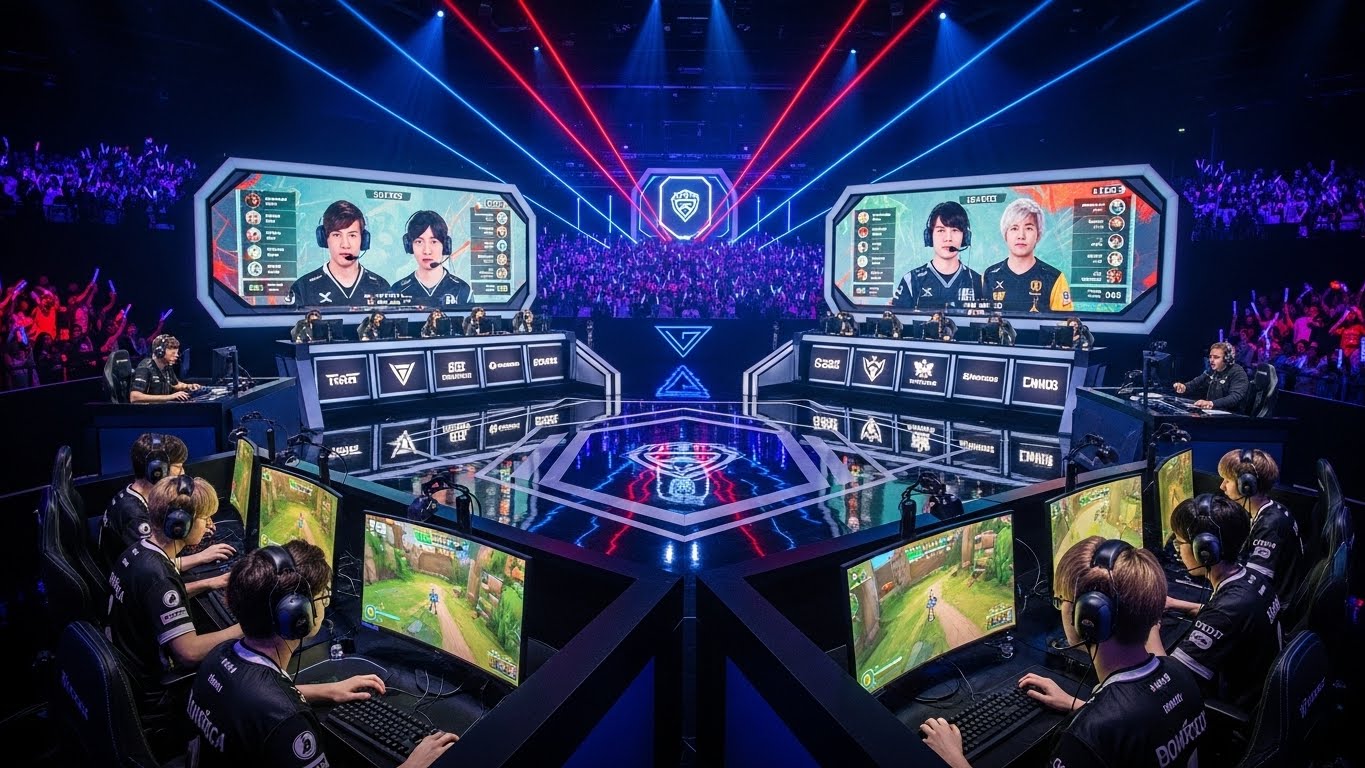
Modern esports is often organized into structured leagues with season formats, franchises, playoffs, and relegation in some cases. Franchising (similar to traditional sports) provides stability for teams, encouraging long-term investment, infrastructure development, and consistent fan engagement.
For instance, teams may be franchised in leagues where they buy a slot to compete annually, guaranteeing their place in the system. Outside these structures, “open” circuits or tiers remain, allowing new teams to attempt qualification into major events through qualifiers, regional leagues, or promotion systems.
Prize Pools and Sponsorship
One of esports’ greatest draws is the promise of prize money. Major tournaments often offer multi‑million dollar purses. Crowd funding, brand sponsorships, and partnerships with hardware and energy drink companies fuel these sums. Top teams and players often secure sponsorships, endorsements, and streaming revenue that rival professional athletes in traditional sports.
Broadcasting and Spectatorship
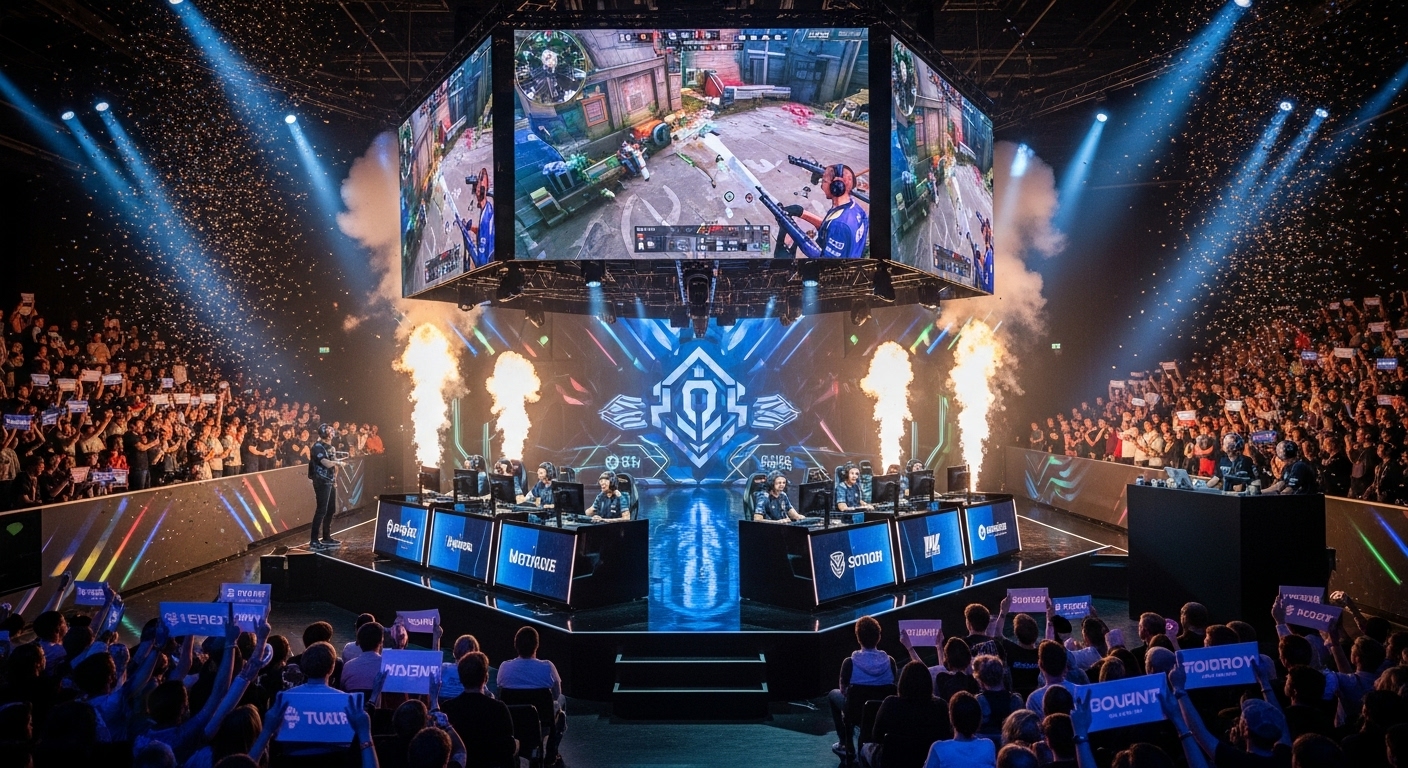
Streaming platforms such as live video, chat, voice commentary, and viewer interactivity are integral. Broadcasters and tournament organizers employ professional commentators (casters), analysts, and production teams to make matches engaging for both hardcore fans and casual viewers. Overlays, instant replays, multiple camera angles, and data visualizations enhance the viewing experience.
The Ecosystem: From Players to Fans
Pro Players, Amateurs, and Developers
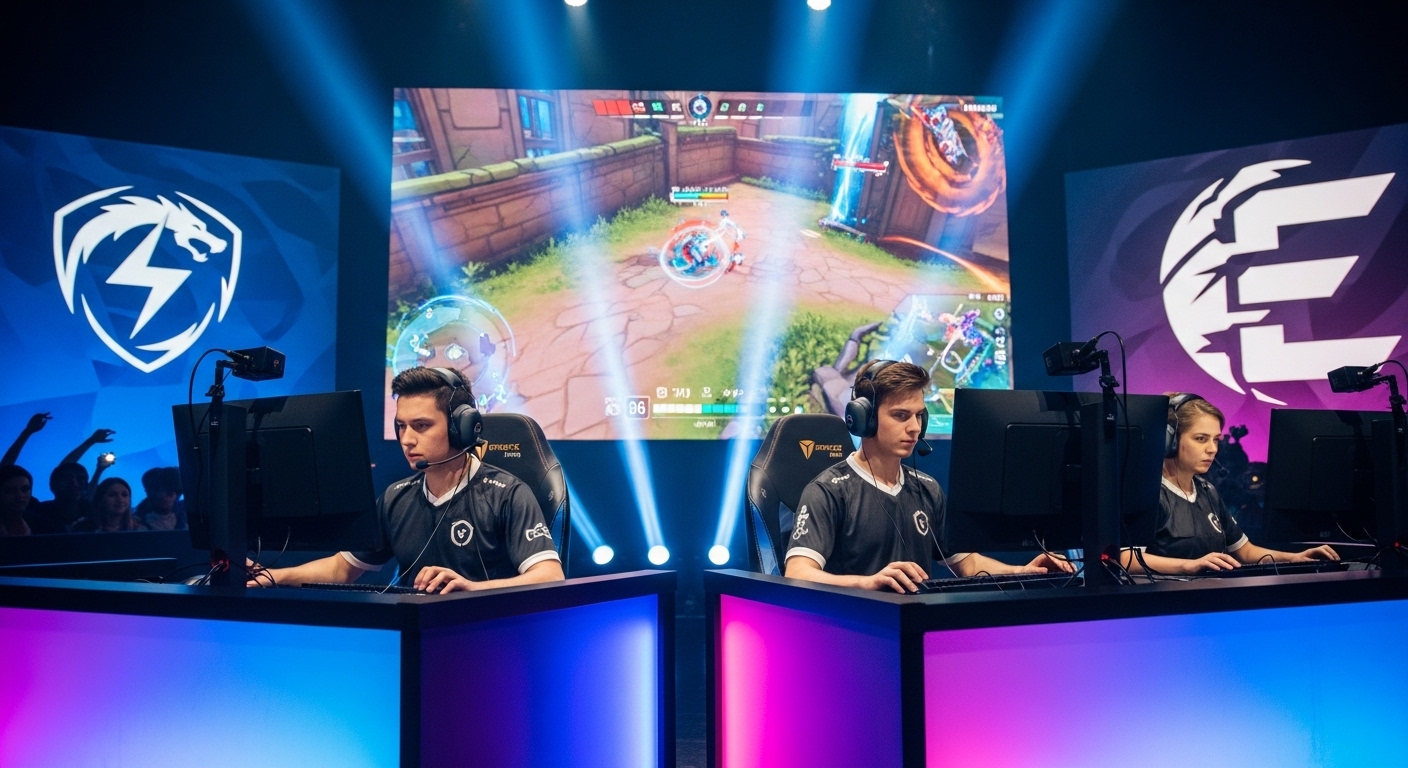
At the top sit pro players and teams who train full time, manage brand image, and compete for titles. Beneath them, aspirants and semipro players grind qualifiers, minor leagues, and scrimmages to break into the scene. Developers (game publishers) wield influence by hosting or sanctioning tournaments, shaping balance patches, and controlling key rights to content and revenue splits.
Teams and Infrastructure
Esports organizations often mirror traditional sports clubs. Teams maintain rosters, coaches, analysts, physical training facilities, marketing departments, content creators, social media staff, and sponsorship managers. They invest in performance metrics, health support, and psychological coaching to optimize competitive output.
Fan Communities and Content Creators
The passionate base of esports remains core to its vitality. Fans produce memes, fan art, highlight compilations, opinion content, and social media discourse. Streamers, YouTubers, and influencers bring attention to upcoming talent, breaking content beyond the tournament stage. Grassroots scenes, amateur tournaments, and university-level competitions foster local strength.
Challenges and Criticisms
Burnout and Mental Health
Professional players often endure intense pressure: long hours of practice, travel stress, public scrutiny, and the expectation to perform consistently. Burnout, anxiety, and mental health issues have become significant concerns. Some organizations are implementing wellness programs and limiting practice hours, but the path forward remains rocky.
Governance and Transparency
Because many esports events are run by private companies or game publishers, transparency in rule enforcement, prize distribution, adjudication, and integrity policies can be inconsistent. Differing regional standards and conflicting interests (publisher vs. team vs. broadcaster) complicate governance.
Sustainability and Monetization
While top-tier teams and tournaments generate significant revenue, many lower-level players and organizations struggle to remain solvent. The split between prize pools, sponsorship deals, broadcast rights, merchandise, and revenue share is often opaque. Ensuring a stable income path for newcomers is a structural challenge.
Integrity and Cheating
Any competitive domain is vulnerable to cheating, doping (in some cases, concerning performance aids), match-fixing, account hacks, and “ghost gaming” (using substitutes or account sharing). Safeguarding integrity, enforcing penalties, and maintaining fair competition is an ongoing battle.
Regional Disparities
Some regions have better infrastructure, internet connectivity, and financial investment than others. Players in underdeveloped areas often face obstacles in visibility, sponsorship, and access to high-level tournaments. Bridging these divides is key to global growth.
Case Studies: Success Stories and Turning Points
International Championship Events
One of the most talked-about examples is a global MOBA tournament with prize pools swelling into tens of millions. These events attract viewership comparable to mainstream sporting finals. The excitement of national pride, dramatic matches, and underdog stories make them cultural moments beyond gaming.
Franchised Leagues
Some leagues adopted a franchise model, requiring organizations to secure long-term slots. This model brought stability and investment but also sparked debate over gatekeeping smaller teams. The tension between open competition and controlled stability is central to modern esports discourse.
Crossovers with Traditional Sports
Some traditional sports franchises and team owners have entered esports, either by acquiring existing teams or creating esports divisions. Stadiums once reserved for basketball, football, or soccer increasingly host esports finals. The crossover offers legitimacy, media attention, and new revenue channels.
Why Esports Matters
Youth Engagement and Culture
Younger demographics gravitate toward gaming culture. Esports provides a bridge between entertainment, social interaction, and competitive ambition. Schools and universities now integrate esports clubs, scholarships, and varsity-level programs, acknowledging its legitimacy.
Innovation and Technology
Esports pushes boundaries in streaming technology, real-time analytics, augmented spectator experiences, latency optimization, cloud gaming, and AI‑driven camera systems. These innovations often spill into broader media and broadcast industries.
Global Reach and Inclusion
The digital nature of esports allows participation across borders. A player from one continent can compete against opponents thousands of miles away. Success stories from unexpected regions inspire new talent and communities globally.
Career Opportunities Beyond Playing
While only a fraction reach pro status, many careers exist in commentating, hosting, event production, broadcasting, marketing, analytics, coaching, content creation, and more. The ecosystem offers a spectrum of pathways for those passionate about games.
The Competitive Lifecycle: From Grassroots to Glory
Local and Regional Cups
New aspirants often begin at local or regional cups organized by community groups, universities, or small promoters. These events serve as proving grounds, helping teams gain experience, local sponsorship, and fan followings.
Online Qualifiers and Ladder Systems
To access higher tiers, teams enter open qualifiers—online tournaments where top finishers advance. Ladder systems or point-based ranking allow long-term performance to matter. Success in qualifiers can earn entry into national leagues or global circuits.
Major Tournaments and LAN Finals
Once teams reach higher tiers, they compete in major circuit events culminating in LAN finals, often held in large venues. These finals attract in-person audiences, live production, and media coverage. Victory at this level brings prestige, prize winnings, and brand legitimacy.
Promotion, Relegation, and Franchise Entry
Some leagues feature promotion and relegation: the worst-performing teams drop to a lower tier, while the best from below rise. Others adopt franchise entry—teams pay up front for permanence. Each model has tradeoffs in competition, fairness, and long-term stability.
Strategies for Aspiring Players and Teams
Skill and Practice Regimen
Consistent practice, scrimmage schedules, review of match replays, and opponent study are fundamental. Training sessions must balance individual mechanics, team coordination, strategy, and adaptation. Prioritizing well‑structured routines over random playtime yields better progress.
Mental and Physical Conditioning
Performance in esports isn’t purely mental. Physical health, ergonomics, posture, sleep, exercise, and nutrition significantly influence reaction time, focus, and endurance. Mental coaching, stress management, and periods of rest help mitigate burnout.
Communication and Team Harmony
Clear verbal communication during matches, debriefing sessions, conflict resolution, and trust-building are as crucial as mechanical skill. In high-stress moments, teams with strong chemistry often outperform individually stronger opponents.
Content and Brand Building
Successful teams and players create personal brands by streaming, creating videos, engaging with fans, and maintaining active social media. This not only boosts sponsorship appeal but also builds a loyal audience that supports longevity beyond competitive wins.
Networking and Partnerships
Forming relationships with event organizers, media producers, sponsors, and other teams helps secure invitations, support, and second chances. Being respected in the community and maintaining professionalism open doors.
Looking Forward: Trends and Predictions
Increased Institutional Investment
More traditional sports teams, celebrities, media companies, and venture capitalists will invest in esports. Their involvement brings financial backing, marketing muscle, and cross-media collaboration.
Technological Immersion
Expect deeper integration of augmented reality, virtual reality, and interactive second-screen experiences. Viewers may influence camera angles, predict outcomes, and engage in real time with matches.
Mobile Esports Growth
Mobile gaming already dominates some markets. Titles optimized for phones will drive viewership and participation in regions with limited PC access. Mobile esports may dictate much of the growth in developing markets.
State and National Recognition
Some countries will formally recognize esports as sports or declare national funding, scholarships, and infrastructure support. This legitimization will ease visa issues, provide public funding, and integrate esports in educational curricula.
Balancing Openness and Stability
The industry will continue experimenting with league models—open circuits, promotion systems, closed franchises, hybrid structures—to find optimal balance between competition, financial security, and access for newcomers.
Ethical, Health, and Regulation Focus
As esports gains stature, regulation of player rights, contract fairness, health standards, anti‑cheat measures, and integrity agencies will become more formalized. Global standards may emerge to govern major tournaments and player welfare.
Reflections: What Esports Teaches us
Esports is more than competitive gaming. It’s a mirror reflecting digital culture, youth ambitions, communities built online, and the shifting definitions of sport. It challenges us to consider how we value skill, effort, teamwork, entertainment, and what it means to perform under pressure in virtual arenas.
Players and fans alike learn about resilience, collaboration, adaptation to change, strategy under uncertainty, and creating value in new economies. Esports doesn’t replace traditional sports—but it complements them, offering alternative ways to play, watch, monetize, and participate.
Conclusion
The rise of esports is hardly accidental: it is the meeting point of technological maturation, youth creativity, global connectivity, and shifting commercial models. From the humble beginnings of local LAN parties to multimillion-dollar world championships, competitive gaming has matured, but it continues to evolve.
Challenges remain: mental health, fair governance, sustainability, and equitable access will test the industry’s maturity. But the energies behind esports—not just from game companies, but from communities, players, and audiences—signal that competitive gaming is here to stay.
If you are someone curious about entering this world—as player, organizer, content creator, or fan—there has perhaps never been a more exciting time. Break into local tournaments, stream your gameplay, build your team, or simply engage in discussion. The esports arena is vast, and your place in it may only require stepping up, picking your game, and playing your part.