Esports has transformed from a niche hobby into one of the fastest-growing global industries. What started as small gaming tournaments among friends now fills entire stadiums, draws millions of online viewers, and commands billion-dollar investments. The growth of competitive gaming has redefined what it means to be an athlete, reshaped the entertainment industry, and built a bridge between technology, sports, and culture.
The Early Days of Competitive Gaming
Before esports became a global phenomenon, gaming competitions were simple affairs. In the 1980s, players competed for high scores in arcades, chasing their names on leaderboards for bragging rights. Games like Space Invaders and Donkey Kong inspired the first organized competitions. The Space Invaders Championship in 1980 is often cited as one of the earliest examples of large-scale competitive gaming, attracting thousands of participants across the United States.
As home computers and consoles gained popularity in the 1990s, gaming communities began to form around titles like Street Fighter II and Quake. LAN parties—where players connected computers locally—became the gathering spots for competitive gamers. These were grassroots events, driven purely by passion rather than profit. But they laid the foundation for what esports would eventually become: structured, team-based, and globally accessible.
The Internet Revolution: The Turning Point
The late 1990s and early 2000s brought a technological shift that changed everything—the rise of the internet. Online multiplayer gaming allowed people to compete with anyone, anywhere, at any time. Titles such as StarCraft, Counter-Strike, and Warcraft III turned competitive gaming into a legitimate sport. South Korea, in particular, became the birthplace of modern esports culture.
Internet cafés, or “PC bangs,” became a second home for young gamers. Professional leagues like the Korean eSports Association (KeSPA) formed, complete with sponsorships, televised matches, and fan bases. The world took notice as players became celebrities and tournaments drew large audiences.
In the West, tournaments like the Cyberathlete Professional League (CPL) and Major League Gaming (MLG) helped shape the early esports scene. They brought structure, rules, and prize pools to what had previously been informal competitions. For the first time, gaming wasn’t just recreation—it was a career path.
The Explosion of Esports in the 2010s
The 2010s were the golden decade for esports. Faster internet, live streaming platforms, and social media created the perfect environment for growth. Twitch and YouTube Gaming allowed anyone to watch tournaments live, for free, from anywhere in the world. This accessibility fueled massive audiences and created a new kind of celebrity: the esports pro and the gaming streamer.
Games like League of Legends, Dota 2, Counter-Strike: Global Offensive, and Overwatch built thriving competitive ecosystems. Each game had its own leagues, world championships, and millions in prize money. The League of Legends World Championship filled arenas like Madison Square Garden and the Beijing National Stadium, while The International, Dota 2’s flagship tournament, offered prize pools exceeding $30 million.
It wasn’t just about the players. Esports organizations like Team Liquid, Fnatic, Cloud9, and T1 became global brands. They signed sponsorship deals with major companies, built training facilities, and hired coaches, analysts, and even nutritionists. The industry became as structured and serious as traditional sports.
The Business Behind the Game
Today, esports is a multi-billion-dollar industry. Revenue comes from sponsorships, media rights, merchandise, ticket sales, and in-game purchases. Brands like Intel, Coca-Cola, and Red Bull invest heavily, seeing esports as a way to connect with younger audiences who spend more time online than watching television.
Streaming platforms continue to be the lifeblood of esports. They generate ad revenue, attract fans, and provide direct engagement between players and audiences. The role of influencers and content creators has blurred the lines between entertainment and competition, turning gaming into an always-on ecosystem.
Moreover, traditional sports teams and celebrities have joined the action. Basketball stars, football clubs, and even Formula 1 teams now own or sponsor esports organizations. This crossover has added legitimacy and mainstream attention to competitive gaming.
The Players: New-Age Athletes
Esports athletes might not sprint down a field or lift weights, but their level of discipline, reflexes, and mental endurance rivals traditional athletes. A professional player trains for hours daily, studying strategies, reviewing matches, and practicing teamwork. Reaction times can be measured in milliseconds, and one lapse in focus can mean the difference between victory and defeat.
The physical strain is real, too. Repetitive stress injuries, eye fatigue, and burnout are common concerns. As a result, teams now employ physiotherapists and mental coaches to maintain player health. The concept of the “gamer lifestyle” has evolved from late-night junk food sessions to structured routines that balance nutrition, sleep, and mental clarity.
The path to becoming a pro has also become more formalized. Many games now have tiered systems—academy leagues, amateur circuits, and regional qualifiers—mirroring the structure of traditional sports. Young players can rise through these ranks and earn contracts with top organizations, often before they turn twenty.
Esports Arenas and Spectacle
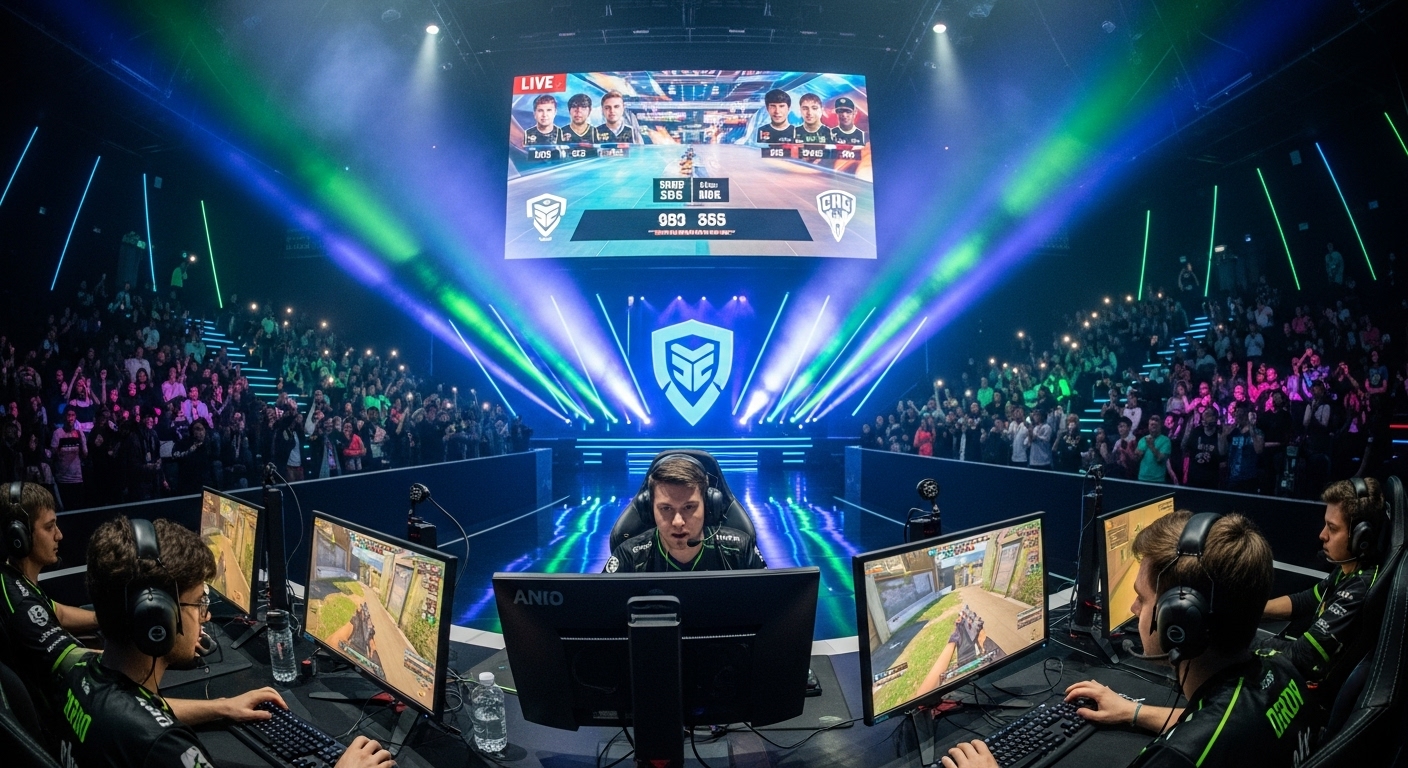
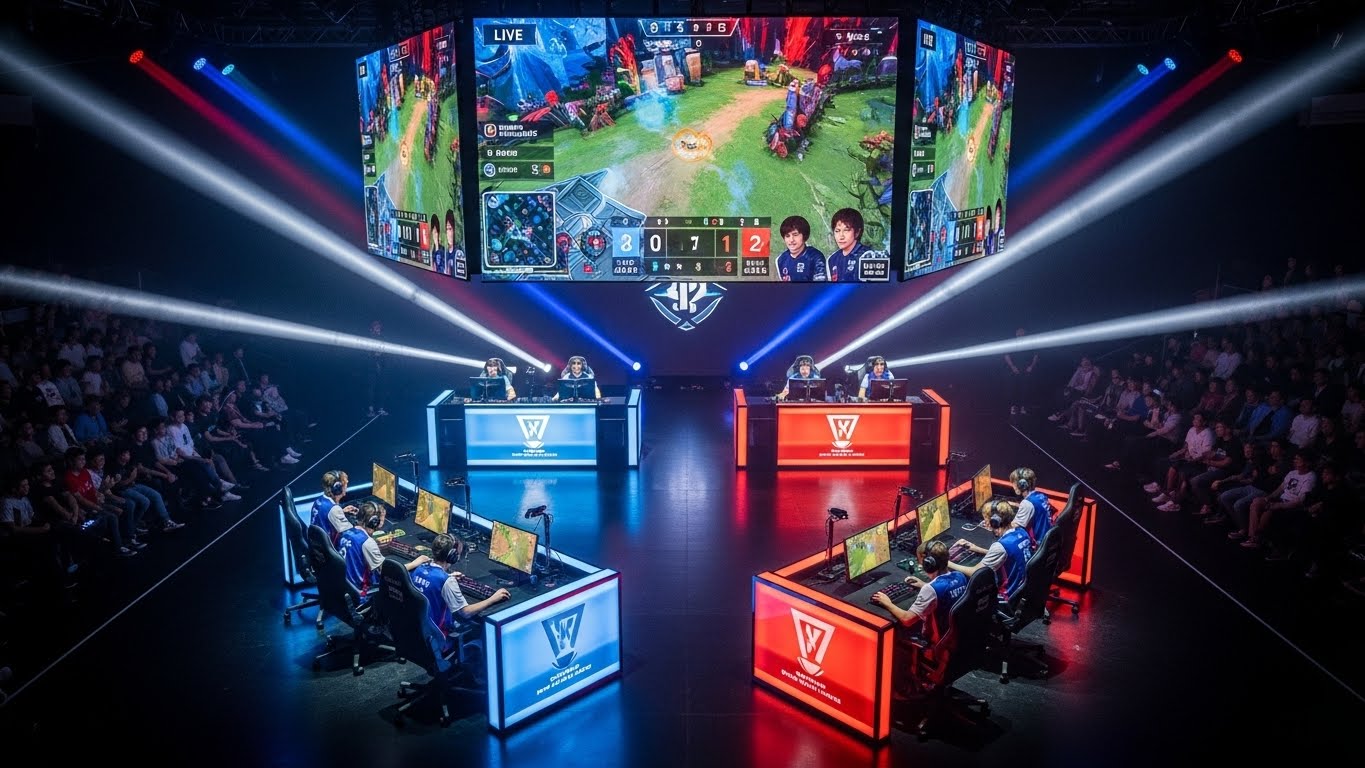
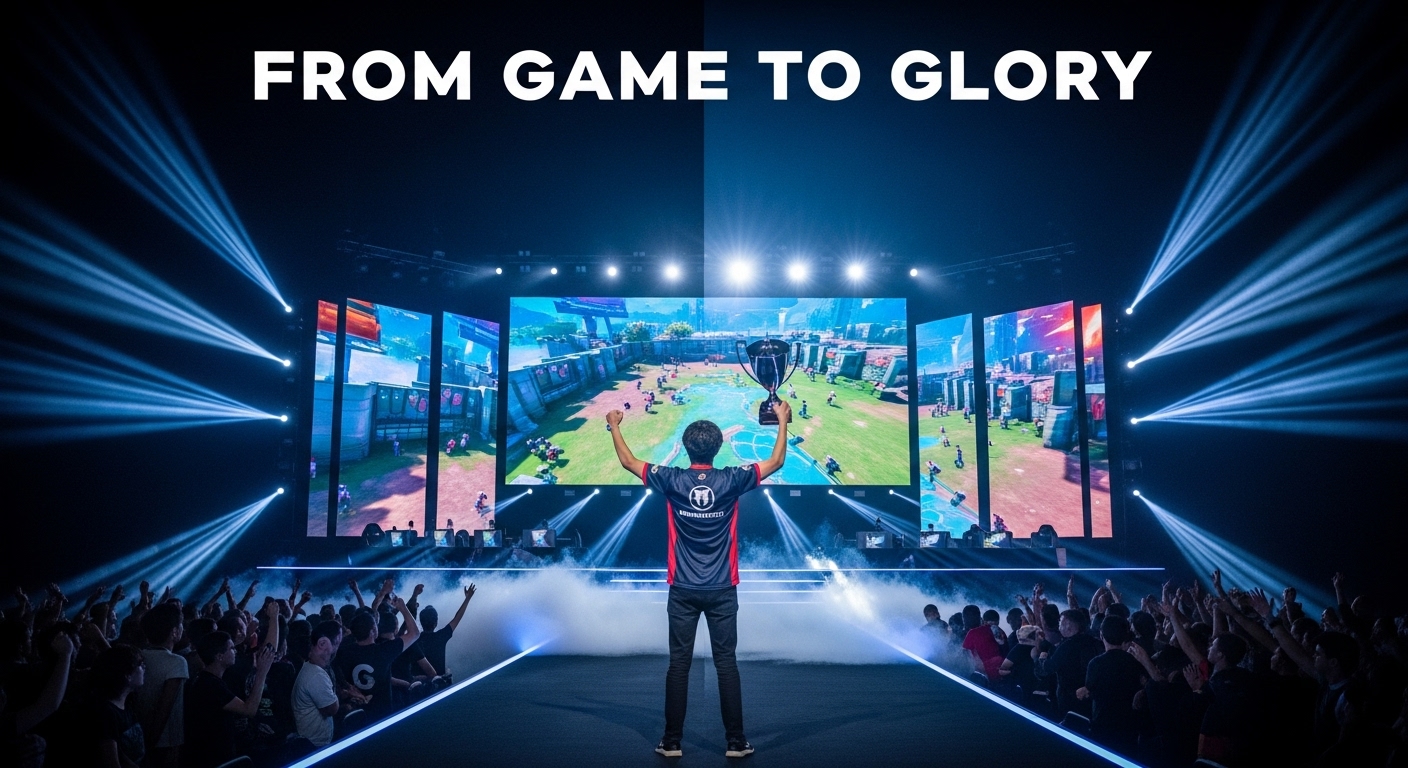
One of the most striking features of modern esports is its scale. What once took place in basements now unfolds in massive arenas with lights, sound systems, and theatrical production value rivaling the Olympics. Events like The International, Fortnite World Cup, and League of Legends Worlds attract thousands of in-person attendees and millions more online.
The spectacle isn’t just about gameplay—it’s about experience. Cosplayers, fan meetups, interactive booths, and live entertainment make esports events a blend of festival and competition. The energy inside these arenas mirrors that of any major sporting event, with chants, cheers, and heart-pounding excitement.
Even universities and governments have recognized the cultural and economic value of esports. Scholarships for esports athletes are now offered at several colleges, and countries like China, South Korea, and the United States have developed national programs to support their competitive scenes.
The Cultural Impact of Esports
Beyond entertainment, esports has deeply influenced culture. It has redefined what community means in the digital age, bringing together players from different backgrounds, languages, and regions under one shared passion. Esports has also provided career opportunities beyond playing—commentators, analysts, event organizers, developers, and content creators all play vital roles.
Gaming has also changed perceptions about technology and creativity. Where once playing video games was dismissed as a waste of time, it’s now seen as a skill that requires intelligence, strategy, and discipline. Parents who once discouraged gaming are now encouraging it when they see scholarship opportunities and professional pathways.
Esports has even helped bridge generational gaps. Families who might not understand the appeal of gaming can still come together to watch a live match, much like traditional sports. The shared excitement of competition and teamwork transcends age.
Diversity and Inclusion in Esports
While esports has grown rapidly, it has also faced challenges around diversity and representation. The industry has been criticized for its male dominance and lack of inclusivity for women and marginalized groups. However, progress is being made. Women’s leagues, mixed-gender tournaments, and inclusive organizations are on the rise. Figures like Sasha “Scarlett” Hostyn and Li “Liooon” Xiaomeng have shattered stereotypes by winning major championships.
Representation also extends to geographic diversity. Once dominated by Asia, esports has now found powerhouses in North America, Europe, South America, and the Middle East. Regional tournaments have created opportunities for local talent to shine, making esports truly global.
Technology and Innovation Driving the Future
Esports thrives on innovation. Advancements in hardware, internet speed, and software continue to push boundaries. High-refresh-rate monitors, precision peripherals, and virtual training tools have elevated performance standards. Cloud gaming and low-latency streaming are making esports more accessible to players who can’t afford high-end hardware.
Artificial intelligence and data analytics are also transforming the way teams train. Coaches use AI-driven analysis to track player movements, identify weaknesses, and optimize strategy. Virtual reality (VR) and augmented reality (AR) could soon create hybrid experiences that blend the physical and digital worlds.
As technology evolves, so does audience engagement. Interactive streaming lets viewers influence matches, access player stats in real time, and even communicate with competitors. The future of esports viewing could feel less like watching and more like participating.
The Role of Education and Career Opportunities
Esports has opened doors to entirely new career paths. Beyond players and coaches, there are roles in management, broadcasting, marketing, and game development. Universities now offer esports management and game design degrees, preparing students for careers in this fast-growing field.
Educational institutions also see esports as a way to engage students in STEM (Science, Technology, Engineering, and Math). Running an esports team involves data analytics, hardware maintenance, software optimization, and teamwork—all valuable modern skills. High schools are introducing esports clubs that teach leadership, collaboration, and critical thinking.
Challenges Facing the Esports Industry
Despite its success, esports faces several challenges. One major concern is sustainability. Prize pools can be massive, but only a fraction of players reach that level. Many professionals retire early due to burnout or lack of financial stability. Establishing better player unions, health programs, and career transition support will be crucial.
Regulation is another challenge. Because esports spans multiple countries and platforms, rules around contracts, age limits, and fairness can be inconsistent. Cheating and match-fixing scandals have occasionally damaged the industry’s reputation, leading to calls for standardized oversight.
Mental health is also a growing concern. The pressure to perform, constant public scrutiny, and long hours can take a toll on players. The industry is beginning to address these issues through counseling programs and mental wellness initiatives, but more progress is needed.
The Globalization of Esports
Esports has transcended borders in ways few industries can. Countries host international tournaments, fans follow teams from around the world, and players compete across continents. Language barriers are fading thanks to universal platforms like Discord and Twitch, where fans interact in real time.
Major cities are investing in dedicated esports arenas, from Seoul and Shanghai to Los Angeles and Paris. Governments see esports as an opportunity for tourism, job creation, and global branding. The inclusion of esports as a medal event in the Asian Games and the growing discussion around its inclusion in the Olympics highlight its cultural legitimacy.
Esports and the Future of Entertainment
Esports isn’t just competing with sports—it’s influencing them. Traditional sports organizations are adopting elements of esports, from digital fan engagement to virtual competitions. The NBA and FIFA have their own gaming leagues that run parallel to their real-world seasons, creating crossover audiences.
As the lines blur between reality and digital entertainment, esports sits at the center of a cultural shift. Virtual concerts inside games, celebrity collaborations, and interactive fan experiences are reshaping what it means to be an audience. Esports is no longer an alternative—it’s part of the mainstream.
The Road Ahead: What Comes Next
The future of esports looks bright, but it will continue to evolve. Emerging technologies like 5G, AI, and virtual reality will make competition faster, fairer, and more immersive. More schools will adopt esports programs, and more businesses will enter the space as investors and partners.
However, the industry will need to focus on sustainability, player well-being, and inclusivity to maintain its growth. The goal is not just to build bigger tournaments but to create a culture that values respect, balance, and opportunity for all players.
Esports has already proven that it’s more than just gaming—it’s a movement. It represents creativity, competition, and community in the digital age. The players may hold controllers instead of bats or balls, but their drive, passion, and teamwork are universal.
Conclusion
From humble arcade beginnings to grand international stages, esports has rewritten the rules of competition. It has given rise to new heroes, inspired global communities, and reshaped how the world views entertainment and technology. Whether you’re a casual gamer, a dedicated fan, or simply curious about its impact, one thing is certain: esports is here to stay, and it’s only just getting started.