Introduction
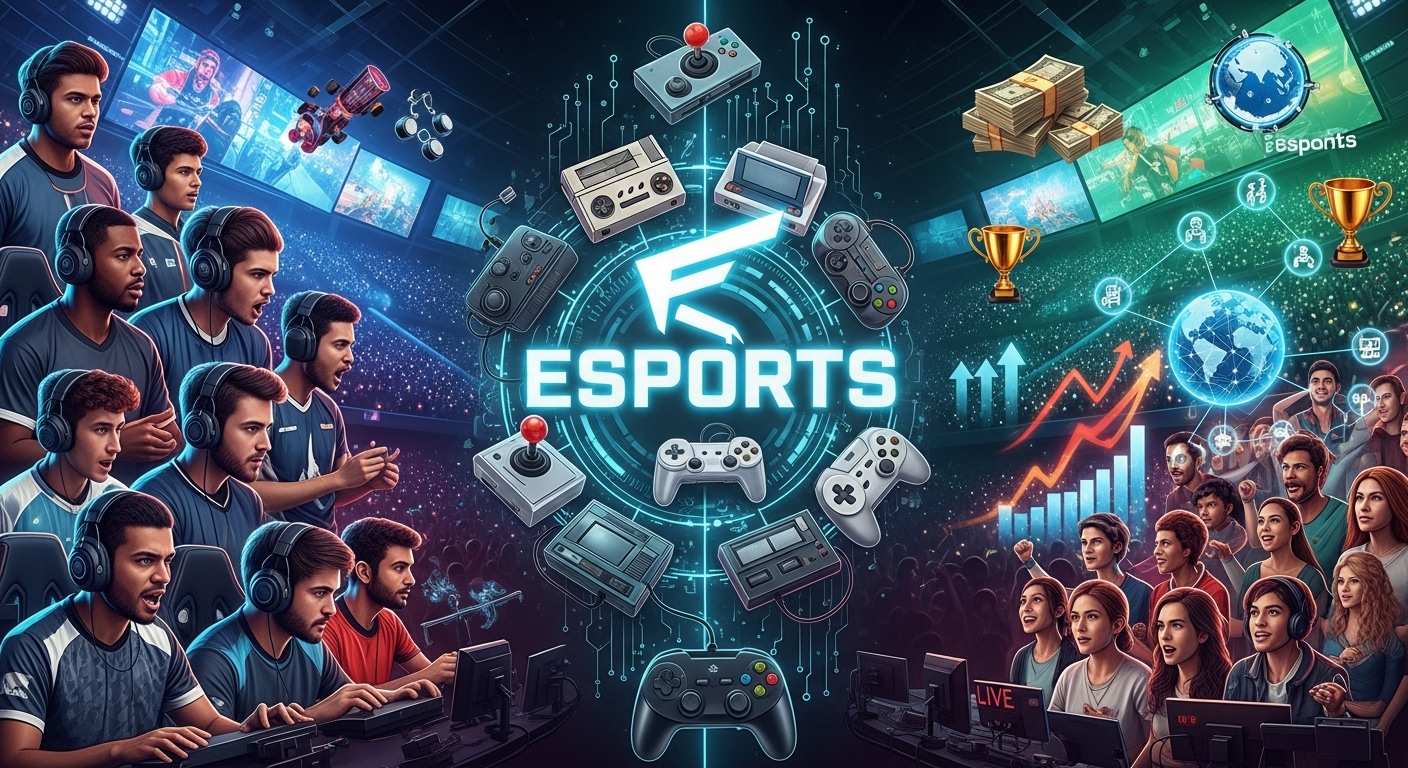
Esports, short for electronic sports, has transformed from a niche hobby into a global phenomenon. What once involved small communities gathering around arcade machines or personal computers has evolved into a multi-billion-dollar industry attracting millions of viewers and professional players. Esports encompasses competitive gaming across a wide array of genres, including first-person shooters, real-time strategy games, fighting games, and multiplayer online battle arenas.
The rise of esports reflects the convergence of technology, entertainment, and social interaction. It has established new career paths, created global fan communities, and influenced traditional sports culture. This blog explores the evolution of esports, its major competitions, technological advancements, cultural significance, and the future of competitive gaming.
The Origins of Competitive Gaming
Competitive gaming has existed since the early days of video games. The 1970s and 1980s witnessed the first organized competitions. Early arcade tournaments like the Space Invaders Championship in 1980 attracted nationwide attention, bringing gamers together in shared competitive experiences.
In the 1990s, competitive gaming gained momentum with the rise of PC gaming. Titles such as Quake, StarCraft, and Counter-Strike provided platforms for skill-based competition. Local LAN parties and small-scale tournaments allowed players to test their abilities against others in real time, laying the groundwork for modern esports.
The Birth of Esports as an Industry
The early 2000s marked a turning point in the formalization of esports. Professional leagues and organized tournaments began to emerge. South Korea became a global hotspot for competitive gaming, particularly with the rise of StarCraft: Brood War. Gaming cafes, known as PC bangs, became hubs for players to train and compete, elevating esports into a structured and recognized pursuit.
International tournaments began attracting sponsorships and media coverage. Companies saw esports as a lucrative marketing opportunity, and prize pools started to grow. The formalization of teams, coaching staff, and professional organizations established a framework similar to traditional sports.
Popular Esports Genres
Esports encompasses a diverse range of game genres, each with its own competitive scene and dedicated fanbase. Multiplayer Online Battle Arenas, or MOBAs, are among the most prominent. Games like League of Legends and Dota 2 combine strategy, teamwork, and skill-based mechanics, requiring players to work cohesively to achieve objectives.
First-person shooters (FPS) remain another cornerstone of esports. Titles like Counter-Strike: Global Offensive, Call of Duty, and Overwatch emphasize precision, reflexes, and strategy. FPS tournaments often involve intense competition, tactical planning, and split-second decision-making.
Fighting games, such as Street Fighter and Tekken, highlight individual skill and mastery of mechanics. These games thrive on one-on-one competition and have cultivated dedicated competitive communities for decades.
Real-time strategy (RTS) games, including StarCraft II and Warcraft III, test players’ ability to manage resources, units, and timing under pressure. These games demand high levels of strategic thinking and adaptability.
The Growth of Esports Tournaments
Esports tournaments have grown exponentially in size and scope. Competitions such as The International for Dota 2, the League of Legends World Championship, and the Fortnite World Cup now draw millions of viewers from around the world. Prize pools for these events can reach tens of millions of dollars, highlighting the scale and impact of the industry.
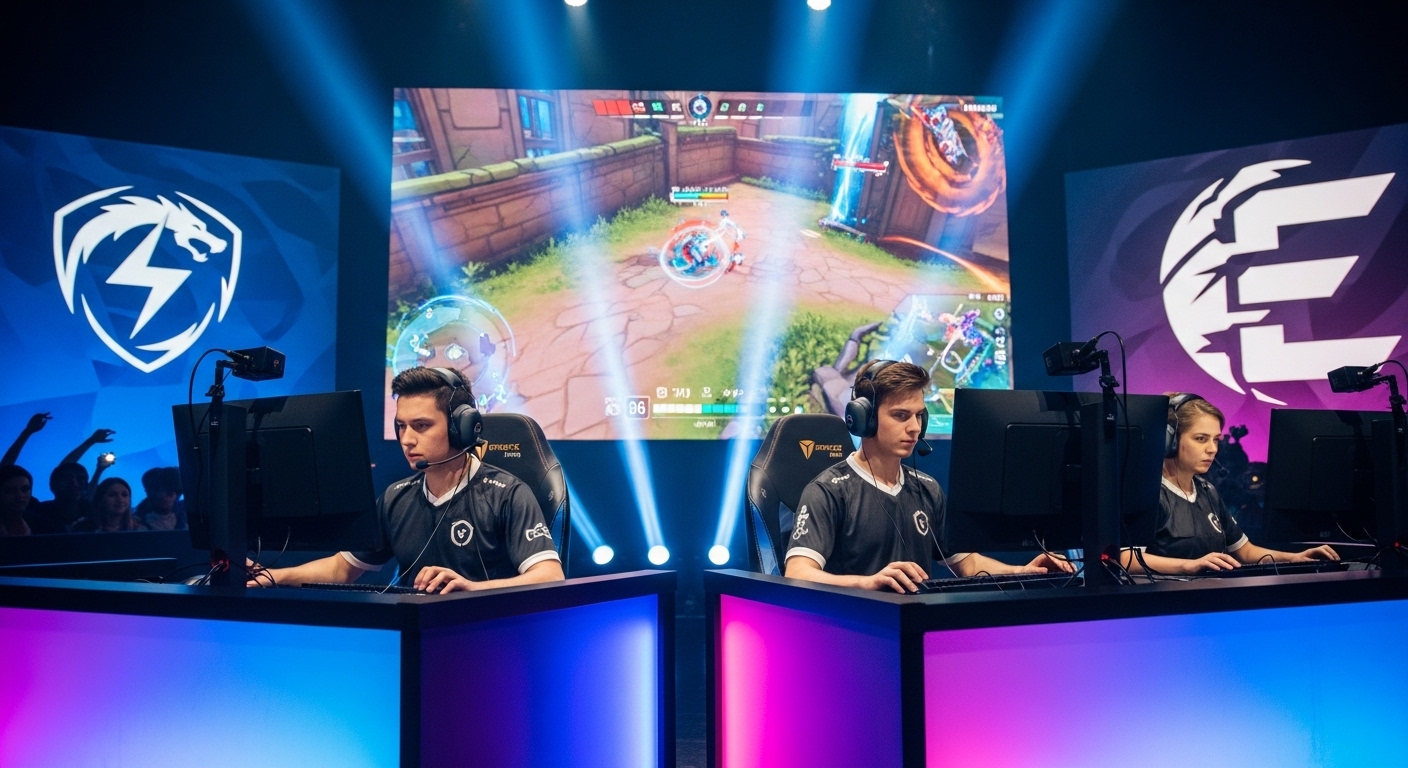
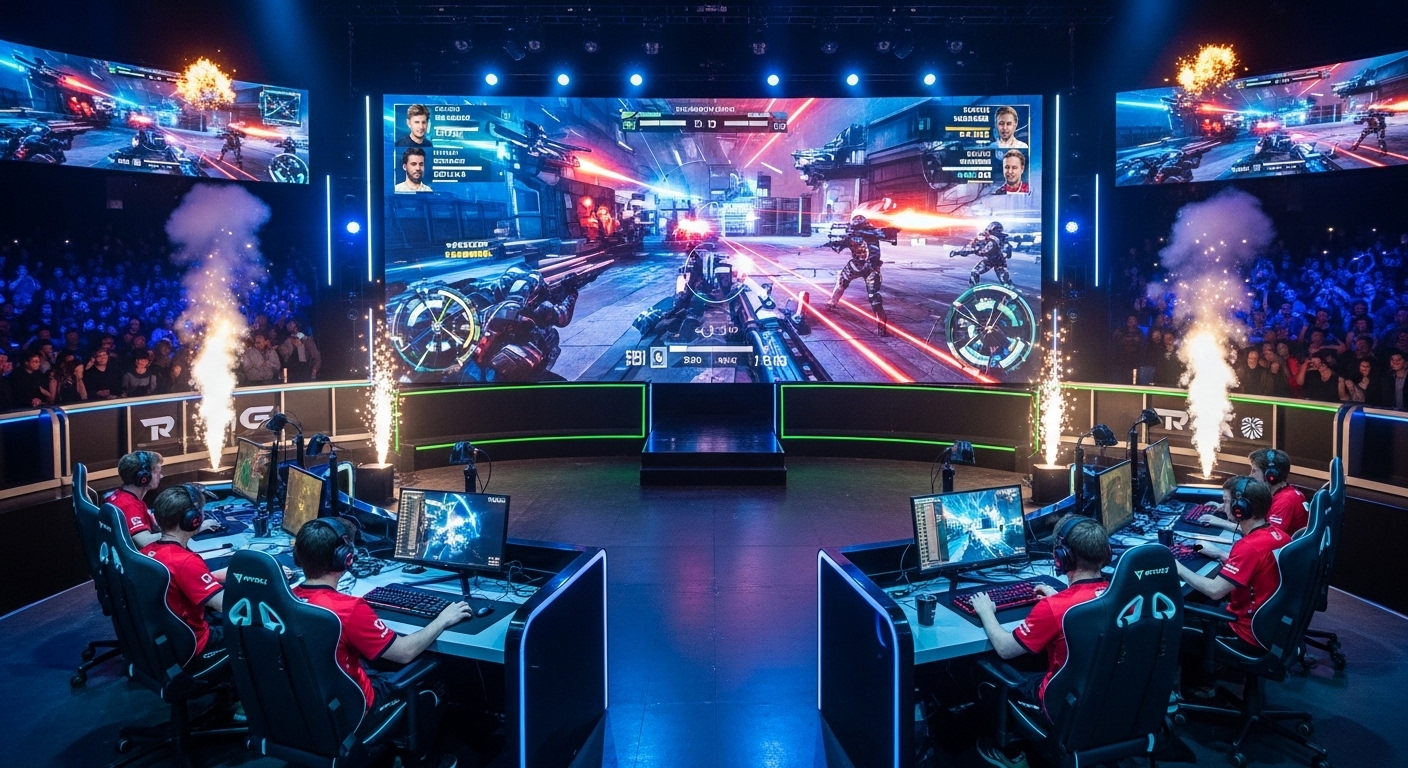
Major tournaments are no longer confined to online streams; they are held in arenas and stadiums, filling thousands of seats. Live events create a festival-like atmosphere, complete with fan engagement, merchandise, and sponsorship activations. These tournaments have become global spectacles, attracting mainstream media attention and legitimizing esports as a professional pursuit.
The Role of Streaming Platforms
Streaming platforms have played a pivotal role in the rise of esports. Services like Twitch, YouTube Gaming, and Facebook Gaming allow fans to watch competitions live, interact with players, and follow their favorite teams. The accessibility of streaming has democratized esports, enabling anyone with an internet connection to participate as a viewer or competitor.
Streaming has also given rise to esports personalities and influencers. Popular players develop large followings, sharing gameplay, tips, and personal stories with fans. This connection between players and audiences enhances the cultural impact of esports and fosters a sense of community.
Professional Esports Teams and Organizations
Professional esports teams operate similarly to traditional sports franchises. They recruit talent, provide coaching, and manage player development. Organizations like Team Liquid, Fnatic, and Cloud9 have established global reputations and compete across multiple games.
Team management extends beyond gameplay. Analysts, strategists, and support staff work to optimize performance, while marketing teams cultivate fan engagement and sponsorship opportunities. The professionalism of these organizations has elevated esports into a sustainable career path for talented players.
Training and Preparation for Esports
Professional esports players undergo rigorous training regimens. Training often involves practicing specific in-game mechanics, studying opponents’ strategies, and analyzing gameplay footage. Team coordination, communication, and mental focus are crucial elements of preparation.
Players often work with coaches, psychologists, and nutritionists to maintain peak performance. Mental resilience is particularly important, as the pressure of competition, high stakes, and long practice hours can be demanding. This approach demonstrates how esports shares similarities with traditional athletic preparation.
The Economics of Esports
The esports industry generates revenue through multiple channels, including sponsorships, advertising, merchandise, media rights, and ticket sales. Major brands from technology, energy drinks, and apparel sectors invest heavily in esports partnerships. Companies recognize the engagement and influence of esports audiences, particularly among younger demographics.
Prize pools in tournaments have reached unprecedented levels. For example, The International for Dota 2 regularly exceeds forty million dollars in total prizes, making it one of the largest sporting events in the world by financial scale. This economic growth has attracted investors, professional management, and mainstream recognition.
Cultural Impact of Esports
Esports has significantly influenced popular culture. Gaming conventions, tournaments, and streaming platforms have created a vibrant ecosystem where fans celebrate competition, skill, and community. Esports has also expanded representation, allowing players from diverse backgrounds to achieve global recognition.
The influence of esports extends beyond gaming itself. Music, fashion, and media often incorporate gaming references and aesthetics. Schools and universities now offer esports programs, providing scholarships and academic opportunities for competitive players. This integration into mainstream culture demonstrates the widespread acceptance and impact of esports.
Challenges Facing Esports
Despite its rapid growth, esports faces challenges that must be addressed. Player burnout and mental health concerns are prevalent due to intense training schedules and performance pressures. Organizations and governing bodies are increasingly focusing on wellness programs to support players’ long-term health.
Regulatory challenges also exist. The legal status of esports varies across regions, and issues such as betting, age restrictions, and intellectual property require careful navigation. Maintaining fair play and integrity is essential to sustaining trust among fans and participants.
The Role of Technology in Esports
Technology is integral to esports’ growth and sustainability. Advanced graphics, faster internet connectivity, and high-performance hardware enhance the competitive experience. Data analytics and AI are increasingly used to study gameplay patterns, predict strategies, and provide performance insights.
Virtual reality and augmented reality are emerging technologies with potential applications in esports. While traditional games dominate today’s competitive scene, VR and AR could introduce new forms of immersive competition, creating fresh opportunities for players and audiences.
Esports and Education
Esports is becoming an educational tool as well. Academic institutions are integrating gaming programs into their curricula, teaching students about game design, digital media, and competitive strategy. Scholarships for esports players are now offered by universities, recognizing the skill, discipline, and dedication required to compete professionally.
Additionally, esports fosters skills such as teamwork, communication, strategic thinking, and time management. These transferable skills make esports participation valuable beyond the digital arena, preparing players for diverse career paths.
The Future of Esports
The future of esports promises continued growth, technological innovation, and cultural influence. As streaming platforms expand and virtual events become more immersive, audiences will have increasingly interactive experiences. AI-driven analytics will enhance player training, coaching, and content creation.
The integration of global tournaments, multi-game franchises, and international leagues will continue to expand the competitive landscape. Esports may also collaborate with traditional sports organizations, further bridging the gap between digital and physical competition.
Moreover, inclusivity and accessibility will remain central to esports’ evolution. Platforms are increasingly accommodating players with diverse abilities, languages, and backgrounds, ensuring that the industry continues to grow responsibly and equitably.
Conclusion
Esports has evolved from small-scale competitions to a global entertainment powerhouse. It combines technology, skill, strategy, and community, creating a unique cultural phenomenon that transcends borders. Professional players, teams, and organizations have established esports as a legitimate career path, while streaming platforms and tournaments engage millions of fans worldwide.
The industry continues to innovate, leveraging technology and cultural influence to redefine the possibilities of competitive gaming. As esports grows, it will continue shaping entertainment, education, and global communities. What began as a niche hobby has become a transformative force, proving that digital competition is more than just play—it is a defining aspect of modern culture, innovation, and human connection.