Introduction: The Rise of Competitive Gaming
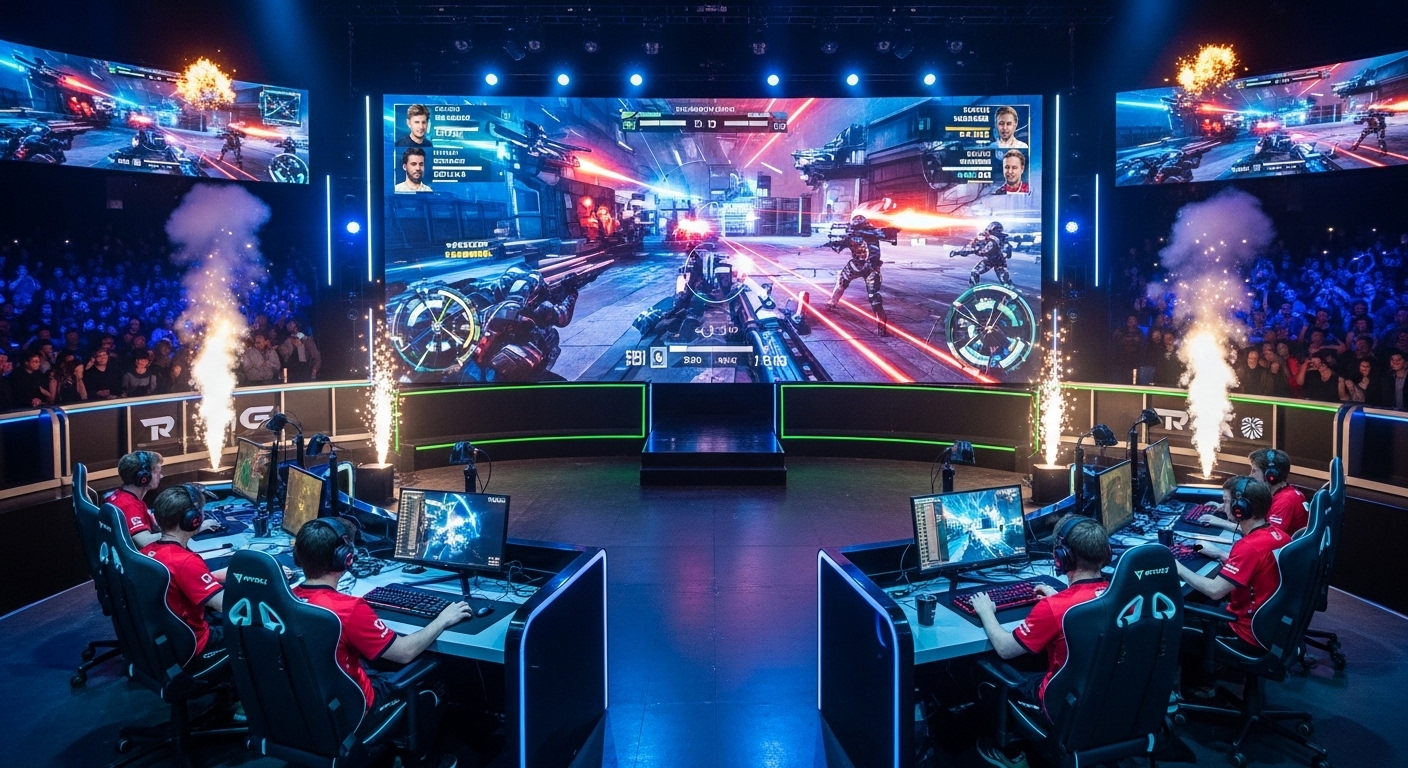
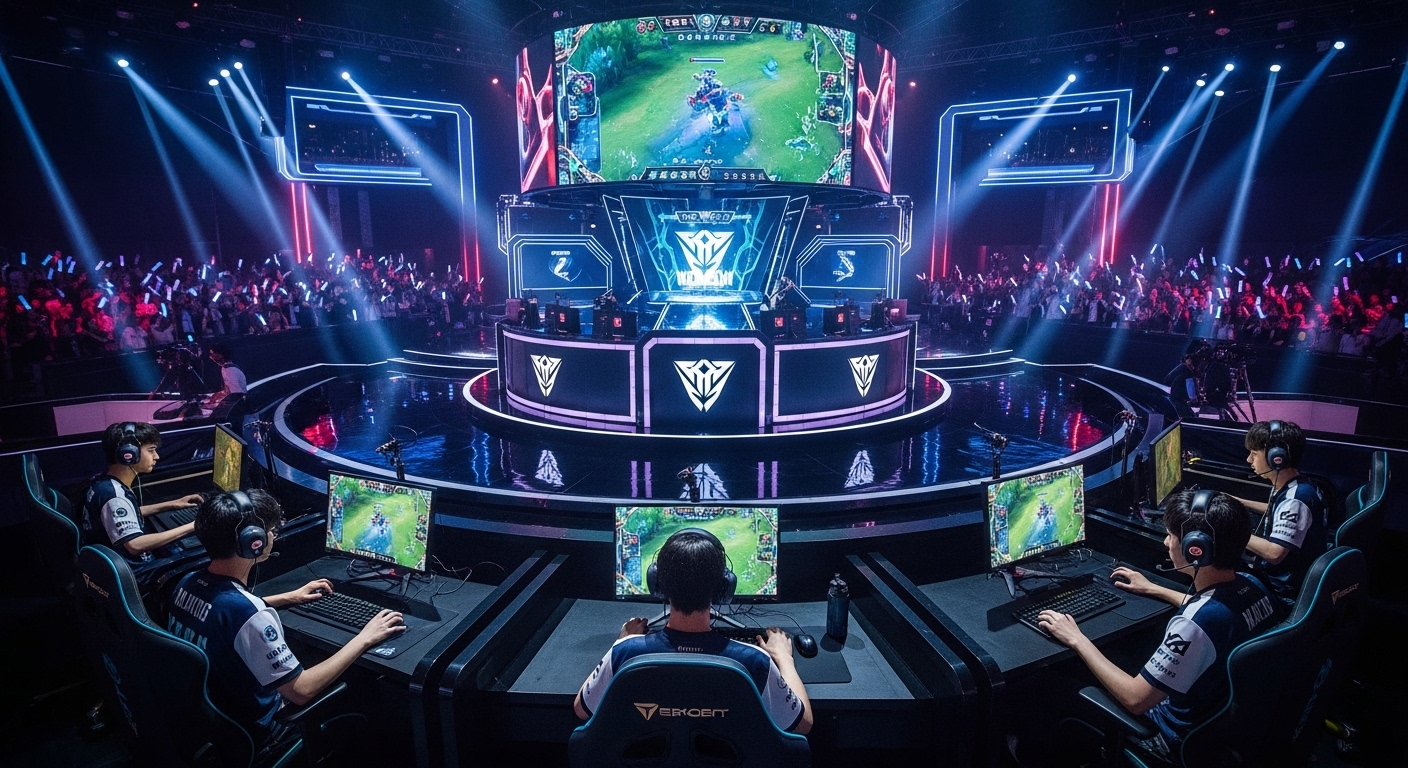
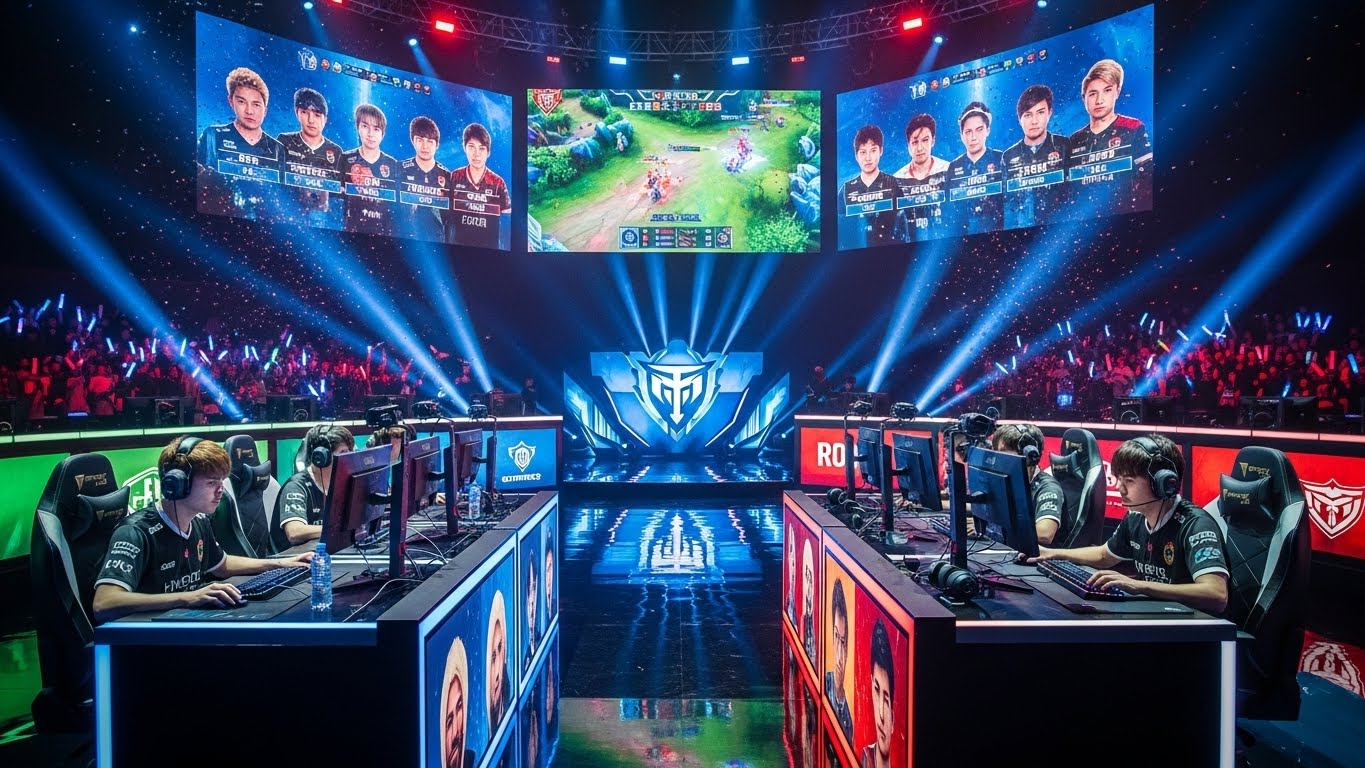
Esports, once considered a niche hobby for dedicated gamers, has evolved into one of the fastest-growing entertainment industries in the world. What began in small internet cafés and local gaming tournaments has transformed into sold-out arenas, multi-million-dollar prize pools, and global fanbases rivaling traditional sports. Today, esports is not just about playing video games; it is about strategy, teamwork, discipline, branding, and culture. This blog explores the journey of esports, its structure, its cultural and economic impact, and what the future holds for competitive gaming.
Understanding What Esports Really Is
Esports, short for electronic sports, refers to organized competitive gaming where individuals or teams compete in video games at a professional or semi-professional level. Unlike casual gaming, esports is structured, rule-based, and often governed by leagues, tournaments, and international organizations. Popular esports titles span multiple genres, including multiplayer online battle arenas, first-person shooters, real-time strategy games, and sports simulations. The competitive nature, combined with high skill ceilings, makes esports both challenging to play and exciting to watch.
The Evolution from Hobby to Industry
The roots of esports can be traced back to the late 20th century, when early gaming competitions were held around arcade machines and home consoles. As internet connectivity improved, online multiplayer gaming became widespread, allowing players from different regions to compete against one another. This connectivity laid the foundation for professional leagues and global tournaments. Over time, sponsorships, media coverage, and streaming platforms accelerated esports growth, turning it into a full-fledged industry with career opportunities beyond just playing.
Popular Esports Genres and Games
One of the defining features of esports is its diversity of games and genres. Multiplayer online battle arena games emphasize teamwork, map control, and strategic decision-making. First-person shooters focus on precision, reaction time, and coordination. Strategy-based games test long-term planning and adaptability, while sports simulation games replicate real-world athletics in a digital environment. This variety ensures that esports appeals to a broad audience, each drawn to different styles of competition and gameplay.
The Professional Esports Ecosystem
Professional esports operates within a complex ecosystem that mirrors traditional sports in many ways. Players train for hours each day, refining mechanics, studying opponents, and developing team strategies. Coaches analyze gameplay footage, provide tactical guidance, and manage team dynamics. Organizations handle contracts, branding, marketing, and logistics. Tournament organizers create competitive circuits, while broadcasters and commentators bring matches to life for viewers. This interconnected system supports the sustainability and professionalism of the esports scene.
The Role of Streaming and Digital Media
Streaming platforms have played a crucial role in esports’ global expansion. They allow fans to watch live matches, follow their favorite players, and engage with communities in real time. Unlike traditional sports broadcasts, esports streams often include direct interaction between players, commentators, and audiences through chat features. This interactivity has helped build strong fan loyalty and has made esports more accessible to viewers around the world, regardless of location.
Esports as a Career Path
One of the most significant shifts in perception around esports is its recognition as a legitimate career option. Professional players can earn income through salaries, tournament winnings, sponsorships, and content creation. Beyond playing, careers exist in coaching, analytics, event management, broadcasting, marketing, game development, and journalism. Educational institutions have even begun offering esports programs and scholarships, further legitimizing the field and preparing the next generation of industry professionals.
Economic Impact and Sponsorship
The esports industry generates revenue through multiple channels, including advertising, sponsorships, merchandise, ticket sales, and media rights. Major brands from technology, apparel, food, and even automotive sectors have entered the esports space, recognizing its ability to reach younger, digitally savvy audiences. This influx of investment has improved production quality, increased prize pools, and provided financial stability for teams and leagues, contributing to long-term growth.
Cultural Influence of Esports
Esports has become a powerful cultural force, influencing fashion, music, language, and social interaction. Gaming communities foster shared identities and values, often transcending national and cultural boundaries. Major tournaments become cultural events, complete with opening ceremonies, storytelling, and fan traditions. Esports athletes are increasingly seen as role models, inspiring fans with their dedication, resilience, and pursuit of excellence.
Challenges Facing the Esports Industry
Despite its success, esports faces several challenges. Player burnout is a significant concern due to intense training schedules and high pressure to perform. Governance and standardization remain inconsistent across games and regions, leading to issues around fairness and regulation. Additionally, ensuring inclusivity and combating toxicity within gaming communities are ongoing efforts. Addressing these challenges is essential for maintaining a healthy and sustainable esports environment.
The Role of Technology and Innovation
Technology continues to shape the future of esports. Advances in hardware improve performance and viewing experiences, while software innovations enhance game balance and spectator features. Data analytics is increasingly used to evaluate player performance and inform strategic decisions. Virtual and augmented reality technologies may further transform how fans experience esports, potentially creating more immersive and interactive ways to engage with competitions.
Esports and Traditional Sports Convergence
The line between esports and traditional sports is gradually blurring. Many traditional sports organizations have invested in esports teams or leagues, recognizing shared values such as competition, teamwork, and fan engagement. Athletes from both worlds often collaborate, and training methodologies increasingly overlap, particularly in areas like mental conditioning and performance optimization. This convergence suggests a future where esports and traditional sports coexist and complement each other.
The Global Nature of Esports
Esports is inherently global, with players, teams, and fans spanning continents. International tournaments bring together diverse cultures and playstyles, creating a unique competitive landscape. This global reach not only enhances the level of competition but also promotes cross-cultural understanding and collaboration. Esports demonstrates how digital platforms can unite people through shared passions, regardless of geographical boundaries.
The Future of Competitive Gaming
Looking ahead, esports shows no signs of slowing down. As technology evolves and audiences continue to grow, competitive gaming is likely to become even more integrated into mainstream entertainment. Greater emphasis on player welfare, inclusivity, and sustainable growth will shape the next phase of development. Esports may also expand into new formats and experiences, redefining how competition and entertainment intersect in the digital age.
Conclusion: More Than Just Games
Esports is far more than playing video games at a high level. It is a dynamic blend of competition, technology, culture, and community. From its humble beginnings to its current status as a global phenomenon, esports has reshaped how people view gaming and competition. As it continues to evolve, esports will not only entertain millions but also influence how future generations connect, compete, and create in an increasingly digital world.