Introduction: The Growing Influence of Esports
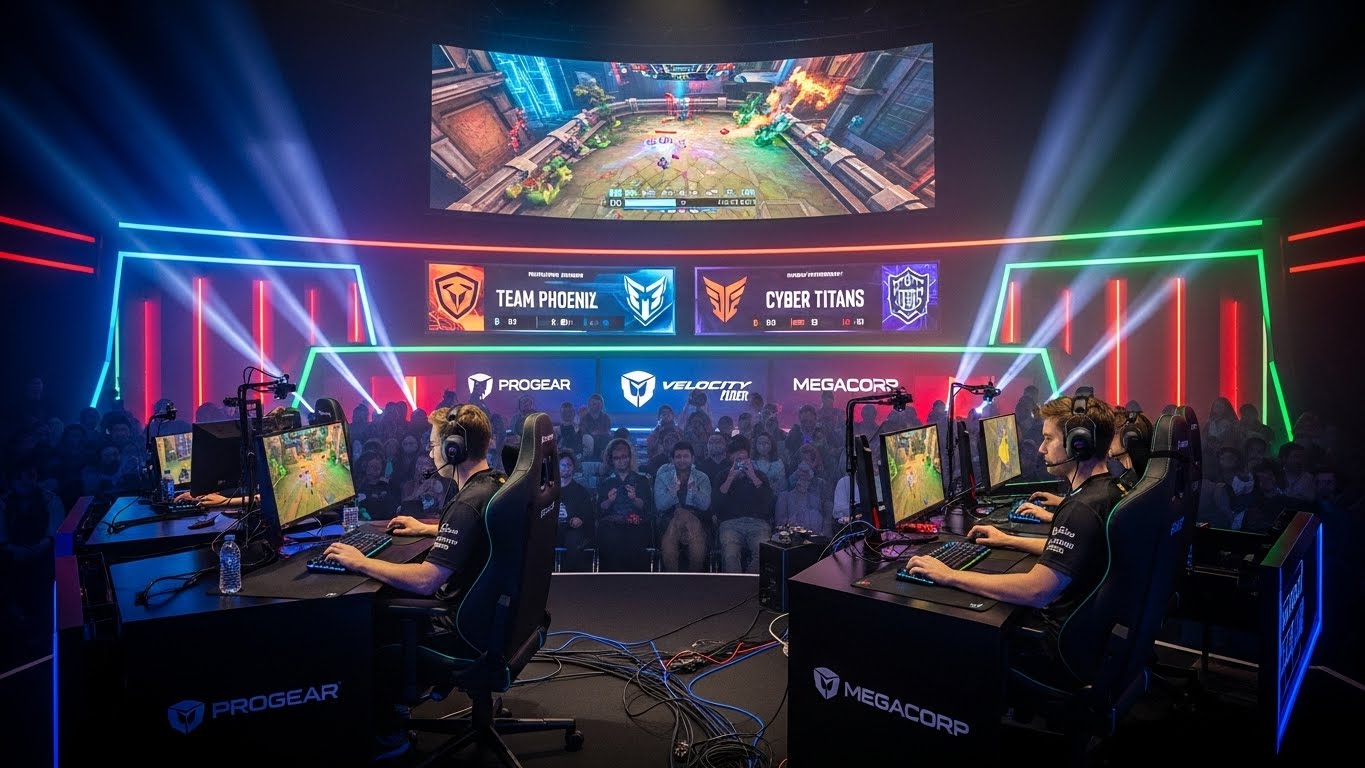
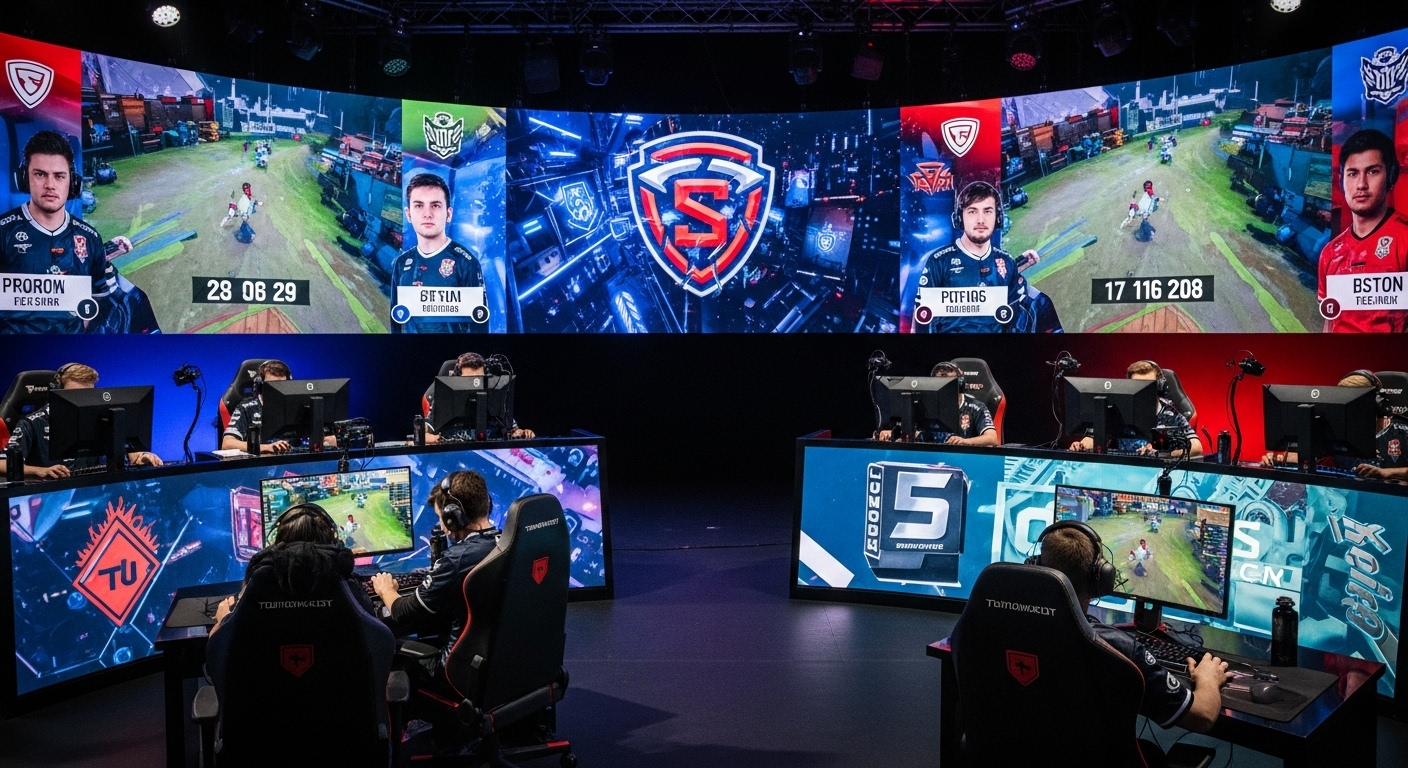
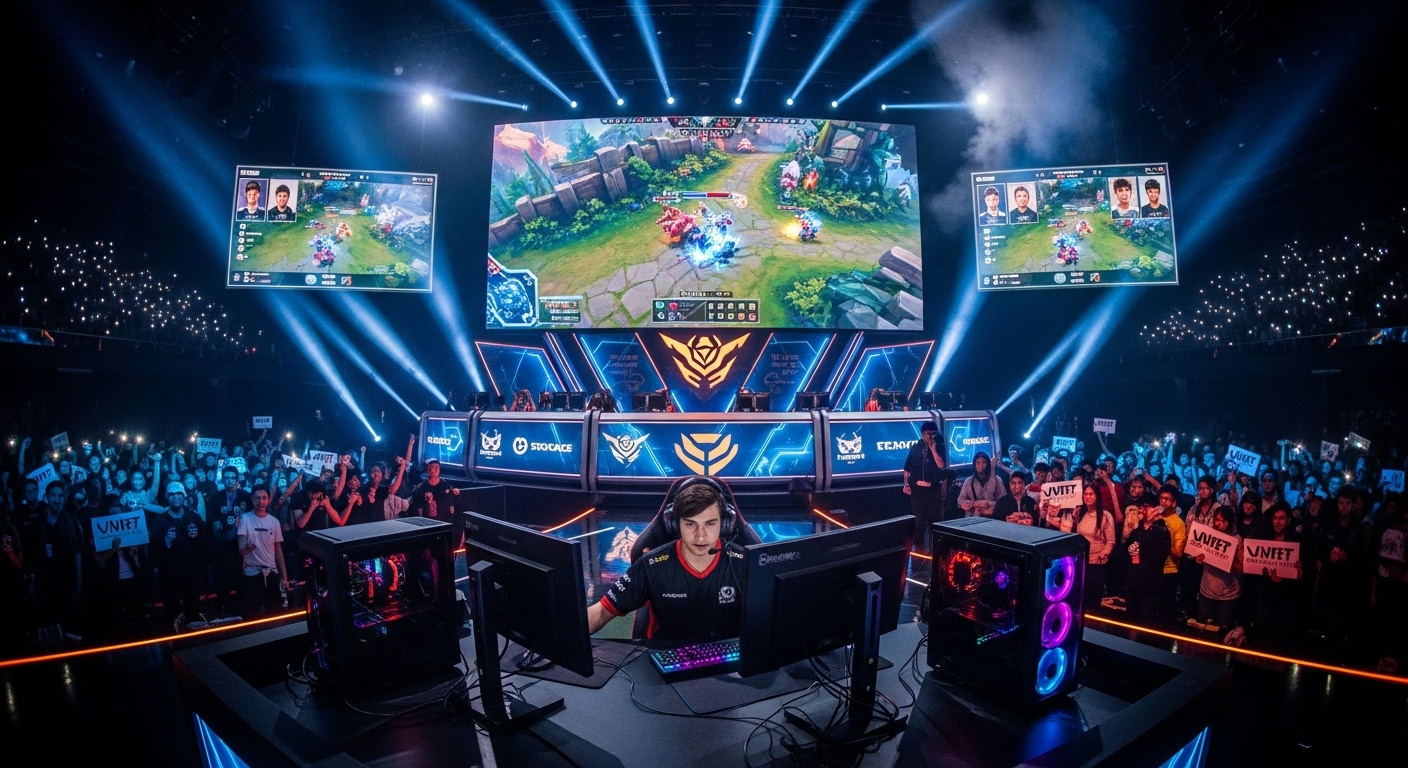
In recent years, esports has risen from a niche hobby to a global phenomenon, captivating millions of players and fans worldwide. Once relegated to the backstreets of gaming communities, competitive gaming is now one of the fastest-growing industries in the world. Esports, short for electronic sports, is the umbrella term for competitive video gaming, where professional players face off in organized tournaments, often with substantial prize pools.
The esports ecosystem has evolved dramatically, and what was once a hobby pursued by a select few has now become a multi-billion-dollar industry. This transformation is fueled by rapid advancements in gaming technology, the growth of streaming platforms, and the rise of social media as a way to engage fans and sponsors. With more games, larger tournaments, and a broader audience than ever before, esports has solidified itself as a key player in the entertainment industry.
In this blog post, we’ll dive deep into the fascinating world of esports, exploring its origins, growth, the role of players and teams, its massive economic impact, and its promising future in the entertainment and sports worlds.
The Birth of Esports: From Casual Competition to Global Stage
While competitive gaming has existed for decades, the concept of “esports” as we understand it today began to take shape in the late 1990s and early 2000s. Games like Quake, StarCraft, and Warcraft III allowed players to compete in multiplayer environments, marking the beginning of online tournaments and organized competitions.
However, esports did not truly explode onto the global scene until the advent of high-speed internet connections and streaming platforms. Before the rise of the internet, competitive gaming was limited to local LAN (Local Area Network) tournaments where friends would connect their computers together to battle it out in person. As broadband internet became more accessible, competitive gaming moved online, allowing players from around the world to compete against each other in real-time.
The early esports tournaments were still grassroots efforts, organized by passionate gaming communities and developers. One of the first major esports events was the World Cyber Games (WCG), launched in 2000, which became a precursor to today’s global tournaments. As the internet began to expand, so did the possibilities for esports, paving the way for larger and more organized competitions.
The Rise of Professionalism: Esports Becomes a Career Path
As esports began to garner more attention, it quickly evolved from casual play to a full-fledged professional industry. In the early 2000s, professional gaming teams began to form, and organizations such as Major League Gaming (MLG) and ESL (Electronic Sports League) provided the infrastructure for larger tournaments and leagues. These events offered cash prizes, sponsorships, and the opportunity for players to earn a living by competing in video games.
With the success of games like Counter-Strike, StarCraft II, and later League of Legends, esports began attracting sponsorships from major corporations and tech companies. This influx of financial support allowed for bigger and more elaborate tournaments, with prize pools reaching millions of dollars.
As the industry professionalized, so did the players. In addition to the hours spent practicing and competing, players had to manage their public image, undergo media training, and build personal brands. The life of a professional esports player has become more complex, requiring not only exceptional gaming skills but also the ability to handle pressure, travel, and the demands of a public career.
Today, esports players are recognized as professional athletes, with many teams offering salaries, health benefits, and performance bonuses. Players often train for hours a day, working on their strategy, teamwork, and game mechanics. For top-tier players, the rewards are significant, with some earning millions in prize money and endorsement deals.
The Role of Streaming: Connecting Players and Fans
One of the key components of esports’ explosive growth has been the rise of streaming platforms, especially Twitch. Founded in 2011, Twitch revolutionized how fans engage with competitive gaming. By allowing fans to watch live streams of their favorite players and teams, Twitch provided a way to connect the players and the audience in real-time.
For the first time, fans could watch a game unfold from the perspective of their favorite pro player, engage with the community through live chat, and feel like they were part of the action. This instant interaction created a unique experience for esports fans, unlike anything offered by traditional sports. The appeal of live-streamed content has expanded beyond just the tournaments, with players and content creators building large followings by streaming their gameplay daily.
The ability to interact with players and other fans via live chat has created a strong sense of community. Gamers from all over the world can now connect over shared interests, discussing strategies, sharing memes, and supporting their favorite teams. This community aspect is at the heart of esports, and it has helped the industry grow exponentially.
The Esports Ecosystem: Tournaments, Teams, and Sponsorships
The esports ecosystem is vast and multifaceted, with a variety of moving parts working together to sustain and grow the industry. At the center of this ecosystem are the games themselves. Titles like League of Legends, Dota 2, Counter-Strike: Global Offensive, and Overwatch are the pillars of competitive gaming, each hosting large-scale tournaments with dedicated fanbases.
These tournaments, whether local, national, or international, are the stage for esports stars to shine. The most prestigious of these competitions—such as The International (Dota 2’s world championship), League of Legends World Championship, and CS:GO Major Championships—attract millions of viewers and boast multi-million-dollar prize pools. In fact, The International’s 2018 prize pool for Dota 2 was over $25 million, a staggering sum that far exceeds the prize money of most traditional sports tournaments.
Behind these tournaments are the esports teams—organizations that sign professional players, train them, and manage their competitive schedules. The most successful teams, such as Team Liquid, Cloud9, and T1, have global fanbases and lucrative sponsorships. These organizations are often backed by big-name investors, including tech companies, gaming brands, and even venture capitalists. The esports team model is similar to traditional sports, where teams compete in leagues and tournaments, gain sponsorships, and grow their fanbases.
Sponsorships play a significant role in the esports ecosystem. Brands such as Coca-Cola, Intel, Red Bull, and Nike sponsor esports events and teams, recognizing the massive appeal of competitive gaming. These sponsorships help fund tournaments, support player salaries, and ensure the continued growth of the industry. Esports teams also generate revenue from merchandise sales, live event ticket sales, and content creation.
The Economic Impact of Esports
Esports has evolved into a massive economic force. According to a report from Newzoo, the global esports industry is expected to generate more than $1 billion in revenue by 2023. This includes revenue from advertising, sponsorships, media rights, merchandise sales, and ticket sales for live events. As the industry grows, so does its economic footprint, with esports creating jobs not just for players, but for event organizers, broadcasters, commentators, analysts, content creators, and even esports lawyers.
The success of esports has also driven significant investment in esports infrastructure, including dedicated esports arenas, training facilities, and streaming studios. Major cities around the world are increasingly hosting esports events, further integrating competitive gaming into mainstream culture. Cities like Los Angeles, Seoul, and Shanghai are emerging as key esports hubs, with teams, tournaments, and training centers driving local economies.
Esports and Its Global Appeal
One of the most remarkable aspects of esports is its global appeal. Unlike traditional sports, which are often bound by geography or culture, esports transcends borders. Players from North America, Europe, South Korea, China, and Brazil all compete on a level playing field, with international tournaments drawing global audiences. Esports has proven to be particularly popular in Asia, where countries like South Korea and China are leaders in esports culture and innovation.
The increasing availability of high-speed internet and the widespread adoption of mobile gaming have also helped expand esports to new regions. In countries like India and Southeast Asia, the esports market is booming, with new audiences flocking to online platforms to watch and engage with competitive gaming.
The Future of Esports: What Lies Ahead?
As esports continues to evolve, the future looks incredibly bright. We’re seeing new games enter the competitive arena, and with the rise of mobile gaming, esports is becoming even more accessible to people around the world. Mobile esports tournaments, particularly in titles like PUBG Mobile and Free Fire, are gaining popularity and attracting huge audiences.
Technological advancements, such as virtual reality (VR) and augmented reality (AR), are also poised to play a significant role in the future of esports. These technologies could revolutionize the way players compete, making the experience more immersive and interactive than ever before.
Furthermore, the inclusion of esports in traditional sports networks like ESPN and the growing interest from major international sporting organizations show that esports is moving closer to being recognized as a mainstream sport. There have even been discussions about whether esports will eventually be added to the Olympic Games, further cementing its place in the global sporting landscape.
Conclusion: Esports – A New Era in Competitive Entertainment
Esports has come a long way from its humble beginnings in arcade competitions. Today, it is a global industry with millions of fans, professional players, teams, and sponsors.