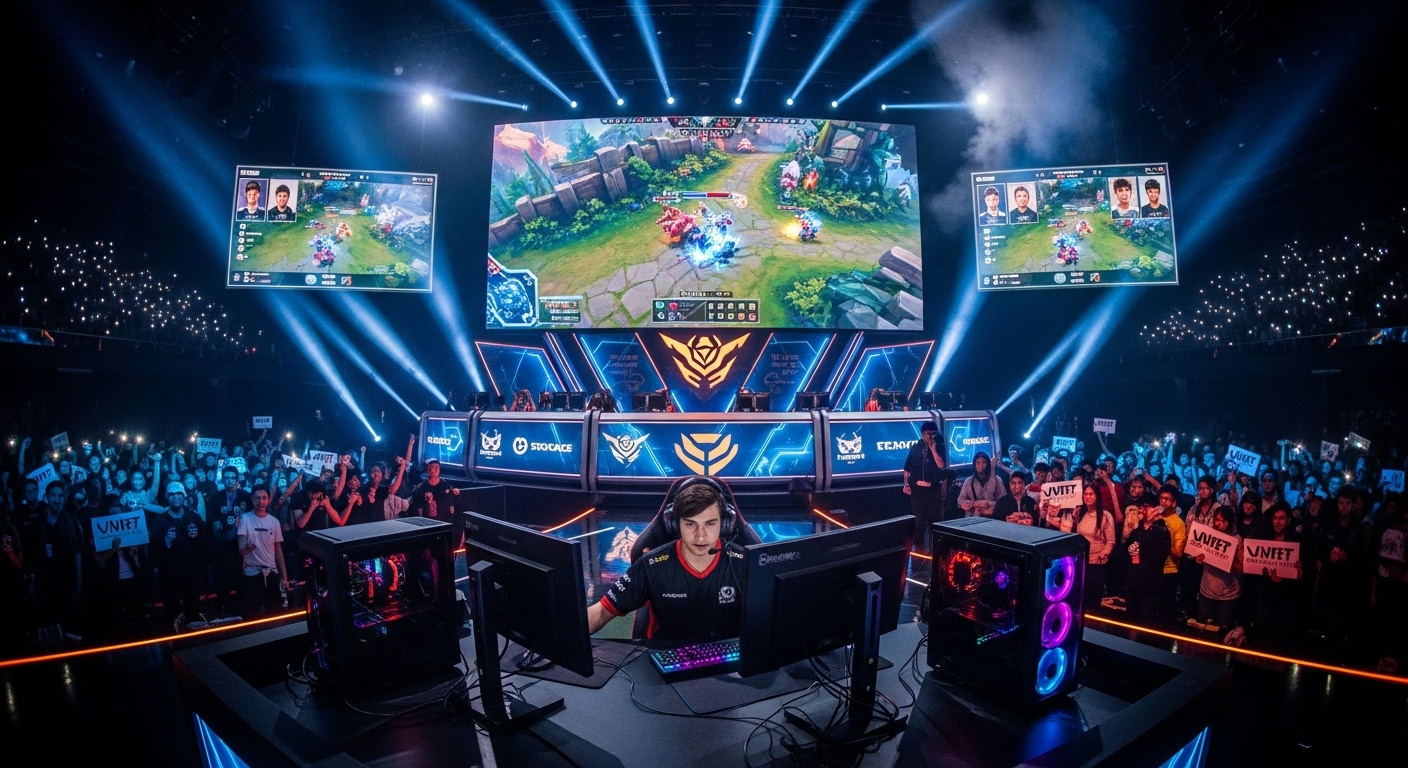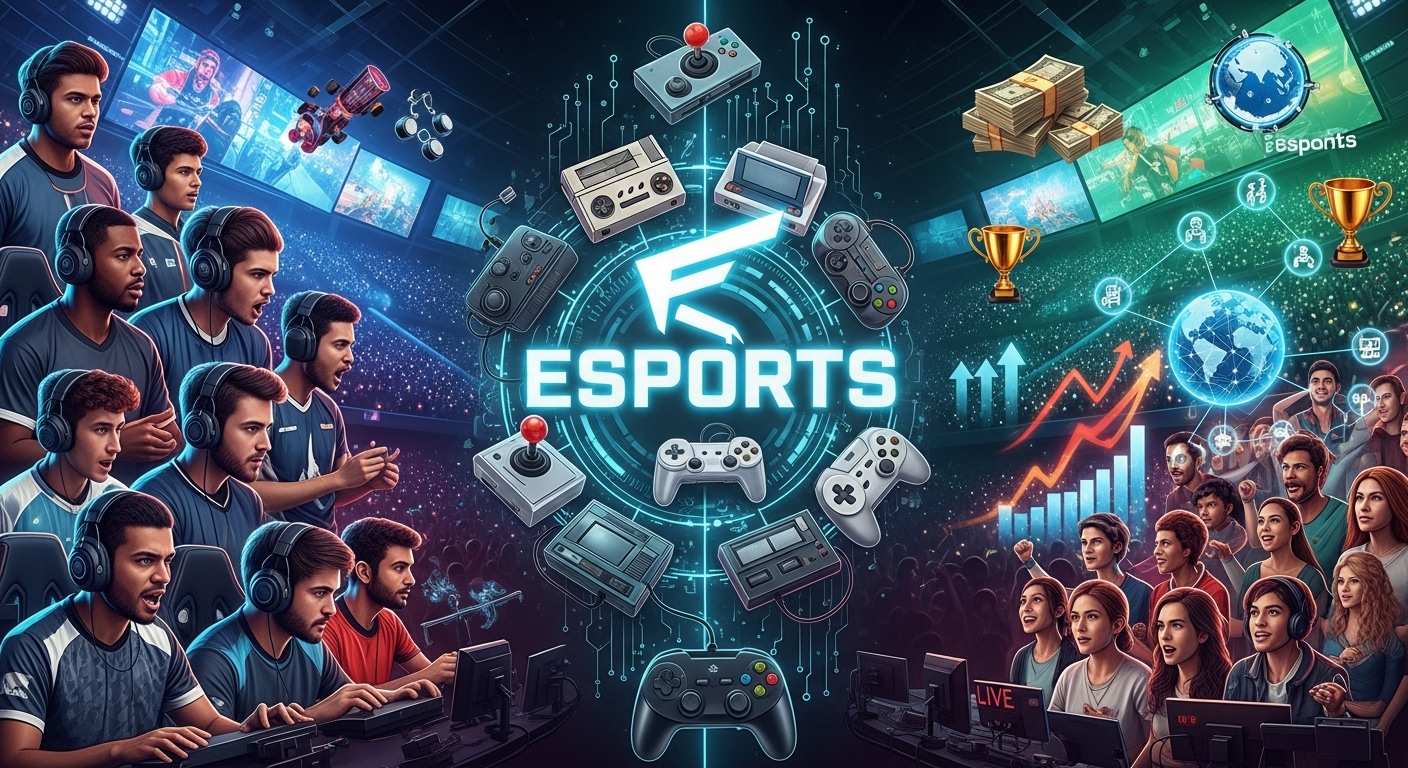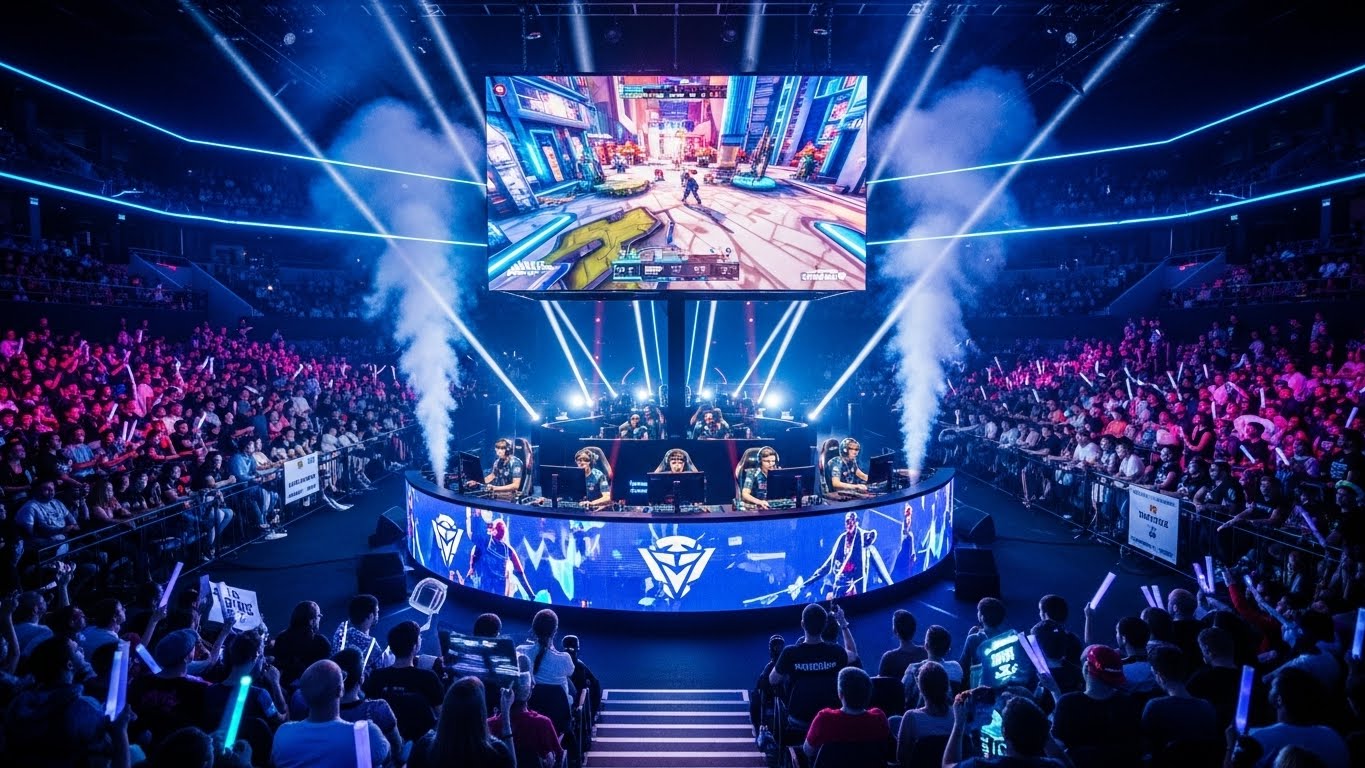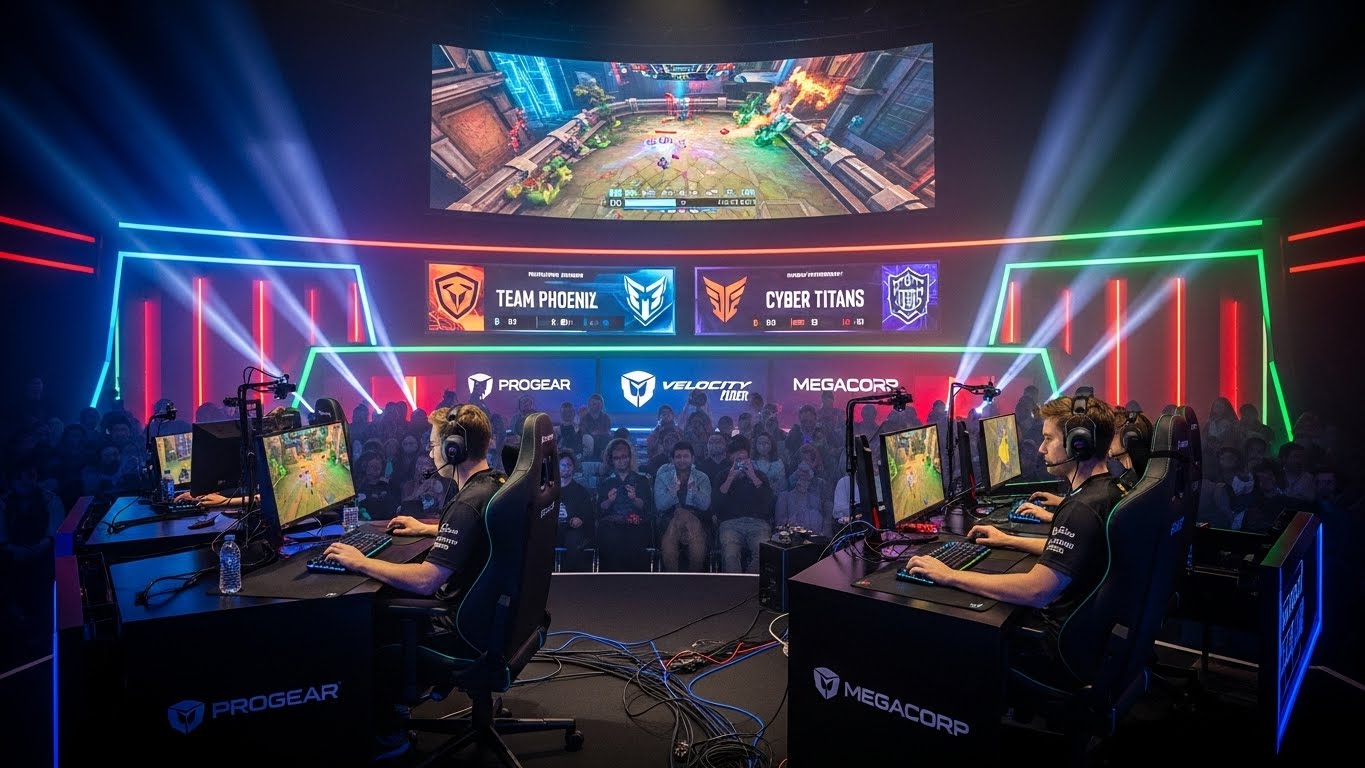
Esports has rapidly evolved from a casual pastime into one of the most influential industries in the modern world. What was once limited to small groups of gamers competing for fun has now become a global spectacle, attracting millions of viewers, professional athletes, and major investments. Esports is no longer just about playing games; it represents a cultural shift in how competition, entertainment, and technology intersect. This blog explores the journey of esports, its impact on society, and the future it continues to shape.
The Meaning and Essence of Esports
Esports, short for electronic sports, refers to organized competitive video gaming where individuals or teams compete under structured rules. Unlike casual gaming, esports involves professional training, coaching, strategic planning, and high-stakes tournaments. Players are expected to demonstrate exceptional reflexes, tactical thinking, teamwork, and mental resilience.
Esports titles span various genres, including strategy-based games, shooting games, sports simulations, and battle arenas. Each game requires a unique skill set, making esports a diverse competitive field. This variety has allowed esports to appeal to a wide audience, bridging gaps between cultures, age groups, and regions.
The Early Days of Competitive Gaming
The foundation of esports was laid during the early era of video games when players competed locally in arcades and gaming centers. These early competitions were informal but sparked a competitive spirit that would later define esports. As home consoles and personal computers became more accessible, gaming communities grew stronger and more connected.
The expansion of the internet marked a turning point. Online multiplayer gaming enabled players from different locations to compete, transforming gaming into a shared global experience. Organized tournaments began to emerge, gradually gaining recognition and legitimacy. These early milestones paved the way for esports to become a professional industry.
Technology as the Backbone of Esports
Technology has been the driving force behind esports’ growth. High-speed internet, powerful gaming hardware, and advanced software have enabled seamless competitive play. Streaming technology revolutionized how audiences consume esports, allowing fans to watch live matches, interact with players, and follow tournaments in real time.
Broadcasting innovations such as live commentary, real-time statistics, and immersive visuals have enhanced the viewing experience. Technology not only supports gameplay but also shapes how esports is produced, marketed, and experienced globally. Without continuous technological advancement, esports would not have achieved its current scale.
The Rise of Professional Esports Players
Professional esports players are elite competitors who dedicate years to mastering their chosen games. Their daily routines often include hours of practice, strategy development, team coordination, and mental conditioning. Success in esports demands more than fast reactions; it requires adaptability, communication, and strategic foresight.
Many players join professional teams that provide structured environments, including coaches, analysts, and support staff. These teams function similarly to traditional sports organizations, emphasizing discipline and performance. As a result, esports athletes are increasingly recognized for their professionalism and dedication.
Mental Strength and Performance Pressure
Esports places significant mental demands on players. High-pressure matches, intense competition, and public scrutiny can impact mental well-being. Players must maintain focus for extended periods while making split-second decisions that can determine the outcome of a match.
To address these challenges, teams are prioritizing mental health and balance. Training programs now often include physical exercise, rest schedules, and psychological support. This shift reflects a growing understanding that long-term success in esports depends on both mental and physical resilience.
Esports as a Global Cultural Phenomenon
Esports has become a powerful cultural movement, particularly among younger generations. It influences fashion, language, music, and online communities. Fans identify strongly with their favorite teams and players, creating vibrant digital cultures centered around competition and shared passion.
This cultural influence extends beyond entertainment. Esports events bring together diverse audiences, fostering global connections and cultural exchange. The shared excitement of competition transcends borders, making esports a unifying force in the digital age.
Economic Growth and Industry Expansion
The esports industry has experienced remarkable economic growth. Revenue streams include sponsorships, advertising, merchandise, event ticket sales, and media rights. Major companies have recognized the value of esports audiences, leading to increased investment and industry expansion.
Beyond professional players, esports supports a wide range of careers. Coaches, commentators, event organizers, graphic designers, and content creators all contribute to the ecosystem. This diversity of roles highlights esports as a sustainable industry with long-term economic potential.
Education and Career Opportunities in Esports
Esports has found a place within educational institutions. Schools and universities are offering esports programs, competitive teams, and academic pathways related to gaming, technology, and media. These initiatives help legitimize esports while providing students with valuable skills.
Through esports, students develop teamwork, leadership, problem-solving, and digital literacy. Career opportunities extend beyond playing, including game development, event management, broadcasting, and marketing. Esports education reflects the industry’s growing influence and relevance.
Esports and Traditional Sports Comparison
Esports is often compared to traditional sports, and while the formats differ, the core principles are similar. Both involve competition, structured rules, training, teamwork, and fan engagement. Esports emphasizes mental agility and strategic thinking, while traditional sports focus more on physical performance.
This comparison highlights the evolving definition of sport in a digital era. Esports challenges conventional perceptions and expands the understanding of athleticism. As acceptance grows, esports continues to earn recognition alongside traditional sporting disciplines.
Challenges and Ethical Considerations
Despite its success, esports faces challenges that must be addressed for sustainable growth. Issues such as player burnout, lack of standardized regulations, cheating, and unequal opportunities remain concerns. Rapid industry expansion can sometimes outpace governance and ethical frameworks.
Inclusivity is another important consideration. Ensuring equal access and representation across genders and regions is essential. Addressing these challenges requires collaboration between developers, organizations, and the community to protect the integrity of esports.
The Future of Esports Innovation
The future of esports holds immense promise. Advancements in virtual reality, artificial intelligence, and immersive technologies may redefine how games are played and experienced. Competitive formats will continue to evolve, offering new ways for players and fans to engage.
Esports is also expected to integrate further with mainstream entertainment and global sporting events. As audiences grow and technology advances, esports will continue pushing the boundaries of digital competition and creativity.
Esports as a Reflection of the Digital Age
Esports represents the changing nature of competition in a technology-driven world. It reflects how digital platforms can create meaningful experiences, careers, and communities. Esports is not just about winning matches; it is about innovation, collaboration, and cultural expression.
By blending technology, skill, and storytelling, esports captures the spirit of modern entertainment. It shows how passion and dedication can thrive in virtual arenas just as they do in physical ones.
Conclusion: A New Era of Competitive Excellence
Esports has transformed from a niche hobby into a global phenomenon that continues to redefine competition and entertainment. Its influence spans culture, economy, education, and technology, making it one of the most dynamic industries of the modern era.
As esports continues to grow, it will inspire new generations of players, creators, and fans. The digital arenas of esports represent more than games; they symbolize opportunity, innovation, and the future of competitive excellence. The journey of esports is still unfolding, and its impact on the world is only beginning.