Introduction: The Explosion of Esports
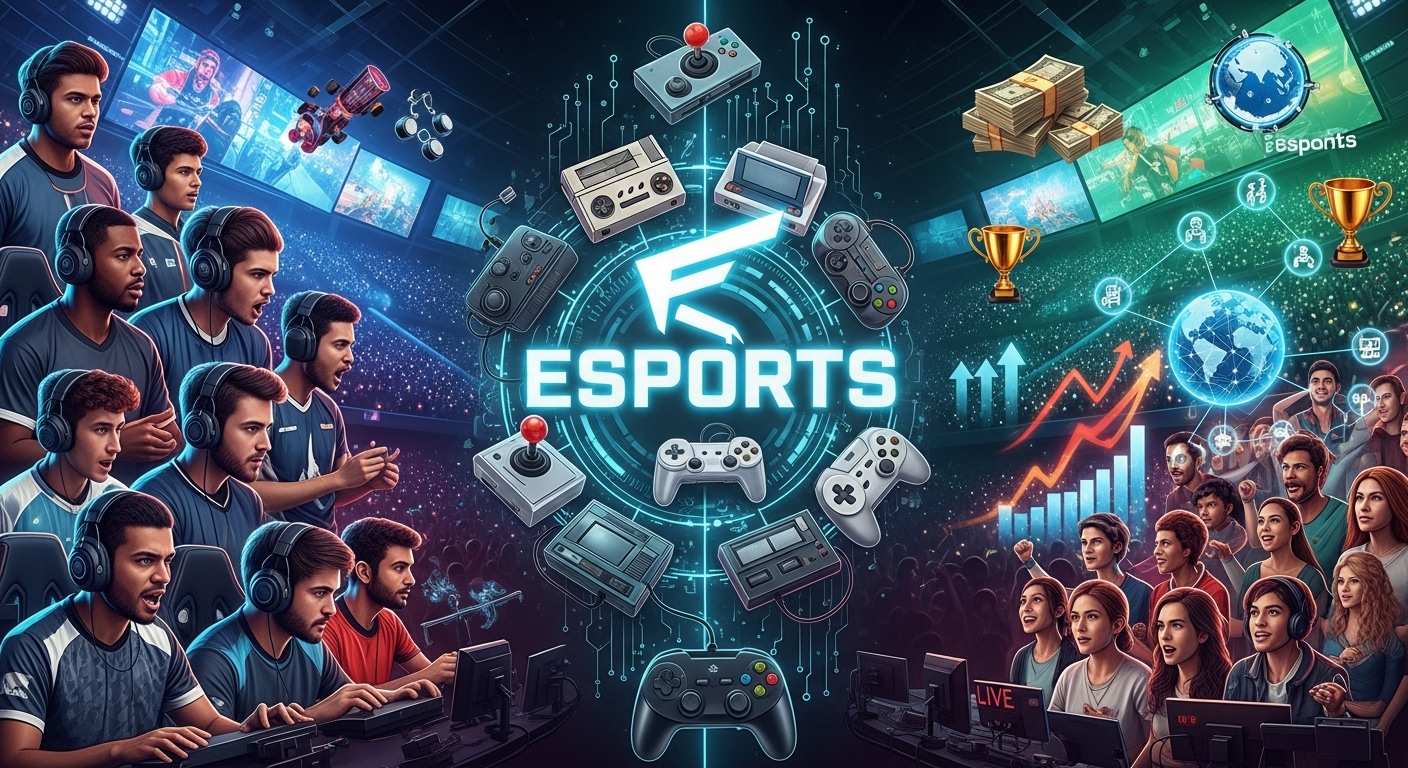
Esports has rapidly transitioned from a niche hobby into a global cultural force. From local gaming tournaments to massive international competitions, competitive gaming has taken the world by storm. Millions of people worldwide now watch esports events, follow professional players, and participate in tournaments themselves. But how did esports grow from a casual pastime to a billion-dollar industry?
What Defines Esports?
At its core, esports refers to competitive video gaming, where players or teams compete against each other for recognition, glory, and cash prizes. Unlike casual gaming, esports is structured with organized leagues, tournaments, and a professional atmosphere. Games like League of Legends, Counter-Strike: Global Offensive, Fortnite, and Dota 2 are some of the most popular titles played professionally. The genre diversity in esports is vast, including everything from first-person shooters (FPS) to multiplayer online battle arena (MOBA) games, which all contribute to the growing appeal of competitive gaming.
Esports Players: The New Athletes
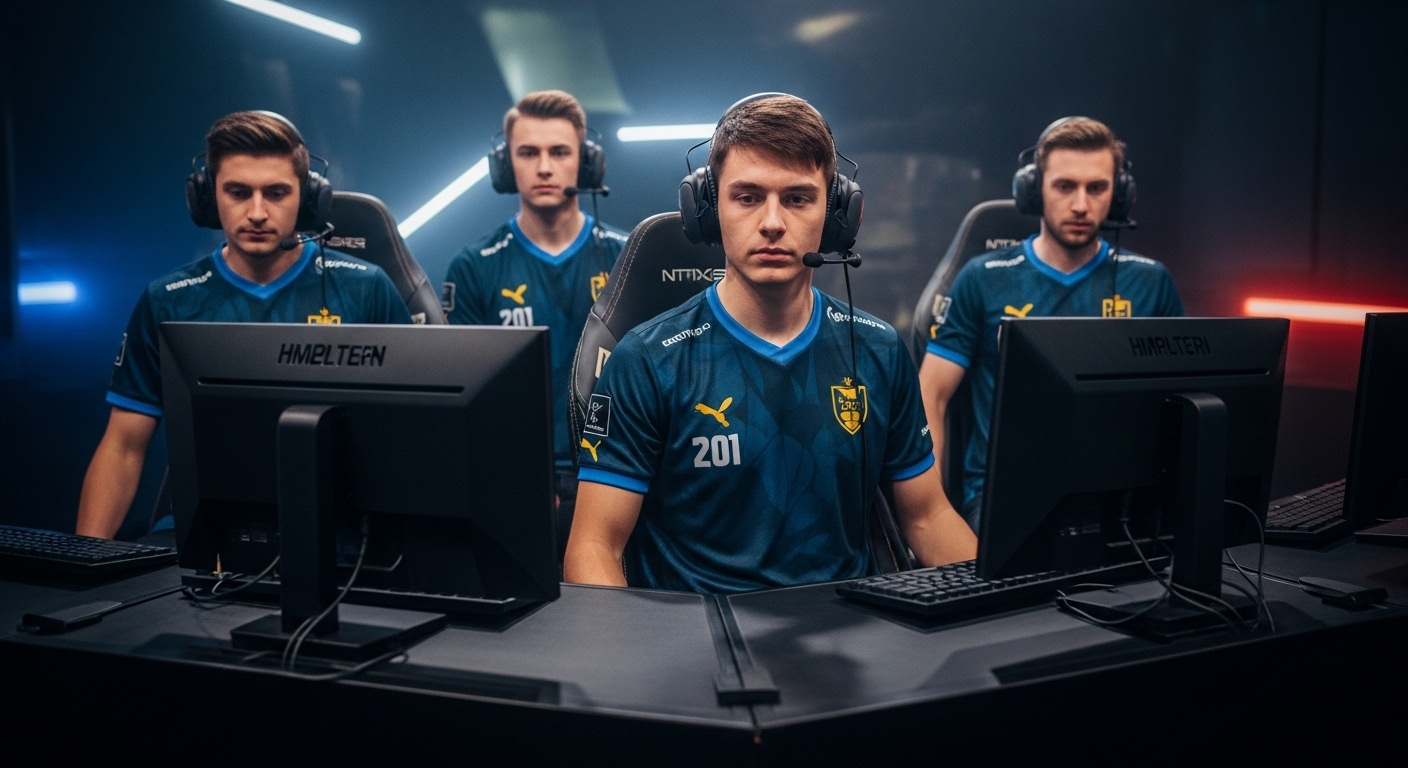
Esports players are more than just gamers; they are athletes in a rapidly emerging digital sport. Professional esports players dedicate their lives to perfecting their skills, often training for hours a day. The competition is fierce, and players must master not only in-game mechanics but also mental focus, teamwork, and strategic planning. Like traditional sports, esports athletes frequently work with coaches, analysts, and even psychologists to improve their performance. Their goal is to gain an edge over opponents, whether it’s through practice, strategy, or understanding the nuances of the game.
Tournaments and Spectatorship: A Global Spectacle
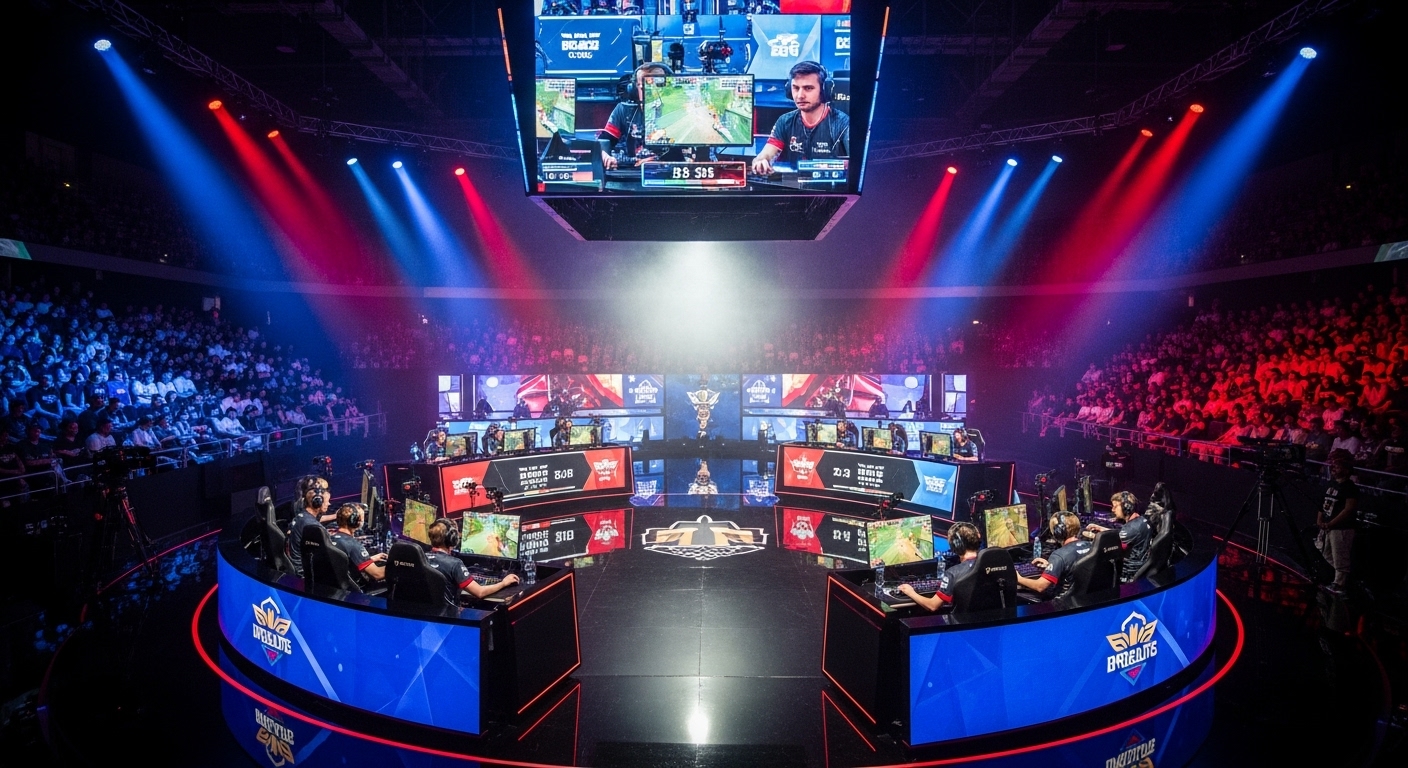
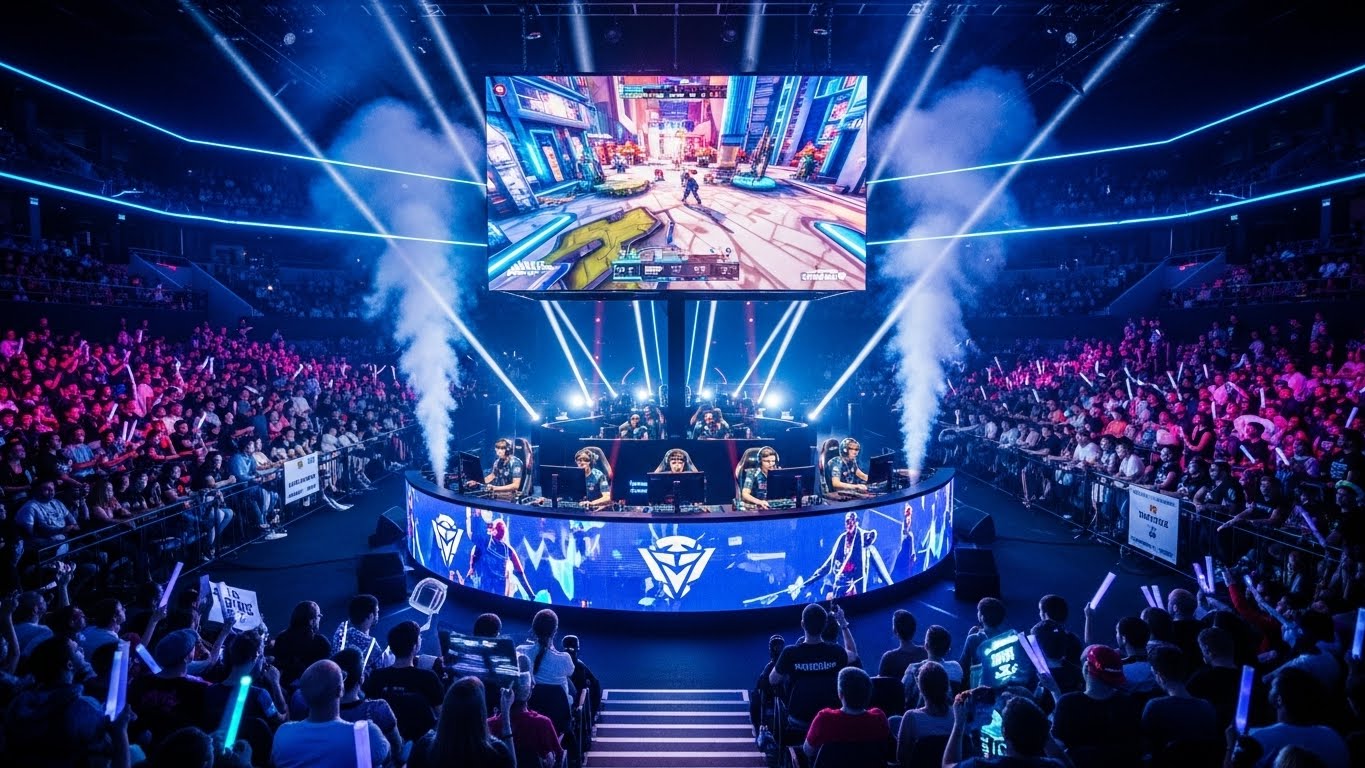
Esports tournaments are grand spectacles in their own right. Large events such as The International (Dota 2), League of Legends World Championship, and Fortnite World Cup attract not just players but huge audiences as well. These events are held in massive stadiums, with live crowds cheering on their favorite players and teams. Millions more tune in via streaming platforms like Twitch and YouTube, watching the action unfold in real-time. The excitement surrounding these events mirrors that of any other major sports competition, with prize pools often reaching into the millions of dollars.
The Rise of Esports Streaming and Content Creation
One of the most influential factors in the rise of esports has been the growth of streaming platforms, primarily Twitch, YouTube, and Facebook Gaming. These platforms allow players to broadcast their gameplay live, interact with viewers, and build large, dedicated fanbases. Streamers have become celebrities in their own right, influencing game choices, trends, and even culture. Their ability to engage with audiences in real-time is a key factor that sets esports apart from traditional sports. Fans aren’t just watching a match—they’re engaging in a dialogue with their favorite players.
The Business of Esports: Big Money, Big Investments
Esports has attracted massive investments from corporations and traditional sports teams alike. Sponsorship deals, media rights, and merchandise sales have helped esports evolve into a billion-dollar industry. High-profile brands, such as Coca-Cola, Intel, and Red Bull, have partnered with esports organizations, further legitimizing the sector as a mainstream business. The growth of esports also means more opportunities for teams, players, content creators, and event organizers to profit from this new form of entertainment.
Esports and Education: Building Future Talent
As esports continues to grow, educational institutions have recognized its potential to teach valuable skills. Many universities now offer esports programs, with scholarships and specialized courses to develop future professionals in gaming, business, and broadcasting. Competitive gaming is increasingly seen as a legitimate career path, with the demand for skilled players, analysts, coaches, and content creators rising. Esports’ integration into education is not just about gaming—it’s about fostering teamwork, critical thinking, and digital literacy, skills that can be applied beyond the gaming world.
Challenges and Controversies in Esports
While esports enjoys rapid growth, it faces its share of challenges. Issues like player burnout, game addiction, toxic behavior within online communities, and the lack of regulation are persistent problems. Unlike traditional sports, where there are clear physical and mental health guidelines, esports is still navigating these complexities. The industry has made strides in addressing these issues by implementing better player support systems, promoting healthier lifestyles, and working to create a more inclusive, respectful environment for all involved.
The Future of Esports: Boundless Potential
Looking to the future, esports shows no signs of slowing down. With technology advancing, the potential for virtual reality (VR) and augmented reality (AR) in esports is huge. These technologies could completely redefine how games are played and experienced by both players and viewers. Moreover, the crossover between esports and traditional sports could grow even stronger, with more sports teams investing in esports franchises and leagues. The growth of mobile esports and the increasing popularity of mobile games like PUBG Mobile and Free Fire also suggest that the future of esports is not limited to just PC or console gaming.
Conclusion: A New Era of Entertainment
Esports has evolved into much more than just a pastime—it’s a new era of entertainment. Combining skill, strategy, and community, esports offers a dynamic, thrilling experience for both players and fans. With its rapid growth and expanding global reach, esports is poised to become a central part of the entertainment landscape for years to come. The future looks bright for this digital revolution, and its influence will likely continue to shape the way we think about competition, media, and even culture.