Introduction: Esports in the Modern World
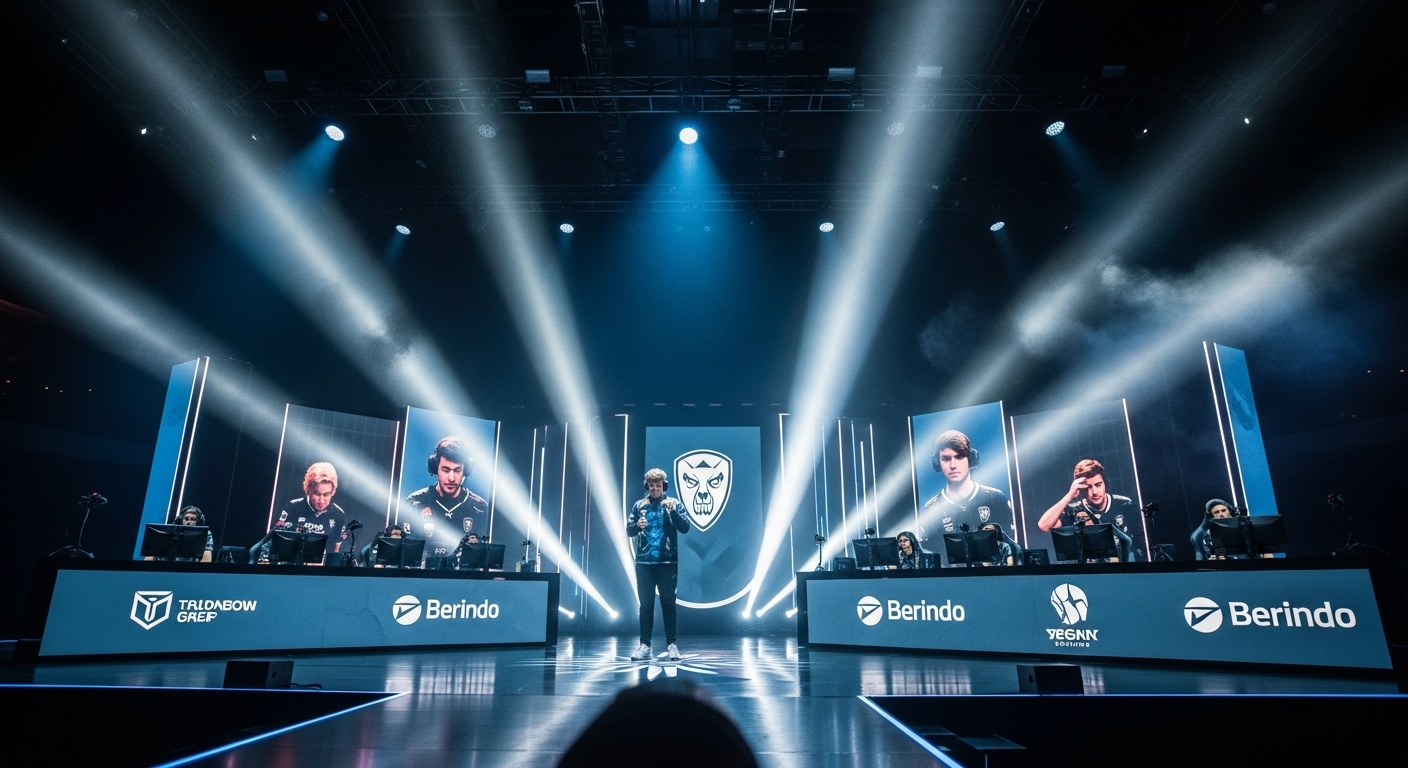
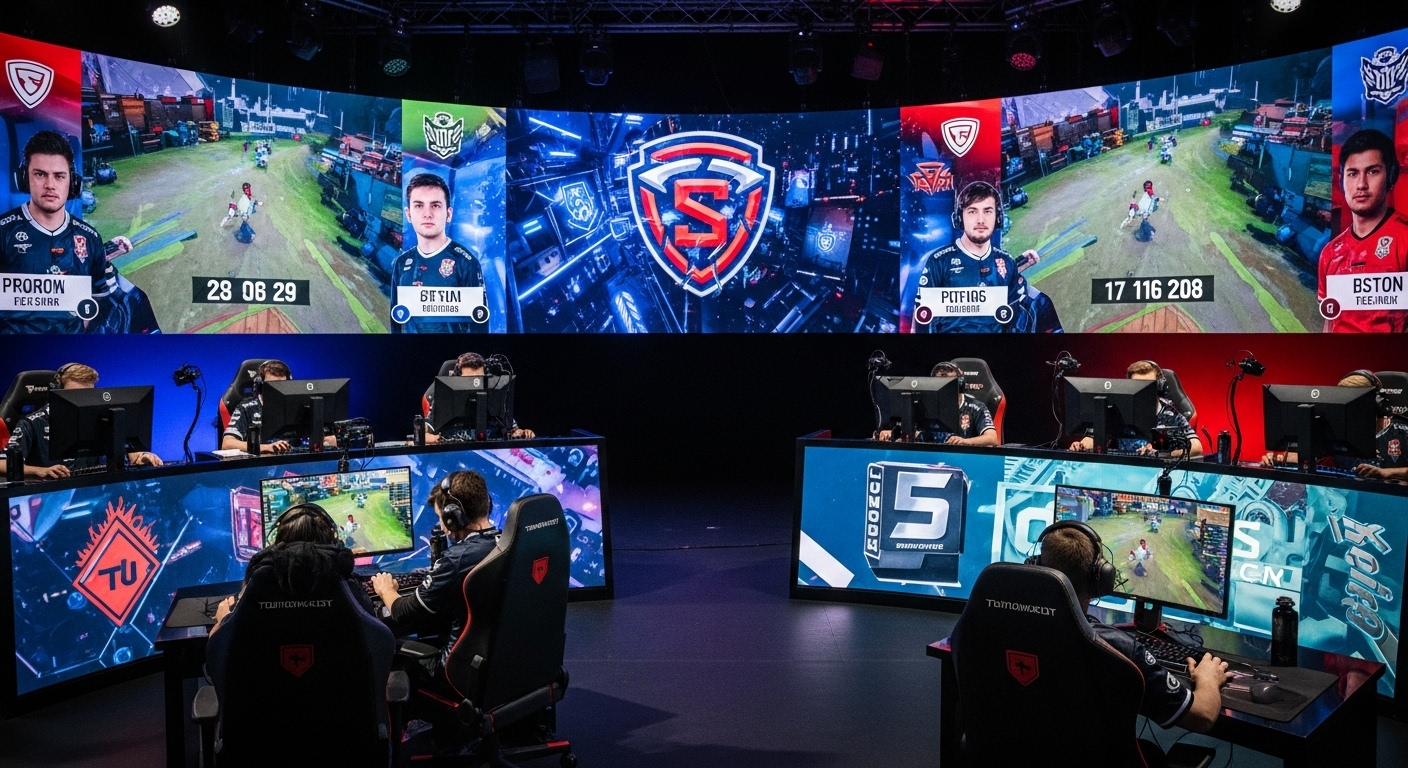
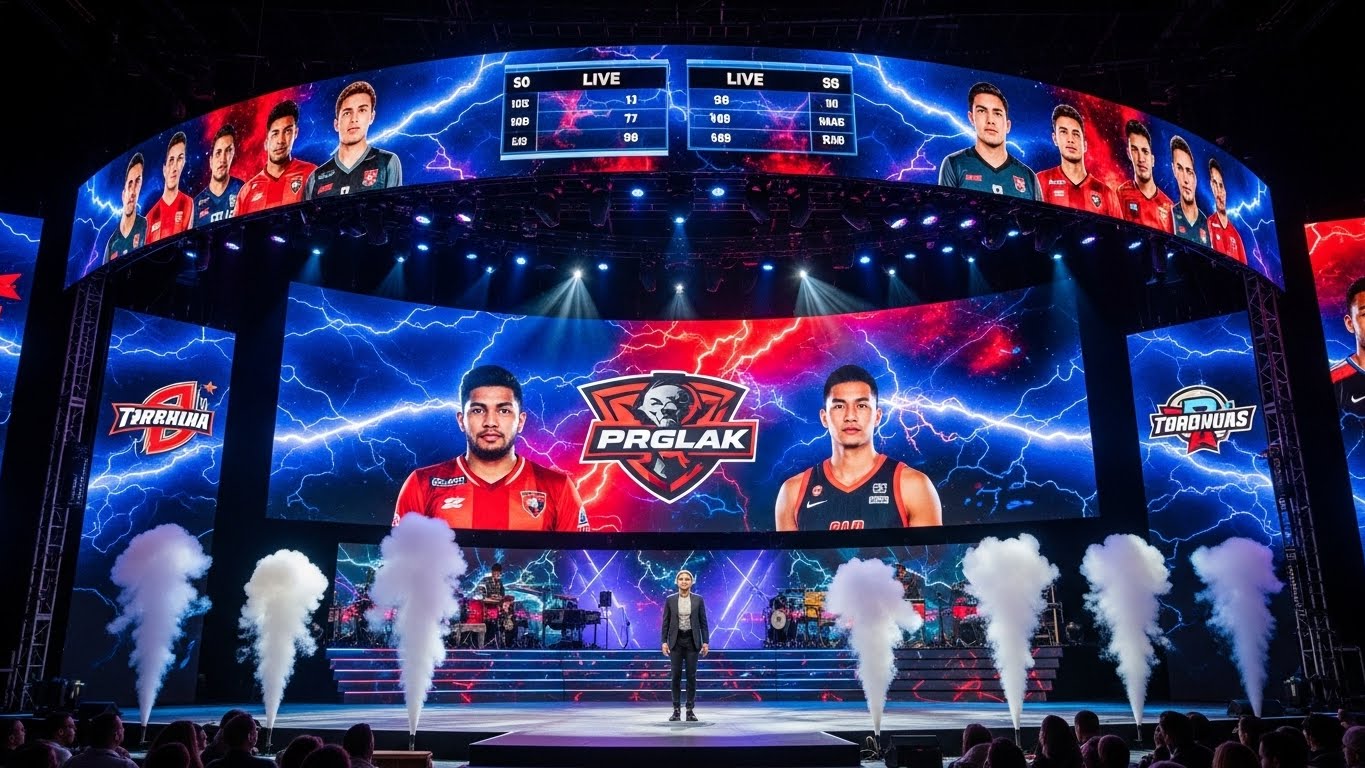
Esports, short for electronic sports, has emerged as one of the fastest-growing entertainment industries in the world. What began as a niche hobby for gamers has transformed into a professional, multi-billion-dollar industry, captivating millions of viewers and participants globally. From casual tournaments to professional leagues with massive prize pools, esports combines technology, competition, and entertainment in ways that were once unimaginable. This blog explores the evolution of esports, the types of games involved, the role of technology, the psychology of competitive gaming, its cultural impact, and the future of this dynamic industry.
The Origins of Esports
The roots of esports trace back to the early 1970s and 1980s, when competitive video game tournaments began to emerge. Early arcade competitions and small-scale local events gave players the opportunity to demonstrate their skills. Titles such as Space Invaders, Pac-Man, and Street Fighter laid the foundation for competitive gaming culture. The advent of online multiplayer games in the 1990s, including Counter-Strike, StarCraft, and Quake, expanded the reach of esports, allowing players from different regions to compete virtually. These developments marked the beginning of a movement that would grow into a global phenomenon, merging gaming, community, and competition.
The Evolution of Esports as a Professional Industry
Over the past two decades, esports has evolved from grassroots competitions to fully professionalized leagues. Today, esports organizations operate like traditional sports franchises, with dedicated training facilities, coaches, nutritionists, and marketing teams. Major esports titles such as League of Legends, Dota 2, and Call of Duty host international tournaments with audiences in the millions and prize pools reaching millions of dollars. Sponsorship deals, advertising, merchandising, and media rights have turned esports into a lucrative industry. Professional players are recognized as athletes, and esports careers now extend beyond playing to roles in broadcasting, coaching, team management, and content creation.
Popular Esports Game Genres
Esports spans multiple game genres, each requiring unique skills and strategies. Multiplayer online battle arena games, commonly known as MOBAs, such as League of Legends and Dota 2, emphasize teamwork, strategic planning, and individual skill. First-person shooters like Counter-Strike: Global Offensive and Valorant test reflexes, aim precision, and tactical awareness. Real-time strategy games such as StarCraft II focus on decision-making, resource management, and long-term planning. Fighting games like Street Fighter and Tekken showcase one-on-one skill and reaction speed. Sports simulation titles, including FIFA and NBA 2K, replicate real-world sports dynamics and appeal to fans of traditional athletics. This diversity of genres ensures that esports attracts players and audiences with varying interests and strengths.
The Role of Technology in Esports
Technology is the backbone of esports. High-speed internet, powerful gaming hardware, and streaming platforms have made competitive gaming accessible to a global audience. Advanced graphics, precise input devices, and low-latency connections enhance player performance and audience enjoyment. Streaming technology allows tournaments to be broadcast live to millions of viewers, while sophisticated analytics tools help players refine strategies and improve performance. Artificial intelligence and data analysis also play a role in scouting talent, understanding player behavior, and optimizing team dynamics. Without technology, esports as we know it today would not be possible.
The Psychology of Competitive Gaming
Competitive gaming is not just about skill—it requires mental resilience, focus, and strategic thinking. Esports athletes train intensively to develop cognitive and motor skills, often practicing for several hours a day. Mental toughness is crucial in high-pressure situations, especially during live tournaments with large audiences and substantial prize money. Team-based esports require communication, trust, and collaboration, as players must synchronize strategies in real time. Understanding the psychology of players also helps teams and coaches improve performance, manage stress, and foster a positive competitive environment.
Esports and Global Communities
One of the most remarkable aspects of esports is its ability to connect people across the world. Online tournaments and streaming platforms create global communities where fans can interact, share strategies, and celebrate achievements. Social media and community forums further strengthen connections among players, fans, and teams. Esports events attract diverse audiences, bridging cultural, linguistic, and geographic boundaries. This global connectivity has made esports not just a form of entertainment but also a cultural movement, fostering friendships, collaborations, and international recognition.
The Economic Impact of Esports
Esports has evolved into a major economic force, contributing billions of dollars to the global economy. Revenue streams include tournament prize money, sponsorship deals, advertising, merchandise, and media rights. Esports organizations operate professionally, investing in talent development, marketing, and infrastructure. Streaming platforms generate advertising revenue while providing opportunities for content creators to monetize their gameplay. Esports has also inspired career opportunities in coaching, event management, game development, journalism, and broadcasting. The financial growth of esports reflects its increasing legitimacy and influence within both the gaming and entertainment industries.
Esports and Education
Esports is increasingly recognized for its educational value. Universities and schools around the world are establishing esports programs, offering scholarships and academic pathways for students. These programs teach skills such as teamwork, strategic thinking, communication, and leadership. Players learn to manage time, set goals, and handle high-pressure situations. Educational esports programs also create pathways for careers in gaming, technology, and media. By integrating esports into education, institutions are acknowledging the skills and opportunities that competitive gaming can provide beyond entertainment.
Diversity and Inclusion in Esports
While esports has grown rapidly, the industry faces ongoing challenges related to diversity and inclusion. Efforts are being made to increase participation among women, underrepresented communities, and players from developing regions. Promoting fair play, inclusivity, and accessibility is crucial for the long-term sustainability of esports. Organizations are introducing initiatives such as mentorship programs, inclusive tournaments, and awareness campaigns to address these challenges. Building a diverse esports ecosystem not only enhances competitiveness but also strengthens community and broadens the appeal of competitive gaming worldwide.
Health and Well-being in Esports
Professional esports athletes face unique physical and mental challenges. Long hours of practice, repetitive movements, and high-stress environments can lead to physical strain, eye fatigue, and burnout. Teams now employ coaches, physical trainers, and mental health professionals to ensure the well-being of their players. Regular exercise, proper nutrition, mental resilience training, and structured schedules are becoming standard practices. Prioritizing health and well-being is essential for maintaining peak performance and extending the careers of esports athletes.
The Future of Esports
The future of esports is poised for further growth and innovation. Advancements in virtual reality and augmented reality promise more immersive experiences for both players and spectators. Global expansion into new markets will increase participation and viewership. Integration with traditional sports and entertainment, such as collaborations with music, film, and media franchises, will create hybrid experiences that attract broader audiences. Technology will continue to enhance gameplay, streaming quality, and fan engagement. The recognition of esports as a legitimate sport and career pathway will continue to expand, solidifying its place in the global cultural landscape.
Conclusion: Esports as a Cultural and Professional Phenomenon
Esports has transformed from a niche pastime into a global industry that combines technology, competition, and community. Its impact spans entertainment, economics, education, and culture. Professional leagues, international tournaments, and streaming platforms have elevated esports to a level comparable to traditional sports. Players are recognized as athletes, teams operate as professional organizations, and fans form passionate global communities. As technology and creativity continue to advance, esports will only grow in influence, offering opportunities for competition, learning, and connection. Esports represents a new era of interactive entertainment, where digital competition and human skill converge to create a dynamic, inclusive, and thriving industry.