Introduction: The New Frontier of Competitive Gaming
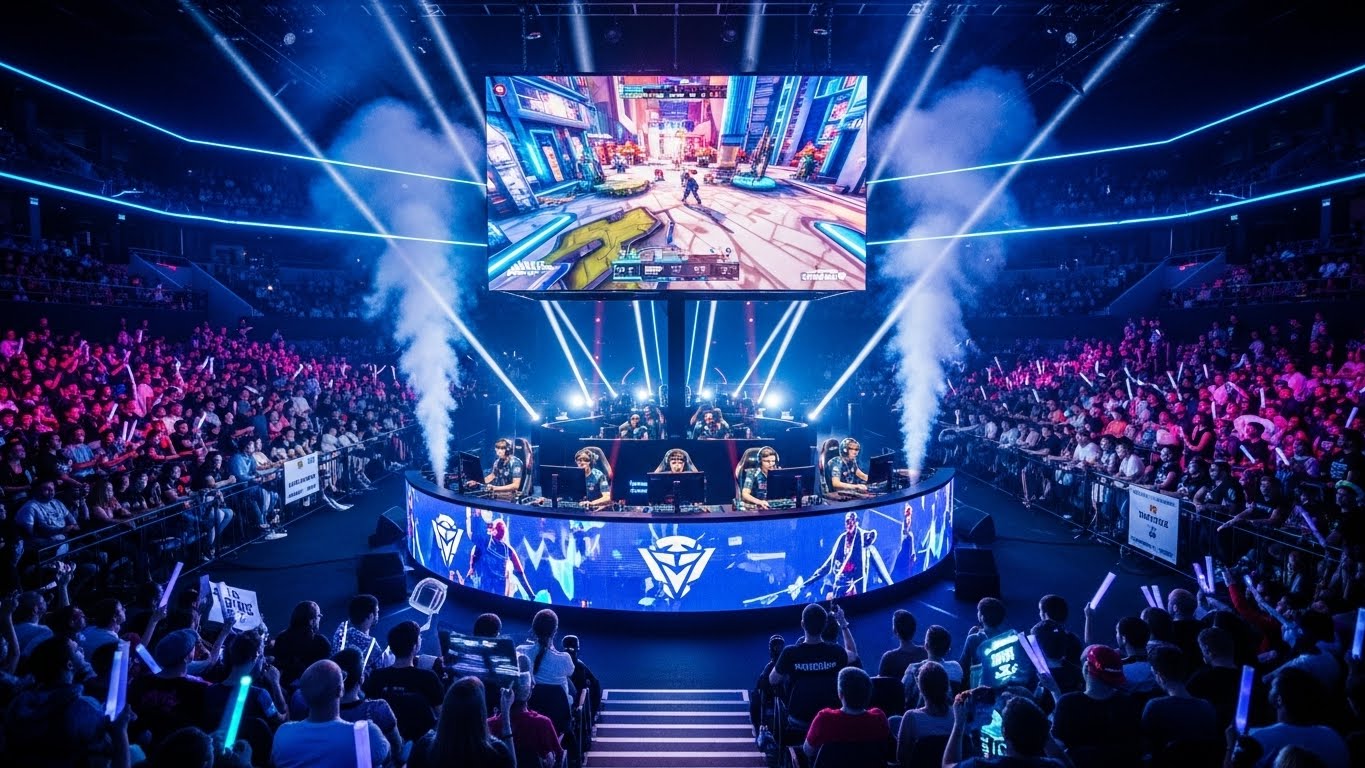
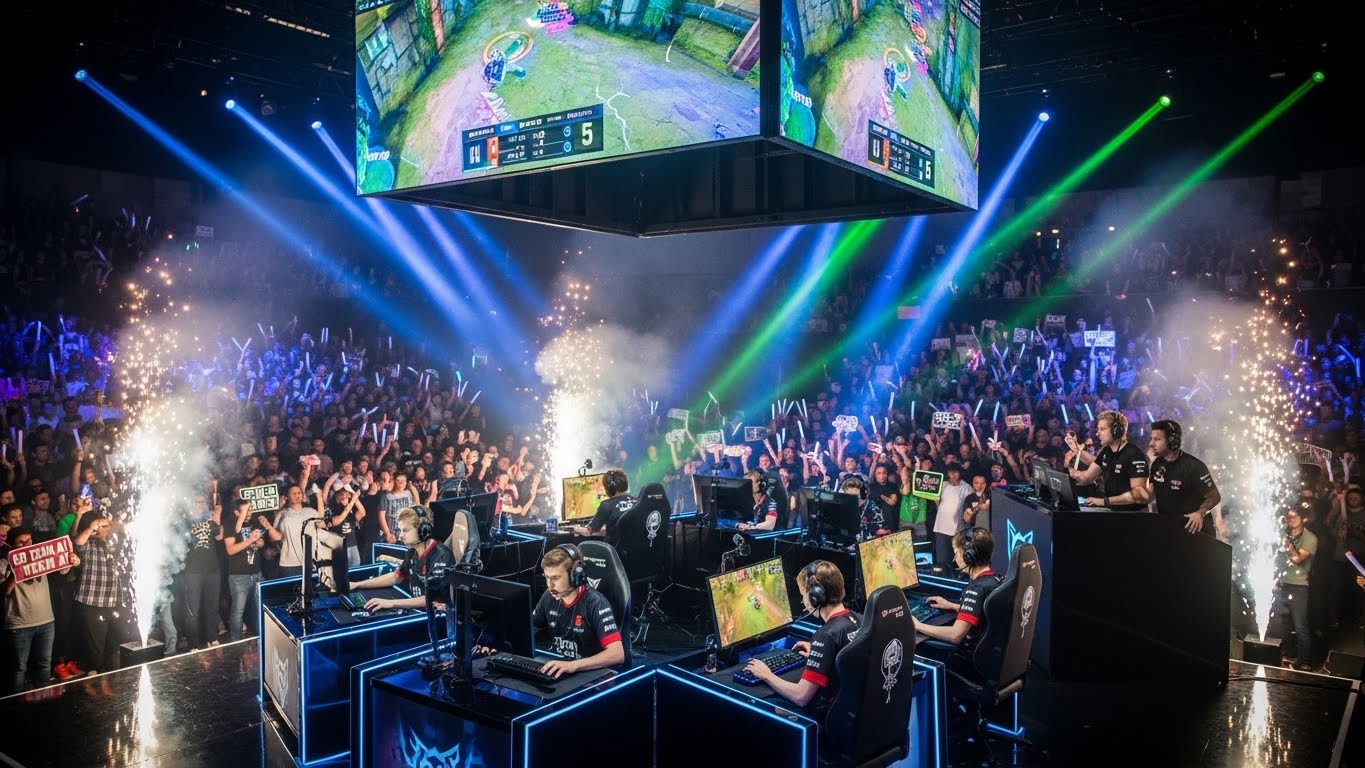
Esports, once considered a niche hobby among a handful of gaming enthusiasts, has emerged as a global phenomenon that captivates millions of players and spectators alike. What started as casual competitions in arcades and local gaming centers has transformed into a professional industry with organized leagues, professional teams, global tournaments, and lucrative sponsorship deals. Esports is no longer just about playing video games; it has become a cultural movement, an entertainment powerhouse, and a legitimate career path for countless individuals worldwide. This blog explores the rise of esports, its ecosystem, economic impact, cultural significance, and the exciting future that lies ahead.
The Origins of Esports: From Basements to Local Arenas
The seeds of competitive gaming were planted long before the term “esports” existed. In the early 1980s and 1990s, video game competitions began to appear in arcades and college campuses. Players competed in games such as Pac-Man, Street Fighter, and Space Invaders, with prizes often limited to small trophies or local recognition. The idea of organized tournaments started gaining traction with events like the Space Invaders Championship in 1980, which attracted thousands of participants and set a precedent for future competitive gaming.
By the late 1990s, games such as Quake and StarCraft began introducing the concept of skill-based competition on a larger scale. Tournaments were organized with cash prizes and public recognition, and the first seeds of professional gaming careers began to take shape. The Red Annihilation tournament for Quake, held in 1997, is often regarded as one of the first major esports events. Players traveled across regions to compete for fame and the coveted prize, highlighting that gaming could be more than just a recreational activity.
The Internet Revolution: Expanding the Reach of Competitive Play
The rise of the internet in the early 2000s was a turning point for esports. Players no longer needed to be in the same physical space to compete. Online multiplayer platforms enabled gamers from around the world to test their skills against one another. This period saw the rise of games like Counter-Strike, Warcraft III, and StarCraft: Brood War, which became staples in the competitive scene. Online tournaments offered a global stage for players and helped foster a growing international community.
South Korea emerged as a trailblazer during this time, particularly with StarCraft, which gained immense popularity and professional leagues. Television broadcasts of professional matches allowed players to achieve celebrity status, and esports began to be recognized as a legitimate form of competition. South Korea’s success provided a model for other countries to follow and demonstrated the potential of esports to attract mass audiences.
Professionalization of Esports: Leagues, Teams, and Sponsorships
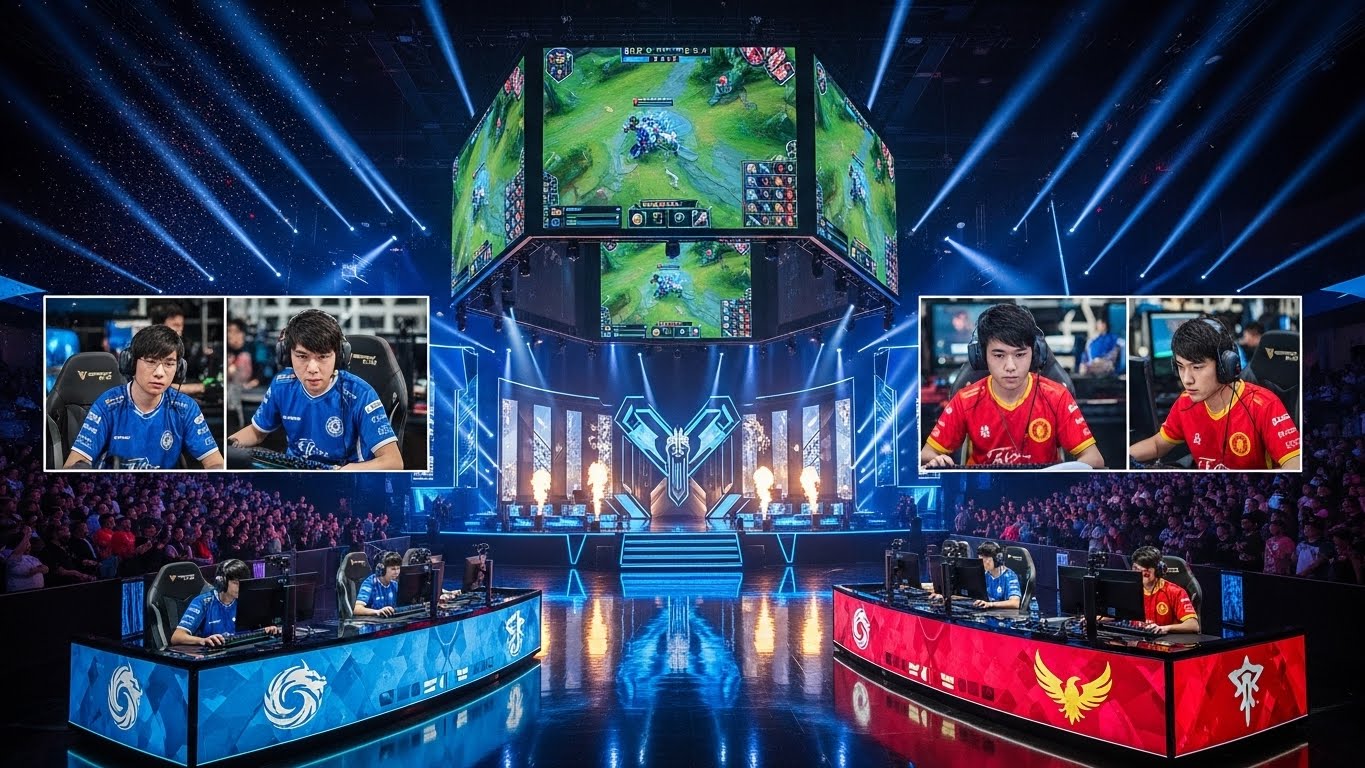
The 2010s marked a crucial period in the professionalization of esports. Game developers started designing titles with competitive play in mind, offering features that enhanced spectator engagement and tournament organization. Games like League of Legends, Dota 2, and Counter-Strike: Global Offensive became pillars of the industry, each with professional leagues, structured teams, and dedicated fanbases.
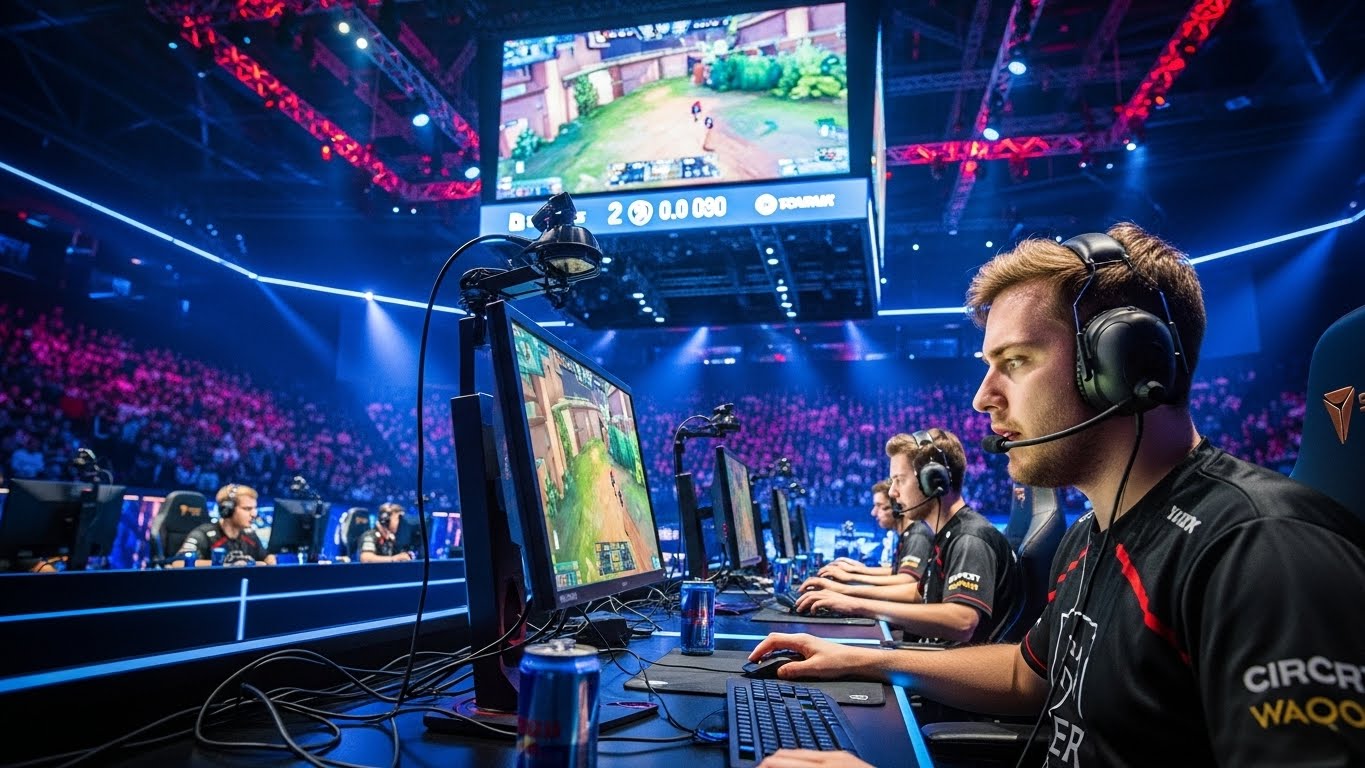
Professional leagues provided infrastructure that allowed players to compete full-time. Salaried positions, coaching, team management, and practice facilities became standard, and players began to be seen as professional athletes. Sponsorships and corporate partnerships further legitimized the industry. Major brands recognized the marketing potential of esports, leading to deals with technology companies, beverage brands, and consumer goods manufacturers. This influx of funding enabled larger tournaments, higher prize pools, and increased production quality, attracting even more fans and players to the ecosystem.
The Esports Ecosystem: Players, Teams, and Fan Culture
At the heart of esports is a complex ecosystem involving players, teams, organizations, and fans. Unlike traditional sports, esports relies on skill, strategy, and quick reflexes rather than physical attributes. This inclusivity has created a diverse pool of professional gamers from different countries, age groups, and backgrounds.
Professional esports teams are composed of players, coaches, analysts, and managers. Coaches focus on strategic development, while analysts study opponents’ gameplay to identify strengths and weaknesses. Managers handle logistical aspects, including travel, sponsorships, and scheduling. Teams themselves are often backed by esports organizations that operate multiple divisions across various games, creating a stable foundation for players to develop their careers.
Fans play a crucial role in the ecosystem. The esports audience is highly engaged, interacting with players through social media, live streams, and fan communities. Unlike traditional sports, esports fans often have direct access to their favorite players, fostering a unique sense of community and loyalty. Merchandise sales, online events, and fan experiences contribute to the culture surrounding competitive gaming, making it a truly interactive form of entertainment.
Streaming Platforms and the Growth of Esports Audiences
One of the biggest catalysts for esports’ popularity has been the rise of streaming platforms. Platforms such as Twitch, YouTube Gaming, and others have revolutionized how gaming content is consumed. Players and teams can stream matches live, engage with fans in real-time, and monetize content through subscriptions, donations, and sponsorships. Streaming has democratized exposure for gamers, allowing talented players to build audiences without necessarily participating in traditional tournaments.
Major esports events are now streamed to millions of viewers worldwide, rivaling traditional sports in terms of live viewership. The accessibility of streaming platforms has also encouraged international participation, allowing fans from countries without professional leagues to watch and support their favorite teams. The live interaction between players and fans enhances engagement, creating a sense of belonging and excitement that extends beyond the games themselves.
Esports as a Career: Opportunities and Challenges
For many, esports has become a viable career path. Top professional players earn substantial incomes from salaries, tournament winnings, streaming, and endorsements. Prize pools for major tournaments often reach millions of dollars, making it possible for players to achieve financial stability while pursuing their passion.
However, a career in esports comes with challenges. The competitive nature of the industry requires rigorous training, focus, and dedication. Players often practice for several hours daily, honing reaction times, strategies, and teamwork. The pressure to perform can lead to mental and physical strain, including repetitive strain injuries and burnout. Many players retire young, transitioning into coaching, management, or content creation to continue their involvement in the industry. Despite these challenges, esports offers unparalleled opportunities for those who are passionate, disciplined, and strategic.
Cultural and Societal Impact of Esports
Esports has extended far beyond the confines of gaming, influencing culture, technology, and society. Globally, esports has created new forms of social interaction, connecting people from diverse backgrounds over shared interests. Fan communities thrive online and offline, organizing viewing parties, fan conventions, and local tournaments.
Education has also embraced esports. Colleges and universities now offer esports scholarships and programs, teaching students about game design, management, and competitive strategies. Schools have started incorporating esports into extracurricular activities, providing young gamers with opportunities to develop teamwork, communication, and leadership skills.
Esports has also driven innovation in technology. High-performance hardware, fast internet connectivity, and advanced broadcasting tools have all been developed and refined to support competitive gaming. Game developers continually innovate, designing titles that prioritize balance, spectator engagement, and competitive depth. This synergy between technology and gaming continues to push the industry forward.
The Future of Esports: Opportunities and Innovation
The future of esports is promising and full of potential. With continued growth in audience size, sponsorship, and mainstream media coverage, esports is on track to become one of the leading forms of entertainment globally. Virtual reality and augmented reality may introduce entirely new forms of competition, while mobile esports continues to expand the accessibility of competitive gaming.
Esports could also intersect with traditional sports in unprecedented ways, including co-hosted events, esports-themed broadcasts, and cross-industry partnerships. Discussions about esports being included in international sporting events, including the Olympics, demonstrate the legitimacy and recognition the industry has earned. The global reach of esports ensures that it will continue to evolve, innovate, and inspire future generations of gamers.
Conclusion: Esports as a Cultural and Competitive Revolution
Esports has transformed from a small hobby into a global phenomenon that touches culture, entertainment, technology, and education. It has created opportunities for professional players, inspired communities, and established itself as a major industry with an ever-growing audience. The journey of esports illustrates how digital platforms and competitive gaming can reshape the way people connect, compete, and entertain themselves.
As esports continues to evolve, its impact will only grow stronger. It represents not just a new form of competition, but a cultural revolution that bridges technology, creativity, and human skill. From its humble beginnings in arcades and basements to the massive global tournaments of today, esports stands as a testament to the power of gaming as both sport and spectacle.