Introduction
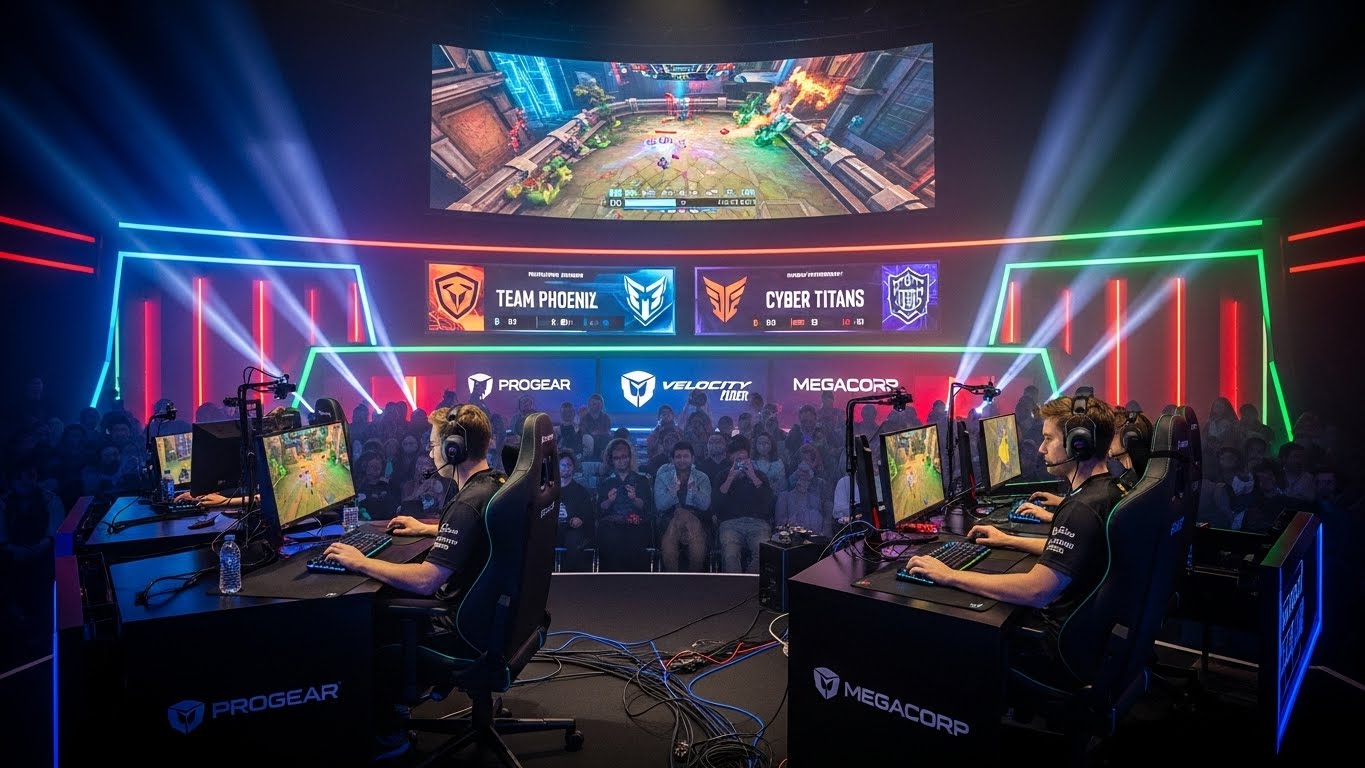
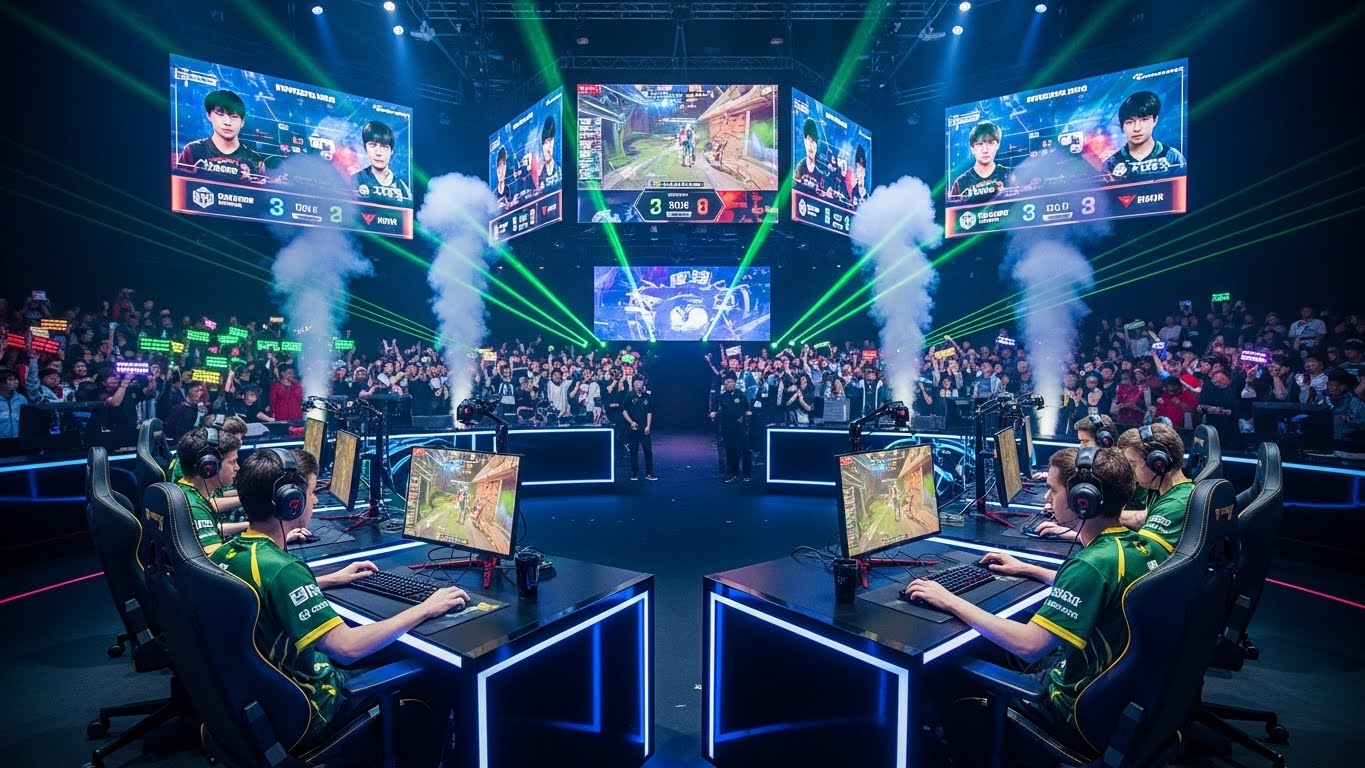
Esports, once considered a niche hobby for gamers, has evolved into a multi-billion-dollar global industry. What started as a way for enthusiasts to showcase their skills in video games has transformed into a competitive spectacle watched by millions worldwide. With professional teams, massive sponsorships, sold-out arenas, and live-streamed tournaments, esports is no longer just for gamers; it’s become a legitimate sport with a massive fanbase, rivaling traditional sports in terms of viewership and revenue generation.
In this blog post, we’ll take a deep dive into the phenomenon of esports, exploring its origins, the evolution of the industry, the key players involved, and what makes esports such a powerful force in the entertainment landscape today.
The Humble Beginnings of Esports
Esports has a long and storied history, with its roots tracing back to the early days of video gaming. The term “electronic sports” refers to the competitive play of video games, typically organized into tournaments or leagues where professional gamers battle for supremacy.
The first recognizable esports event took place in 1972 when Stanford University held a tournament for the game Spacewar. However, the concept of competitive gaming didn’t truly take off until the late 1990s and early 2000s, with the rise of games like StarCraft, Quake, and Warcraft. These games were widely played in LAN (Local Area Network) parties, where players would gather in the same physical space to compete.
The first major international esports tournament was the Red Annihilation tournament for Quake in 1997, which offered a car as the grand prize. This event marked a pivotal moment in esports history, drawing attention to the potential for competitive gaming to become something much larger than casual play.
The Growth of Esports in the 2000s
As broadband internet became more widespread, online gaming started to gain significant traction. Platforms like Battle.net (from Blizzard Entertainment), Steam, and Xbox Live enabled gamers to compete with others across the globe without leaving their homes.
During this time, titles like League of Legends, Counter-Strike, Dota 2, and StarCraft II became cornerstones of competitive gaming. Professional gaming leagues were established, and tournaments such as the World Cyber Games (WCG) and the Electronic Sports World Cup (ESWC) began to emerge as globally recognized events.
One of the most significant developments was the rise of streaming platforms like Twitch. Launched in 2011, Twitch gave gamers and esports fans a way to watch competitive gaming in real time, bringing esports to a larger audience than ever before. With the ability to stream live events, as well as individual players broadcasting their own gameplay, Twitch became the epicenter of esports culture, significantly contributing to its mainstream appeal.
The Structure of Esports Today
Esports today is a highly structured and professional industry, with millions of dollars in sponsorships, salaries, and prizes on the line. It encompasses a wide variety of games, ranging from first-person shooters (FPS) like Call of Duty and Counter-Strike, to multiplayer online battle arena (MOBA) games like League of Legends and Dota 2, to real-time strategy games like StarCraft II.
Competitive Leagues and Tournaments
One of the key components of the esports ecosystem is the competitive league structure. Esports leagues often resemble traditional sports leagues, with teams competing in a regular season and culminating in playoffs or championship tournaments. A prime example of this is the League of Legends Championship Series (LCS), which brings together the best teams from North America and Europe to compete for a chance to qualify for the League of Legends World Championship, one of the most prestigious events in the esports calendar.
Other notable tournaments include The International for Dota 2, The Overwatch League, and CS:GO Major Championships. These tournaments often offer massive prize pools, with The International regularly surpassing $30 million in total prize money, much of which is funded by the community through crowdfunding efforts.
The Teams and Players
Esports has transformed individual gamers into global celebrities. Top players can command salaries and sponsorships on par with those of athletes in traditional sports. Teams, often backed by major brands or organizations, sign players to compete in various leagues, with many teams running extensive training regimens to stay competitive.
Some of the most recognizable esports organizations include Team Liquid, Cloud9, Fnatic, and G2 Esports. These teams often sign players who are known for their exceptional skill in particular games. For example, Lee “Faker” Sang-hyeok, the South Korean League of Legends star, is widely regarded as one of the best esports players of all time. Similarly, Kenny “kennyS” Schrub has built a legacy in Counter-Strike: Global Offensive with his remarkable sharpshooting abilities.
Players in esports are typically full-time professionals, with rigorous training schedules that include practice, strategy meetings, and analyzing past matches. This level of commitment and preparation is comparable to that of traditional athletes in other sports.
Streaming and Content Creation
In addition to participating in competitive events, many esports players and organizations engage in content creation, live streaming, and social media outreach. Platforms like Twitch, YouTube Gaming, and Facebook Gaming have become integral parts of the esports ecosystem, allowing players to connect with fans and build personal brands.
Streaming has become one of the primary ways that esports fans engage with their favorite players, teams, and games. Streamers often broadcast themselves playing games, commentating on matches, or interacting with fans. This has led to the rise of personalities like Ninja (Tyler Blevins), Shroud (Michael Grzesiek), and Pokimane (Imane Anys), who have built massive online followings.
The relationship between esports players and their audiences is unique. Fans often feel deeply connected to the players they watch, and the ability to interact with them in real-time via live streams, social media, and fan events has created a sense of community around esports.
The Economic Impact of Esports
Esports is not just about entertainment; it’s also a highly profitable industry. The global esports market was valued at over $1.1 billion in 2020, with revenues coming from a combination of sponsorships, media rights, merchandise, ticket sales, and crowdfunding.
Major corporations like Coca-Cola, Intel, Red Bull, and Mastercard have entered the esports space as sponsors, offering financial support to tournaments and teams in exchange for brand exposure. Streaming platforms like Twitch and YouTube also generate significant revenue from esports content, further fueling the industry’s growth.
Moreover, esports has become a source of employment for thousands of people, including players, coaches, analysts, broadcasters, tournament organizers, and content creators. The rise of esports has created a new avenue for careers in the gaming and entertainment industries, with universities even offering esports scholarships and programs for aspiring professionals.
The Role of Betting and Fantasy Esports
Another dimension of esports’ economic impact is the growing involvement of betting and fantasy esports. As esports continues to gain mainstream popularity, more people are placing bets on esports matches and tournaments, much like traditional sports betting.
Esports betting has expanded rapidly, with major betting companies like Betway and Unikrn offering odds on popular esports games. Fantasy esports, which mirrors the concept of fantasy football, allows fans to create fantasy teams of esports players and compete for cash prizes based on their performance in tournaments.
These developments have further solidified esports as a major force in the entertainment world, with a unique blend of competitive gaming and gambling.
The Global Appeal of Esports
One of the most remarkable aspects of esports is its global reach. Unlike traditional sports, which are often limited to particular regions or countries, esports has no geographical boundaries. A League of Legends match featuring teams from North America, Europe, and South Korea can be watched by fans across the world, all at the same time.
Esports also transcends language and cultural barriers. Fans from different countries and backgrounds can come together to cheer for their favorite teams and players, united by a shared love of gaming. The international nature of esports is evident in its major tournaments, which attract competitors and fans from every corner of the globe.
The Future of Esports
As esports continues to evolve, its future looks incredibly promising. With advancements in virtual reality (VR), augmented reality (AR), and artificial intelligence (AI), the gaming experience is poised to become even more immersive. New game genres and formats will continue to emerge, expanding the possibilities for esports tournaments.
Moreover, as more traditional sports organizations and media outlets get involved in esports, we can expect to see even more mainstream acceptance and recognition. The Olympic Committee has even explored the possibility of including esports as an official event in the future, a testament to the growing legitimacy of competitive gaming.
Conclusion
Esports is no longer just a niche pastime; it has become a global phenomenon. From humble beginnings in basement tournaments to multi-million-dollar prize pools and worldwide audiences, the rise of esports is a testament to the growing cultural significance of video games. With a diverse and passionate fanbase, a booming economy, and an increasing number of professional opportunities, esports is well on its way to becoming a central pillar of the entertainment landscape for years to come.