Esports, a term once unfamiliar to the mainstream, has become one of the most dynamic and rapidly growing industries in the entertainment world today. From humble beginnings in small LAN parties to massive international tournaments watched by millions of fans, the journey of esports is a testament to the power of technology, community, and competition. But beyond the hype and success stories, esports is reshaping the way we think about competition, sports, and entertainment.
In this blog post, we’ll delve into the exciting world of esports—its origins, current state, key players, and its potential to become a central part of global culture. Whether you’re a seasoned gamer or someone who’s just starting to explore this burgeoning phenomenon, this post will give you an insightful look into why esports is taking over the entertainment world.
Understanding Esports: More Than Just Playing Games
At its core, esports is competitive video gaming. Players, either individually or as part of a team, compete in video games in organized tournaments and leagues, often with substantial prize money and sponsorships. While anyone can play video games casually, esports takes it a step further by turning gaming into a professional, spectator sport.
What distinguishes esports from casual gaming is the level of skill, strategy, and teamwork required. Professional players spend hours every day practicing, studying their opponents, and refining their skills. In many ways, this mirrors the dedication and discipline seen in traditional sports like football, basketball, or soccer. The best players are not just good at the games they play; they are masters of their craft, constantly pushing the boundaries of what’s possible within the virtual worlds they inhabit.
Esports covers a wide variety of game genres, each with its own dedicated fan base and competitive structure. Some of the most popular game categories include:
- MOBA (Multiplayer Online Battle Arena) – Games like League of Legends and Dota 2 are the giants of the genre, requiring players to use strategy and teamwork to outsmart and outmaneuver their opponents.
- FPS (First-Person Shooter) – Games like Counter-Strike: Global Offensive, Call of Duty, and Overwatch demand fast reflexes, precision aiming, and strategic gameplay, often with high-intensity team-based objectives.
- RTS (Real-Time Strategy) – Games like StarCraft II and Warcraft III are all about managing resources, constructing bases, and controlling large armies in real-time.
- Battle Royale – Titles like Fortnite, PUBG, and Apex Legends have taken over the gaming world, where players fight to be the last one standing in a shrinking play zone.
These games have become the backbone of the esports ecosystem, but the success of the industry isn’t just about the games themselves; it’s about the environment created around them—tournaments, leagues, teams, sponsorships, and a global audience.
The Growth of Esports: From Niche to Mainstream
Esports didn’t emerge overnight. It had to go through various stages of growth, and it has been fueled by several key factors that helped push the industry into the mainstream. Early competitive gaming was limited to small local tournaments or LAN parties, where players would gather in one place to compete. These early competitions were driven by the passion of the gaming community but lacked the financial backing, professional organization, and large-scale audiences that esports has today.
However, as gaming became more accessible and internet speeds improved, a new wave of competitive gaming emerged. The introduction of streaming platforms like Twitch and YouTube Gaming allowed fans to watch live competitions, which helped expand the global reach of esports. Suddenly, viewers could watch major tournaments from the comfort of their homes, and professional gamers began to gain followings from all over the world.
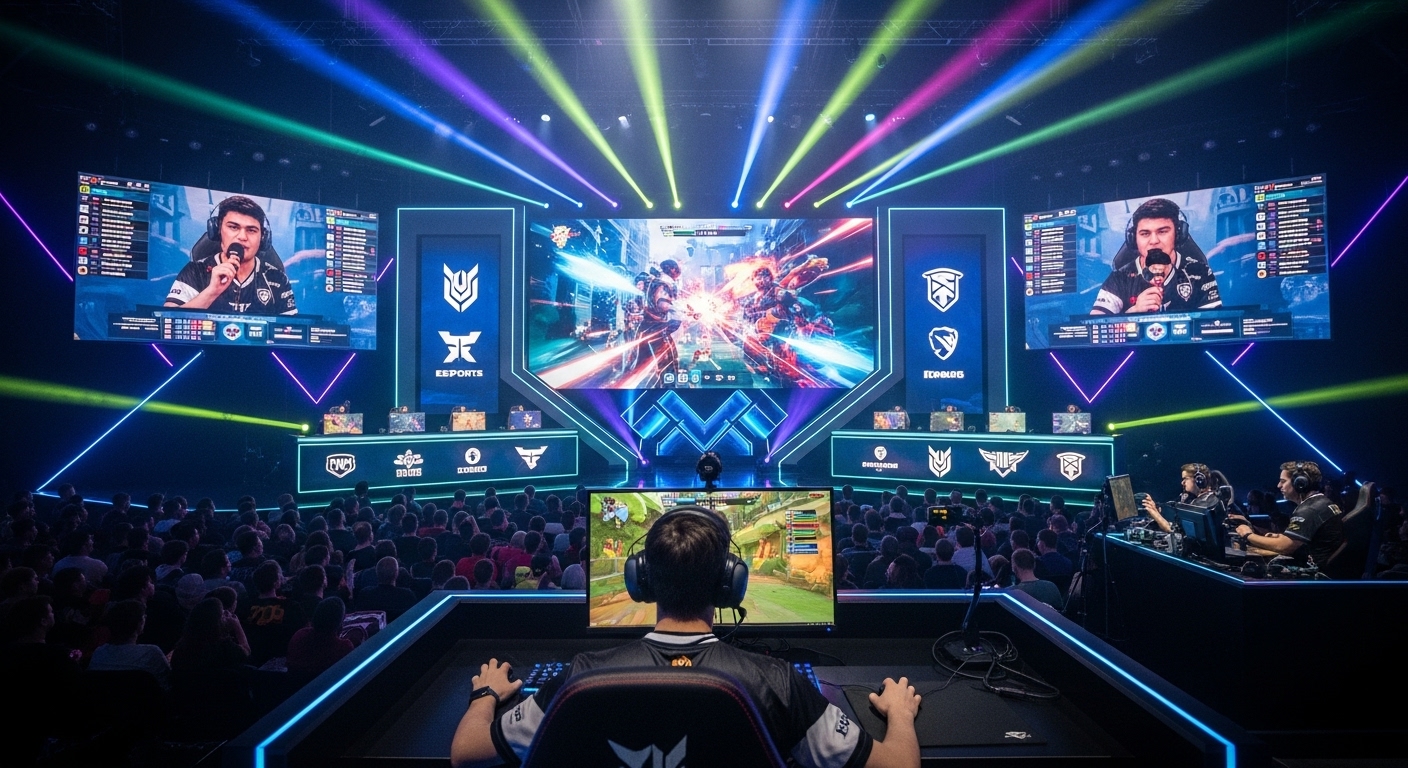
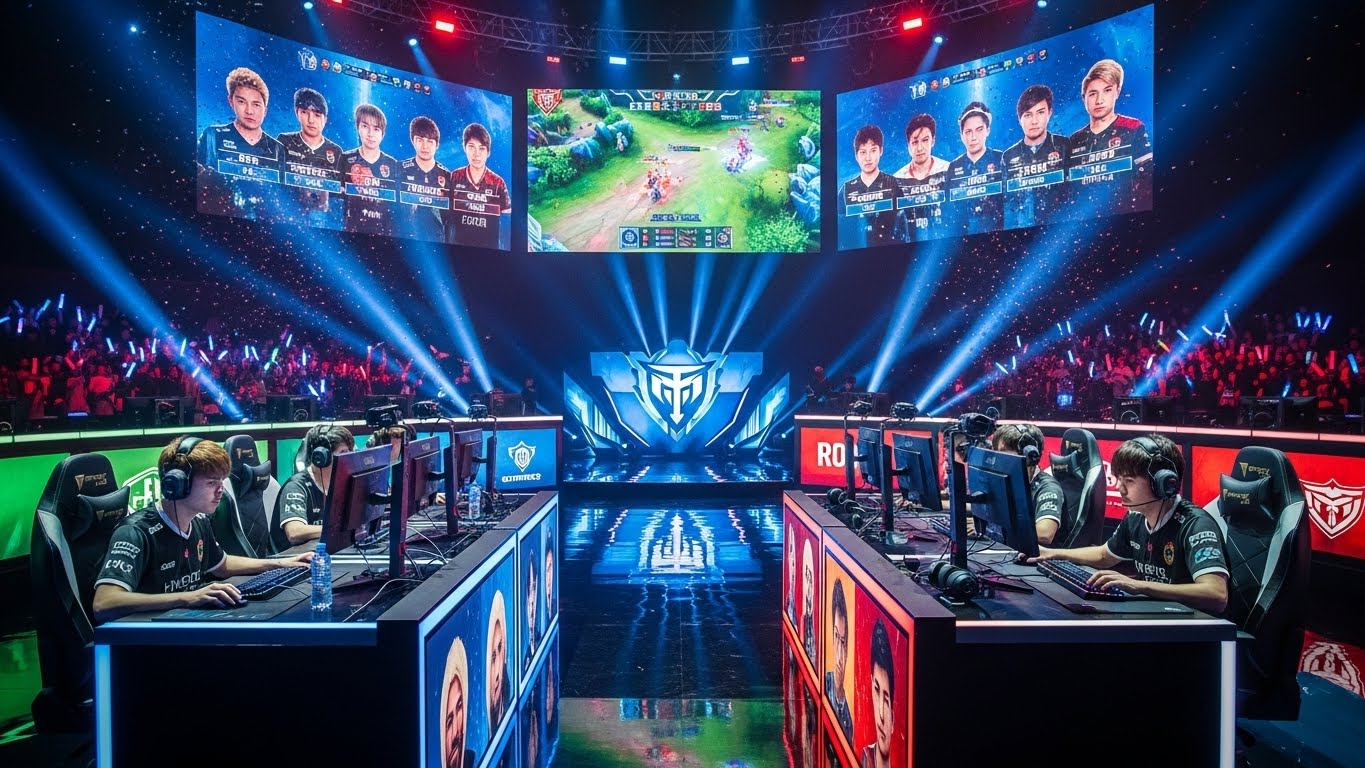
The most pivotal moment in the history of esports was the rise of large-scale tournaments. Events like The International (Dota 2), League of Legends World Championship, and CS:GO Major Championships became landmark events in the esports calendar, each offering multi-million-dollar prize pools and drawing huge international audiences. These tournaments didn’t just feature great gameplay; they became spectacles, complete with live audiences, high production values, and elaborate opening ceremonies, making them just as entertaining as traditional sports events.
Moreover, the business side of esports grew exponentially. Major brands and companies from various industries, including tech, food and beverage, and entertainment, began investing in esports. Partnerships with popular gaming hardware manufacturers, energy drinks, and even automobile companies provided the financial backbone needed to sustain competitive gaming at the highest level. This influx of sponsorships brought with it professionalization—teams hired managers, coaches, analysts, and physical trainers, and players received salaries similar to traditional athletes.
Esports Ecosystem: Tournaments, Teams, and Leagues
The esports ecosystem is built on a foundation of organized tournaments, professional leagues, and dedicated teams. While the specifics may vary between games, the general structure mirrors that of traditional sports. Here’s how it all works:
Tournaments and Major Events
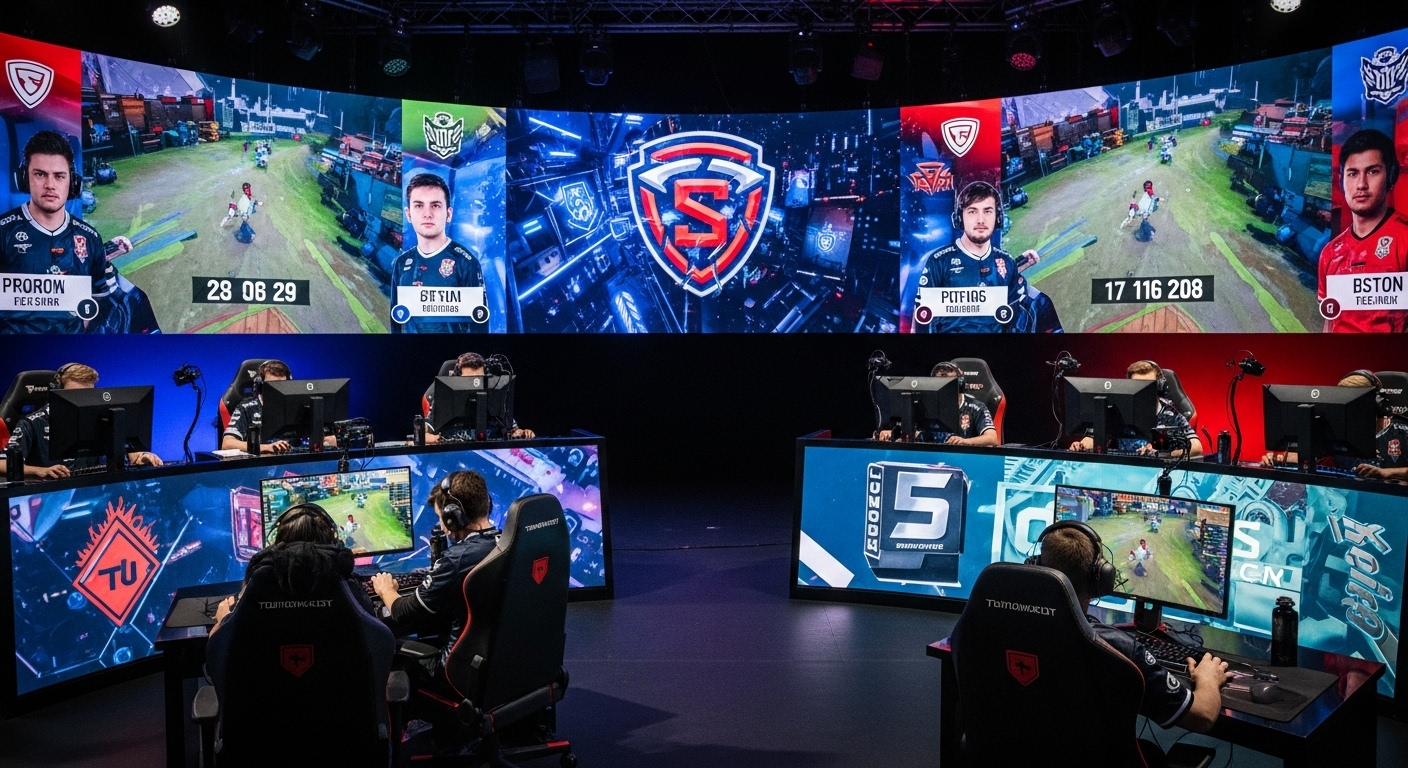
Esports tournaments are the heart of the competitive scene. They can vary in size, from regional competitions with local qualifiers to international tournaments with prize pools that exceed $10 million. These events are organized by game developers, third-party organizers, or esports leagues and can be held in large arenas or streamed online.
One of the biggest draws of esports is the sense of excitement and competition that comes with these events. Whether it’s the crowd roaring for their favorite team or the tens of thousands of viewers watching online, the atmosphere of an esports tournament is electric. The International (Dota 2) and League of Legends World Championship are two of the biggest esports events globally, and they showcase the spectacle that esports has become. These tournaments are broadcast to millions of fans and have even attracted viewership numbers comparable to major traditional sports like the Super Bowl or the FIFA World Cup.
Esports Leagues
Just like traditional sports leagues (such as the NBA, NFL, or EPL), esports has established professional leagues for many of its major games. These leagues operate on a season structure, with teams competing in regular matches, leading up to playoffs and ultimately, championship events. Some of the biggest esports leagues include:
- League of Legends Championship Series (LCS): The top-tier league for League of Legends, featuring teams from North America.
- Overwatch League (OWL): A global league that features Overwatch teams from various cities around the world.
- Call of Duty League (CDL): The professional league for Call of Duty, with franchises representing major cities.
- CS:GO Major Championships: These are the official international tournaments for Counter-Strike: Global Offensive, attracting the best teams from around the world.
These leagues not only promote esports as a professional sport but also provide a platform for players to build their careers. Teams in these leagues often have coaches, analysts, and a full roster of players specializing in different roles, much like the structure of traditional sports teams.
Professional Esports Teams
Esports teams are similar to professional sports teams in many ways. Top-tier teams like Team Liquid, Cloud9, Fnatic, and T1 are the equivalent of sports franchises, with sponsorships, team owners, and a brand identity. They recruit the best players, provide training facilities, and offer them salaries, performance bonuses, and endorsement deals.
These teams compete in regular season matches, aiming to qualify for prestigious tournaments and leagues. Players are highly specialized in their respective games, often focusing on a single title, mastering its mechanics, strategies, and nuances. Success for esports teams requires not only individual talent but also synergy and coordination among teammates. Teams practice together daily, working on strategies, reviewing match footage, and even undergoing physical training to maintain their focus and endurance.
Esports Viewership: A New Entertainment Frontier
One of the most significant aspects of esports’ rise is the massive viewership it commands. Unlike traditional sports, where games are played on television, esports are predominantly consumed via live-streaming platforms like Twitch, YouTube Gaming, and Facebook Gaming. These platforms have revolutionized the way fans engage with esports content, allowing them to watch games live, interact with players and commentators, and even contribute to the success of their favorite players and teams through subscriptions and donations.
In 2020, it was estimated that esports viewership reached over 500 million globally, with major tournaments attracting tens of millions of concurrent viewers. Esports broadcasts have surpassed traditional TV programming in terms of engagement, especially among younger audiences who are more inclined to watch content online rather than on television. Events like The International and the League of Legends World Championship are streamed to millions of people worldwide, with fans tuning in to watch live action, team interviews, and commentary.
The Future of Esports: What’s Next?
As esports continues to grow, its future is looking brighter than ever. Several trends indicate that esports is poised to become a dominant force in the entertainment industry. Here are a few factors that will shape the future of esports:
Integration with Traditional Sports
As esports gains popularity, there will likely be increased collaboration between esports and traditional sports organizations. We are already seeing traditional sports teams investing in esports, whether by sponsoring teams or establishing their own esports divisions. The future may see more crossovers between the two worlds, with hybrid events combining live esports competitions with traditional sports broadcasts.
College and High School Esports
Esports is already making its way into high schools and universities, with scholarships and competitive leagues being established across the globe. As more educational institutions offer esports programs, it will open the doors for students to pursue careers in gaming and esports management. This expansion of esports into the academic world will continue to fuel the industry’s growth.