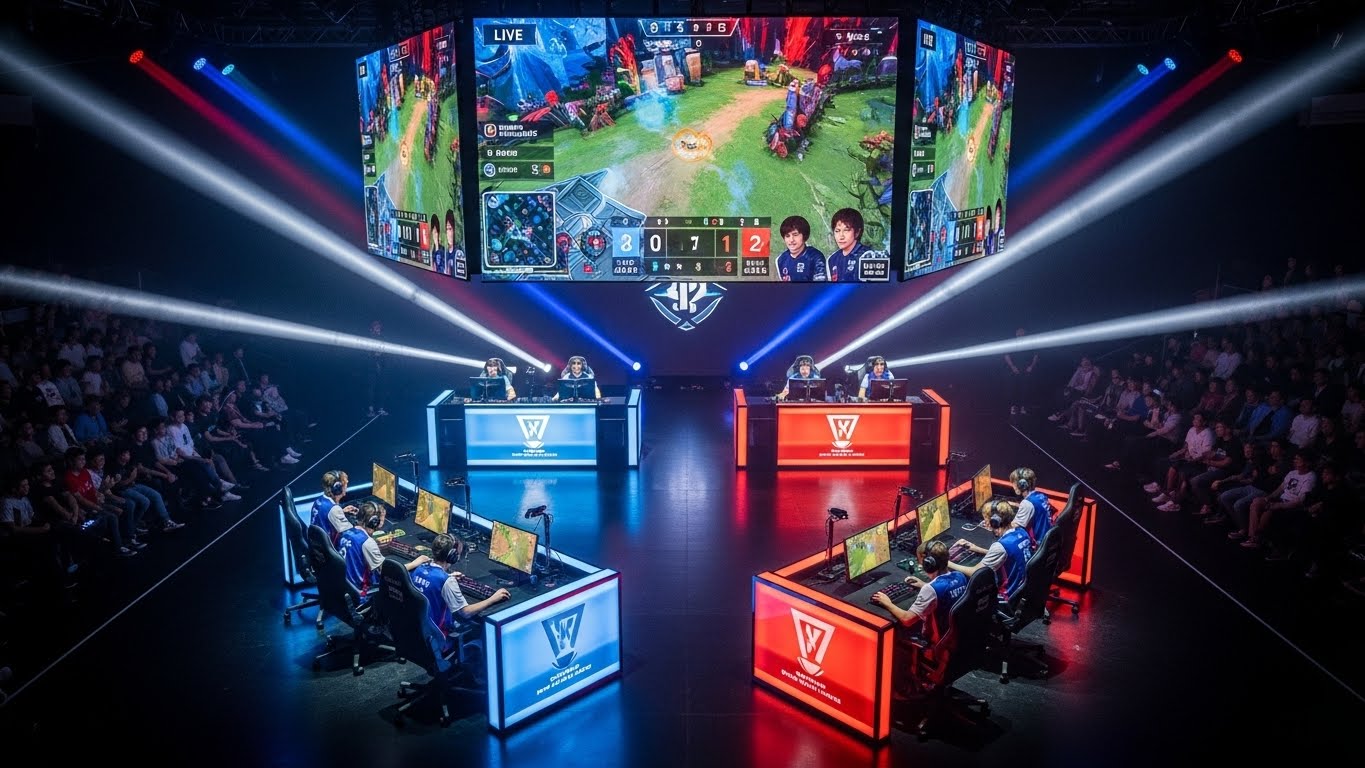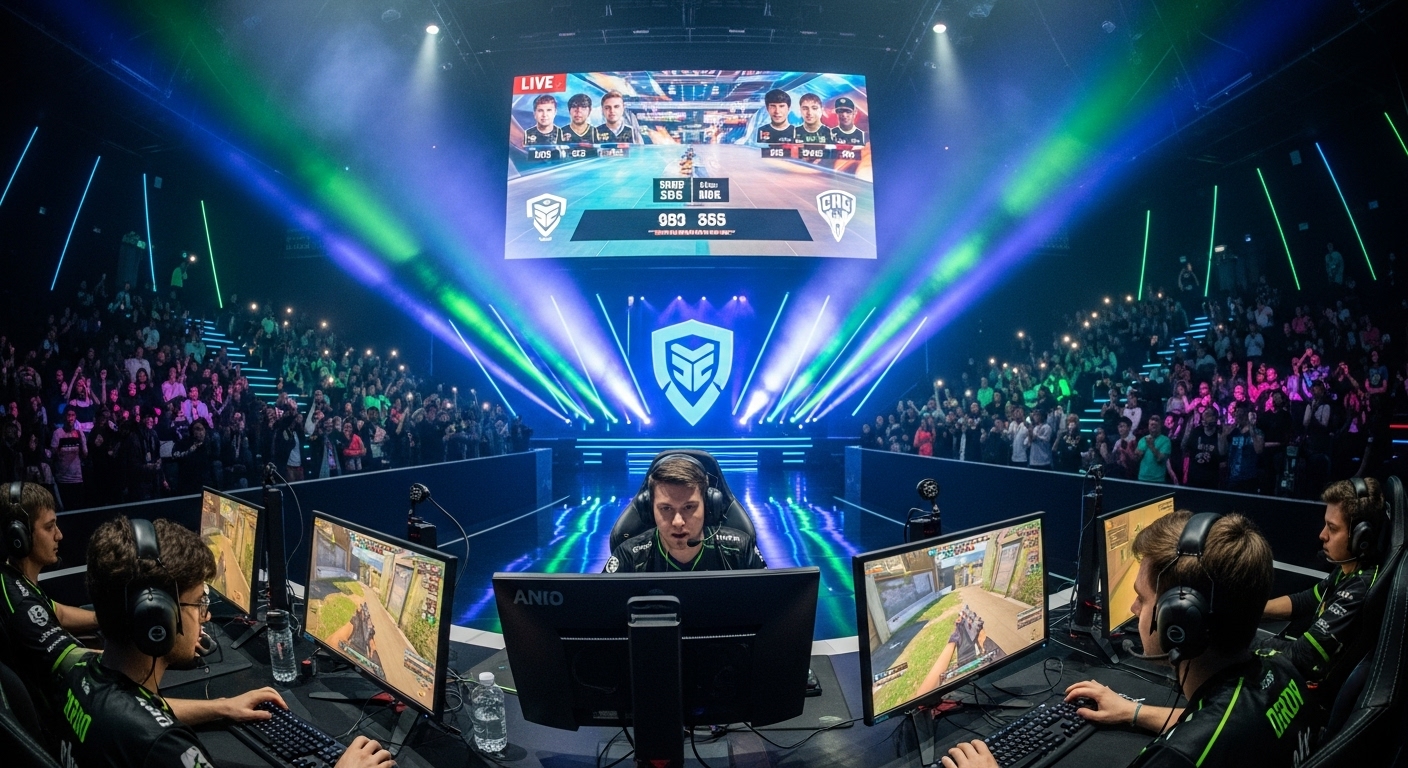
Introduction: The Rise of a Digital Phenomenon
Esports has rapidly evolved from a niche pastime to a multi-billion-dollar industry with a global fanbase that rivals traditional sports. The once humble world of competitive video gaming has now transformed into a high-stakes arena, drawing millions of viewers, sponsorships from leading global brands, and professional athletes who dedicate their lives to mastering their craft. With events broadcast worldwide, prize pools reaching staggering amounts, and fanbases as passionate as those of football or basketball, esports is no longer a subculture; it has become a cornerstone of modern entertainment. This blog will explore the rise of esports, its impact on the gaming industry, its future, and how it’s redefined the concept of competition in the digital age.
The Early Days of Esports: From Arcades to Online Tournaments
The story of esports dates back to the late 20th century when competitive gaming began in the arcades of the 1980s. While casual gaming was already popular, the idea of competing at a professional level was still in its infancy. The first known video game tournament, The Space Invaders Championship, was held in 1980, attracting over 10,000 participants. However, esports as we know it today didn’t begin to take shape until the 1990s, when the internet began to facilitate online multiplayer gaming.
Games like Quake and StarCraft laid the groundwork for online competitions, with early players and organizers holding small tournaments. These early competitions, while modest in scale, demonstrated the potential for video games to become a competitive sport. The early success of titles like StarCraft in South Korea helped solidify the idea of professional gaming, where players trained and competed as full-time athletes. As the internet infrastructure grew stronger and games became more sophisticated, larger tournaments began to emerge, setting the stage for the global esports phenomenon we see today.
Esports Goes Global: The Explosion of Popularity
By the mid-2000s, esports had grown beyond a niche activity into a global competition. The advent of high-speed internet and streaming platforms such as Twitch gave gamers and fans unprecedented access to live competitions and community-driven content. Esports tournaments like the League of Legends World Championship and The International for Dota 2 now draw millions of viewers, and the prize pools for these events often reach tens of millions of dollars.
The rise of esports in mainstream media was also accelerated by companies like Blizzard Entertainment and Riot Games, which helped build infrastructure for competitive gaming. They not only organized tournaments but also created the platforms, rules, and systems that supported them. The success of League of Legends, Overwatch, and Fortnite marked a turning point, as these titles became more than just games—they became global esports franchises with dedicated leagues, sponsorships, and extensive followings.
Esports’ ascent was also fueled by a growing number of fans who began to treat competitive gaming as seriously as traditional sports. Streaming platforms like Twitch enabled fans to watch players in real-time, fostering a new form of interactivity. These platforms allowed fans to engage directly with their favorite streamers, offer tips, and even influence gameplay decisions during live broadcasts. The emergence of a digital ecosystem that included online streaming, social media, and community platforms transformed esports into an industry that extended far beyond the games themselves.
The Professionalization of Esports: Players and Teams
One of the most significant transformations in esports has been the professionalization of players and teams. What was once an activity for hobbyists has now become a career path for many young gamers. Professional esports players dedicate countless hours to perfecting their skills, often spending upwards of 12 hours a day training, strategizing, and competing in tournaments.
The level of commitment required to be successful in esports is comparable to that of athletes in traditional sports. Players need to be in peak mental and physical condition to succeed, and many of them work with coaches, analysts, and psychologists to improve their gameplay. Just like traditional athletes, esports players need to maintain their reflexes, strategic thinking, and communication skills to perform at their best. The introduction of esports academies and university scholarships has provided aspiring players with the support and training they need to pursue a professional gaming career.
Esports organizations have also become structured and highly organized, much like traditional sports teams. Teams often have a roster of players, coaches, managers, and analysts who work together to refine strategies, improve player performance, and ensure success in competitions. The commercialization of esports has seen the rise of sponsorships, with brands ranging from tech giants like Intel to consumer products like Coca-Cola investing heavily in esports teams and events. This financial backing allows players to make a living from gaming, and as the esports ecosystem grows, so do the opportunities for players to increase their earnings through sponsorship deals, streaming, and merchandise.
The Role of Technology in Esports: Powering the Digital Arena
Technology plays a crucial role in the growth and success of esports. Advances in hardware, internet infrastructure, and gaming software have transformed how competitive gaming is played and consumed. The development of high-performance gaming PCs, powerful graphics cards, and low-latency internet connections has elevated esports to new heights. The shift from local multiplayer games to massive online competitions also reflects the capabilities of modern technology, as players from all over the world can now compete against each other seamlessly.
Streaming technology has also made esports more accessible to audiences than ever before. Platforms like Twitch, YouTube Gaming, and Facebook Gaming allow viewers to watch live competitions, follow their favorite streamers, and interact with the gaming community. This digital shift has helped esports become a spectator sport in its own right. Fans can watch their favorite players in real-time, engage with them through live chats, and experience a sense of connection that goes beyond simply watching a game.
The use of advanced data analytics and artificial intelligence has also improved gameplay and team strategies. Professional teams use sophisticated performance tracking tools to analyze player behavior, reaction times, and in-game decision-making, allowing them to fine-tune their strategies and improve overall team performance. This integration of technology ensures that esports is not just about raw skill but also about optimizing performance through data-driven insights.
The Cultural Impact of Esports: A Global Community
One of the most unique aspects of esports is the sense of community it fosters. Unlike traditional sports, where fans generally support teams from their local area or country, esports fans often support players and teams based on personal preference, playstyle, or shared values. This has created a global, cross-cultural community where fans from different backgrounds can come together and celebrate their love of gaming.
Esports has also made its way into mainstream culture, with influencers, streamers, and pro players becoming celebrities in their own right. The rise of esports stars like Ninja, Faker, and Shroud has helped bridge the gap between gaming and popular culture. These players have become role models, shaping the way young people view gaming and competition. In addition, esports has helped to normalize the idea of gaming as a form of entertainment, and many young people now aspire to be professional players just as they would aspire to be athletes in traditional sports.
Esports is not just a spectator sport; it’s also an interactive experience that allows fans to connect with players and each other. The rise of fan-driven content, fan art, and memes surrounding esports personalities further contributes to the sense of community. Fans engage with the content both online and offline, attending live tournaments, participating in social media discussions, and showing support for their favorite players.
The Challenges Facing Esports: Sustainability and Ethics
Despite its rapid growth, esports faces several challenges that need to be addressed for the industry to continue thriving. One of the most significant concerns is the sustainability of the esports ecosystem. While top players and teams earn substantial sums through sponsorships, prize money, and streaming, many aspiring gamers struggle to make a living. This financial gap between the elite and the rest of the community creates challenges for the growth and development of esports at the grassroots level.
Another concern is the mental and physical well-being of professional players. The intense training schedules, long hours of gameplay, and constant travel for tournaments can take a toll on a player’s health, leading to burnout, fatigue, and stress. Many players experience the pressure of high expectations and the fear of failure, which can impact their mental health. As the esports industry matures, there is an increasing focus on player welfare, including mental health resources, fitness programs, and better support systems for players.
Ethical issues also remain a challenge in esports, such as cheating, match-fixing, and doping. While the esports community has made strides in regulating cheating and maintaining fairness, the pressure to win can sometimes lead players or organizations to take shortcuts. As the industry continues to grow, maintaining transparency, integrity, and ethical standards will be essential for ensuring that esports remains a fair and legitimate competitive sport.
The Future of Esports: Innovation and Expansion
The future of esports looks incredibly bright, with continued innovation and expansion on the horizon. Advances in virtual reality (VR) and augmented reality (AR) have the potential to create even more immersive experiences for both players and spectators. The integration of VR into esports could revolutionize the way games are played and watched, providing new forms of interaction and competition.
Furthermore, as 5G technology becomes more widespread, esports will benefit from faster internet speeds and lower latency, which will enhance the gaming experience. The increasing popularity of mobile gaming and esports on smartphones is also helping to bring competitive gaming to a broader audience, particularly in regions like Asia where mobile gaming is already dominant.
Esports will continue to expand beyond the traditional realms of PC gaming. With the rise of mobile esports and the growing popularity of games like PUBG Mobile and Mobile Legends, competitive gaming will reach even more players and fans worldwide. This global expansion is expected to foster new talent and create a more diverse and inclusive esports ecosystem.