Esports has rapidly transformed from a niche pastime to a global powerhouse. Over the past two decades, it has evolved into a multi-billion-dollar industry that attracts millions of viewers, players, and investors worldwide. What was once considered an obscure subculture is now a mainstream spectacle, captivating audiences just as traditional sports do. The journey of esports has been remarkable, and its future is even more promising. This blog explores the origins, growth, impact, challenges, and future of esports, examining how it has shaped entertainment, competition, and culture globally.
The Birth of Esports: From LAN Parties to Global Arenas
The roots of esports can be traced back to the late 1990s and early 2000s when gaming communities began organizing competitions. The term “esports” itself is shorthand for electronic sports, where players compete against each other in video games, either individually or as teams. Early tournaments were small-scale events held in local areas, often referred to as LAN (Local Area Network) parties, where players would gather in physical spaces to compete.
During this time, video games such as “StarCraft,” “Quake,” and “Warcraft” became the foundation of competitive gaming. These games were not only popular in their own right but also provided the perfect platform for players to test their skills against one another. Competitions were typically organized by enthusiastic fans, with modest prizes and limited media coverage. The most prominent events in the early stages were held in gaming cafes and convention halls, where players would engage in high-stakes battles, often under intense pressure.
In the early 2000s, platforms like Cyberathlete Professional League (CPL) and Major League Gaming (MLG) emerged, formalizing the competitive gaming landscape. MLG, in particular, played a significant role in legitimizing esports as a sport. These organizations brought structure, rules, and organization to competitions, marking the beginning of esports as we know it today.
The Growth of Esports: Professionalization and Commercialization
As internet speeds improved and gaming became more accessible, esports gained significant traction in the mid-2000s. A major turning point came with the rise of online multiplayer games such as “World of Warcraft,” “League of Legends,” and “Counter-Strike.” These games brought people from all over the world together, allowing them to compete in large-scale tournaments without the need for physical travel.
The popularity of these games led to the professionalization of esports. Dedicated teams, sponsors, and organizations began to form, providing players with financial backing, coaching, and training. Esports moved from being an amateur hobby to a legitimate career for many players. In particular, “League of Legends,” developed by Riot Games, became one of the most successful games in the competitive scene, drawing in millions of players and viewers.
Esports also saw increased investment from traditional sports organizations, entertainment companies, and tech giants. Brands like Intel, Red Bull, Coca-Cola, and Samsung became key sponsors, recognizing the untapped potential of esports as a marketing tool. Tournaments began offering larger prize pools, and the production values of broadcasts soared, transforming these events into polished, high-energy spectacles that rivaled traditional sports in terms of viewership and excitement.
The Rise of Esports Leagues: The Globalization of Competition
One of the most significant milestones in esports’ growth was the formation of professional leagues and tournaments. As the popularity of esports surged, the demand for organized, competitive structures became more apparent. In response, a number of high-profile esports leagues were established, each focusing on specific games or genres.
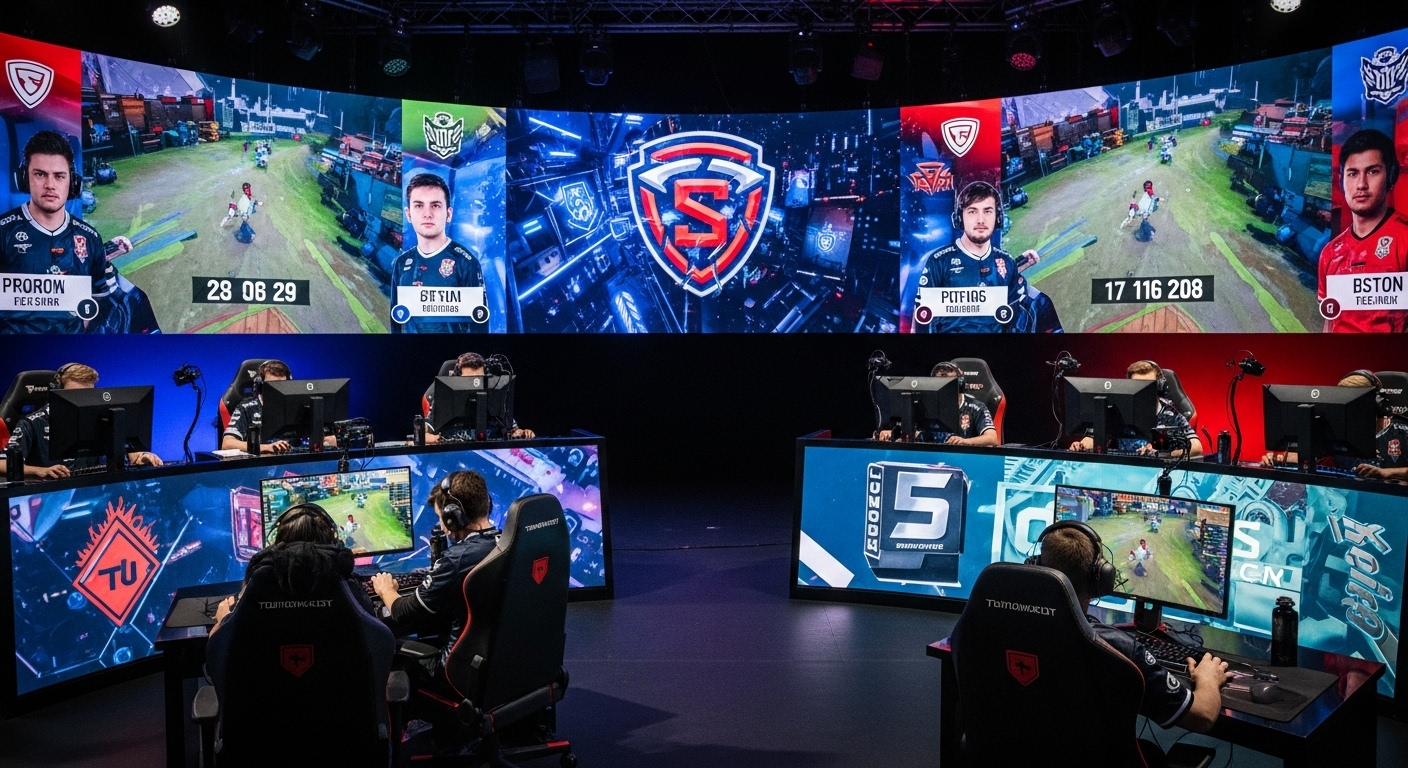
The Overwatch League (OWL) is a prime example of how esports has been structured into regional leagues, similar to traditional sports leagues like the NBA or NFL. Launched by Blizzard Entertainment in 2018, the OWL features teams from cities across the world, each representing their respective region. This league’s structure allows for a more sustainable model of competition, with regular seasons, playoffs, and championships. The OWL’s format has inspired other esports leagues to adopt a similar approach, bringing greater consistency and professionalism to the industry.
Similarly, the “Call of Duty League” and “Rocket League Championship Series” have also emerged, attracting large followings and sponsorships. These leagues allow players to compete at the highest level, with significant financial incentives. The growth of these leagues has also contributed to esports’ rise as a spectator sport, with major platforms like Twitch, YouTube, and Facebook Gaming broadcasting these events to millions of fans around the world.
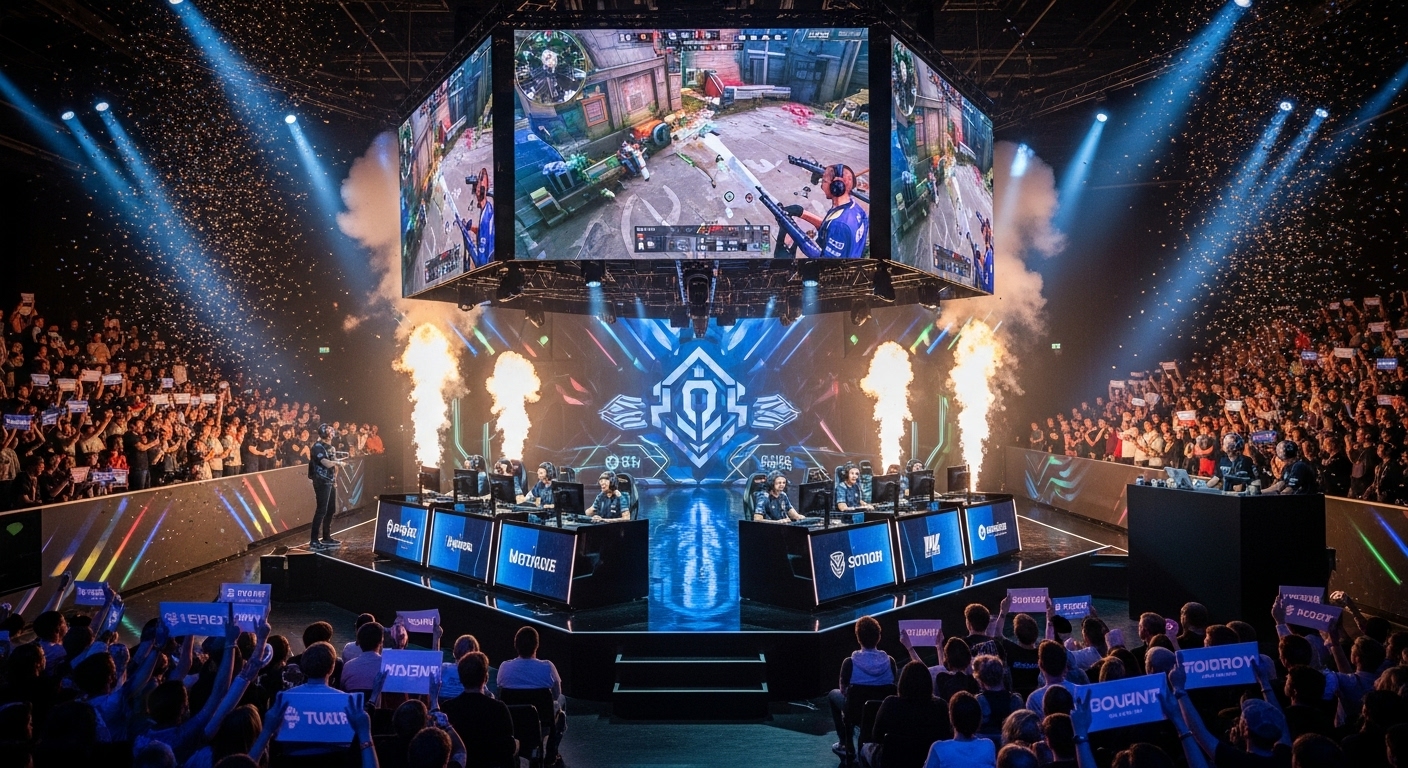
In addition to these leagues, tournaments such as “The International” for “Dota 2” and the “League of Legends World Championship” have become major annual events, attracting millions of viewers and offering prize pools that rival those of traditional sports events. These tournaments often take place in grand arenas, with thousands of spectators in attendance, highlighting the magnitude of esports as a cultural event.
The Impact of Streaming Platforms: Making Esports Accessible to All
One of the most important factors in esports’ meteoric rise has been the growth of streaming platforms. Websites like Twitch, YouTube Gaming, and Facebook Gaming have provided a platform for players to broadcast their gameplay to a global audience. These platforms have democratized esports, making it accessible to anyone with an internet connection.
Twitch, in particular, has become the epicenter of the esports community. With millions of daily active users, it serves as a hub for gamers, fans, and streamers alike. The platform allows players to not only compete in games but also interact with their fans, build communities, and monetize their content through ads, donations, and subscriptions.
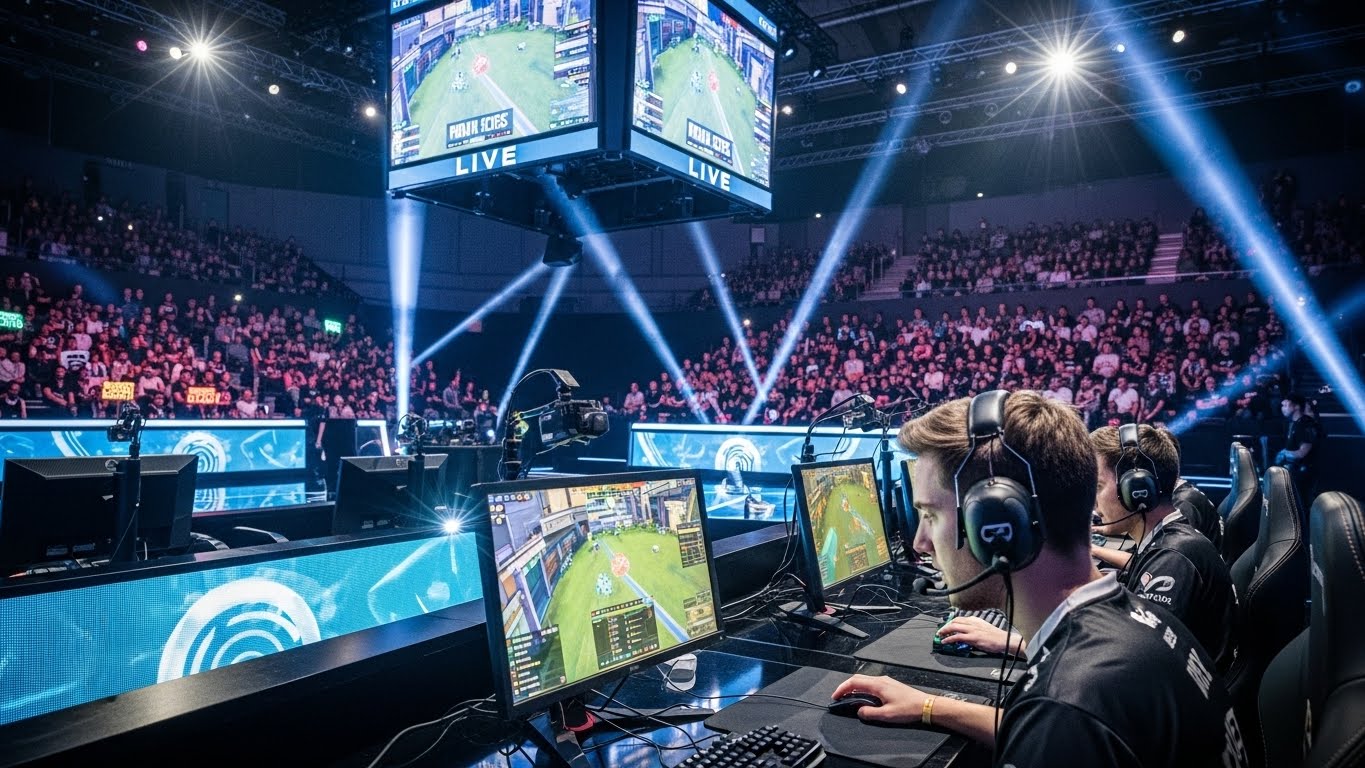
The availability of live streaming has also expanded the reach of esports events. Major tournaments, once only available to in-person attendees, are now streamed live to millions of viewers worldwide. This shift has made esports a truly global phenomenon, with fans from all corners of the world tuning in to watch their favorite players and teams compete for glory.
In addition to professional competitions, streaming platforms have allowed for a rise in casual and community-driven esports content. Streamers and influencers have become a driving force in esports, often showcasing new games, providing commentary, and engaging with their audiences in real-time. This has contributed to the broader cultural integration of esports, as fans feel more connected to their favorite players and personalities.
The Cultural Influence of Esports: Connecting Communities
Esports has had a profound impact on popular culture, influencing everything from fashion to music to social media trends. As the industry has grown, it has attracted a diverse range of individuals, from hardcore gamers to casual fans, and from young children to adults. This inclusivity has helped esports become a universal language that transcends geographical, cultural, and social boundaries.
The rise of esports has also led to the creation of a new kind of celebrity. Professional gamers, streamers, and influencers have amassed huge followings on social media, often rivaling traditional celebrities in terms of influence. Figures like Ninja, PewDiePie, and Faker have become household names, with massive fanbases and endorsement deals with major brands.
Esports has also fostered a sense of community among fans. With online forums, fan conventions, and social media groups dedicated to various games, esports has created a space where people can connect, share their passion, and support their favorite players and teams. This sense of community has been integral to the success of esports, as fans are not just passive spectators—they are active participants in the culture.
Furthermore, esports has played a significant role in breaking down gender and cultural barriers in gaming. While the gaming industry has historically been dominated by men, esports has seen increasing participation from women and people of diverse backgrounds. Initiatives like the Women in Esports movement and the growth of female-led teams have helped promote diversity and inclusion within the competitive gaming space.
The Economic Impact of Esports: A Multi-Billion-Dollar Industry
The economic impact of esports is staggering. According to estimates, the global esports market is expected to surpass $1.6 billion in revenue by 2024, with sponsorships, advertising, media rights, and merchandise sales contributing significantly to this growth. Esports has become a lucrative business, attracting investment from a wide range of sectors, including tech, entertainment, and traditional sports.
One of the primary revenue streams for esports organizations is sponsorship. As brands recognize the value of reaching younger, tech-savvy audiences, they have increasingly turned to esports as a platform for advertising. Companies like Coca-Cola, Intel, and Red Bull sponsor major tournaments, providing significant financial backing to teams and events. In return, these brands gain exposure to millions of viewers and players, making esports a highly attractive marketing tool.
In addition to sponsorships, esports organizations also generate revenue through ticket sales, broadcasting rights, and merchandise. Major esports tournaments sell out large arenas, with fans eager to attend in person and experience the action up close. Streaming platforms, such as Twitch and YouTube, also generate revenue through ads and subscriptions, further bolstering the financial ecosystem of esports.
The rise of esports has also led to the creation of professional careers for players, coaches, analysts, broadcasters, and other support staff. As esports has become more structured and professionalized, it has created a wide range of job opportunities. Players can earn substantial salaries through tournament winnings, sponsorships, and streaming deals, while non-player roles such as commentators and analysts have also become lucrative careers in their own right.
Challenges and the Road Ahead: Esports in the Face of Adversity
While the growth of esports has been nothing short of impressive, the industry faces several challenges as it continues to evolve. One of the primary concerns is the sustainability of the esports ecosystem. With increasing investments and rising prize pools, there is a growing need for a stable financial model that ensures the long-term health of the industry. This includes securing consistent revenue streams for both players and organizations, as well as ensuring that tournaments and leagues remain financially viable.
Another challenge is the issue of player burnout. Professional esports players often dedicate hours of practice each day, leading to physical and mental exhaustion. Unlike traditional sports, esports lacks the same level of medical support and training infrastructure, which can exacerbate the risk of injury and burnout. As esports continues to grow, it will be crucial to develop better systems for player health and well-being, including proper training regimens, mental health support, and career longevity programs.
Esports also faces challenges related to regulation and fairness. As the industry expands, issues related to cheating, match-fixing, and drug use have become more prevalent. Organizations and governing bodies must work together to implement strict rules and regulations to protect the integrity of the competitions and ensure that players compete on a level playing field.
Finally, there is the challenge of maintaining the community-focused nature of esports as the industry becomes more commercialized. As more corporate interests enter the space, there is a risk that esports may lose its grassroots, community-driven spirit. It will be essential for the esports community to strike a balance between growth and maintaining the values that made it so appealing to fans in the first place.
Conclusion: A Bright Future for Esports
Esports has come a long way from its humble beginnings in the late 1990s, and its future looks incredibly promising. With the rise of professional leagues, sponsorships, streaming platforms, and a growing global audience, esports has firmly established itself as a cultural and economic force to be reckoned with. As the industry continues to evolve, it will likely continue to shape the future of entertainment, competition, and community.
The challenges that esports faces are not insignificant, but they are not insurmountable either. By focusing on sustainability, player well-being, regulation, and community engagement, esports can continue to thrive and expand, ensuring that it remains a major player in the entertainment world for years to come.
Esports is more than just a game—it is a global phenomenon that connects people, cultures, and communities. As technology advances and the industry grows, we can only imagine what the next chapters in the story of esports will look like. One thing is for certain: esports is here to stay, and its influence will continue to grow, captivating audiences across the globe.