Introduction
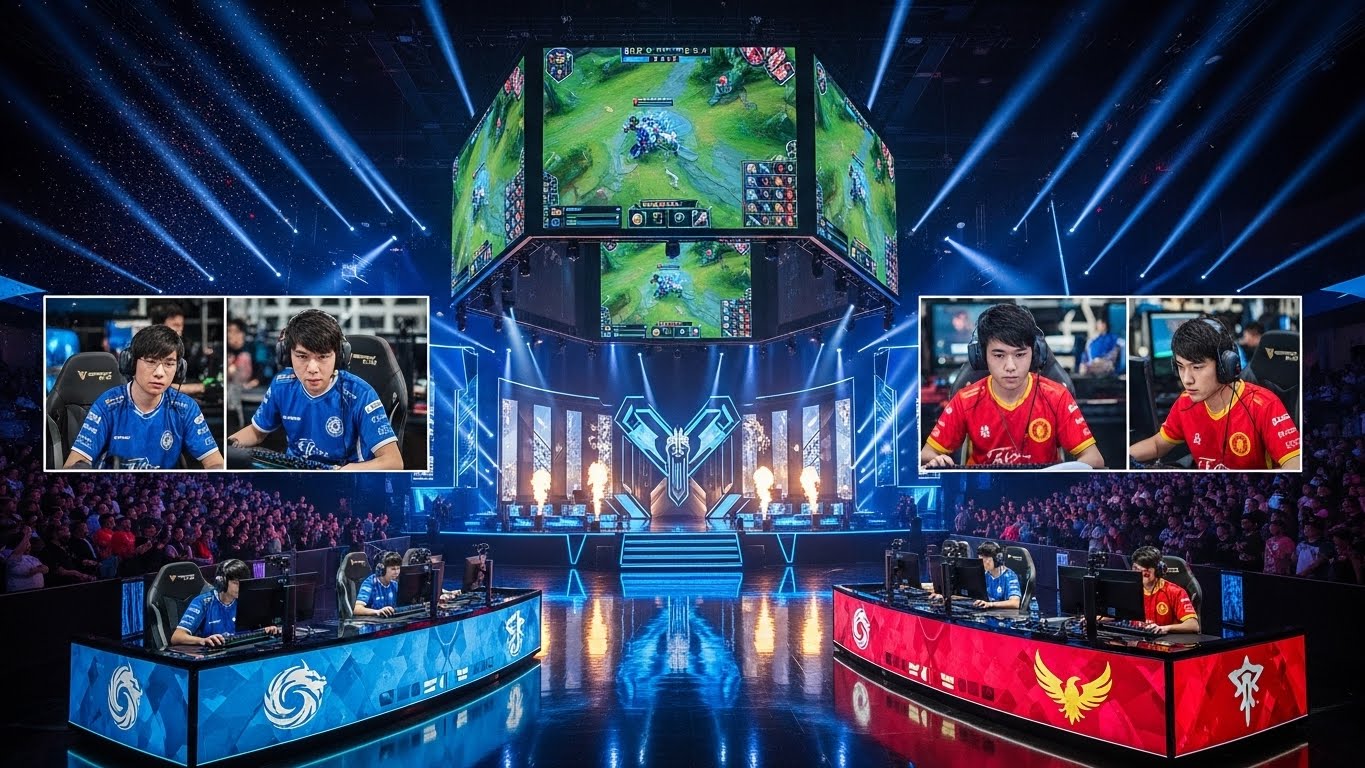
In the modern digital age, video games have evolved far beyond the realm of casual entertainment. What once began as a leisure activity confined to arcades and home consoles has transformed into a global phenomenon known as esports. Short for electronic sports, esports refers to organized, competitive video gaming where individuals or teams compete against each other, often in front of live audiences and millions of online viewers. Over the past two decades, esports has grown into a multi-billion-dollar industry, influencing not just gaming culture but also mainstream entertainment, business, education, and even traditional sports.
The rise of esports is a story of technology, talent, and transformation. It represents how passion for play, combined with innovation, can redefine what society considers a sport. From small community tournaments to grand international championships filling massive arenas, esports has become a legitimate and respected form of competition, entertainment, and even career development.
The Early Days: How Competitive Gaming Began
The origins of esports can be traced back to the early days of video gaming in the late 1970s and early 1980s. The first known video game competition took place in 1972 at Stanford University, where students competed in the game “Spacewar.” The winner received a year’s subscription to Rolling Stone magazine — a humble prize by today’s standards, but a historical milestone that marked the beginning of organized gaming competitions.
During the 1980s, arcade games like “Space Invaders” and “Pac-Man” became immensely popular. In 1980, Atari hosted the Space Invaders Championship, which drew more than 10,000 participants across the United States. This event is often cited as the first major gaming tournament, showcasing that people were not only interested in playing games but also in watching others compete.
As technology advanced in the 1990s, personal computers and consoles like the Super Nintendo and Sega Genesis allowed multiplayer games to flourish. Titles such as “Street Fighter II,” “Doom,” and “Quake” introduced competitive multiplayer modes that encouraged players to face off directly. Local area network (LAN) parties became a common sight, where gamers would gather to connect their computers and battle each other in real-time.
The Internet Revolution: Connecting Players Worldwide
The true turning point for esports came with the rise of the internet in the late 1990s and early 2000s. Online connectivity eliminated geographical barriers, allowing players from different parts of the world to compete instantly. Games like “StarCraft,” “Counter-Strike,” and “Warcraft III” became pioneers of early online esports scenes.
In South Korea, the rise of broadband internet in the early 2000s turned gaming into a national pastime. The government supported esports through infrastructure and broadcasting, leading to the creation of professional gaming leagues. Titles like “StarCraft: Brood War” gained enormous popularity, with players such as Lim Yo-hwan, better known as “BoxeR,” becoming national celebrities. This era laid the foundation for the global esports ecosystem we see today, complete with sponsorships, televised matches, and organized leagues.
The internet did not only enable competition but also community. Forums, chat rooms, and later social media platforms allowed gamers to share strategies, form teams, and build fan bases. The online world became the new stadium, connecting millions of fans who could follow their favorite players from anywhere on the planet.
The Birth of Modern Esports Titles
While many games contributed to the growth of esports, several key titles defined its modern era. These games combined engaging mechanics, strategic depth, and competitive balance — essential ingredients for professional play.
“Counter-Strike,” released in 1999, became one of the first major team-based shooters to dominate the competitive scene. Its blend of tactical gameplay and skill-based shooting made it ideal for tournaments. To this day, its successor, “Counter-Strike 2,” remains one of the pillars of esports.
In the world of real-time strategy, “StarCraft” set a gold standard, especially in South Korea. The game demanded extraordinary multitasking, decision-making, and precision, elevating it to a respected competitive sport.
Meanwhile, the rise of multiplayer online battle arena (MOBA) games such as “Dota 2” and “League of Legends” in the late 2000s revolutionized esports. These games emphasized teamwork, communication, and long-term strategic planning. “League of Legends,” developed by Riot Games, became one of the most-watched esports in the world, with annual championships drawing millions of live viewers and filling entire stadiums.
Another major force in the growth of esports has been “Fortnite,” which introduced a battle royale format that blended survival, building, and shooting mechanics. Its 2019 World Cup, with a $30 million prize pool, proved that new genres could thrive in the competitive scene.
The Explosion of Esports Viewership
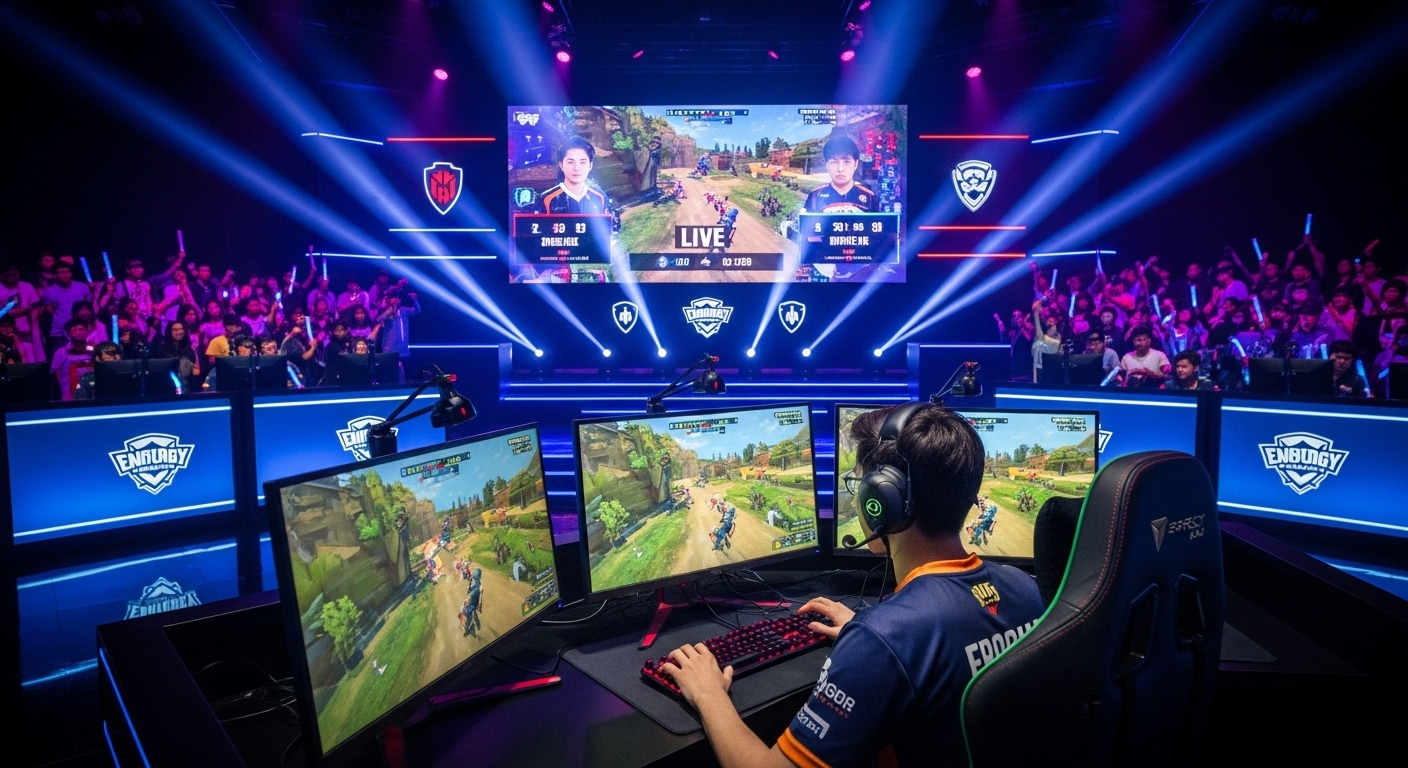
One of the defining characteristics of esports is its audience. Unlike traditional sports that rely on television broadcasting, esports built its audience through online streaming platforms. Websites like Twitch, YouTube Gaming, and later Facebook Gaming became the main hubs for esports content, allowing anyone to watch tournaments, follow professional players, and even stream their own gameplay.
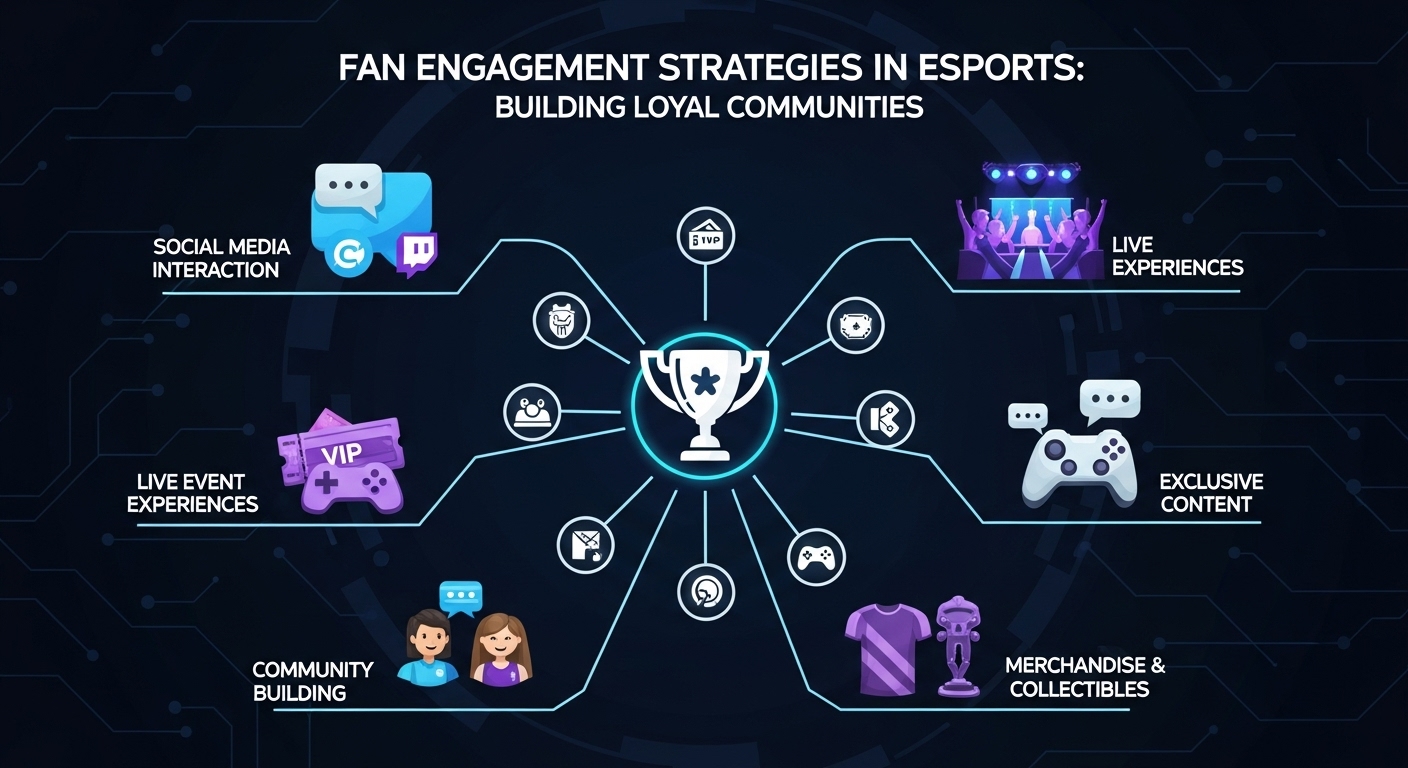
The accessibility of streaming changed everything. Fans could now interact with players in real time, discuss matches in chatrooms, and become part of a global community. This interaction blurred the line between spectator and participant, making esports feel more personal and engaging than many traditional sports.
Viewership numbers have skyrocketed over the years. Major tournaments like The International for “Dota 2” and the “League of Legends World Championship” regularly attract tens of millions of viewers, rivaling major traditional sporting events. The global audience for esports now exceeds half a billion people, a testament to its universal appeal.
The Business of Esports: Big Money and Big Opportunities
As viewership grew, so did investment. Esports evolved into a lucrative industry involving sponsorships, advertising, merchandise, and media rights. Major corporations like Coca-Cola, Intel, and Red Bull began sponsoring teams and tournaments, recognizing the marketing potential of reaching young, tech-savvy audiences.
Prize pools in esports tournaments have reached staggering heights. Valve’s “Dota 2” International tournaments regularly offer multi-million-dollar rewards, funded in part by player contributions through in-game purchases. Esports organizations, much like traditional sports teams, now have coaching staff, analysts, and management professionals. Players sign contracts, receive salaries, and compete in structured leagues with scheduled seasons.
Furthermore, universities around the world have begun offering scholarships for esports athletes, acknowledging gaming as a legitimate skill-based activity. There are even dedicated esports arenas and training facilities, built to provide players with the environment they need to perform at their best.
The business side of esports extends beyond the players. Event organizers, commentators, content creators, and streamers all contribute to a massive ecosystem of employment and entertainment. The economic impact of esports reaches into game development, media production, and technology sectors, making it one of the most dynamic industries of the 21st century.
The Cultural Impact of Esports
Esports has become more than just a competition — it is a cultural movement. The global nature of gaming means that players and fans from all backgrounds come together under a shared passion. Esports bridges language barriers, cultural differences, and national identities. It has become a universal form of entertainment that transcends traditional divisions.
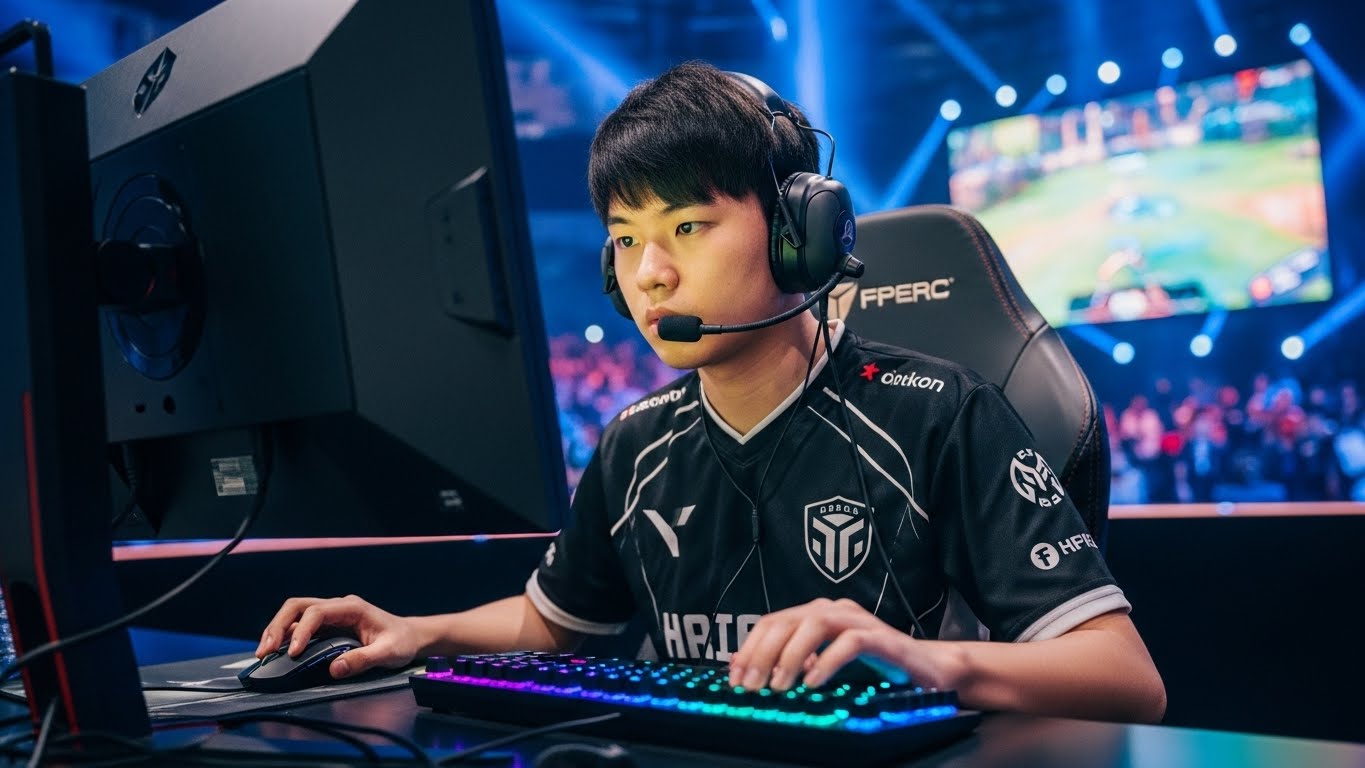
Professional gamers have become influencers and celebrities in their own right. Their popularity extends beyond the game itself, with fans following them across social media platforms. Streamers and content creators have helped shape gaming culture, introducing humor, creativity, and personality into the esports space.
Esports has also redefined the idea of teamwork and competition for a new generation. Young people who might not have been interested in traditional physical sports find belonging in gaming communities. The collaborative and strategic nature of many esports titles fosters communication, leadership, and problem-solving skills — qualities valuable both in and out of the digital arena.
Esports and Traditional Sports: A Converging World
Initially, many traditional sports organizations dismissed esports as a fad. However, as the industry continued to grow, skepticism gave way to recognition and even collaboration. Today, many professional sports teams and leagues have invested in esports franchises. The NBA, for example, operates the NBA 2K League, a professional esports competition featuring teams associated with real-world basketball franchises.
Similarly, soccer clubs in Europe and Asia have established esports divisions competing in games like “FIFA” and “eFootball.” Formula 1 has embraced virtual racing, with professional drivers participating in esports tournaments alongside dedicated sim racers.
This convergence between traditional sports and esports highlights the shared values of competition, skill, and entertainment. Both fields demand discipline, training, and mental resilience. The difference lies in the medium — one takes place on the field, the other on a digital battlefield.
The Challenges Facing Esports
Despite its meteoric rise, esports faces several challenges. One major issue is player burnout. The intense training schedules and constant competition can take a toll on players’ physical and mental health. Many professional gamers retire in their early twenties, highlighting the need for better support systems and career longevity planning.
Another challenge is maintaining integrity and fair play. Issues such as cheating, match-fixing, and doping have occasionally tarnished the reputation of esports. Governing bodies are still developing standardized regulations to ensure transparency and fairness across different titles and regions.
Monetization and sustainability also pose challenges. While top-tier tournaments and teams are financially successful, many smaller organizations struggle to maintain profitability. The volatility of game popularity can affect the stability of certain esports scenes, as players and fans move from one trending title to another.
Lastly, inclusivity remains a topic of discussion. While gaming is open to everyone, women and minority players often face barriers such as harassment or underrepresentation. Addressing these social challenges is crucial to ensuring that esports continues to grow as a welcoming and diverse community.
The Role of Technology in Esports Development
Technology is the backbone of esports. Advances in hardware, software, and connectivity have continuously shaped how games are played and experienced. High-performance PCs, low-latency internet connections, and advanced gaming peripherals allow players to compete at the highest level of precision and speed.
Streaming technology has been equally transformative. High-definition broadcasting, instant replays, and interactive chat features have elevated esports into a professional-grade spectator experience. Virtual reality (VR) and augmented reality (AR) are also beginning to find their place in the industry, offering immersive viewing experiences that blur the line between player and audience.
Artificial intelligence is another frontier influencing esports. AI-driven analytics tools can study player behavior, optimize training routines, and even predict opponent strategies. Such technologies are giving teams new ways to prepare and adapt, making esports not only about reflexes but also about data-driven intelligence.
The Educational and Social Benefits of Esports
Beyond entertainment and business, esports has significant educational potential. Schools and universities are increasingly integrating esports into their curricula to teach teamwork, leadership, and critical thinking. Programs focusing on game design, broadcasting, and esports management are preparing students for diverse careers within the industry.
Socially, esports provides a sense of belonging and purpose for many individuals. Online gaming communities often serve as support networks where people can connect, collaborate, and share common interests. In an age where digital interaction is becoming a norm, esports fosters meaningful relationships that can extend beyond the virtual space.
Moreover, esports has proven to be an inclusive platform for individuals with physical disabilities. Adaptive technologies enable players to compete on equal footing, emphasizing that skill and strategy matter more than physical limitations. This inclusivity is helping redefine society’s understanding of sportsmanship and achievement.
The Future of Esports: What Lies Ahead
As technology continues to evolve, the future of esports looks brighter than ever. The integration of artificial intelligence, cloud gaming, and virtual reality will reshape how games are played and viewed. Cloud-based platforms may make high-end gaming accessible to anyone with an internet connection, removing the barrier of expensive hardware.
Esports is also likely to become more localized and diversified. Regional leagues, amateur tournaments, and school-level competitions will continue to grow, nurturing talent from grassroots to professional levels. As more countries recognize esports as an official sport, we can expect its inclusion in major multi-sport events such as the Olympics.
The line between gaming, entertainment, and technology will continue to blur. Esports events will not only feature competitions but also live concerts, celebrity collaborations, and interactive fan experiences. The future of esports is not just about competition — it is about community, creativity, and connection.
Conclusion
The journey of esports from humble beginnings to global recognition is one of the most remarkable stories of the modern era. It demonstrates how passion, technology, and community can combine to create something truly extraordinary. What started as a pastime in small arcades has evolved into an international industry that inspires millions.
Esports represents the future of entertainment — dynamic, inclusive, and constantly evolving. It challenges traditional notions of sports, art, and media, while offering opportunities for innovation and self-expression. For players, it’s a career and a calling. For fans, it’s a source of excitement and unity. For society, it’s a glimpse into how digital culture can bring people together in ways once unimaginable.
As esports continues to grow, one thing is clear: it is not just a trend or a game. It is a movement — one that has already changed the world and will continue to shape the future of competition and entertainment for generations to come.