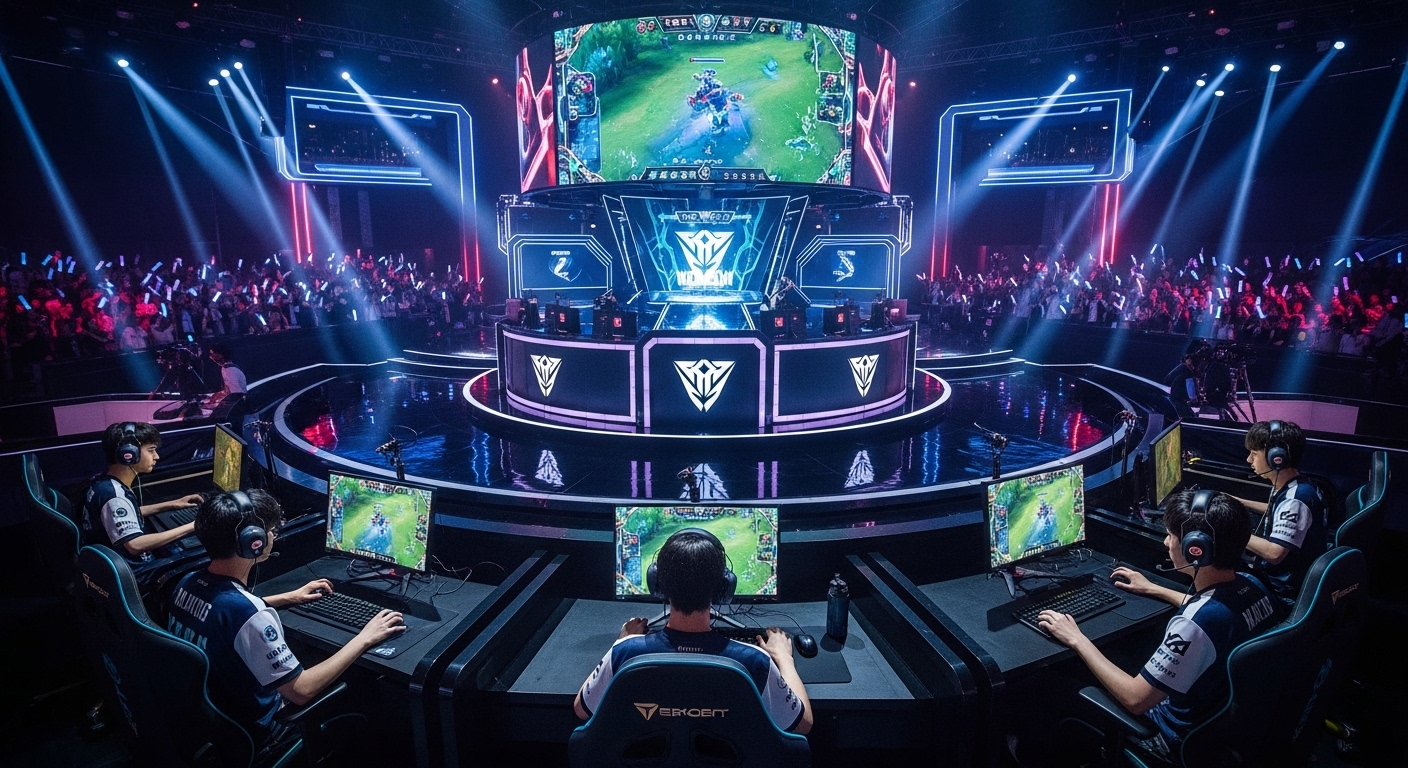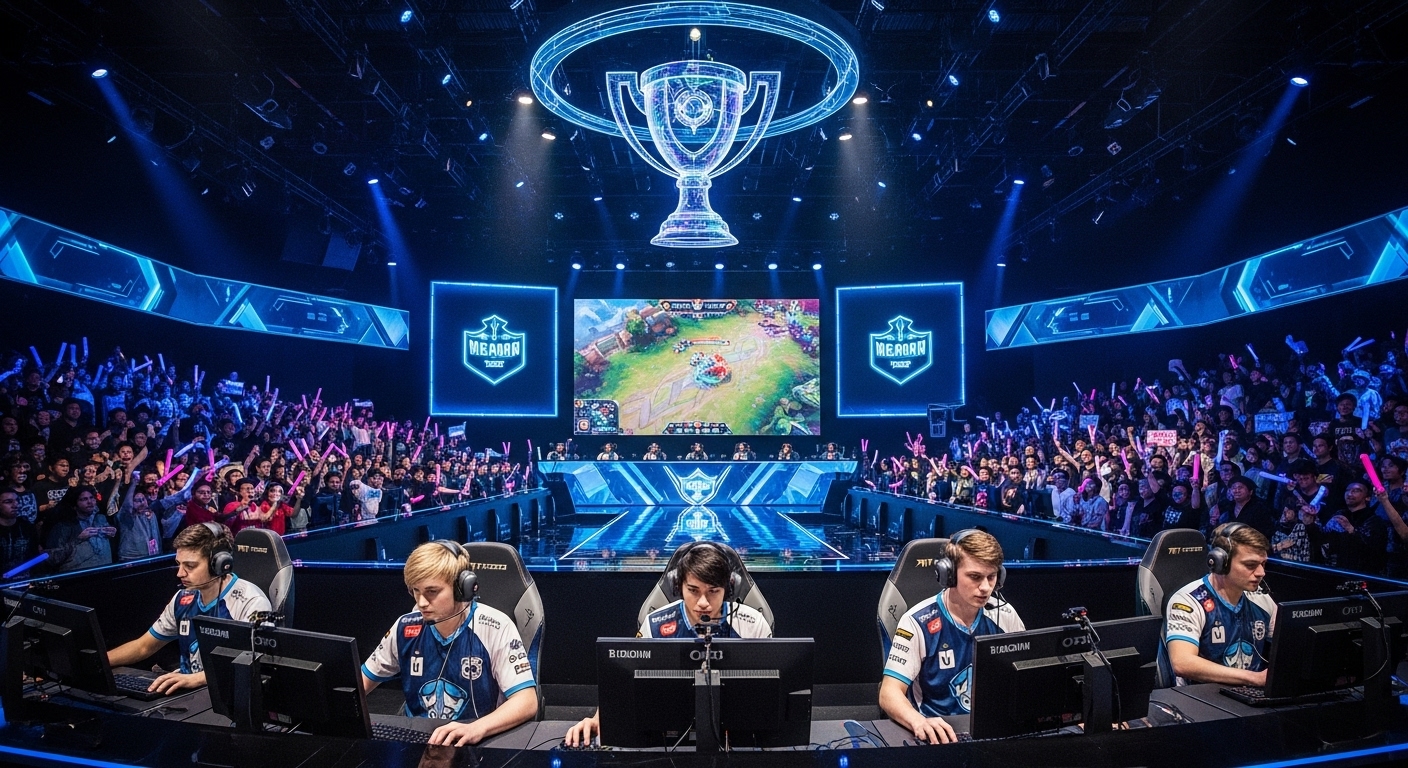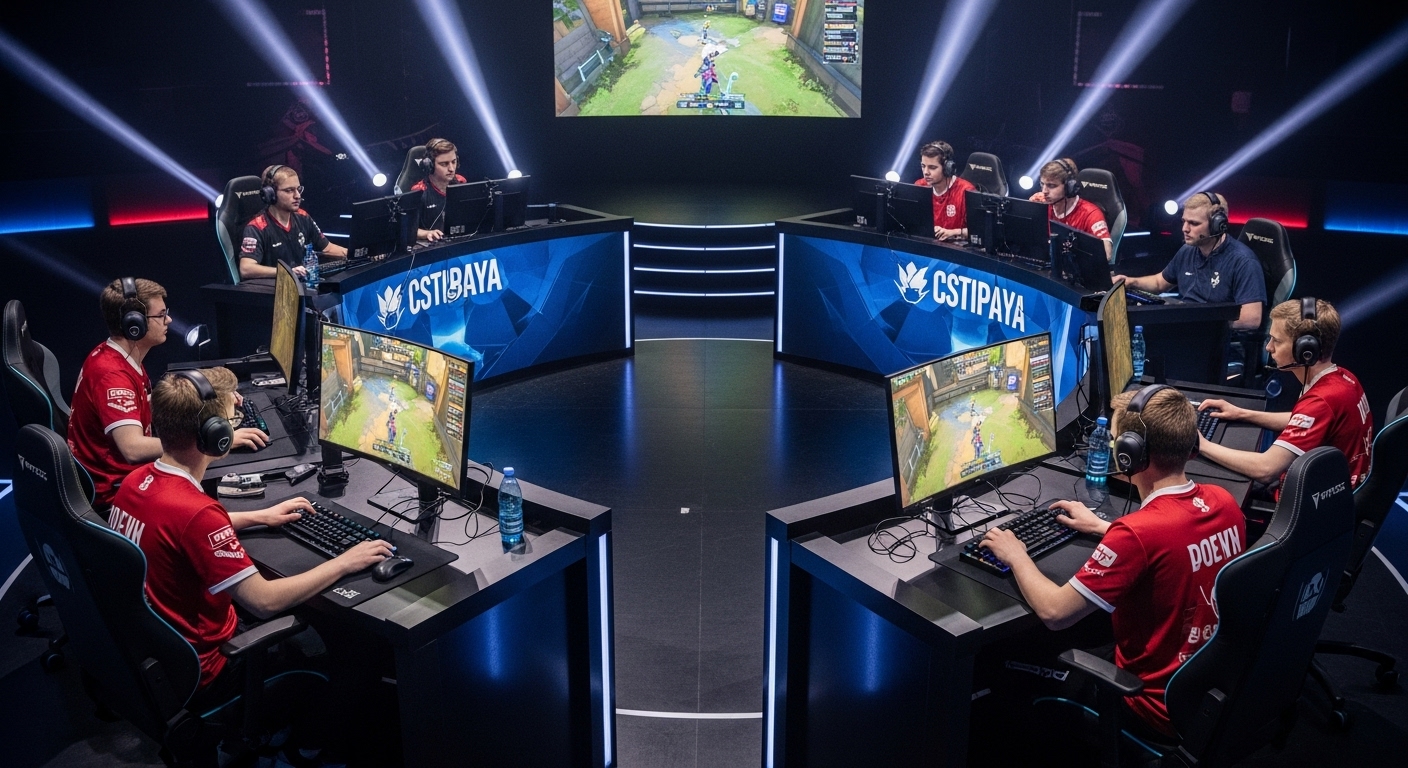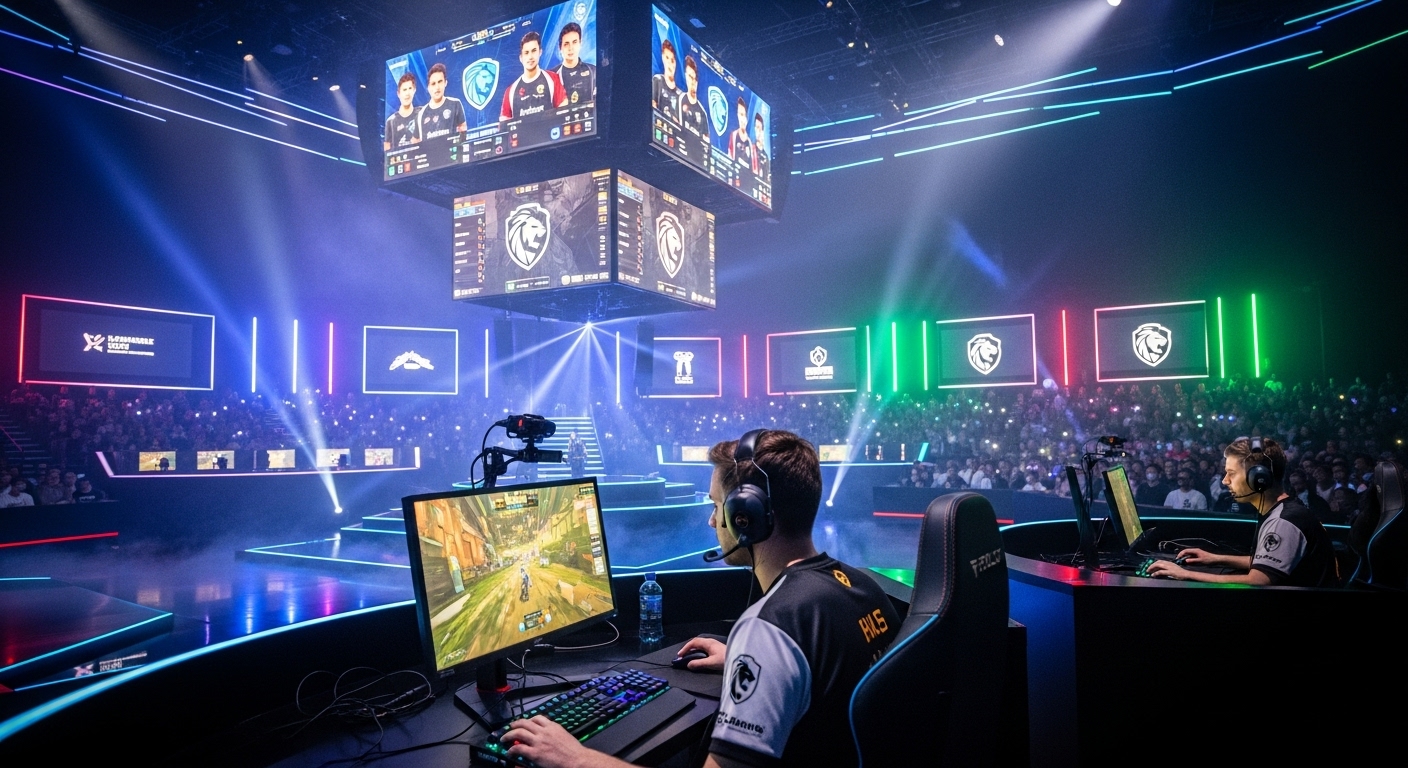
Esports, short for electronic sports, has transformed the way we perceive competitive gaming. What started as casual gatherings of friends in living rooms and LAN parties has evolved into a multi-billion-dollar industry with professional leagues, sponsorships, and global fanbases. The journey of esports reflects not just technological advancements but also societal changes in entertainment consumption, community building, and competitive culture. In this blog, we will explore the history, impact, and future of esports, highlighting the factors that make it one of the fastest-growing entertainment industries in the world.
The Origins of Competitive Gaming
Competitive gaming traces its roots back to the 1970s and 1980s, with early arcade competitions and high-score challenges. Titles like Space Invaders and Pac-Man created a culture of local competition, where players would attempt to etch their names onto leaderboards. The first recognized large-scale competitive gaming event was the Space Invaders Championship in 1980, attracting over ten thousand participants across the United States.
However, the term “esports” was not yet coined. The concept of organized, professional gaming began to solidify in the 1990s with the rise of PC gaming and multiplayer titles. Games like Quake and StarCraft introduced competitive formats that emphasized skill, strategy, and teamwork. This era laid the foundation for esports as a structured, spectator-friendly phenomenon.
Esports in the Modern Era
The 2000s marked a turning point for esports. Internet connectivity improved globally, enabling online multiplayer games to thrive. South Korea became a hub for professional gaming, particularly with StarCraft: Brood War. Gamers achieved celebrity status, and esports tournaments began attracting significant viewership both online and on television.
Titles like League of Legends, Counter-Strike, and Dota 2 revolutionized the industry by providing structured leagues and professional teams. These games introduced global tournaments with substantial prize pools, transforming gaming into a viable career path for talented players. The esports ecosystem also expanded to include coaches, analysts, commentators, and content creators, mirroring the structure of traditional sports.
The Economic Impact of Esports
Esports has grown into a multi-billion-dollar industry with revenue streams spanning sponsorships, advertising, merchandise, media rights, and ticket sales. Major tournaments offer prize pools in the millions, attracting top talent from around the world. For example, the Dota 2 International regularly exceeds a $30 million prize pool, making it one of the largest in competitive gaming history.
Corporate investment has fueled this growth. Companies ranging from tech giants to beverage brands sponsor teams, tournaments, and streaming platforms. This influx of capital not only supports professional players but also drives innovation in gaming technology, live broadcasting, and community engagement. The economic impact extends beyond the players and organizers, providing opportunities for peripheral industries such as hardware development, event management, and digital marketing.
The Role of Streaming Platforms
Streaming platforms have played a pivotal role in the rise of esports. Platforms like Twitch, YouTube Gaming, and Facebook Gaming provide accessible avenues for fans to watch live matches, interact with players, and engage in communities. Unlike traditional sports, esports streams often include live chat, allowing fans to communicate in real-time with content creators and other viewers.
These platforms also allow aspiring players to build their personal brands. Streamers and content creators can monetize their channels through subscriptions, donations, and sponsorships, blurring the line between competitive player and entertainer. The combination of live competition and interactive entertainment has cemented esports as a unique and highly engaging form of media.
Esports as a Career
Professional gaming has become a legitimate career option, attracting players from diverse backgrounds. Successful esports athletes often dedicate years to practice, developing skills, strategies, and teamwork essential for high-level competition. Unlike traditional sports, esports players must adapt to evolving game mechanics, meta-strategies, and constant updates from game developers.
In addition to players, the esports industry offers careers in coaching, content creation, event production, and game analysis. Teams often hire data analysts to study opponents, strategists to optimize gameplay, and marketing professionals to manage brand presence. This professionalization has transformed esports into a complex ecosystem resembling traditional sports in scope and structure.
The Psychological and Social Aspects of Esports
Esports is not just about gameplay; it is a social and psychological phenomenon. Players develop skills such as quick decision-making, multitasking, and strategic planning. Moreover, esports fosters communities where fans and players connect over shared interests, forming friendships and networks that transcend geographical boundaries.
However, the industry also faces challenges. Intense competition can lead to burnout, stress, and mental health issues for professional players. Organizations increasingly recognize the need for support systems, including mental health resources, physical training, and career counseling. The balance between competition and well-being is crucial for the long-term sustainability of esports careers.
Diversity and Inclusion in Esports
Historically, esports has been male-dominated, but the landscape is gradually changing. More women and non-binary players are entering professional circuits, and initiatives promoting diversity and inclusion are gaining traction. Community-driven tournaments, mentorship programs, and awareness campaigns are helping break down barriers and create a more equitable environment.
Diversity also enriches the competitive scene. Different perspectives and playstyles contribute to innovative strategies and dynamic gameplay, enhancing the overall spectator experience. As the industry grows, fostering inclusivity will be key to maintaining a vibrant, global esports ecosystem.
The Cultural Influence of Esports
Esports has permeated popular culture, influencing fashion, music, and media. Professional players are celebrated as celebrities, while tournaments are treated as major events, drawing attention from mainstream media. Games featured in esports often inspire content creation across platforms, from memes to fan art, further integrating gaming into global culture.
Colleges and universities have also embraced esports, offering scholarships, varsity programs, and dedicated facilities for competitive gaming. This institutional recognition mirrors traditional sports and reflects the increasing legitimacy of esports as a cultural and educational phenomenon.
Technological Innovations Driving Esports
The rapid evolution of technology has fueled esports growth. High-performance gaming hardware, virtual reality, and cloud gaming are transforming how players compete and how audiences consume content. Artificial intelligence and data analytics provide teams with tools to refine strategies and predict opponents’ moves.
Emerging technologies such as augmented reality and immersive broadcasting are enhancing spectator experiences. Fans can follow matches with multiple camera angles, in-game statistics, and interactive overlays, creating a more engaging and informative viewing environment. These innovations are expanding the boundaries of esports, making it more accessible and appealing to a global audience.
Esports and Traditional Sports Synergy
Esports and traditional sports are increasingly intersecting. Many professional sports teams invest in esports divisions, recognizing the overlap in fan demographics and entertainment value. Partnerships between leagues and gaming companies have resulted in hybrid events that blend physical and digital competition.
Furthermore, esports has inspired traditional sports organizations to innovate in fan engagement, digital content, and media strategies. This synergy highlights the broader impact of esports on the entertainment landscape, challenging conventions and redefining what competitive sports can look like in the digital age.
The Global Esports Landscape
Esports is truly a global phenomenon, with thriving communities across North America, Europe, Asia, and Latin America. South Korea remains a benchmark for professional gaming culture, while China has emerged as a dominant market with massive investment and viewership. Europe hosts prestigious tournaments in titles like Counter-Strike: Global Offensive, while North America boasts a diverse ecosystem of teams, leagues, and streaming platforms.
The international nature of esports also encourages cross-cultural exchange. Players from different regions compete together, sharing strategies, techniques, and perspectives. This global connectivity strengthens the esports community and enhances the competitive environment.
Challenges Facing the Esports Industry
Despite its growth, esports faces several challenges. Regulatory issues, including player contracts, match-fixing, and intellectual property disputes, require careful oversight. Maintaining fair competition and transparency is crucial to sustaining credibility.
Player well-being remains a central concern. Long hours of practice, travel, and competition can lead to physical and mental health problems. Organizations must prioritize support systems, including medical care, psychological counseling, and structured training programs.
Additionally, the industry faces the challenge of mainstream recognition. While esports has made significant cultural inroads, achieving parity with traditional sports in terms of media coverage, sponsorship, and public perception remains an ongoing effort.
The Future of Esports
The future of esports looks promising. Advancements in technology, growing investment, and expanding fanbases suggest continued growth. Emerging trends such as mobile esports, virtual reality competitions, and educational esports programs will shape the next decade of competitive gaming.
Esports is likely to become more integrated with mainstream entertainment, with tournaments drawing audiences comparable to major sports events. As the industry matures, ethical standards, inclusivity, and player welfare will be critical to sustaining its long-term success. The next frontier may include fully immersive esports experiences, AI-driven gameplay analysis, and cross-platform competitions that blur the line between physical and digital competition.
Conclusion
Esports has evolved from niche competitions to a global entertainment powerhouse. Its growth reflects the intersection of technology, culture, and competitive spirit. With professional players, dedicated teams, and passionate fans, esports has carved out a unique space in the modern entertainment landscape.
As the industry continues to innovate and expand, it challenges traditional notions of sports, entertainment, and community. The future of esports promises not only thrilling competitions but also opportunities for global connection, career development, and technological advancement. Whether you are a player, a fan, or simply a curious observer, the world of esports offers an exciting, dynamic, and ever-evolving universe worth exploring.