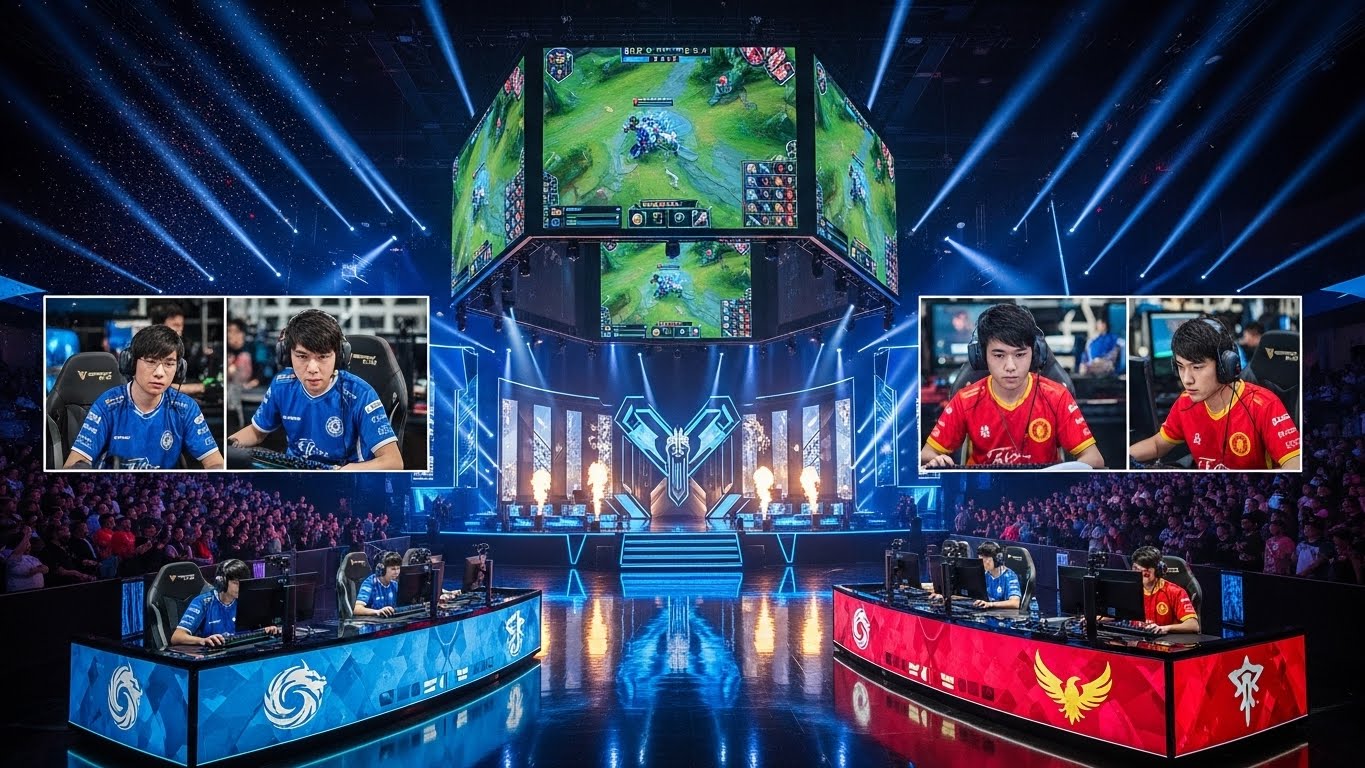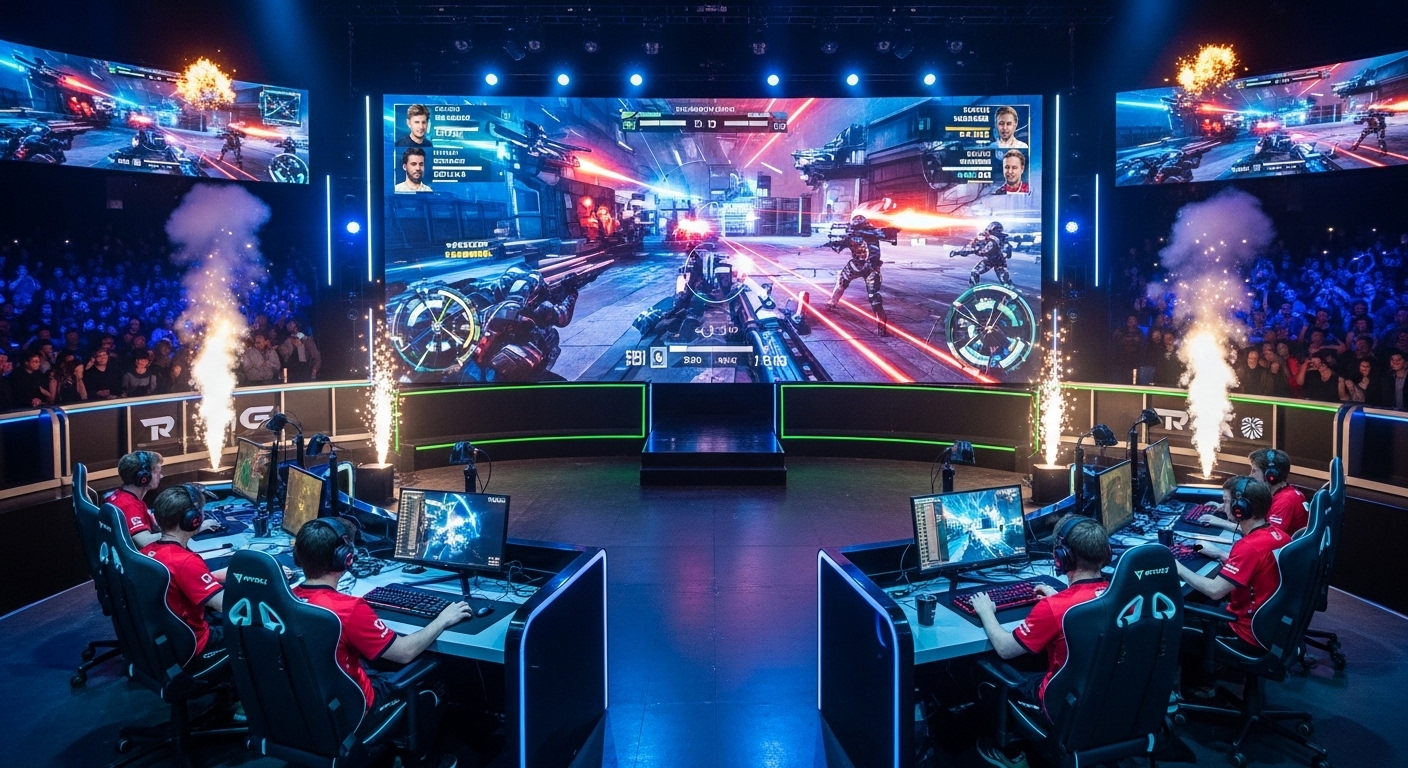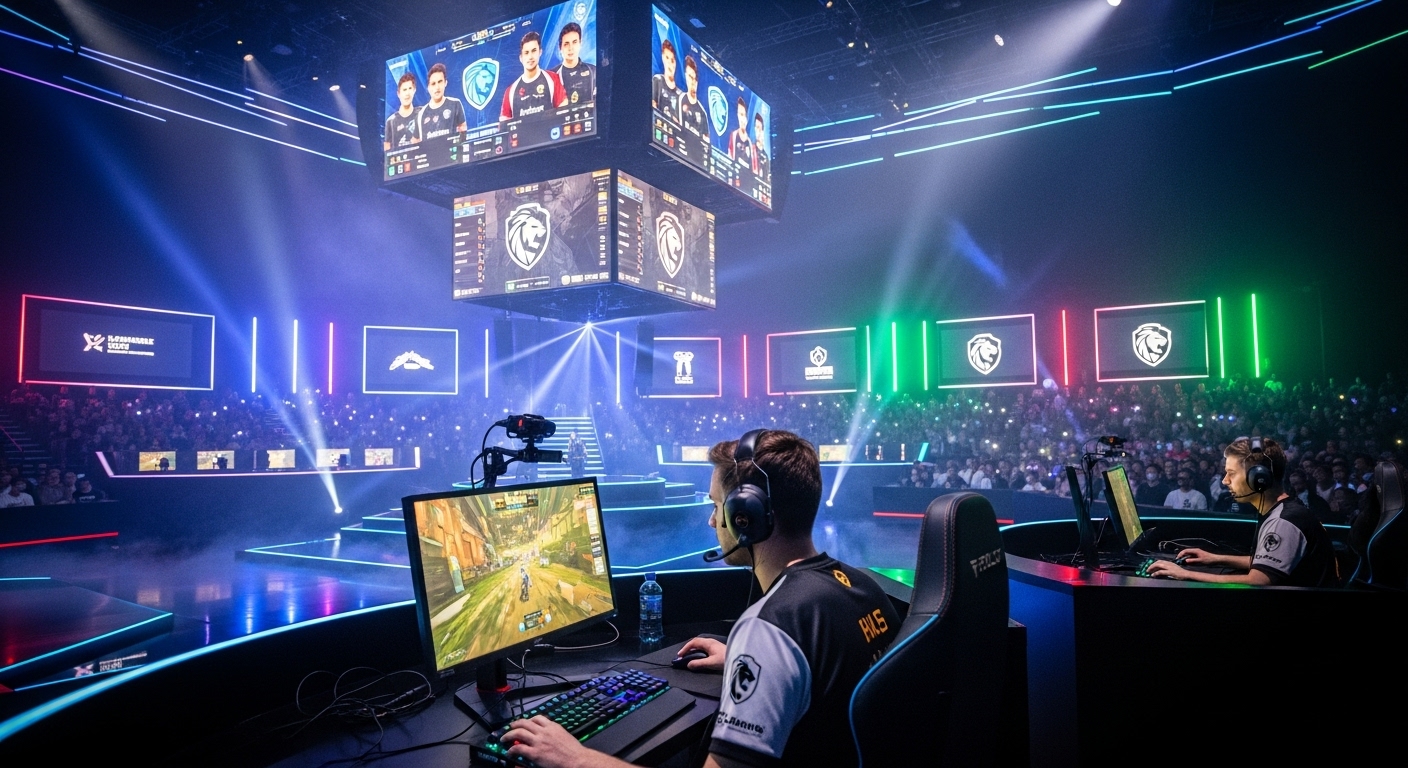
Esports, or electronic sports, has emerged as a global cultural phenomenon, evolving from humble beginnings into a multibillion-dollar industry that captivates millions of fans worldwide. From being a niche hobby to becoming a mainstream form of entertainment, esports has significantly altered how we think about gaming, competition, and professional sports. In this blog post, we will delve deep into the history of esports, explore its explosive rise, and predict where the industry is headed in the coming years.
The Early Days: Origins of Competitive Gaming
While the term “esports” might seem like a recent buzzword, competitive gaming has a long history. The first recorded esports competition took place in 1972 at Stanford University, where students competed in an event called the “Intergalactic Spacewar Olympics.” The game at the heart of the event was Spacewar, an early video game that ran on a PDP-1 computer. Though the event was small and largely limited to a single campus, it laid the groundwork for competitive gaming culture.
Throughout the 1980s, video games like Pong, Asteroids, and Pac-Man became iconic in arcades, and it was during this era that informal competitions began to pop up. These early gaming tournaments were more about fun than professionalism, but they helped establish the foundation for what would become a major competitive industry in the years to come.
In the 1990s, the advent of personal computers and the internet brought a significant shift to gaming. Titles like Doom and Warcraft introduced players to the world of multiplayer gaming, allowing people to connect over local area networks (LANs) or, later, the internet. It was during this period that competitive gaming began to take on a more structured form. Professional organizations, such as the Cyberathlete Professional League (CPL) founded in 1997, began hosting tournaments, and esports began to show signs of growing beyond a niche hobby.
The Global Phenomenon: The Rise of Esports in the 2000s
The early 2000s marked the dawn of esports as we know it today. The success of games like StarCraft, Warcraft III, and Counter-Strike pushed competitive gaming into the global spotlight. Esports was no longer a small-time hobby for a select few; it was becoming a global spectacle.
South Korea: The Epicenter of Esports
While competitive gaming had gained some traction in North America and Europe, South Korea became the true epicenter of esports in the early 2000s. The game that catalyzed this cultural shift was StarCraft: Brood War. The game’s success in South Korea was nothing short of revolutionary. It captured the nation’s imagination, and esports quickly became a national pastime. In fact, by the mid-2000s, esports had developed such a strong presence that it was broadcast on national television, and professional StarCraft players were viewed as celebrities.
The Korean government and media also played a significant role in esports’ rise in the region. Organizations like the Korean e-Sports Association (KeSPA) were instrumental in formalizing the esports industry. With the introduction of the Ongamenet (OGN) TV channel, esports tournaments were broadcast live, and players became household names. As a result, South Korea established itself as the global leader in competitive gaming and laid the groundwork for esports infrastructure worldwide.
Western Expansion: The Globalization of Esports
As esports continued to grow in South Korea, it began to spread to the West in the mid-2000s. The launch of World of Warcraft (WoW) in 2004, followed by League of Legends (LoL) in 2009, played a pivotal role in bringing esports to a wider global audience. Tournaments for these games attracted millions of viewers and drew large sponsorship deals from global brands. This expansion was further accelerated by the launch of Twitch in 2011, a live-streaming platform that made watching esports events easier than ever before.
By the time League of Legends World Championship debuted in 2011, it had set a precedent for the scale of esports tournaments. It attracted millions of viewers online and established the blueprint for esports competitions. The rapid rise of online streaming and the popularity of games like Counter-Strike: Global Offensive and Dota 2 only fueled the growth of esports, making it an international phenomenon.
The Current Landscape: Esports as a Multibillion-Dollar Industry
Today, esports has evolved into a multi-billion-dollar industry. From massive global tournaments with millions in prize money to professional teams with multi-year sponsorship deals, esports has transformed into a legitimate industry comparable to traditional sports.
The Business of Esports: Revenue Streams and Sponsorships
One of the key drivers of esports’ growth has been its ability to generate revenue from various streams. These include:
- Tournament Prize Pools: Major esports tournaments, such as The International (for Dota 2), League of Legends World Championship, and CS:GO Major Championships, offer prize pools that can reach into the tens of millions of dollars. The International 2021, for example, had a prize pool of over $40 million, making it the largest esports prize pool in history.
- Sponsorships and Partnerships: Esports has become a prime opportunity for brands looking to reach a young, engaged audience. Global companies like Coca-Cola, Intel, and Mercedes-Benz have all signed sponsorship deals with esports leagues and teams. Esports teams also secure sponsorships from tech companies, apparel brands, and even non-endemic industries like food and beverages.
- Streaming and Media Rights: Platforms like Twitch, YouTube Gaming, and Facebook Gaming are key players in the monetization of esports. These platforms generate revenue through ads, subscriptions, and partnerships. In addition, media companies like ESPN and Turner Sports have begun broadcasting esports tournaments, further legitimizing the industry in the eyes of the mainstream public.
- Merchandising and Product Sales: As esports teams have developed global fanbases, merchandising has become a significant revenue stream. Fans purchase jerseys, posters, and other team-branded products. In addition, game publishers often release in-game items, skins, and other microtransactions that contribute to revenue.
The convergence of these revenue streams has enabled esports to continue growing at a rapid pace. By 2023, the global esports industry was valued at around $1.5 billion, and it is expected to grow further as more brands and viewers become involved.
The Rise of Professional Esports Teams
As esports grew, so did the need for professional organizations to manage teams, train players, and organize events. Just like in traditional sports, esports teams are now managed like professional franchises. Teams are made up of highly skilled players who dedicate their lives to mastering their respective games. These players often receive training, psychological coaching, and even nutrition guidance to maintain peak performance.
Teams such as Team Liquid, T1, Cloud9, and Fnatic are among the most well-known organizations in the esports world, with players competing in games like League of Legends, Dota 2, Counter-Strike: Global Offensive, and Overwatch. These teams participate in regional and international leagues, where they vie for titles and substantial prize money. The growth of esports organizations has also led to job creation in a variety of fields, including coaching, marketing, content creation, and event management.
The Esports Community: A Global Fanbase
One of the most significant aspects of esports is its ability to connect people from all over the world. Unlike traditional sports, where fans typically support local teams or national leagues, esports has a truly global audience. Fans from different continents can support the same teams and players, regardless of geographic location.
The rise of esports streaming platforms like Twitch has facilitated this connection. Fans can watch live competitions, interact with players through live chats, and even support their favorite streamers through donations and subscriptions. This sense of community has helped build a dedicated and passionate fanbase that is highly engaged with the games and players they love.
Esports has also fostered a new kind of celebrity. Professional gamers are often viewed as role models or heroes by their fans, and many have built massive followings on social media platforms. Some players, like Faker (Lee Sang-hyeok), a League of Legends legend, have achieved global recognition and can command millions of dollars in sponsorships, endorsement deals, and prize money.
The Future of Esports: What’s Next?
While esports is already a massive industry, its growth is far from over. Several key trends suggest that the esports landscape will continue to evolve in the coming years.
Integration with Traditional Sports
One of the most exciting developments in esports is the increasing crossover with traditional sports. In recent years, major sports organizations have shown interest in esports. Teams from the NBA, NFL, and other sports leagues have invested in esports, either by creating their own teams or sponsoring existing ones. As esports and traditional sports continue to intersect, we may see more collaborative events, hybrid tournaments, and even integration into the mainstream sports ecosystem.
The Role of Virtual Reality (VR) and Augmented Reality (AR)
Virtual Reality and Augmented Reality have the potential to revolutionize esports in the near future. Imagine playing an esports game in a fully immersive VR environment or watching a live event where you can experience the action in 3D through AR. These technologies could enhance the viewer experience and make esports competitions even more thrilling and interactive.
Educational and Career Opportunities
As esports continues to grow, we can expect to see more educational institutions embracing esports. Universities are offering esports scholarships, while high schools and colleges are beginning to create competitive gaming programs. Furthermore, as the industry matures, new career opportunities in fields like broadcasting, analytics, game design, and management will continue to emerge.