Introduction: The Rise of a New Arena
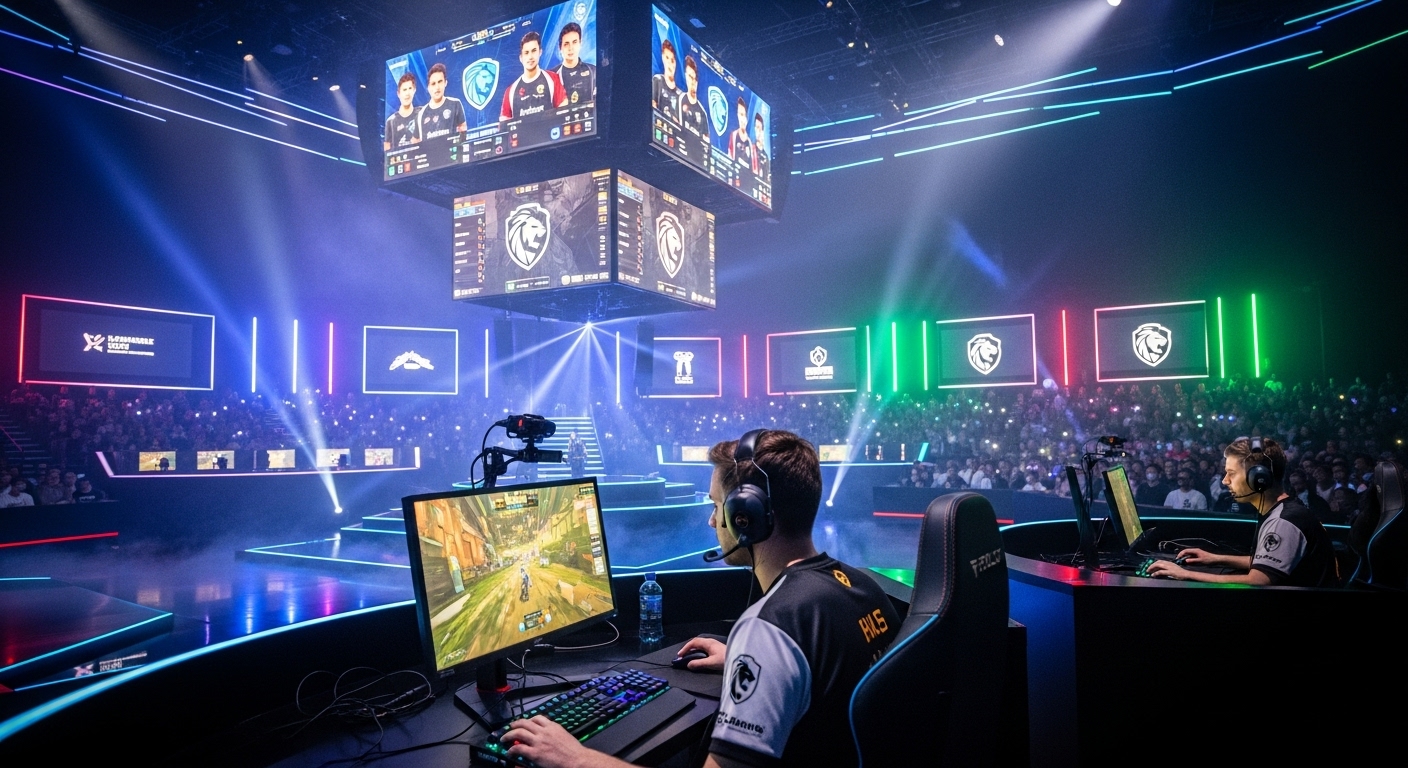
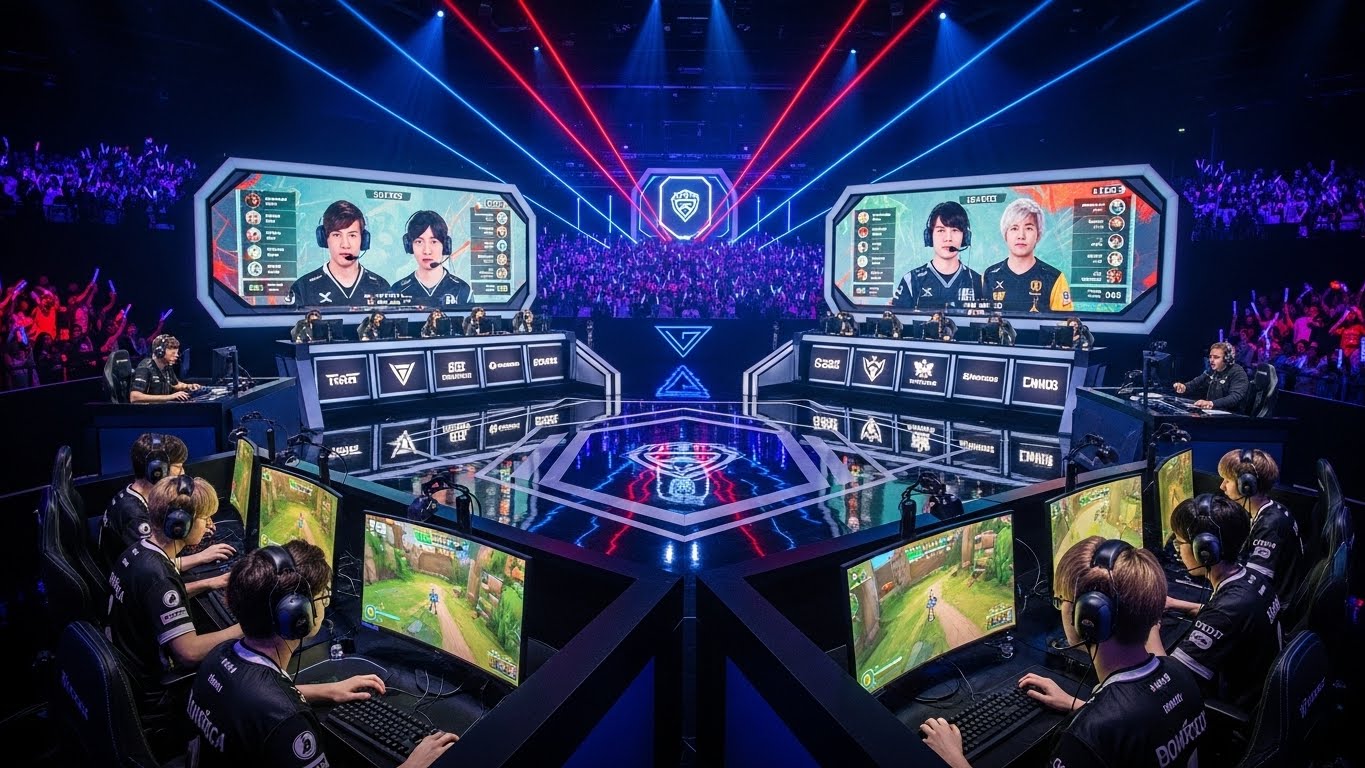
Once dismissed as a niche hobby for teenagers, esports has grown into a global cultural and economic phenomenon. Competitive video gaming now fills stadiums, attracts millions of online viewers, and offers prize pools that rival traditional sports. What began with small local tournaments has transformed into a professional industry with teams, coaches, analysts, broadcasters, sponsors, and dedicated fans across the world. Esports is no longer just about playing games; it is about strategy, storytelling, community, and the future of entertainment.
This blog explores how esports emerged, why it resonates with modern audiences, and what its continued growth means for players, fans, and society at large.
Understanding Esports: More Than Just Gaming
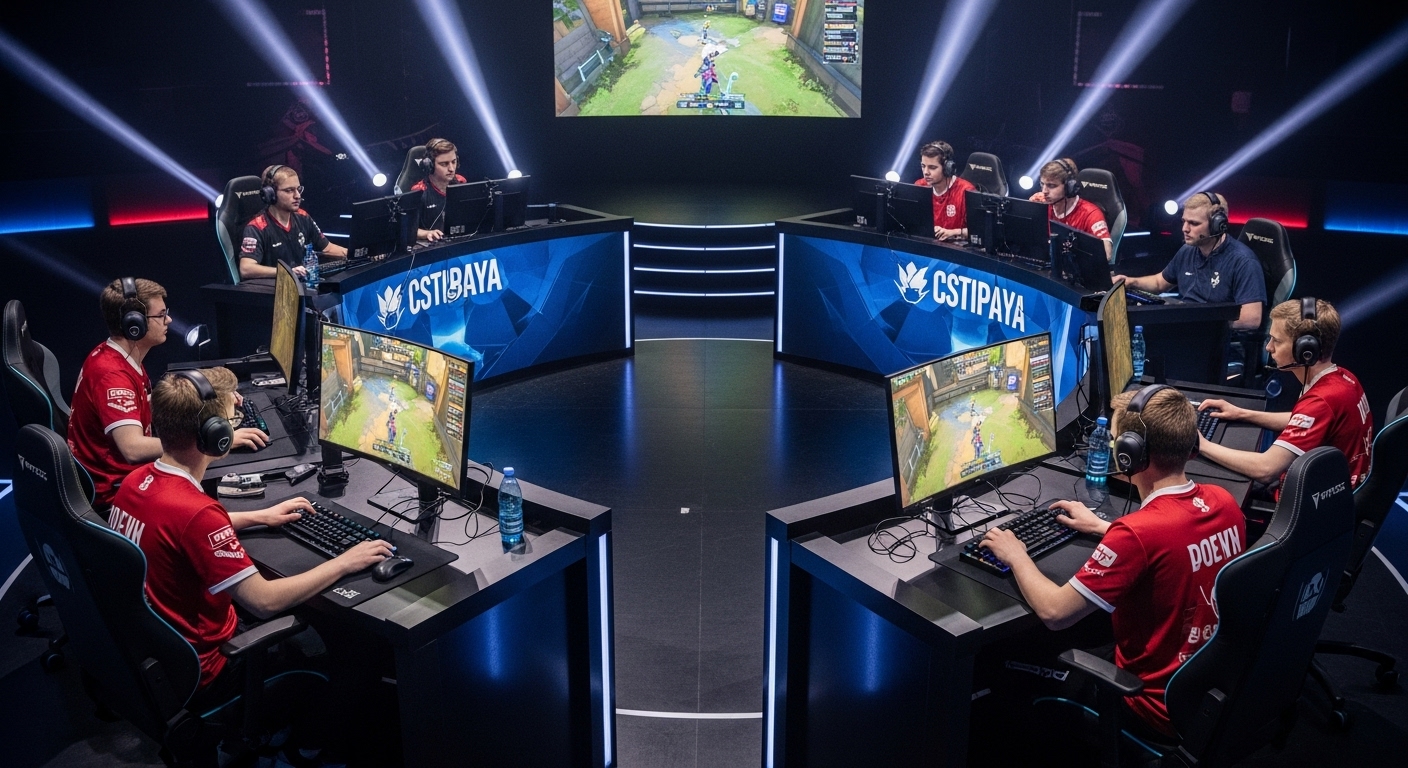
Esports refers to organized, competitive video gaming where individuals or teams compete at a professional or semi-professional level. These competitions are typically structured around popular multiplayer games that emphasize skill, strategy, teamwork, and quick decision-making. Matches are played under strict rules, often governed by leagues or tournament organizers.
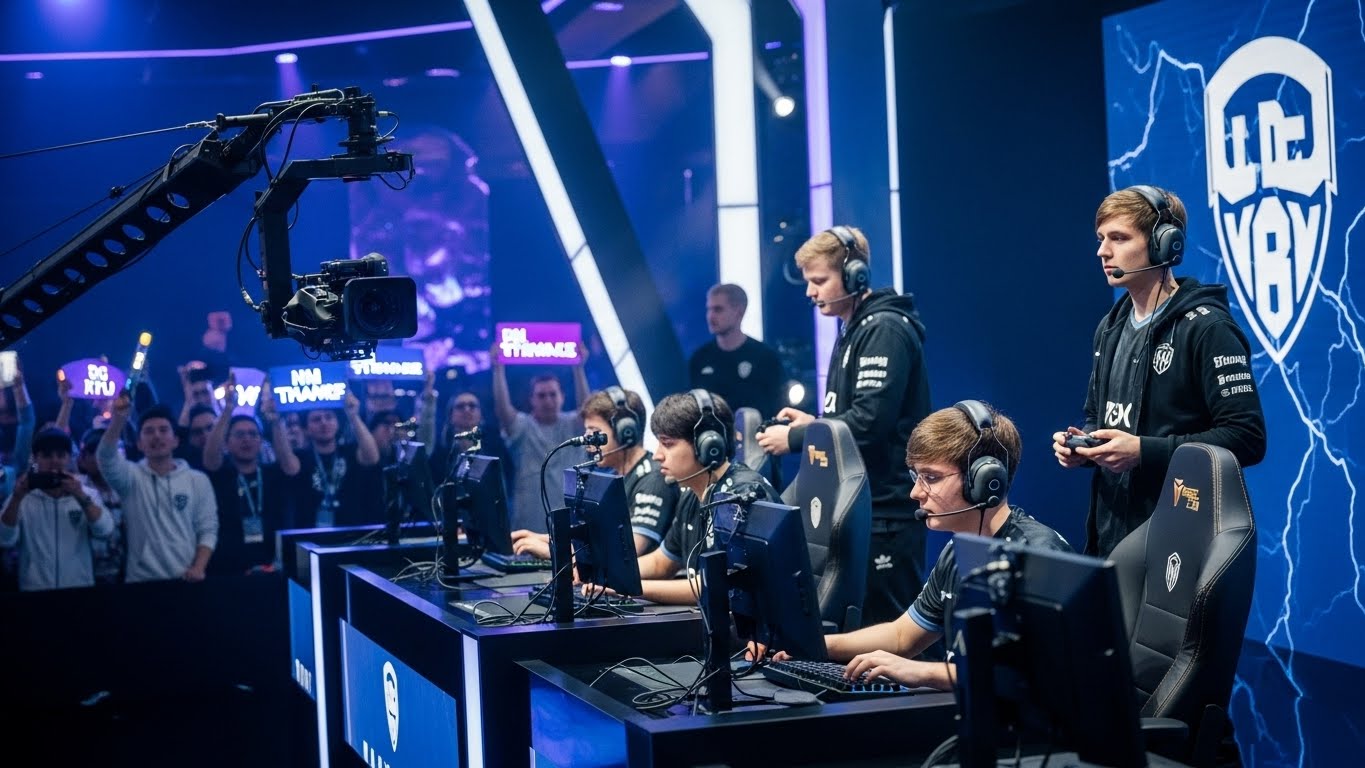
What separates esports from casual gaming is its professional ecosystem. Players train for hours daily, teams analyze opponents, and coaches develop strategies much like in traditional sports. Referees, commentators, and production crews ensure matches are fair and engaging for spectators. This structure has helped esports gain legitimacy and recognition on a global scale.
A Brief History of Competitive Gaming
The roots of esports stretch back several decades. Early competitive gaming events appeared in arcades and university campuses, where players competed for high scores and bragging rights. As home consoles and personal computers became more common, local competitions expanded into regional and national tournaments.
The real turning point came with the rise of the internet. Online multiplayer gaming allowed players from different countries to compete regularly, creating international rivalries and communities. Streaming platforms further accelerated growth by allowing fans to watch matches live, interact with players, and feel part of the action. Over time, esports evolved from underground competitions into polished global spectacles.
Popular Esports Genres and Games
Esports spans multiple game genres, each offering a unique competitive experience. Multiplayer online battle arenas focus on teamwork and strategy, with players controlling individual characters that must work together to defeat opponents. First-person shooters emphasize precision, reflexes, and coordination, often delivering fast-paced and intense matches. Real-time strategy games reward long-term planning and adaptability, while sports simulation games mirror real-world athletics in a digital format.
This diversity is one of esports’ greatest strengths. It allows fans to find games that match their interests and skills, and it encourages constant innovation as developers introduce new mechanics and competitive formats.
The Professional Esports Athlete
Professional esports players are athletes in every sense of the word. They follow structured training routines that include practice sessions, strategy reviews, physical exercise, and mental conditioning. Reaction time, hand-eye coordination, and decision-making under pressure are critical skills that must be honed through constant repetition.
Unlike traditional sports, esports careers often begin at a very young age. Many top players reach peak performance in their late teens or early twenties. This reality has led teams to invest in player development, health management, and career planning to ensure longevity and post-competition opportunities.
Teams, Leagues, and Global Competition
Esports teams function much like professional sports franchises. They sign players to contracts, provide salaries, and compete in leagues or tournaments throughout the year. Some leagues operate on a seasonal basis with regular matches, playoffs, and championship finals. Others are open tournaments where teams qualify through performance.
International competition is a defining feature of esports. Teams regularly travel across continents to compete against the best in the world, creating a truly global sport. This international nature fosters cultural exchange and unites fans from different backgrounds through a shared passion for competition.
The Business of Esports
The economic impact of esports is substantial and continues to grow. Revenue streams include sponsorships, advertising, merchandise sales, ticketed events, and media rights. Brands from technology, fashion, food, and finance industries have entered the esports space, recognizing its ability to reach younger, digitally savvy audiences.
Tournament prize pools have grown dramatically, sometimes reaching tens of millions in total winnings. While only a small percentage of players earn life-changing money, the expanding ecosystem has created numerous career paths beyond playing, including coaching, content creation, event management, and marketing.
Fans and Community: The Heart of Esports
At its core, esports thrives because of its passionate community. Fans engage with the scene not only by watching matches but also by participating in discussions, creating fan art, organizing local events, and supporting their favorite teams and players. This level of interaction creates a sense of belonging that traditional sports sometimes struggle to replicate.
Online platforms allow fans to communicate directly with players and personalities, breaking down barriers and humanizing competitors. This closeness strengthens loyalty and helps esports maintain a vibrant and inclusive culture.
Esports and Education
As esports has gained legitimacy, educational institutions have begun to embrace it. Schools and universities now offer esports programs, scholarships, and dedicated facilities. These initiatives aim to develop both competitive skills and academic growth, teaching students teamwork, leadership, communication, and technology literacy.
Beyond competition, esports education can lead to careers in game design, broadcasting, data analysis, and digital media. This connection between gaming and learning challenges outdated stereotypes and highlights the broader value of esports in modern education.
Health, Balance, and Responsibility
Despite its many positives, esports faces challenges related to player health and well-being. Long hours of practice can lead to physical strain, sleep issues, and burnout. Mental health is also a growing concern, as players deal with performance pressure, public scrutiny, and short career spans.
The industry has begun to address these issues by promoting healthier training schedules, physical fitness, and mental health support. As esports continues to mature, balancing performance with well-being will be essential for sustainable growth.
The Future of Esports
The future of esports looks promising and dynamic. Advances in technology such as virtual reality, augmented reality, and improved streaming experiences may redefine how competitions are played and watched. Increased mainstream acceptance could lead to greater integration with traditional sports, entertainment, and media.
Esports is also likely to expand its reach into new regions and demographics, bringing competitive gaming to even broader audiences. As rules, governance, and infrastructure continue to develop, esports may become a permanent pillar of global sport and culture.
Conclusion: A Digital Revolution in Competition
Esports represents a fundamental shift in how competition, entertainment, and community are experienced in the digital age. It blends technology with human skill, creating a new kind of sport that reflects modern values and lifestyles. From its humble beginnings to its current global influence, esports has proven that competition is not limited to physical fields and arenas.
As the industry continues to evolve, esports will shape the future of entertainment, inspire new generations of competitors, and redefine what it means to be an athlete in the twenty-first century.