In recent years, esports has evolved from a niche entertainment sector into a full-fledged competitive arena, rivaling traditional sports in organization, structure, and strategy. The parallels between the two worlds are increasingly clear, especially when it comes to teamwork, preparation, adaptability, and performance under pressure. Esports, much like physical sports, thrives on discipline, strategy, and communication. This article explores how esports strategies mirror those found in traditional sports and how the digital arena has created a new way of understanding competition and skill development.
The Strategic Foundation: Planning and Preparation
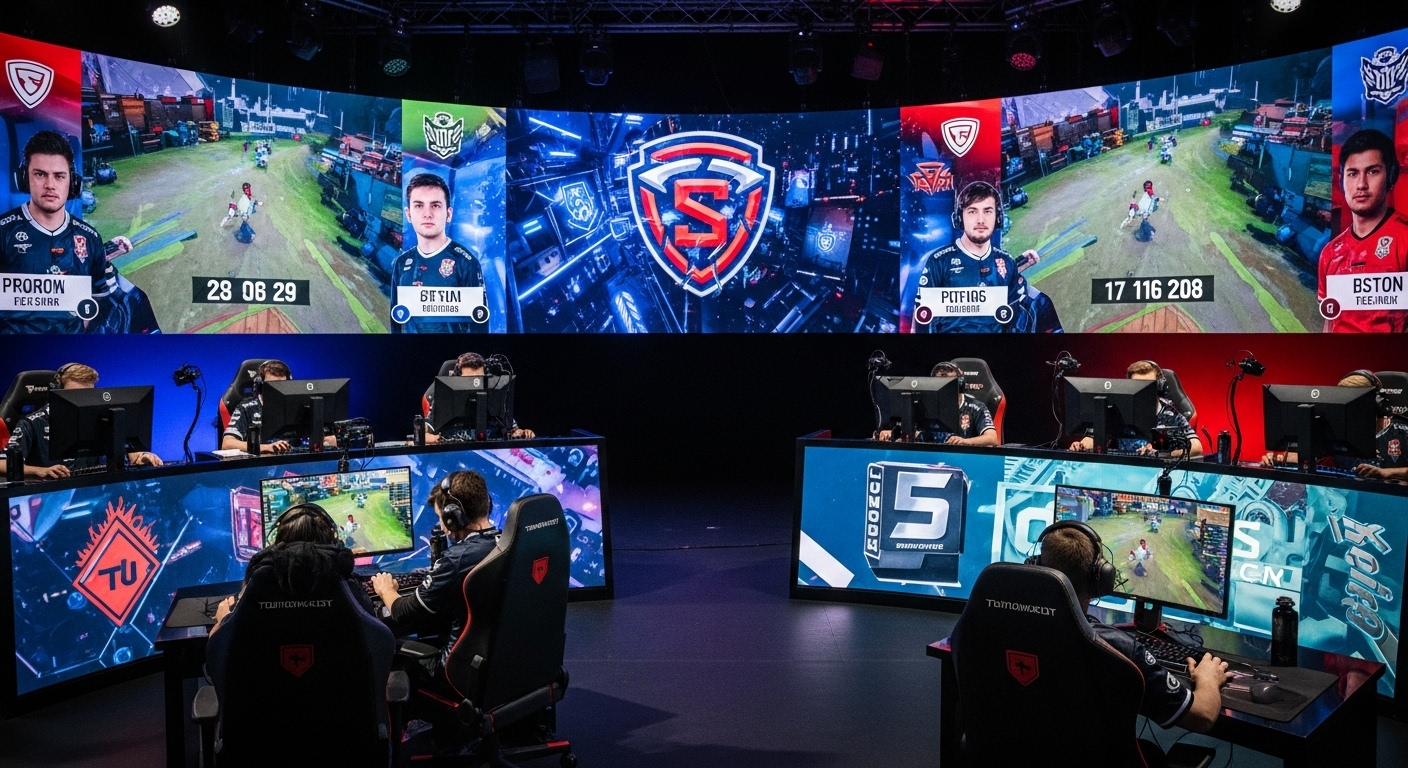
In both esports and traditional sports, preparation is often the deciding factor between victory and defeat. Teams in esports devote countless hours to analyzing their opponents, understanding gameplay mechanics, and perfecting strategies—similar to how football teams study game tapes or how basketball teams plan plays. Before a major tournament, esports organizations run through “scrims” (practice matches) to refine tactics, test new ideas, and identify weaknesses.
Traditional sports follow a parallel routine through training sessions, play rehearsals, and tactical meetings. Coaches prepare playbooks and game plans tailored to opponents’ tendencies. In esports, analysts break down video replays, studying enemy positioning, decision-making patterns, and timing of abilities. The strategic mindset is identical: anticipate, prepare, and execute with precision.
Preparation also includes physical and mental readiness. While esports may not rely on physical endurance to the same degree, players maintain strict schedules, regular exercise routines, and focus training to sharpen reflexes and mental stamina—similar to professional athletes maintaining conditioning and focus before a big game.
Team Dynamics and Communication
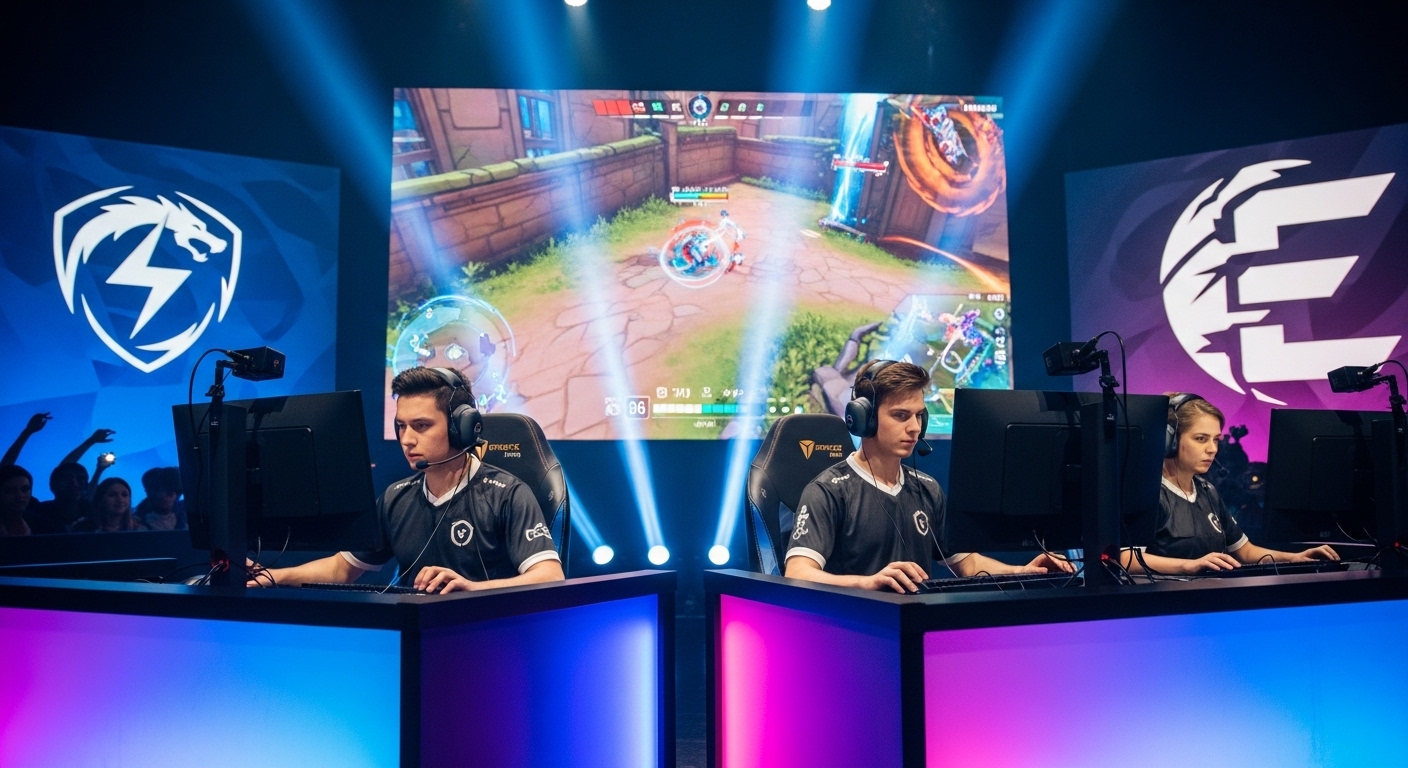
Effective teamwork lies at the core of both esports and traditional sports. Success depends not only on individual skill but on how well teammates coordinate their actions and communicate under pressure. In esports titles like League of Legends, Counter-Strike 2, and Overwatch, players must constantly share information about opponents’ positions, resources, and strategies. This real-time coordination mirrors the communication between football players on the field or hockey players on the ice.
In both forms of competition, a moment of silence or miscommunication can lead to disaster. Coaches and captains play similar leadership roles, ensuring each member understands their responsibilities and remains synchronized. In traditional sports, a quarterback reads defenses and adjusts plays on the fly; in esports, an in-game leader makes split-second decisions based on evolving circumstances.
Chemistry and trust between teammates are as vital in esports as they are in any team sport. The best teams often consist not just of top-tier individual players but of those who understand each other’s habits, timing, and emotional cues. The dynamic nature of both physical and virtual sports highlights the importance of leadership, cohesion, and unity.
Coaching and Analytical Support
Behind every successful team—whether on the pitch or in the arena—stands a skilled coaching and support staff. In traditional sports, coaches design tactics, manage player morale, and make adjustments mid-game. Esports coaches and analysts do much the same. They study data, observe gameplay patterns, and provide detailed feedback to help players refine decision-making and teamwork.
Modern esports organizations employ data analysts who use software to collect metrics such as accuracy rates, reaction times, and map control statistics. This mirrors how professional football or basketball teams use analytics to optimize player rotations, understand shot efficiency, or measure performance under different conditions.
The rise of analytics in esports demonstrates how deeply the industry borrows from the strategic principles of traditional sports. Teams that embrace data-driven decision-making often gain a competitive edge, much like those in professional athletics who adopt sports science and analytics to fine-tune performance.
Mental Fortitude and Pressure Management
Competition is as much a psychological challenge as it is a physical or technical one. Both esports athletes and traditional sports players face immense pressure—whether from fans, sponsors, or personal expectations. Maintaining focus in high-stakes moments defines champions in every arena.
In traditional sports, athletes undergo mental conditioning to improve resilience, handle losses, and maintain composure during intense games. Esports professionals face similar challenges. The fast-paced, high-stress environment of tournaments can lead to mental fatigue and burnout if not properly managed.
Sports psychologists now play a growing role in esports, helping players control nerves, stay present, and recover from setbacks. The parallels with traditional sports psychology are unmistakable. Whether you are a football player preparing for a championship or an esports pro about to enter a grand final, the ability to stay calm and focused determines performance under pressure.
Tactical Adaptability and Mid-Game Adjustments
One of the strongest similarities between esports and traditional sports lies in the ability to adapt tactics during live competition. In soccer, a coach may switch formations to counter an opponent’s style. In esports, teams make real-time adjustments to exploit weaknesses or react to changing conditions.
For example, in Counter-Strike 2, a team may change from an aggressive rushing tactic to a slow, methodical play after losing multiple rounds. Similarly, in League of Legends, players adapt item builds or reposition objectives based on the opponents’ strategy. This capacity for in-game evolution demonstrates the shared emphasis on situational awareness, adaptability, and strategic flexibility that defines elite competitors across all sports.
Just as traditional sports require players to “read the game,” esports demands the same awareness of momentum, timing, and opportunity. Teams that excel at identifying shifts in tempo or exploiting small openings often find themselves victorious.
Training Methods and Skill Development
The training regimens of esports players increasingly resemble those of traditional athletes. Professional teams employ structured schedules that include technical drills, team scrimmages, performance reviews, and rest periods. Players practice mechanics such as aiming, reaction time, and coordination much like athletes train muscle memory, balance, and agility.
Esports organizations also emphasize physical health, recognizing that posture, hand dexterity, and endurance affect performance. Many players now incorporate fitness programs, healthy diets, and meditation into their routines. This holistic approach reflects the modern understanding in sports science that optimal performance arises from the balance of mind, body, and skill.
In addition, esports academies mirror traditional sports development systems. Young players are scouted, trained, and mentored by professional coaches in structured environments designed to cultivate discipline and teamwork—just as traditional sports academies nurture young athletes.
Fan Engagement and Spectator Experience
The parallels between esports and traditional sports extend beyond gameplay into the realm of fan experience. Both industries rely heavily on emotional connection, storytelling, and community engagement. Fans support their favorite teams, follow player careers, and attend live events to feel part of something larger than themselves.
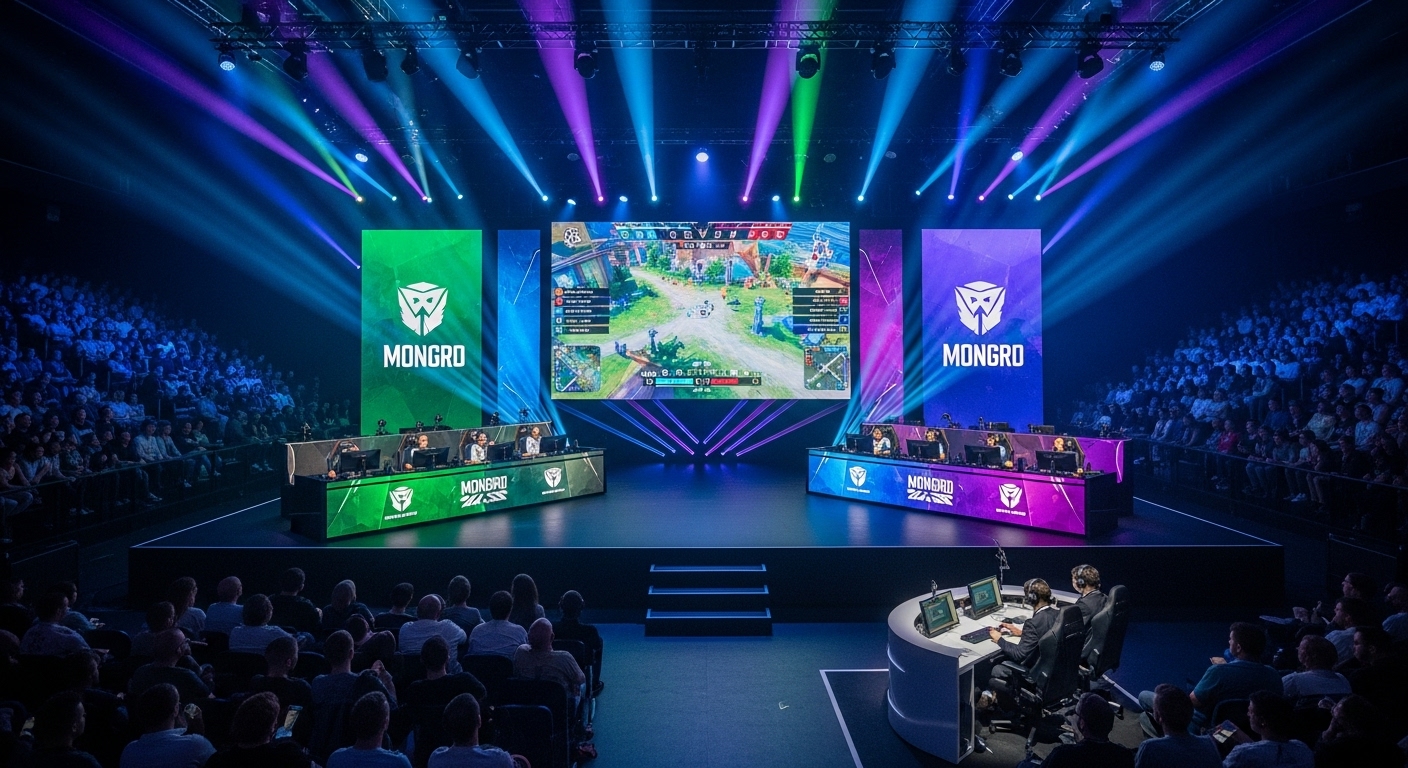
Just as football fans wear jerseys and attend matches, esports enthusiasts participate in live tournaments, waving banners, chanting slogans, and celebrating victories together. The passion, loyalty, and rivalries among fans closely resemble those in any sporting culture.
Broadcasts and commentary also draw from traditional sports models. Esports commentators, known as “casters,” analyze plays, provide live insights, and build excitement—similar to sports announcers in football or basketball. The shared goal is to enhance the viewing experience and deepen audience connection to the competition.
The Evolution of Strategy Across Generations
Over time, esports strategies, much like traditional sports tactics, evolve as new technologies, rule changes, and player innovations emerge. Teams study historical matches, learn from past champions, and adapt their play to modern trends. This evolution mirrors how sports teams continually refine play styles, introducing fresh formations or training methods based on analytics and innovation.
Esports also benefits from rapid technological advancement, allowing teams to test strategies more efficiently using replays, simulators, and AI-driven tools. However, the fundamental principles—teamwork, adaptability, and execution—remain universal across both digital and physical arenas.
The ongoing exchange of ideas between the two worlds is increasingly visible. Many esports teams now hire traditional sports coaches for leadership training, while physical athletes engage with esports for strategic thinking and reflex improvement. This cross-pollination of ideas highlights the deep similarities in how strategy and success are built.
Conclusion: The Convergence of Two Worlds
Esports and traditional sports may exist in different physical spaces, but their strategic cores are strikingly alike. Both require dedication, preparation, teamwork, and adaptability. The evolution of esports shows that the essence of competition—planning, communication, and performance under pressure—transcends medium and form.
As esports continues to mature, its resemblance to traditional sports only deepens. Players train like athletes, coaches strategize like tacticians, and fans celebrate with the same passion found in any stadium around the world. What began as digital recreation has grown into a professional, disciplined, and strategic pursuit that reflects the spirit of sport itself.
Ultimately, the line between esports and traditional sports is not a divide but a bridge—one that connects generations of competitors, fans, and innovators who share the same love for the game, regardless of whether it’s played on a field or a screen.