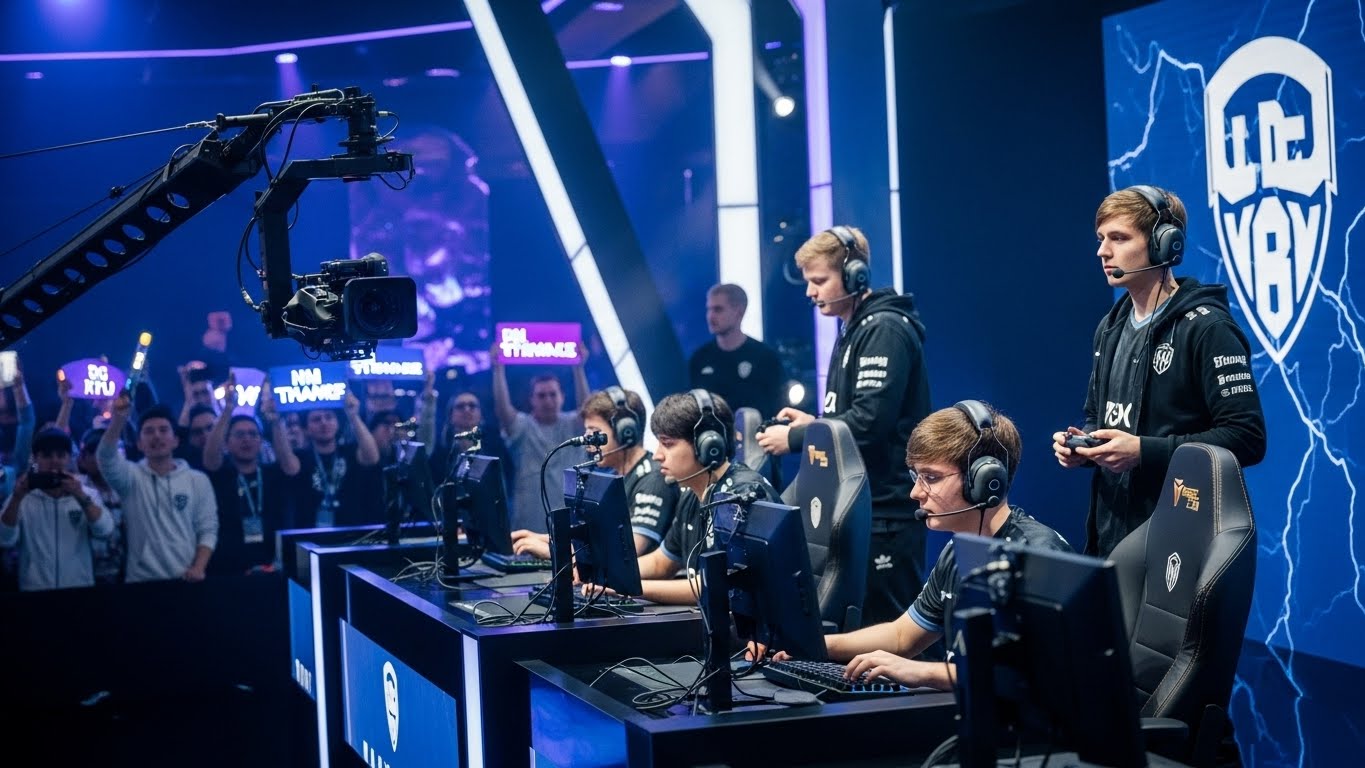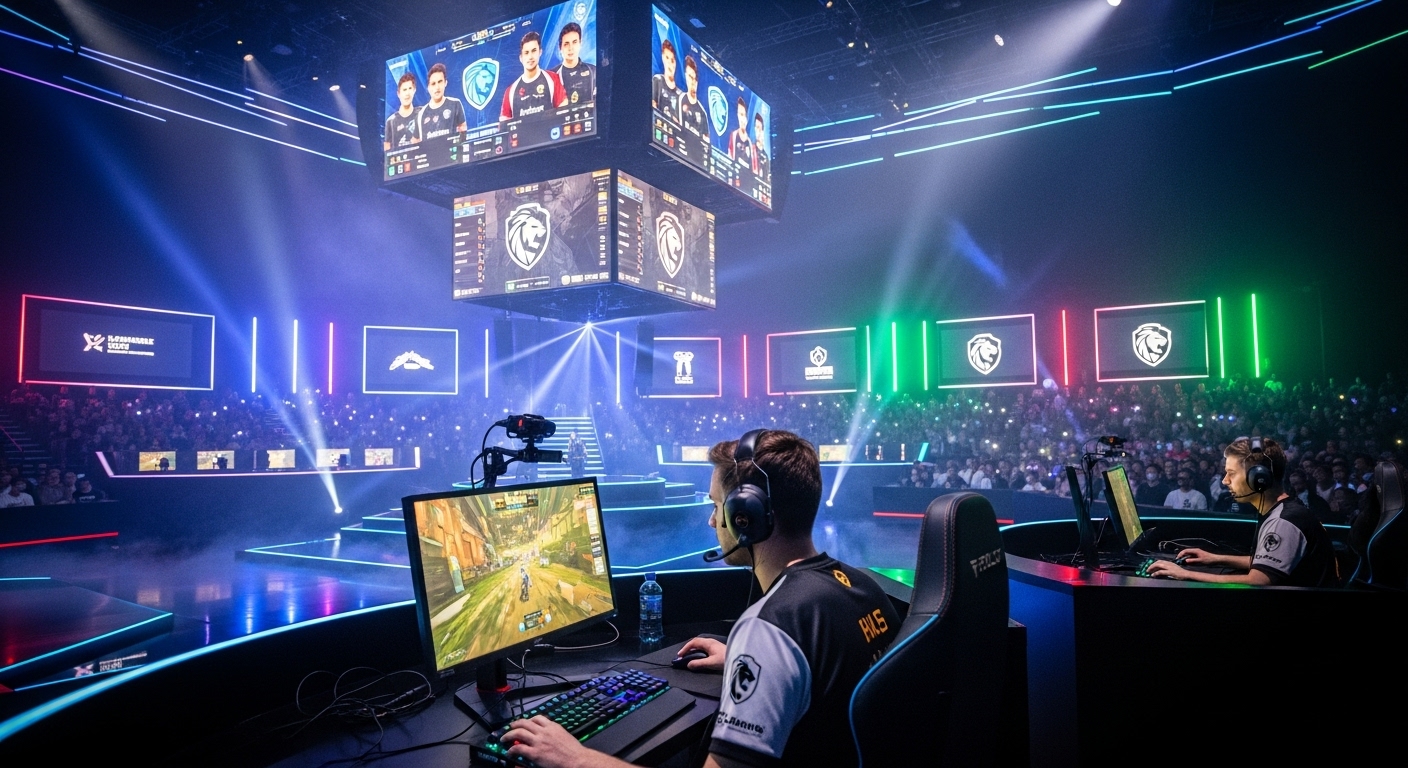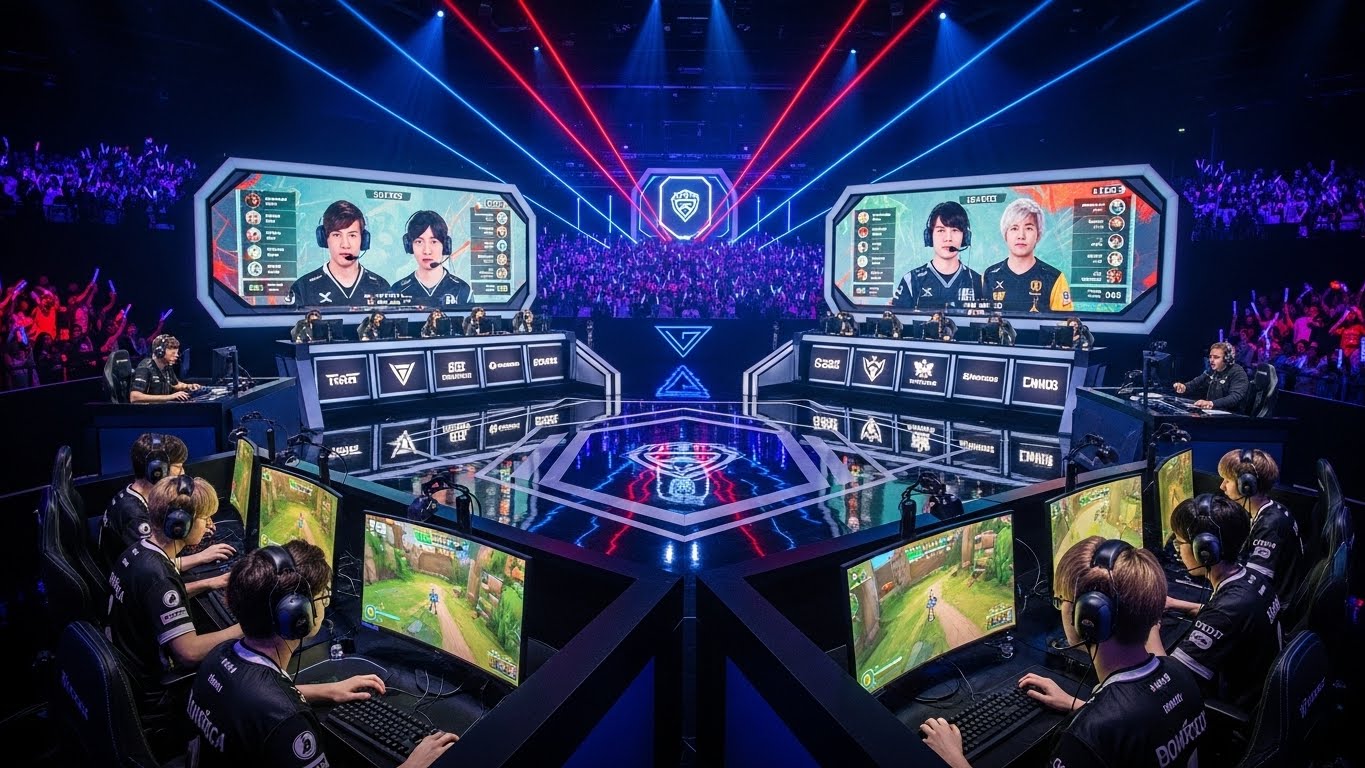
Esports has grown from a casual pastime into a global phenomenon that rivals traditional sports in popularity, influence, and revenue. What was once considered a hobby for video game enthusiasts is now a highly competitive arena where players train, strategize, and compete for millions of dollars in prize money. Beyond entertainment, esports is a reflection of technological advancement, cultural change, and the evolving definition of competition. This blog explores the world of esports, its growth, impact, and the future of competitive gaming.
The Origins of Esports
The roots of esports can be traced back to the late 1970s and 1980s, when the first video game competitions began. Early arcade tournaments, such as those featuring games like Space Invaders and Pac-Man, attracted local players eager to prove their skills. In the 1990s, with the rise of personal computers and online connectivity, competitive gaming evolved into organized tournaments for games like Quake, StarCraft, and Counter-Strike.
The early 2000s marked the beginning of professional esports leagues, particularly in South Korea, where StarCraft competitions became a national sensation. Television broadcasts and live events brought competitive gaming to the mainstream, paving the way for esports as a legitimate career path. Over the years, technological advancements, internet accessibility, and social media platforms have expanded esports into a global industry.
Understanding Esports: More Than Just Gaming
Esports is not simply playing video games; it is a structured form of competition that requires skill, strategy, and dedication. Popular esports genres include multiplayer online battle arena games, first-person shooters, real-time strategy games, and fighting games. Each genre demands unique skills, such as quick reflexes, strategic thinking, communication, and teamwork.
Professional esports players often spend hours each day practicing, analyzing gameplay, and studying opponents. Unlike casual gaming, success in esports requires discipline, mental resilience, and a deep understanding of game mechanics. This level of commitment demonstrates that esports is comparable to traditional sports in terms of preparation, strategy, and dedication.
The Role of Teams and Organizations
Esports thrives on teamwork, especially in games where coordination is critical. Teams are often composed of specialized players who fulfill distinct roles, such as attackers, defenders, or strategists. Communication and synergy are crucial to winning, and professional teams dedicate time to developing strategies and rehearsing plays.
Esports organizations operate similarly to sports franchises, providing coaching, analytics, nutrition guidance, and mental health support to players. These organizations also handle sponsorships, branding, and fan engagement, ensuring sustainability and growth. The competitive ecosystem created by professional teams has elevated esports into a structured and respected field.
Streaming Platforms and Audience Engagement
A unique aspect of esports is its digital nature, which allows fans to watch live matches from anywhere in the world. Streaming platforms have transformed how audiences engage with esports, offering real-time access to competitions, interactive chats, and gameplay analysis. This level of interactivity creates a sense of community and connection between players and fans.
Esports spectatorship is dynamic and immersive. Viewers can switch between multiple camera angles, follow live statistics, and analyze strategies alongside commentators. Major tournaments attract millions of simultaneous viewers, demonstrating the wide-reaching influence of esports. Unlike traditional sports, the digital format enables accessibility and global reach, connecting audiences across continents.
The Economic Impact of Esports
Esports has grown into a multi-billion-dollar industry with significant economic influence. Revenue comes from various sources, including sponsorships, advertising, merchandise, and ticket sales for live events. Prize pools for major tournaments can reach millions, attracting top talent and creating high-stakes competitions.
Beyond players and teams, the industry has generated careers in coaching, event management, content creation, marketing, and broadcasting. Technology companies and gaming hardware manufacturers also benefit from esports, driving innovation and economic growth. Esports is not only entertainment; it is a substantial contributor to the global digital economy.
Training, Discipline, and Player Development
Professional esports players adhere to rigorous training schedules that resemble those of traditional athletes. Training includes mechanical practice, strategic planning, team coordination exercises, and mental conditioning. Physical fitness is also important, as endurance and reflexes are enhanced by healthy routines.
Mental resilience is a critical factor in esports. Players face immense pressure during high-stakes matches and must manage stress, setbacks, and public scrutiny. Techniques such as visualization, focus exercises, and cognitive training are used to improve performance. The professionalization of esports highlights the dedication and discipline required to succeed at the highest level.
Psychological and Social Benefits of Esports
Contrary to some misconceptions, esports offers psychological and social benefits. Engaging in competitive gaming improves problem-solving, critical thinking, multitasking, and reaction times. Players learn to analyze situations quickly and make strategic decisions under pressure.
Socially, esports creates communities where individuals connect over shared interests. Online platforms allow collaboration, communication, and teamwork, fostering a sense of belonging. For many players, esports serves as an avenue for self-expression and identity formation, while also providing opportunities to develop leadership and interpersonal skills.
Challenges Facing the Esports Industry
Despite its rapid growth, esports faces several challenges. Prolonged screen time and intensive practice can lead to physical issues such as repetitive strain injuries, eye strain, and posture-related problems. Mental health concerns, including burnout, anxiety, and depression, are also prevalent among players.
Inclusivity and diversity remain areas for improvement. While the industry has made strides, women, minority groups, and players from underrepresented regions often face barriers to participation. Addressing these challenges is essential for creating a sustainable, equitable, and healthy esports environment.
Global Appeal and Cultural Significance
Esports has a universal appeal that transcends geography, language, and culture. Unlike traditional sports that may be region-specific, esports enables players and fans from around the world to connect and compete. International tournaments highlight cultural diversity, collaboration, and shared experiences among global audiences.
For younger generations, esports aligns with digital lifestyles and technological fluency. It combines entertainment, competition, and social interaction in ways that resonate with modern audiences. As a cultural phenomenon, esports fosters innovation, community, and creativity, redefining how we engage with competition in the digital age.
The Future of Esports
The future of esports is poised for continued growth and innovation. Emerging technologies such as virtual reality, augmented reality, and cloud gaming will enhance the immersive experience of competitive gaming. Artificial intelligence will further support training, analysis, and game design, creating deeper strategic possibilities.
Education and professional pathways in esports are also expanding. Universities now offer scholarships, degree programs, and esports facilities, recognizing the legitimacy of the field. As esports continues to integrate with technology, entertainment, and education, it will remain a driving force in shaping cultural, social, and economic trends worldwide.
Conclusion: Esports as a Transformative Force
Esports has transformed competitive gaming from a hobby into a global industry that blends skill, strategy, technology, and community. It challenges traditional notions of sports and entertainment, offering new opportunities for players, fans, and businesses alike.
Professional esports demonstrates the same dedication, discipline, and resilience seen in traditional sports, while its digital nature provides accessibility, interactivity, and global reach. As the industry grows, esports will continue to influence culture, technology, and the economy, inspiring a new generation of competitors and enthusiasts.
Esports is more than just games; it is a testament to human ingenuity, teamwork, and the limitless possibilities of the digital era. Whether as a player, fan, or industry professional, engaging with esports offers a unique opportunity to witness and participate in a revolution that is reshaping the way we think about competition and entertainment.