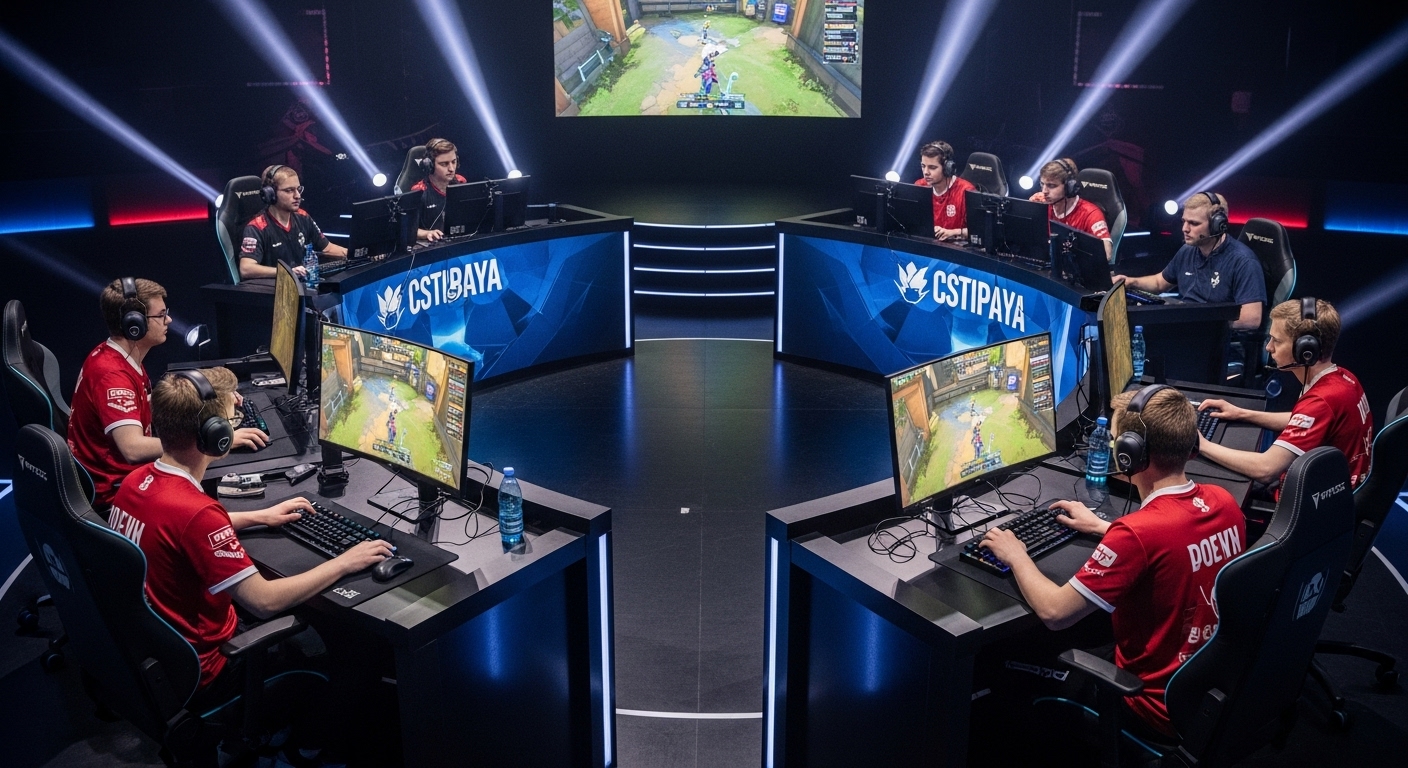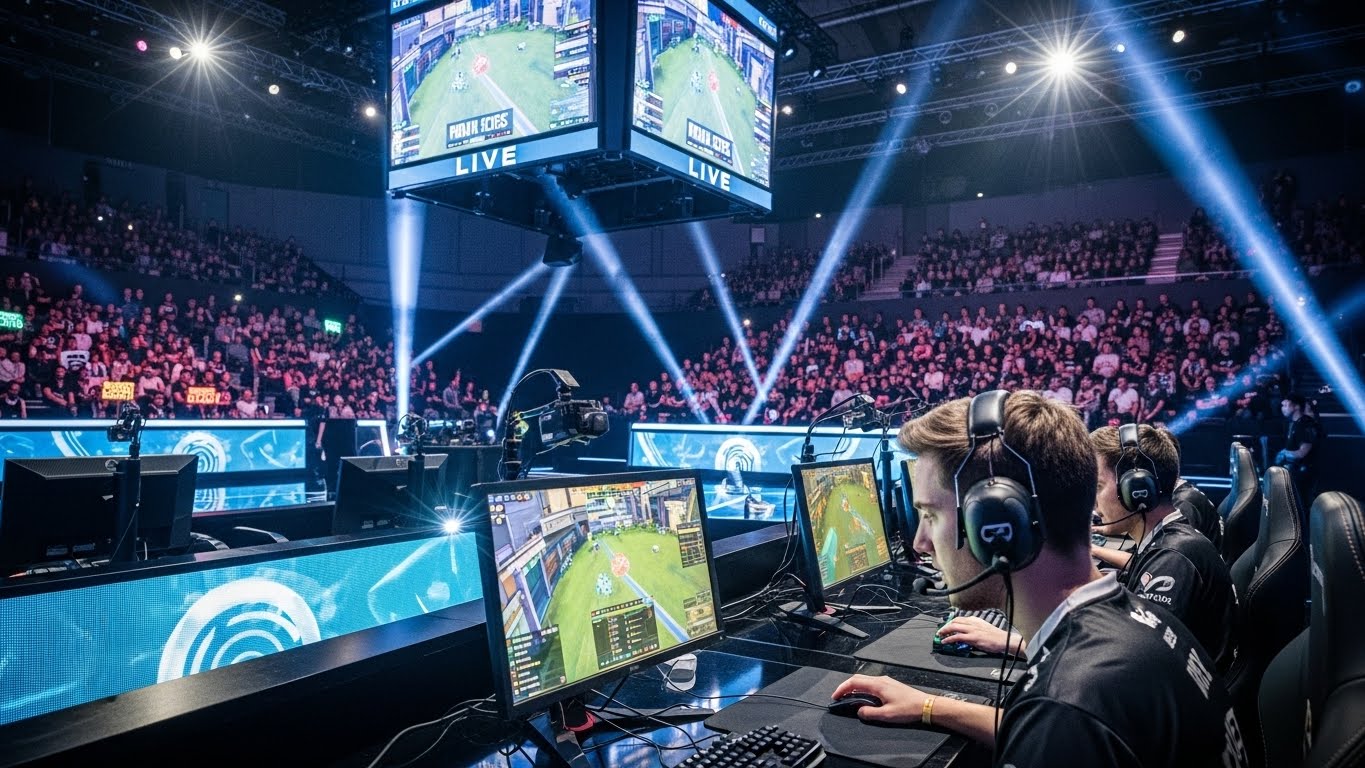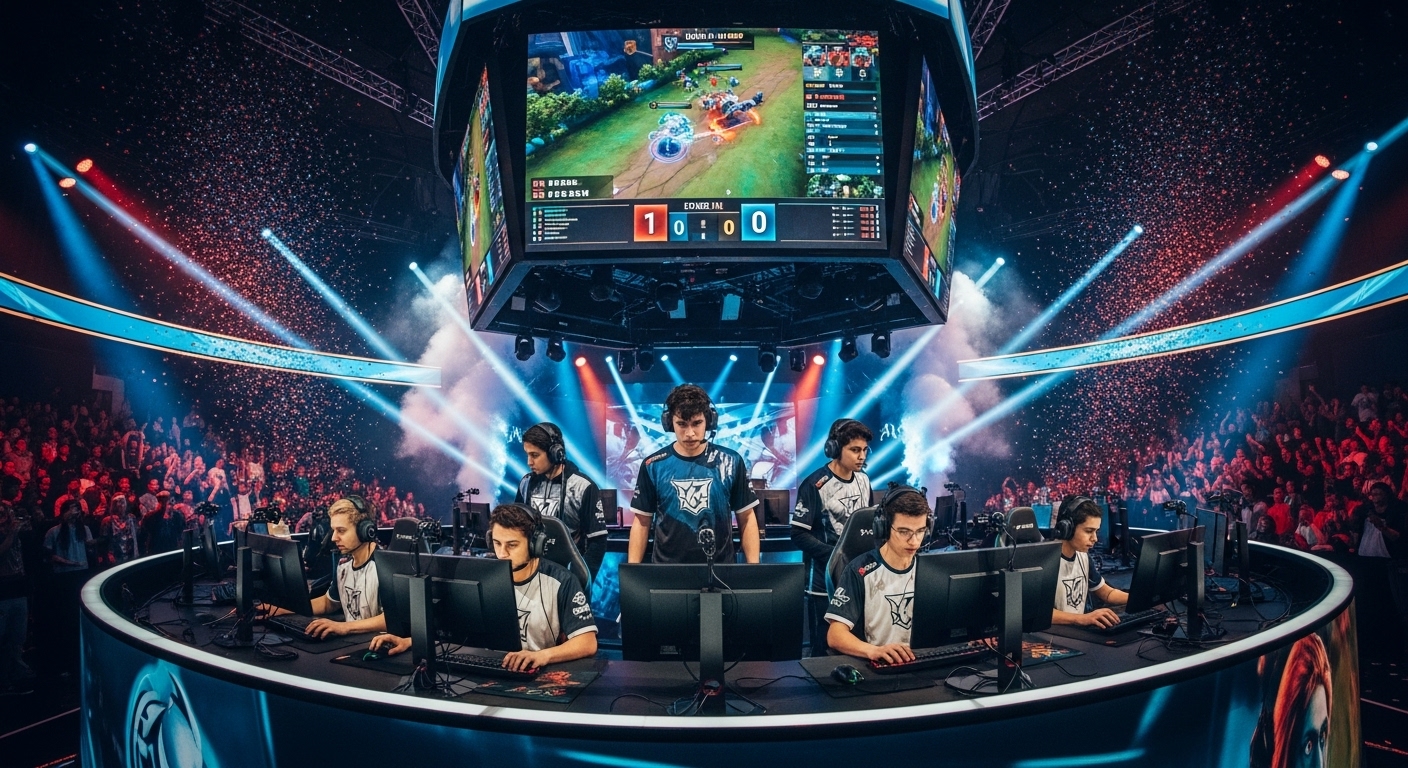
In recent years, esports has transcended the realm of casual gaming, evolving into a global industry with a fan base that rivals traditional sports. The rise of competitive gaming has created new opportunities for both players and organizations, fueling innovation across technology, entertainment, and even education. Today, esports is not just about gaming; it’s about culture, strategy, community, and, most importantly, a new era of competition. This blog explores how esports has evolved into the powerhouse it is today and what its future holds.
The Evolution of Esports: From Arcades to Arena Fills
To understand the significance of esports, it’s important to trace its history from the humble beginnings of competitive gaming. The origins of competitive video gaming date back to the 1970s when the first gaming tournaments were organized. These events were small-scale affairs, often held in local arcades with minimal prizes. However, these early competitions laid the foundation for the esports we know today.
By the late 1990s and early 2000s, the internet age allowed multiplayer games to reach a broader audience. Games like Quake, StarCraft, and Counter-Strike became the bedrock of esports tournaments. Players around the world began competing in digital arenas, participating in tournaments hosted by online platforms and major gaming companies. These events quickly grew in scale and prestige, leading to the creation of professional esports leagues and the rise of team-based competition.
The true turning point came in the 2010s when multiplayer online battle arena (MOBA) games, such as League of Legends and Dota 2, began drawing massive attention from both players and viewers. With tournaments offering multi-million dollar prize pools and global viewership reaching millions, esports was now firmly established as a competitive, mainstream industry.
Esports as a Global Industry: The Intersection of Gaming and Business
As esports grew in popularity, it began attracting substantial business investment. Major brands, including tech giants like Intel and NVIDIA, as well as global corporations like Coca-Cola, Red Bull, and Mercedes-Benz, realized the potential of sponsoring tournaments and teams. This sponsorship money, combined with broadcast deals and merchandise sales, contributed to the exponential financial growth of esports.
The prize pools for major tournaments like The International and League of Legends World Championships are now in the tens of millions of dollars, positioning esports as a lucrative career path for players and teams. Top players and teams have gained celebrity status, with a growing number of professional gamers being recognized not just for their gameplay but also for their content creation, streaming, and community engagement.
The business side of esports has become as much of a spectacle as the competitions themselves. Teams like Cloud9, Fnatic, and T1 have become well-known names in the industry, and their players sign lucrative contracts, earning income from tournament winnings, sponsorships, merchandise sales, and streaming platforms like Twitch and YouTube.
Esports has also led to the creation of a new ecosystem of jobs. Beyond the players themselves, roles in management, coaching, broadcasting, marketing, event planning, and even game development have flourished, creating career paths in an industry that didn’t exist just a decade ago.
The Cultural Impact of Esports: A New Digital Community
The cultural impact of esports is one of its most fascinating aspects. Esports has created a sense of community that transcends national borders, uniting people through a shared passion for games. Fans gather not only in stadiums but also online through streaming platforms, social media, and fan forums. This online presence has made esports a truly global phenomenon, allowing people from diverse backgrounds to bond over their love for gaming.
Streaming platforms, primarily Twitch, have played a pivotal role in making esports accessible to millions of fans worldwide. Watching live streams of games and tournaments has become a mainstream form of entertainment, with top streamers amassing millions of followers. These platforms allow players to connect directly with their audience, share their skills, and even monetize their content through sponsorships, donations, and ads. The ability to watch a game being played live, interact with the community, and learn from top-tier players has made esports a cultural event, not just a competition.
Esports has also influenced other forms of entertainment. Video games themselves have become more cinematic, with improved graphics, storylines, and character development. Many esports games are now designed with the viewer in mind, providing broadcasts that mirror traditional sports events in terms of analysis, commentary, and production quality.
The success of esports has led to the crossover between traditional sports and gaming. Teams in professional sports leagues, such as the NBA and NFL, have started investing in esports teams, recognizing the overlap in fan base. Additionally, esports athletes have begun to gain recognition similar to that of traditional athletes, with endorsement deals, media appearances, and sponsorships.
The Role of Technology in Esports: Shaping the Future of Competition
The growth of esports would not have been possible without advancements in technology. The high-speed internet connections required for seamless online gameplay and live streaming, as well as the powerful gaming hardware used by players, are critical components of the esports ecosystem. Innovations in graphics cards, processors, and networking technologies have made it possible for gamers to compete in real-time with minimal latency.
Moreover, virtual reality (VR) and augmented reality (AR) are starting to make their mark on the esports landscape. VR gaming is still in its infancy, but it has the potential to revolutionize how players and viewers experience competitive gaming. Imagine watching a tournament from the perspective of a player in a first-person VR environment or participating in a tournament in a fully immersive virtual space. These are the kinds of possibilities that technology promises for the future of esports.
AI-driven analytics is also making its way into the world of esports. Coaches and players now use data-driven insights to analyze performance, identify strengths and weaknesses, and adjust strategies accordingly. Similar to how traditional sports teams use analytics to improve performance, esports players and organizations are adopting these techniques to gain a competitive edge.
5G technology promises to further enhance the esports experience by providing faster internet speeds and more stable connections, allowing for improved performance in online multiplayer games and a better streaming experience for viewers. This next generation of connectivity will likely pave the way for even more sophisticated and immersive esports experiences.
The Challenges Facing Esports: Sustainability and Regulation
Despite its rapid growth, esports still faces several challenges. One of the biggest obstacles is ensuring its sustainability. While major tournaments and sponsorships currently generate significant revenue, the long-term financial stability of esports organizations and leagues remains uncertain. As with any industry, there is a risk of oversaturation. The esports market is still maturing, and it will be crucial for stakeholders to ensure the industry’s continued growth by attracting a wide and diverse audience.
Another challenge is the need for regulation and standardized rules across tournaments. Unlike traditional sports, which have long-established governing bodies, esports is still figuring out its regulatory framework. This lack of structure can lead to issues with player contracts, team ownership, and even tournament integrity. As esports continues to gain legitimacy, it will be necessary to create governing bodies that can establish consistent standards for competitive play.
Additionally, the mental health of players is a growing concern. The intense pressure to perform at the highest level for long hours can take a toll on athletes, leading to stress, anxiety, and burnout. As esports evolves, organizations must prioritize player well-being by implementing mental health resources and ensuring that players have access to support systems.
The Future of Esports: What’s Next?
As esports continues to grow, its future looks promising. The integration of new technologies such as VR, AR, and AI will undoubtedly redefine how games are played and experienced. Esports will likely see increased investment from both the tech and entertainment industries, pushing the boundaries of what’s possible in terms of competition and fan engagement.
We can also expect esports to continue its global expansion, with countries around the world establishing their own professional leagues, tournaments, and training facilities. The democratization of gaming technology means that players from all corners of the world will have access to the same opportunities, further fueling the competitive spirit.
Esports is also expected to merge even further with traditional sports. Hybrid events where both esports and traditional sports are showcased, or where athletes from both worlds compete side by side, could become commonplace. These crossovers will likely appeal to both traditional sports fans and gaming enthusiasts, creating new synergies.
Moreover, as esports continues to integrate with education, we can expect to see more high school and university-level esports programs, scholarships, and professional development paths, paving the way for the next generation of players, coaches, analysts, and content creators.
Conclusion: A New Era of Entertainment
Esports has evolved from a niche hobby to a global, multi-billion-dollar industry. It has changed the way we think about competition, entertainment, and culture, bringing together a diverse community of players, fans, and innovators. From its humble beginnings in arcades to the multi-million-dollar tournaments of today, esports has proven that video games are more than just a form of entertainment—they are a legitimate sport, a career, and a cultural force.
As esports continues to evolve, it will undoubtedly shape the future of entertainment, technology, and competition, inspiring a new generation of digital athletes and fans. The world of esports is only just beginning, and the possibilities are endless.