Esports, or electronic sports, has transformed from a niche hobby into a global entertainment powerhouse. Once confined to basement LAN parties and small online tournaments, esports now fills massive stadiums, boasts million-dollar prize pools, and attracts millions of viewers worldwide. As the industry continues to grow, esports is increasingly becoming recognized as a legitimate sport, with professional players, teams, and an entire ecosystem dedicated to competitive gaming. In this blog post, we will delve into the world of esports, exploring its rise, significance, and the cultural impact it continues to have on gaming, entertainment, and beyond.
The Birth and Rise of Esports
Esports traces its origins to the early days of video gaming when enthusiasts would gather to compete in games like Space Invaders and Pong. However, it wasn’t until the 1990s and early 2000s that competitive gaming began to take shape as we know it today. Games like StarCraft, Warcraft III, and Counter-Strike introduced the concept of organized tournaments, and early events like the Cyberathlete Professional League and World Cyber Games helped establish a competitive scene.
While it started as a small-scale event, esports gained traction with the rise of the internet and online gaming platforms. The growth of titles like League of Legends, Dota 2, and Fortnite expanded esports to global audiences, solidifying its place in the mainstream. Today, tournaments like The International and the League of Legends World Championship draw in millions of viewers, showcasing the professionalism and passion behind this growing sport.
Esports as a Profession
What once began as a pastime for enthusiasts has now evolved into a legitimate profession for many players. Professional esports athletes dedicate years of training and practice to refine their skills, often spending 8 to 12 hours per day honing their craft. Their games aren’t just for fun—they’re a job.
Just like traditional athletes, esports players must maintain peak performance levels, working with coaches, analysts, and teams to strategize and stay competitive. The pressure is immense, as the global stage is filled with millions of dollars in prize money. For top-tier players, the rewards are substantial. Some professional players make a significant portion of their income from tournament winnings, sponsorships, and live streaming, while others rely on team contracts or partnerships with major organizations.
In addition to professional players, the esports industry supports a vast range of other roles. Coaches, analysts, event organizers, casters, and content creators are all integral to the ecosystem. Esports has created a wide array of career opportunities that weren’t possible just a decade ago, providing jobs and opportunities for individuals who might not have been involved in traditional sports industries.
The Spectacle of Esports Tournaments
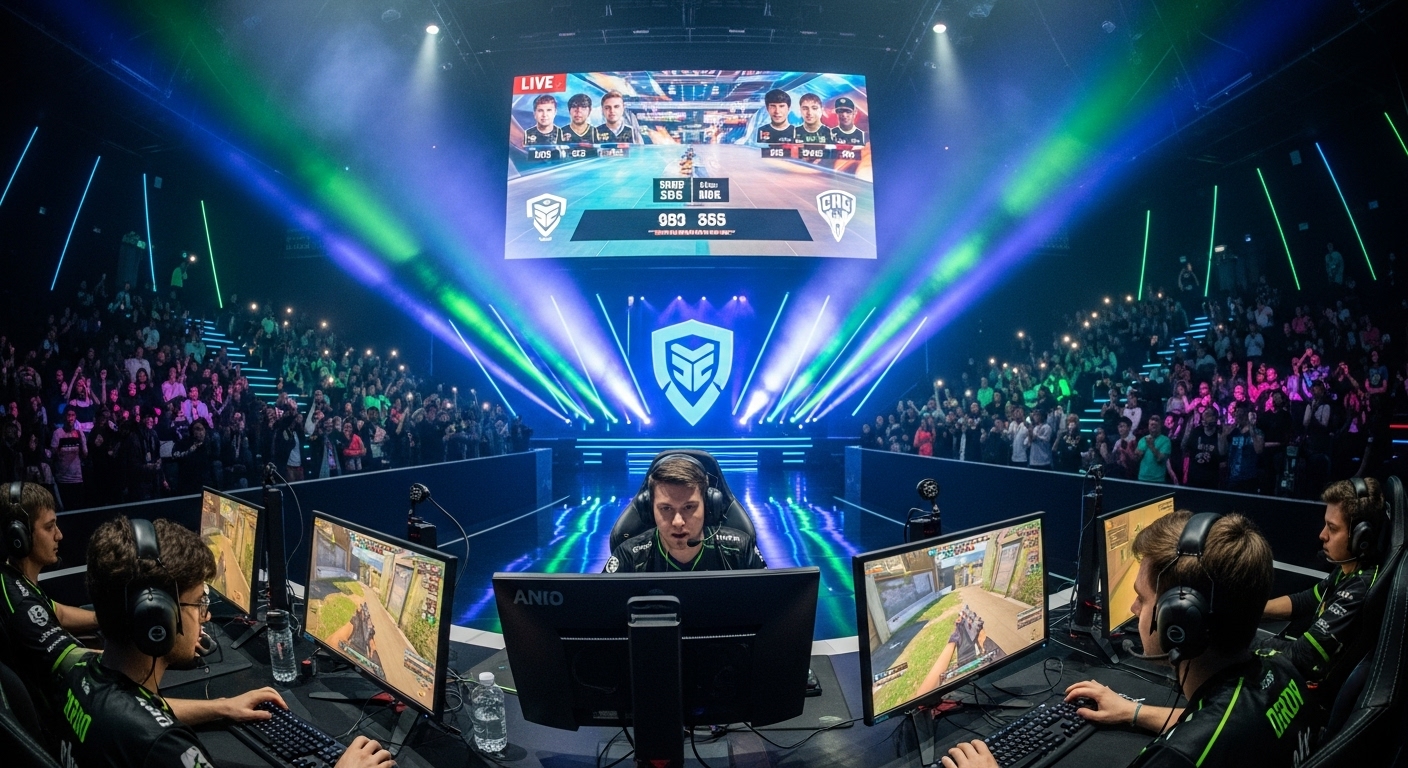
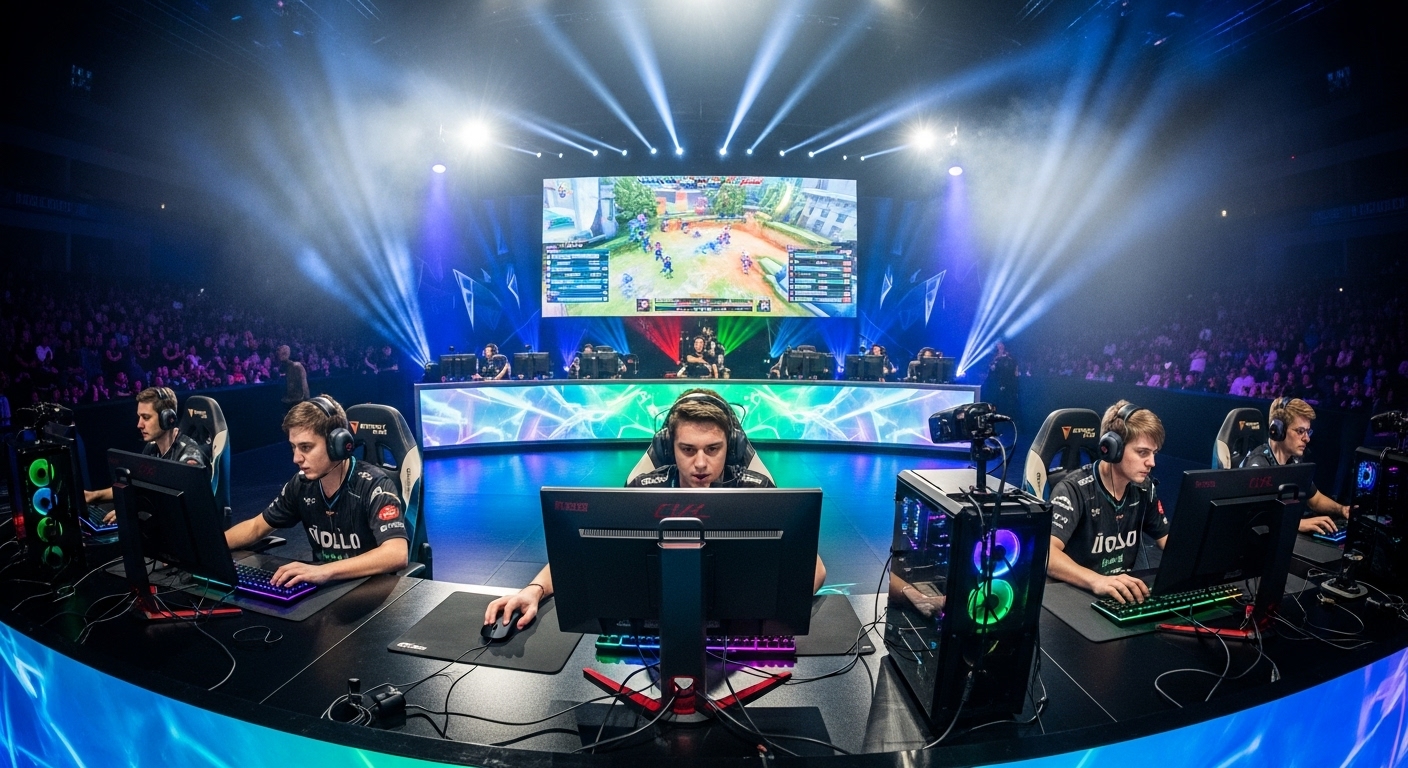
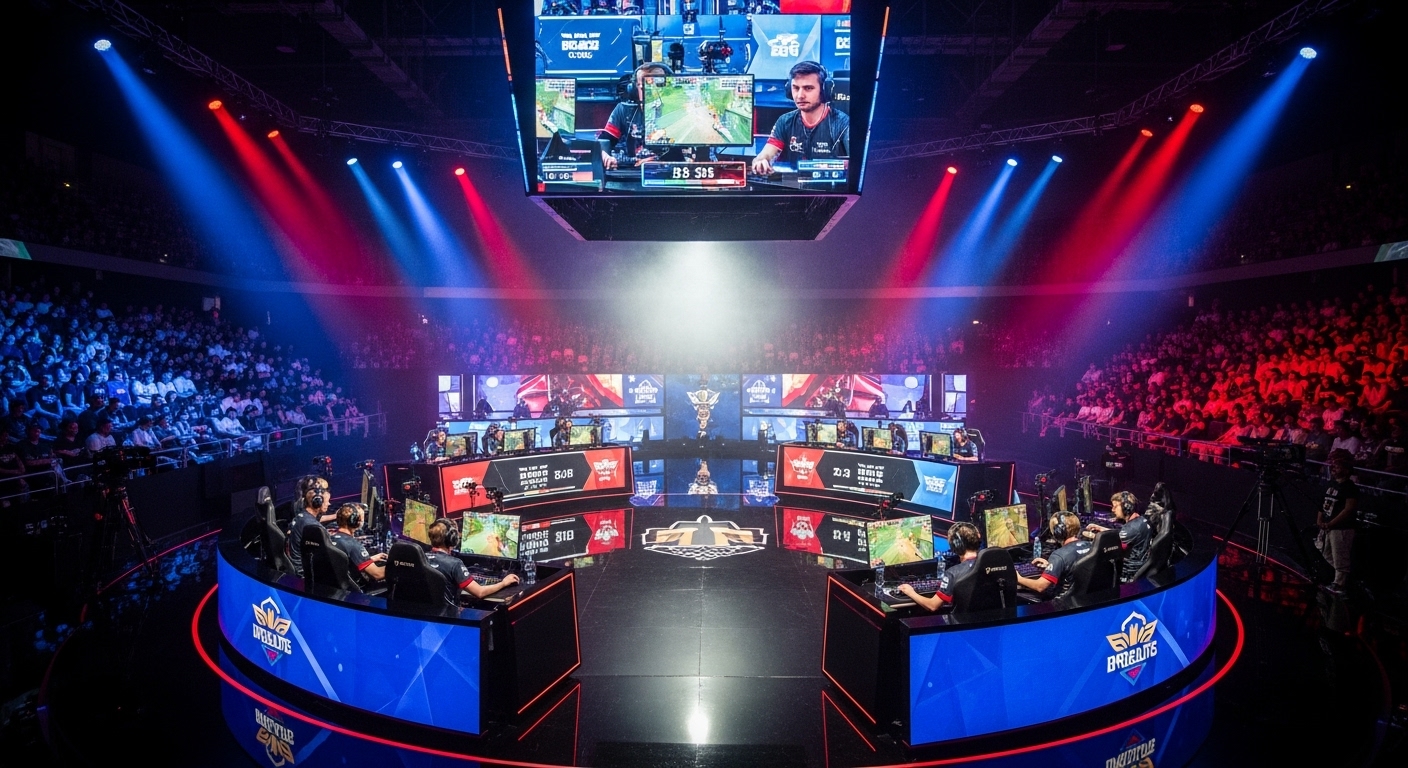
One of the most exciting aspects of esports is its tournaments. Esports tournaments are much more than just games being played—they’re events that bring together players, fans, sponsors, and media outlets in a high-energy atmosphere. Some of the largest tournaments, such as The International (Dota 2), League of Legends World Championship, and the Overwatch League Finals, attract massive global audiences, both in-person and online.
These events are meticulously organized, with state-of-the-art production, broadcasting, and live streaming capabilities. The events are often held in large arenas that resemble traditional sports stadiums, complete with cheering crowds, fireworks, and high-energy commentary. Esports fans watch their favorite players and teams compete for massive prize pools, often in front of hundreds of thousands of spectators.
What makes these tournaments stand out is their accessibility. Fans from around the world can tune in to watch, creating a sense of global community that transcends national borders. Streaming platforms like Twitch and YouTube Gaming are the backbone of esports, allowing fans to engage with the content in real-time, interact with players, and even participate in live chats.
The Role of Streaming Platforms in Esports
Streaming has played a pivotal role in the rise of esports. Unlike traditional sports, which often require a television subscription to access, esports is available to anyone with an internet connection. Platforms like Twitch, YouTube Gaming, and Facebook Gaming have revolutionized the way esports is consumed.
Twitch, in particular, has become the go-to platform for esports content. It allows viewers to watch live streams of games, interact with players in real-time, and discover new esports content. It also serves as a hub for many esports personalities who build substantial followings by streaming their gameplay, offering behind-the-scenes access, and engaging directly with their audiences.
Streaming has also democratized access to esports content. Whereas attending physical tournaments can be expensive and location-dependent, streaming offers fans from every corner of the globe the chance to be part of the action. Fans can watch a League of Legends match or a Fortnite tournament from the comfort of their homes, making esports an accessible form of entertainment for people worldwide.
Sponsorships and Investments in Esports
The commercial side of esports is booming. As the popularity of esports continues to rise, so does the interest from global brands and investors. Sponsorships play a critical role in funding esports tournaments and supporting professional teams. Major companies like Intel, Coca-Cola, Red Bull, and Nike have all invested heavily in the esports sector, sponsoring events, creating branded content, and collaborating with teams and players.
These investments have helped elevate the professionalization of esports. Prize pools for top-tier tournaments have grown to unprecedented levels. For example, The International 2021 had a prize pool of over $40 million. With such financial backing, esports is now on par with, and sometimes surpasses, traditional sports in terms of prize money and sponsorship deals.
In addition to the sponsorships, media rights deals are also playing a huge role in driving the financial success of esports. Traditional sports networks and digital media platforms alike are recognizing the massive audiences esports attracts, leading to lucrative broadcasting deals that bring tournaments to mainstream platforms. As these partnerships continue to grow, esports will see an influx of investment, increasing its visibility and reach.
The Global Impact of Esports
Esports is not just popular in one region—it has a global reach. Unlike traditional sports that may be region-specific, esports is played and watched by people worldwide. From North America to Europe, South Korea to China, and everywhere in between, esports transcends geographical boundaries.
What makes esports unique is that it’s a digital competition, meaning that players from different parts of the world can compete against each other in real-time. Global tournaments often feature teams from different countries, showcasing the international nature of competitive gaming. For example, the League of Legends World Championship draws teams from all over the globe, with fans tuning in from countries far and wide.
Esports has also become a cultural phenomenon. Gaming communities have formed around popular titles, creating a sense of shared identity and camaraderie. These communities often hold tournaments, fan meet-ups, and live streams that foster deep connections between players and fans. This sense of belonging and community is a huge part of what makes esports so appealing, especially to younger generations.
The Future of Esports
The future of esports is incredibly bright. As technology continues to evolve, so too will the world of competitive gaming. Innovations like virtual reality (VR) and augmented reality (AR) could potentially revolutionize how esports is played and viewed. These technologies offer the possibility of immersive experiences that could make esports even more dynamic and engaging for both players and viewers.
Mobile gaming is another area of growth. Games like PUBG Mobile and Clash Royale are already huge in esports, and the rise of powerful mobile devices means that competitive gaming will likely become even more accessible. This could lead to a more inclusive esports ecosystem, where anyone with a smartphone can compete on a global scale.
Additionally, esports may become more integrated into traditional sports. With major sports leagues like the NBA and NFL investing in esports, we may see more crossovers between traditional and digital sports. As esports becomes more recognized, it could even find its place in events like the Olympic Games, further legitimizing competitive gaming on the global stage.
Conclusion: Esports is Here to Stay
Esports is more than just a trend; it’s a cultural shift that’s transforming how we think about competition, entertainment, and gaming. With its global appeal, professionalization, and massive growth, esports is reshaping the world of sports and entertainment. What began as a niche interest has blossomed into a billion-dollar industry with a diverse ecosystem of players, fans, and professionals.
As the industry continues to evolve and attract new audiences, esports will only grow in importance and influence. Whether you’re a player, a fan, or someone who has yet to experience the excitement, there’s no denying that esports is the future of competitive entertainment. The digital frontier has arrived—and it’s changing the game for good.