Introduction: The Emergence of Esports as a Global Phenomenon
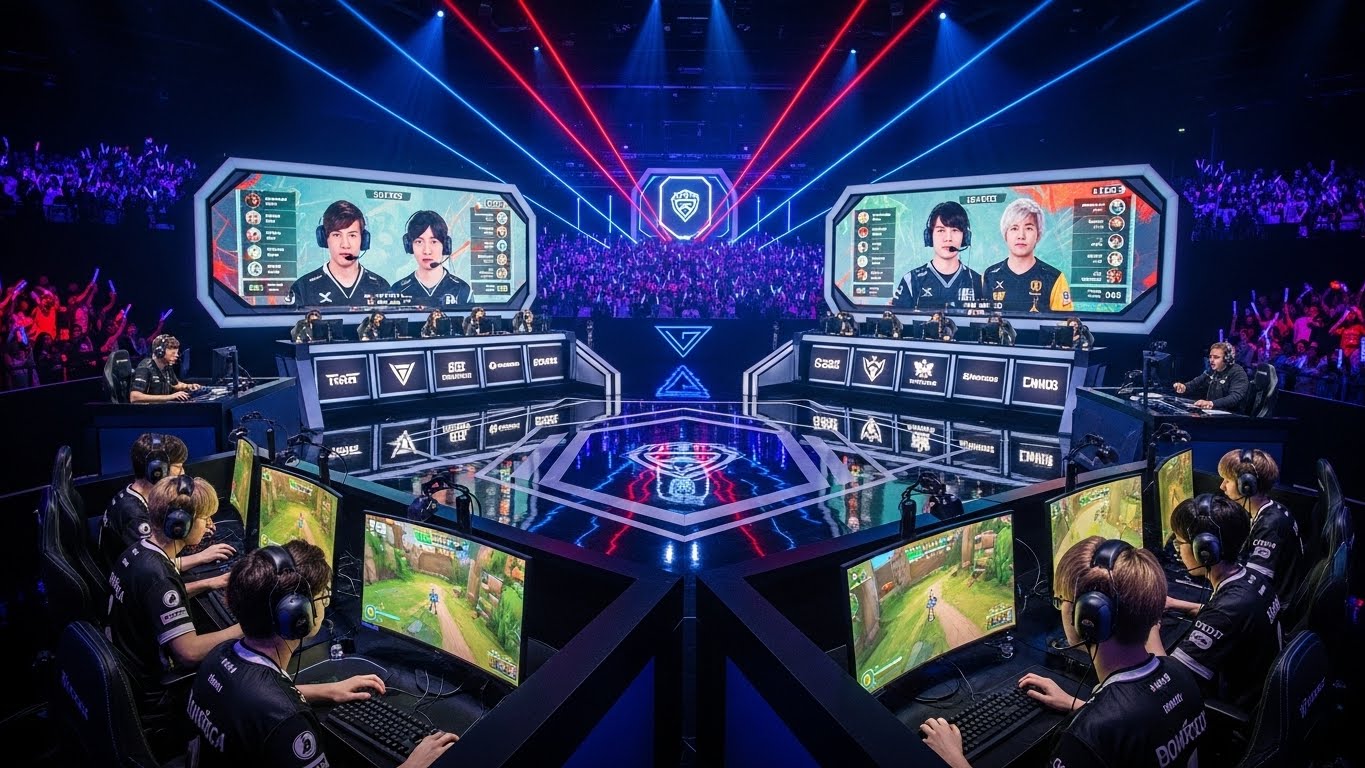
In recent years, the world of competitive gaming, known as esports, has evolved from a niche hobby to a global industry with a massive following. What started as casual tournaments among friends has transformed into a billion-dollar ecosystem with professional players, dedicated teams, and massive international events. Esports is no longer just a form of entertainment for gamers—it has become a legitimate career path, with athletes, coaches, analysts, and even broadcasters now making a living within this exciting digital domain.
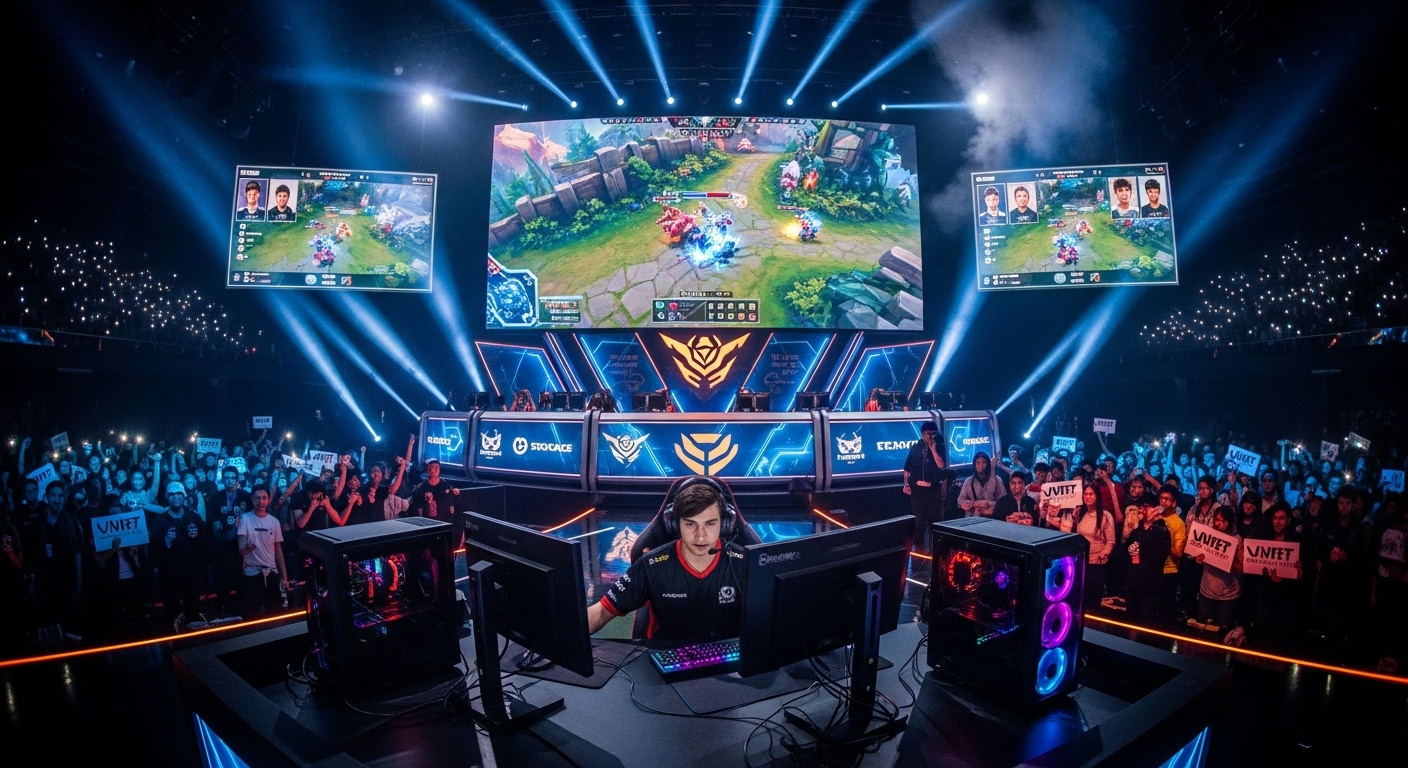
Esports is arguably the fastest-growing form of entertainment worldwide. Millions of fans across the globe tune in to watch professional gamers compete in various titles, from League of Legends to Counter-Strike: Global Offensive and Fortnite. With prize pools that can reach into the millions and tournaments filling stadiums, esports is reshaping the way we view competitive sports and entertainment. In this blog, we will explore how esports has evolved, the forces driving its growth, the key players involved, and what the future holds for this digital revolution.
The Evolution of Esports: From Hobby to Career
Esports has a fascinating history, and its rapid rise in the past two decades is a testament to the power of digital technology and changing attitudes toward gaming. While competitive gaming dates back to the 1970s with arcade tournaments for games like Space Invaders, it wasn’t until the late 1990s and early 2000s that the foundation for modern esports began to take shape.
With the advent of online multiplayer games, gamers could compete with others from around the world. Titles like StarCraft, Warcraft III, and Quake allowed players to form communities and compete in organized tournaments. As broadband internet became more widely available, the concept of online tournaments exploded, leading to the first major esports events and leagues.
The real turning point came in the mid-2000s when games like League of Legends, Dota 2, and Counter-Strike: Global Offensive cemented their place as staples in the esports world. By this time, streaming platforms like Twitch had gained traction, enabling players to broadcast their gameplay to thousands of viewers around the world. This interaction between players, fans, and sponsors turned esports into a highly professionalized industry, attracting the attention of investors, media outlets, and even traditional sports organizations.
The Global Expansion of Esports: A New Frontier for Competitive Sports
One of the most impressive aspects of esports is its global reach. Unlike traditional sports, where geographical boundaries often limit the scope of the fan base, esports has the ability to connect people from all over the world. Whether it’s a League of Legends tournament in Korea, a Dota 2 championship in the United States, or a Fortnite event in Europe, esports breaks down traditional barriers and unites gamers from different countries and cultures.
Streaming platforms like Twitch, YouTube Gaming, and Facebook Gaming have played a pivotal role in this global expansion. They allow fans to tune in to live tournaments, watch gameplay, and interact with players and commentators in real-time. These platforms have democratized the viewing experience, making it easy for anyone, anywhere, to engage with the esports community.
International esports tournaments are becoming increasingly common, and the popularity of esports continues to grow in regions such as Latin America, Europe, and Southeast Asia. In countries like South Korea, esports has long been considered a mainstream form of entertainment, while in North America and Europe, it has only more recently gained widespread acceptance.
This global reach has created a massive, ever-growing fanbase, with millions of viewers watching events and streams every year. Major tournaments like The International (Dota 2) and the League of Legends World Championship draw millions of viewers, rivaling the viewership of traditional sports like the Super Bowl or the NBA Finals.
The Professionalization of Esports: Players, Teams, and Organizations
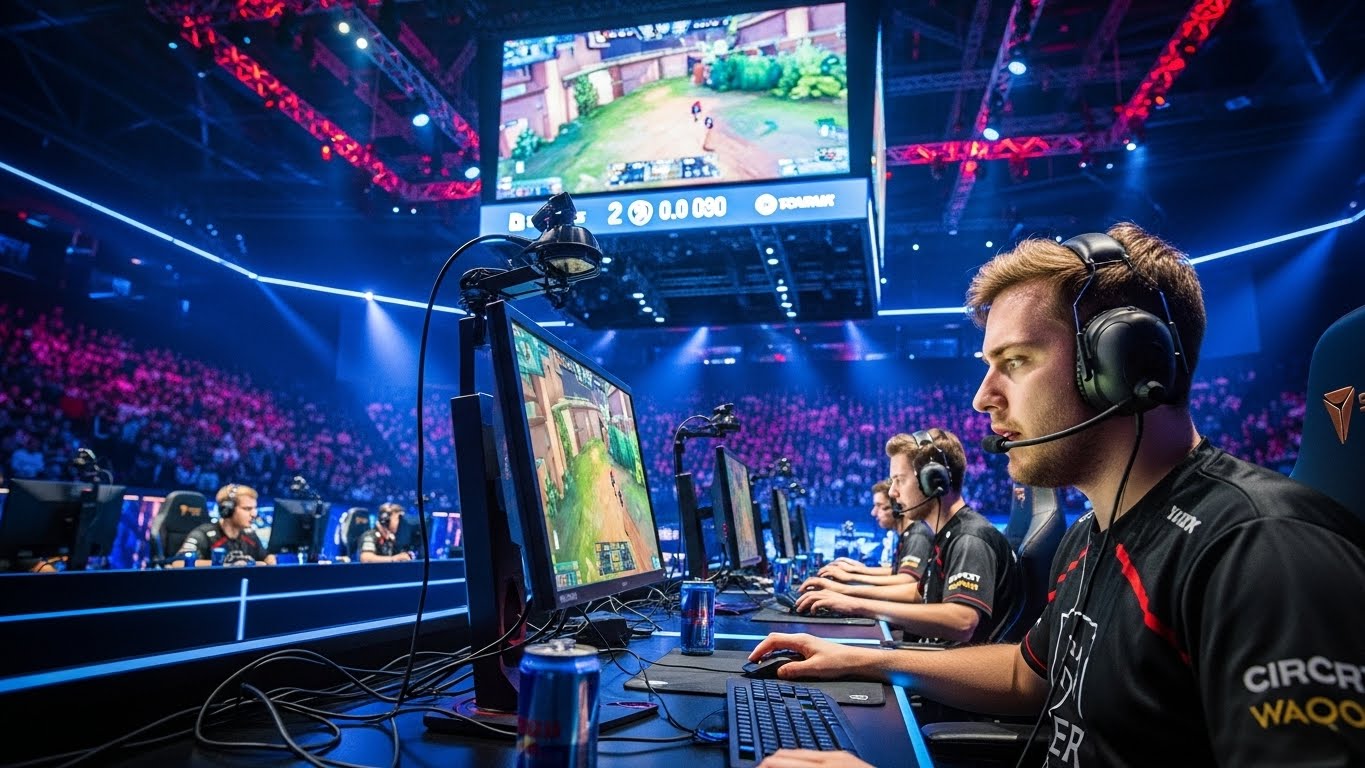
As esports continues to grow, the level of professionalism within the industry has skyrocketed. Today’s top esports players are not just casual gamers—they are full-time athletes who train, strategize, and compete for a living. Professional players dedicate countless hours to practicing their skills, refining strategies, and keeping up with the latest updates to the games they play.
Esports organizations are now run with the same level of management and structure as traditional sports teams. They employ coaches, analysts, psychologists, and even nutritionists to help players optimize their performance. Just like athletes in traditional sports, esports players follow strict training regimens, review game footage, and receive advice from a support team to ensure that they are performing at their best.
The rise of esports teams has also led to a professional league system, where teams compete against one another in seasons and tournaments for regional and international titles. Leagues like the Overwatch League, Call of Duty League, and League of Legends Championship Series (LCS) have helped standardize competitive play and create stable ecosystems for players and fans alike.
With this professionalization, players are now able to earn salaries and sponsorship deals, much like athletes in traditional sports. The biggest esports events also come with enormous prize pools, with tournaments like The International offering multi-million dollar payouts, attracting some of the best players in the world. In fact, esports professionals can earn significant amounts of money not just through tournament prizes but also through sponsorships, streaming revenues, and personal brand deals.
The Economics of Esports: A Multi-Billion Dollar Industry
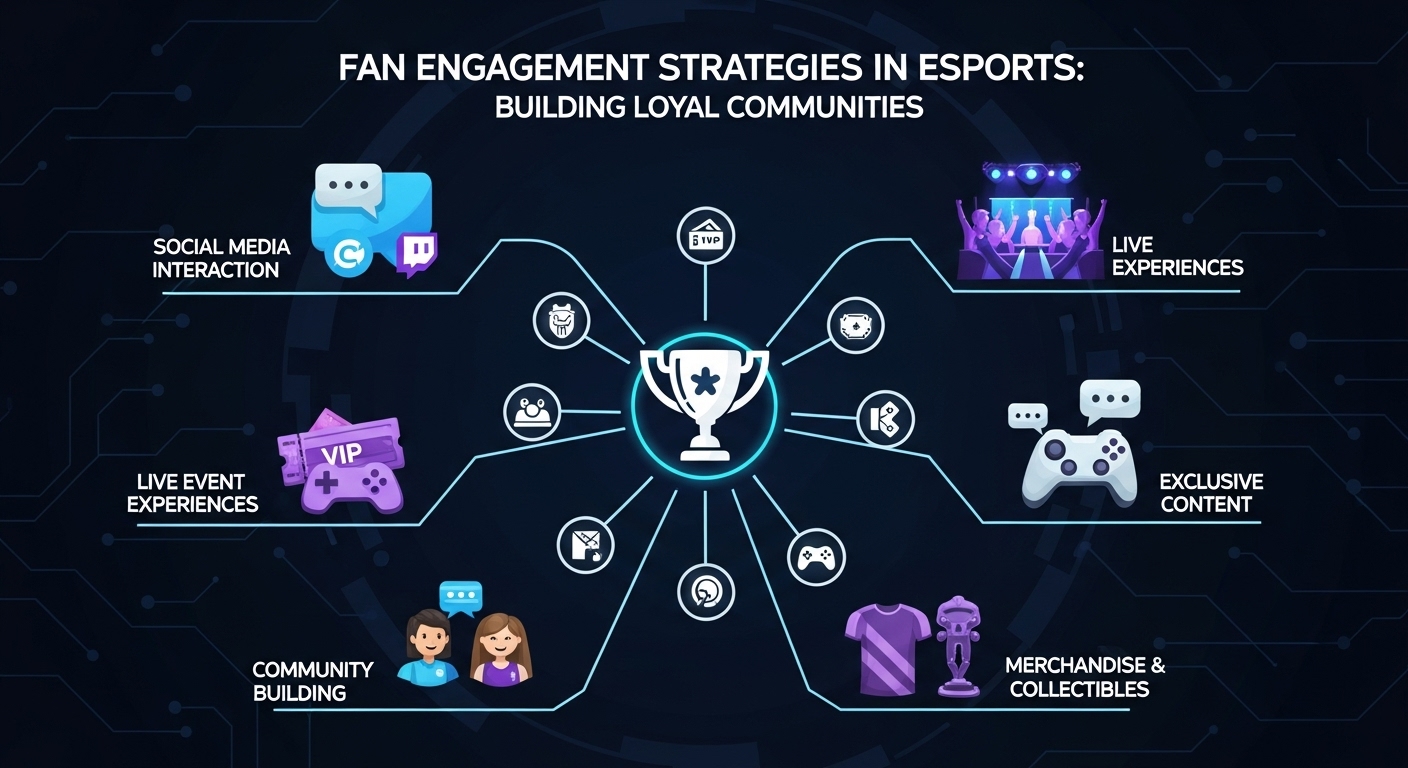
Esports is not only growing in terms of viewership, but it has also become a financial powerhouse. The esports industry is currently valued at over $1.5 billion and is projected to continue expanding in the coming years. This growth has been fueled by a combination of media rights deals, sponsorships, merchandise sales, and growing fan engagement through live streams and social media.
Sponsorships have played a huge role in the growth of esports. Major brands from outside the gaming world—such as Coca-Cola, Intel, Mercedes-Benz, and Nike—have invested in esports, creating strategic partnerships with teams and players. These sponsorships help fund tournaments and provide esports organizations with the financial backing needed to operate at a high level.
Media rights are another key revenue stream. Traditional television networks, such as ESPN and TBS, have begun to broadcast esports events, further cementing its place in mainstream entertainment. With millions of viewers tuning into these events, the potential for advertising revenue is enormous. Streaming platforms like Twitch and YouTube also generate revenue through advertisements, subscriptions, and donations from viewers who want to support their favorite streamers and teams.
Esports’ ability to generate revenue has not only attracted big companies but also investors looking to capitalize on this rapidly growing industry. Traditional sports organizations are getting involved as well, with teams and leagues purchasing stakes in esports organizations. For instance, major football clubs like FC Schalke 04 and Manchester City now own esports teams, further bridging the gap between traditional and digital sports.
Esports and Education: A New Path for Students and Gamers
As esports continues to grow, so does its presence in the world of education. Many universities and colleges now offer esports scholarships, and there are even degree programs dedicated to esports management, game design, and broadcasting. This shift reflects the increasing recognition of esports as a legitimate field of study and career development.
Students interested in esports now have the opportunity to pursue careers in game development, marketing, event management, commentary, and coaching. In addition to the professional opportunities, esports can also teach valuable skills such as teamwork, communication, strategic thinking, and time management. These attributes are transferable to many fields, making esports a valuable tool for personal and professional growth.
Furthermore, esports has been integrated into high school and college sports programs, providing students with structured opportunities to develop their skills in competitive gaming. Esports competitions have become part of many school athletic programs, allowing young players to engage in a more formalized, organized environment that mirrors professional play.
The Future of Esports: Innovation, Challenges, and Opportunities
Looking ahead, the future of esports is incredibly promising. As technology continues to advance, we can expect new innovations that will enhance the gaming experience and further immerse audiences in the action. Virtual reality (VR) and augmented reality (AR) are on the horizon, and esports could soon see new ways to engage with fans, creating interactive viewing experiences where fans can feel as if they are right in the middle of the action.
The growth of mobile gaming also offers a new frontier for esports. Games like PUBG Mobile, Arena of Valor, and Clash Royale are already attracting huge audiences, and mobile esports is expected to continue its rise, especially in regions where mobile devices are more accessible than PCs or gaming consoles.
However, as esports grows, there will also be challenges to overcome. Issues such as cheating, game balance, and the mental health of players must be addressed. The pressure and stress faced by esports players are real, and maintaining their physical and mental well-being will be crucial to the long-term success of the industry.
Conclusion: Esports as a Cultural and Competitive Revolution
Esports has come a long way from its early roots in arcade gaming. Today, it stands as one of the most dynamic and rapidly growing forms of entertainment in the world. With its professionalization, global appeal, and financial backing, esports is a force to be reckoned with. As the industry continues to evolve and innovate, esports will undoubtedly redefine how we think about competition, entertainment, and even careers in the digital age. The future of esports is not just about gaming—it’s about creating new forms of engagement, community, and opportunity in the digital world.