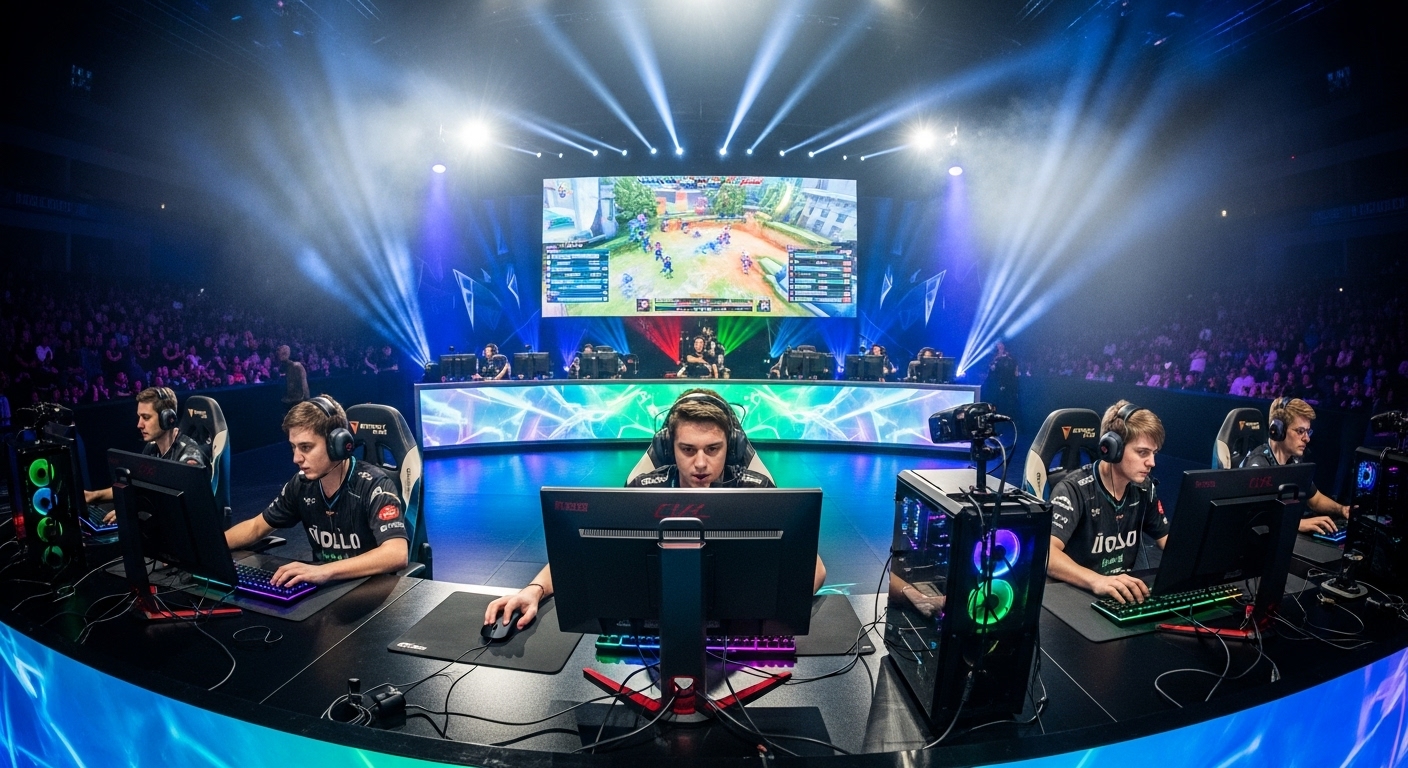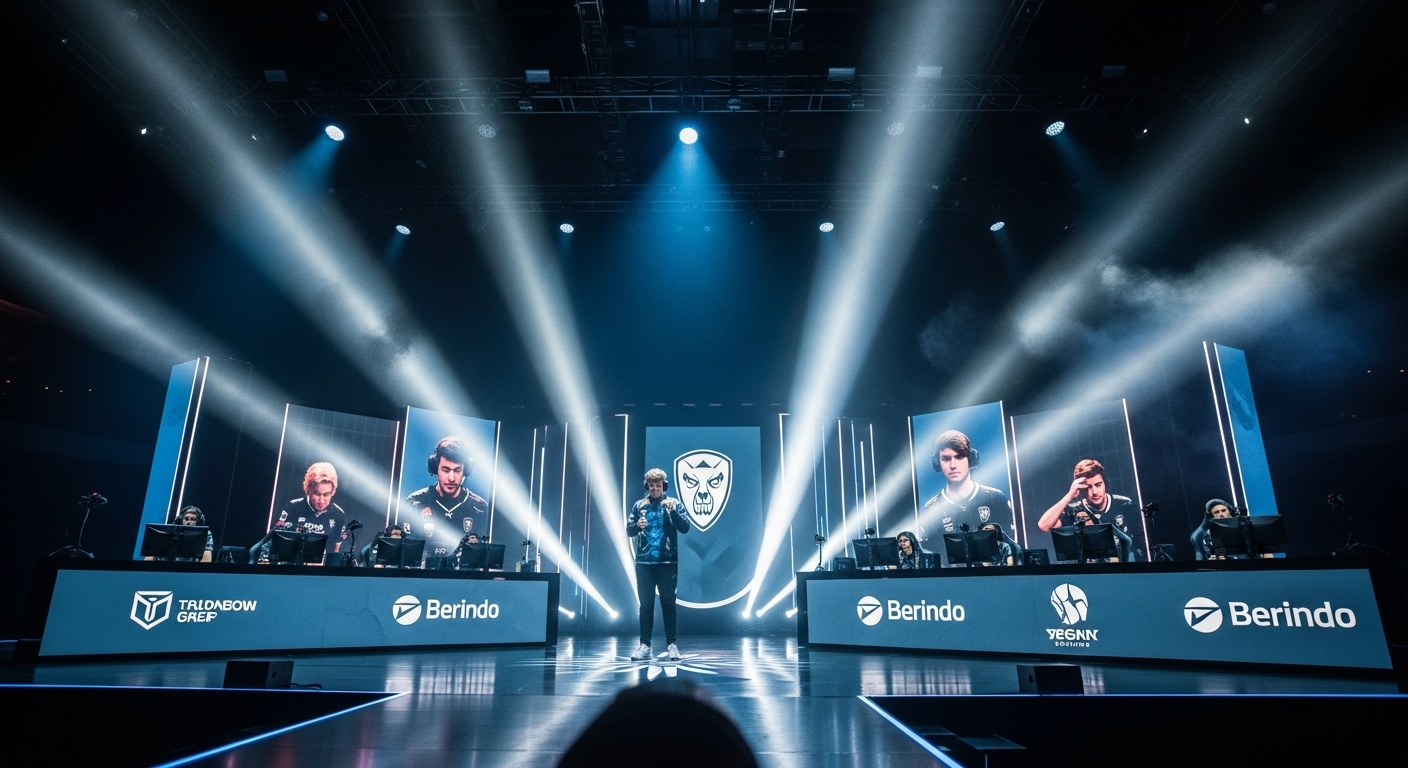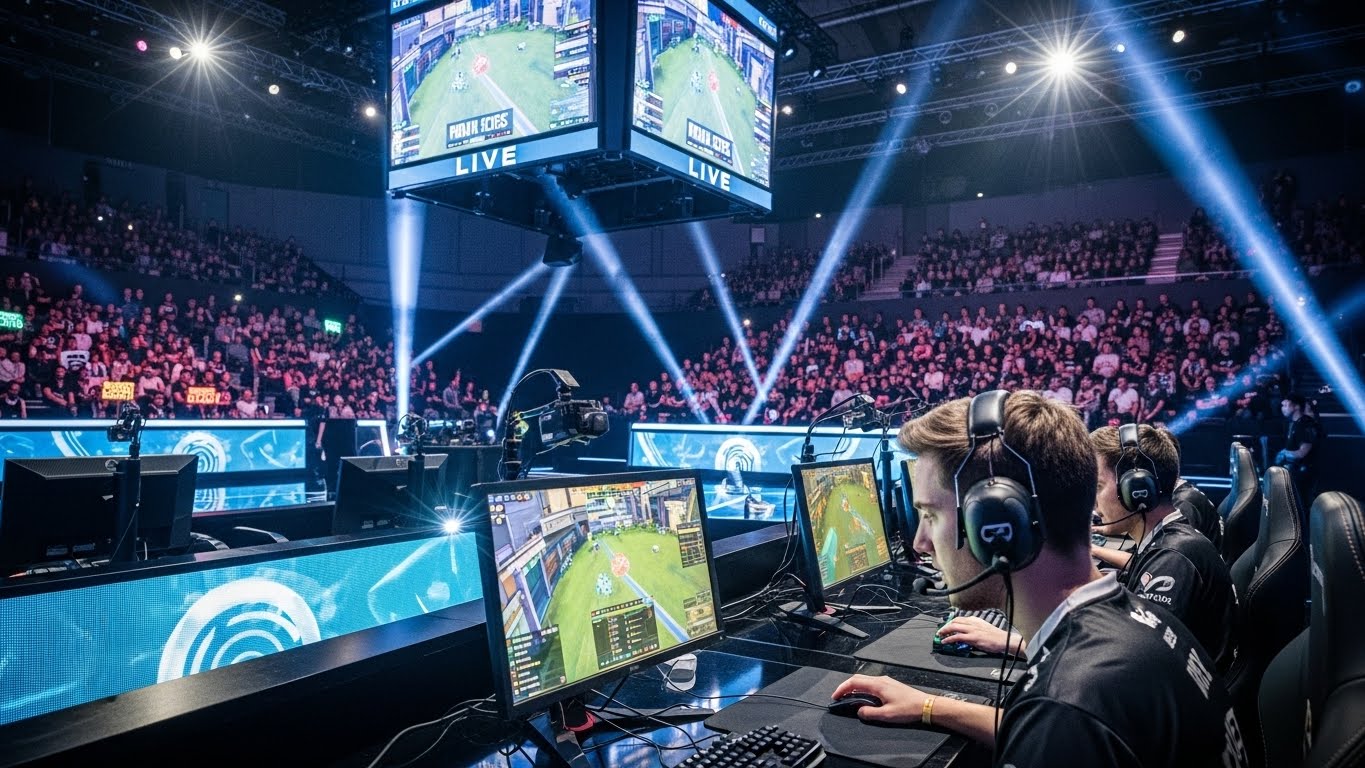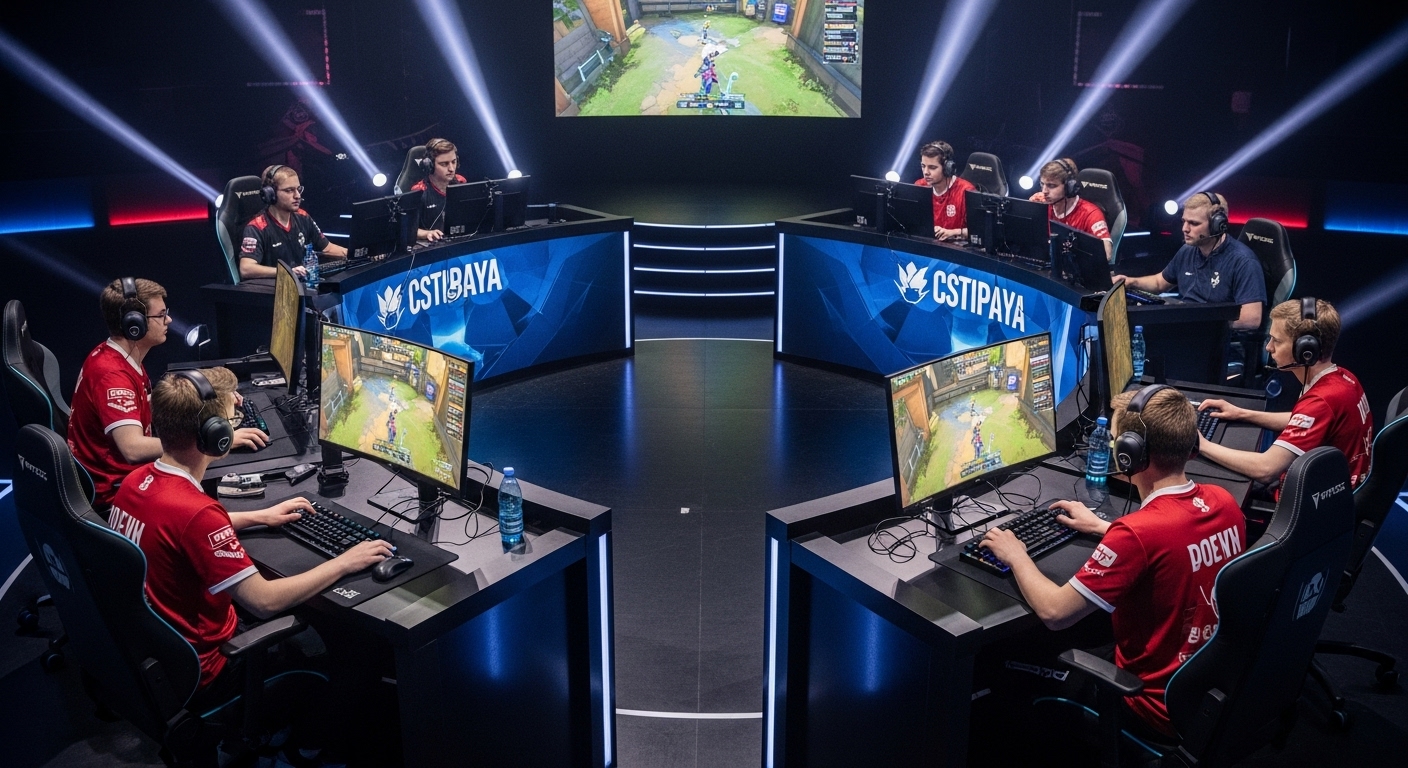
In the past two decades, esports has transitioned from a niche hobby to a global industry worth billions. Once seen as just a pastime for gamers, competitive video gaming has evolved into a serious, professional sport with a dedicated fan base, multinational sponsorships, and its own thriving ecosystem. In this blog post, we’ll dive into the explosive growth of esports, its impact on gaming culture, and why it is here to stay.
The Evolution of Esports: A New Kind of Competition
Esports, short for electronic sports, refers to organized, multiplayer video game competitions, particularly between professional players, individually or as teams. What began as friendly competitions in local arcades and college dorms in the 90s quickly transformed into international events that fill massive arenas and draw millions of online viewers.
In its infancy, esports was primarily centered around games like StarCraft, Quake, and Counter-Strike. However, the genre has expanded significantly over the years, with titles like League of Legends, Dota 2, Fortnite, and Call of Duty now dominating the competitive scene. Esports events have grown in scale, with huge prize pools, broadcasted tournaments, and an ever-increasing number of spectators. What was once a hobby is now a legitimate career path for many gamers.
The Impact of Streaming: Bringing Esports to the Masses
The rise of streaming platforms like Twitch and YouTube Gaming has been one of the key factors in propelling esports to the mainstream. These platforms allow fans to watch live competitions, interact with players, and follow their favorite teams in real-time. Twitch, in particular, has been a game-changer for the esports industry, enabling streamers to build large followings and monetize their content.
Through streaming, esports has been able to reach a global audience, bringing the excitement of competitive gaming directly into people’s homes. Fans can now watch tournaments from anywhere in the world, engage with players and analysts, and feel as though they are part of the action. The growth of streaming has not only amplified the visibility of esports but has also created new opportunities for content creators, commentators, and analysts to carve out careers in the ecosystem.
The Professionalization of Esports: From Casual to Career
What was once considered a casual hobby has evolved into a professional industry. Esports organizations, like Team Liquid, Cloud9, and Fnatic, now manage teams of top-tier players, provide them with salaries, sponsorships, and training facilities. These teams compete in tournaments that can offer multi-million-dollar prize pools, with major events like The International (for Dota 2) and the League of Legends World Championship drawing large crowds and millions of online viewers.
The level of professionalism in esports is on par with traditional sports, with players often spending years honing their skills, practicing regularly, and studying strategies to stay competitive. Top players are not only skilled gamers but also brand ambassadors, social media influencers, and public figures with large followings. Their careers often include sponsorship deals, merchandise, and even personal brand collaborations, making esports a financially viable career option.
Esports as a Cultural Movement: A New Form of Entertainment
Esports is more than just a competitive activity; it has become a cultural phenomenon that impacts everything from music to fashion. Major gaming tournaments now feature live music performances, celebrity cameos, and collaborations with popular brands, blurring the lines between traditional sports, entertainment, and digital culture.
Moreover, esports is helping to shape the next generation of gamers and content creators. As younger audiences grow up watching professional esports, they often become inspired to pursue careers in gaming, whether as players, streamers, or developers. The cultural impact of esports extends beyond gameplay; it fosters a community of gamers who are passionate about their favorite games, players, and teams, creating a sense of belonging and identity.
The Financial Growth of Esports: Big Money Involved
Esports is no longer just about the thrill of competition—it has become a multi-billion-dollar industry. Sponsorships, advertising, broadcasting rights, merchandise sales, and ticket sales for live events contribute to the booming esports economy. Major brands, including Coca-Cola, Intel, Nike, and Audi, are investing heavily in esports through sponsorships, partnerships, and event support.
Prize pools for major esports tournaments can reach staggering amounts, with The International 2021 boasting a prize pool of over $40 million for Dota 2 players. Esports tournaments now fill large arenas, with thousands of spectators in attendance, and live-streamed events attract millions of viewers globally. This financial growth has created opportunities not only for players and teams but also for broadcasters, event organizers, and content creators who can tap into the massive esports fan base.
Esports and Education: A New Path for Students
As esports has grown, it has also made its way into educational institutions. Many colleges and universities now offer scholarships for esports players and even have dedicated esports teams that compete at the collegiate level. This has opened up new pathways for students to pursue their passion for gaming while earning a degree.
Esports programs in schools teach students not only gaming skills but also teamwork, communication, time management, and strategic thinking. These programs are helping to legitimize esports as an important part of education, while also providing students with career opportunities in gaming, streaming, broadcasting, and game development.
The Health and Well-being of Esports Athletes
Like traditional athletes, esports players face physical and mental challenges. Long hours of practice, intense competition, and the pressure of performing at a high level can take a toll on players’ health. Many professional esports organizations are starting to take player well-being seriously by incorporating health and fitness routines, psychological support, and proper nutrition into their training regimens.
Additionally, the mental demands of esports can be just as taxing as the physical. Players are constantly strategizing, focusing on split-second decisions, and managing stress. As esports grows, the industry is beginning to prioritize mental health resources to ensure that players remain healthy and balanced throughout their careers.
The Global Appeal of Esports: Bridging Borders
Esports is one of the few activities that truly has a global appeal. No matter where you are in the world, there’s a game, a tournament, or a team to cheer for. Whether in the United States, South Korea, Europe, or China, esports brings together people from all corners of the globe who share a passion for gaming.
In countries like South Korea, esports is seen as a national sport, with professional players enjoying celebrity status. In other regions, esports has become a social activity that transcends geographic and cultural boundaries, allowing people to connect with others who share their interests. This global connectivity is one of the reasons why esports continues to grow—it’s not limited to any specific country or demographic but is accessible to anyone with an internet connection.
Conclusion: The Future of Esports
Esports is no longer a passing trend but a permanent fixture in the entertainment landscape. With its explosive growth, increasing mainstream recognition, and global fanbase, the future of esports looks brighter than ever. As technology continues to evolve and the demand for competitive gaming continues to rise, esports will only become more ingrained in our culture.
From the rise of professional teams to the increased involvement of major sponsors, esports is shaping up to be a major player in the global entertainment industry. Whether you’re a gamer, a fan, or simply an observer, the rise of esports is something worth watching as it continues to redefine what it means to compete and connect in the digital age.