Esports, or competitive video gaming, has taken the world by storm. Once viewed as a niche hobby for gamers, it has now transformed into a global industry with millions of fans, professional athletes, and massive prize pools. What was once a pastime has become a legitimate sport, earning recognition alongside traditional athletic competitions. In this blog, we explore the rise of esports, its cultural impact, and its potential future as a dominant form of entertainment.
The Birth of Esports
Esports, short for electronic sports, refers to organized video game competitions, often involving professional players and teams. The origins of competitive gaming can be traced back to the 1970s, when early video game tournaments began to pop up. Games like Space Invaders and Pong saw their first official competitions, but it wasn’t until the 1990s that esports started to take form as we know it today.
The development of the internet and improvements in gaming technology helped esports grow into a global phenomenon. The first major esports tournaments were held in the late 1990s, with games such as StarCraft and Quake leading the way. As gaming technology advanced, so did the scale of competitions, ultimately leading to the enormous esports events we see today.
Esports Today: A Multi-Billion Dollar Industry
Fast forward to the present, and esports has grown exponentially. It’s no longer a subculture for gamers but a mainstream entertainment industry that generates billions in revenue. According to recent reports, the global esports market is expected to surpass $1.5 billion in the coming years, with a large portion coming from sponsorships, media rights, advertising, and streaming platforms.
A major factor contributing to the rapid growth of esports is the rise of live streaming platforms like Twitch and YouTube Gaming. These platforms have allowed fans to watch competitions in real-time, interact with players, and even support their favorite streamers through donations and subscriptions. The ability to watch top-tier players showcase their skills has drawn millions of viewers worldwide, creating a fanbase that rivals traditional sports.
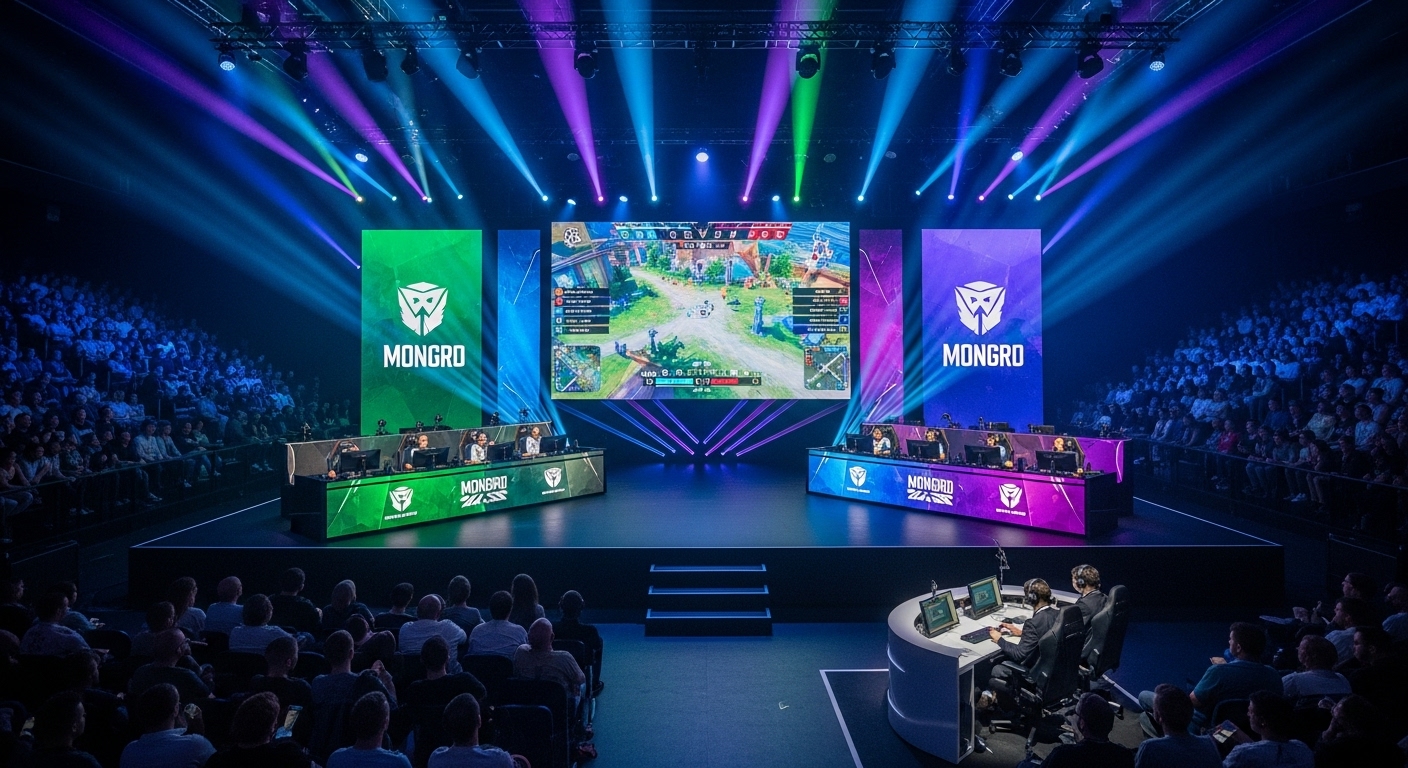
Esports tournaments, such as the League of Legends World Championship or The International for Dota 2, now feature prize pools that can reach tens of millions of dollars. These massive events often fill arenas and attract a global audience, proving that esports is a legitimate form of entertainment with mainstream appeal.
The Esports Ecosystem: Players, Teams, and Tournaments
Esports isn’t just about playing video games—it’s an entire ecosystem consisting of players, teams, tournaments, and fans. Professional esports athletes dedicate countless hours to perfecting their craft, training, and competing in tournaments. Many players start as amateurs, honing their skills through online competitions and streaming their gameplay before they get recruited by professional organizations.
Professional Players: The best esports players are often highly skilled individuals who dedicate themselves to mastering a specific game. Their training regimen includes hours of gameplay, strategic analysis, and physical conditioning to ensure they are in peak performance. Some players even move into gaming houses, where they live and train together as a team. The pressure is intense, as professional esports athletes are constantly striving to improve, both individually and as part of a team.
Teams and Organizations: Just like in traditional sports, esports features professional teams that compete in various games. These teams are often part of large organizations that manage their finances, marketing, sponsorships, and training programs. Some of the most well-known esports organizations include Team Liquid, Cloud9, and Fnatic. These teams not only compete in major tournaments but also work on building a brand, signing sponsorship deals, and interacting with fans.
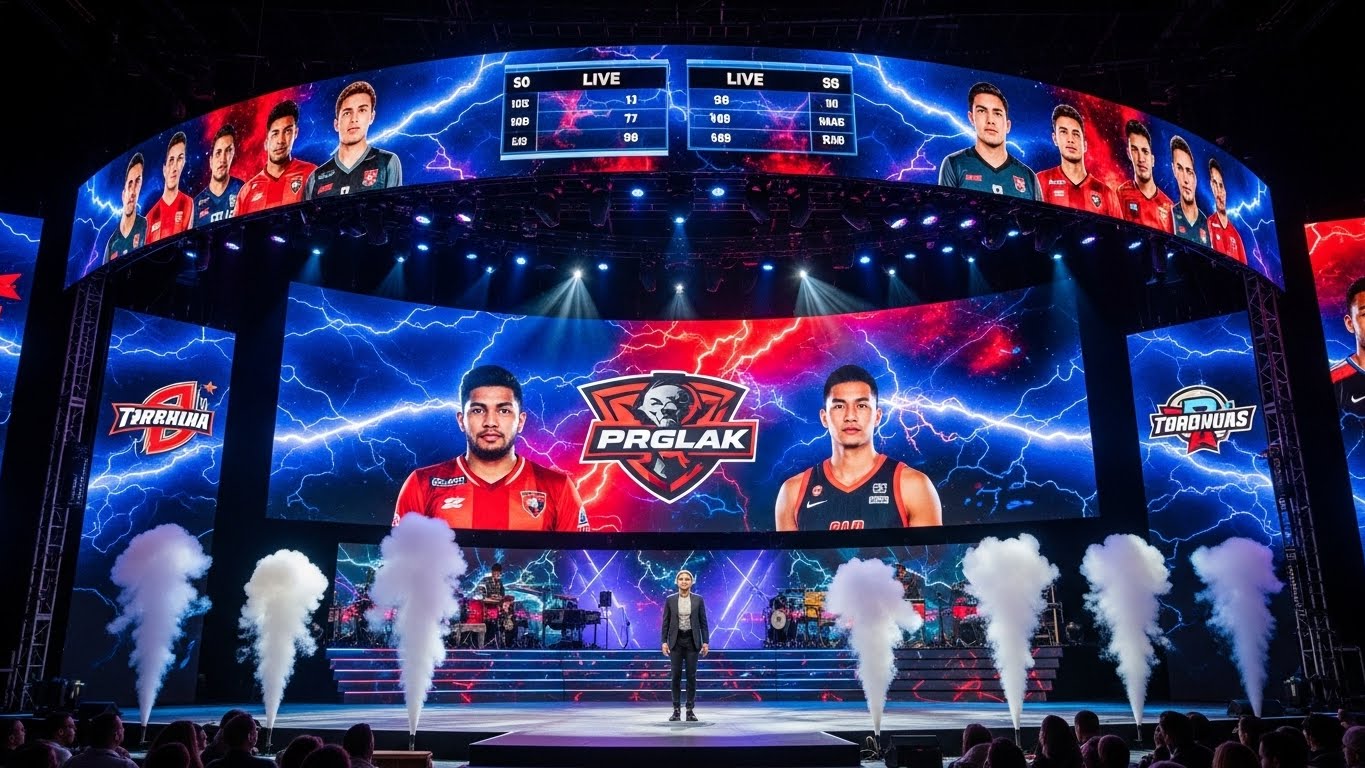
Tournaments and Leagues: Esports tournaments are where the action takes place. The largest esports tournaments attract huge audiences, both in person and online. The League of Legends World Championship, The International for Dota 2, and CS:GO Major Championships are just a few examples of the most prestigious events. These tournaments often feature live broadcasts with expert commentary, analysis, and even fan engagement, making the events feel more like a major sports broadcast than a video game competition.
In addition to single-event tournaments, many games have established professional leagues, similar to traditional sports. The Overwatch League and Call of Duty League are great examples, where teams compete in a regular season format, leading to playoff tournaments. These leagues are often broadcast on major streaming platforms and have their own unique set of rules and structures, offering an exciting new dimension to the world of competitive gaming.
What Makes Esports So Popular?
So why has esports become so popular? There are several key reasons that contribute to its explosive growth and widespread appeal.
Thrilling Competition: Esports offers fast-paced, high-stakes competition that keeps viewers on the edge of their seats. Whether it’s the strategic depth of League of Legends, the split-second decision-making in Counter-Strike, or the teamwork in Overwatch, esports offers intense moments that rival the excitement of traditional sports.
Skill and Strategy: Esports is not just about reflexes—it’s about strategy, teamwork, and execution. Professional players spend countless hours refining their techniques, understanding game mechanics, and developing strategies to outplay their opponents. Fans appreciate the skill involved in esports, and watching a well-executed play can be just as thrilling as seeing a game-winning touchdown or goal in a traditional sport.
Global Reach: Unlike traditional sports, esports transcends geographical boundaries. A player from South Korea can compete against someone from the United States, and a fan in Brazil can watch and interact with players from Europe. The global reach of esports has created a truly international community where fans from all over the world can connect, share their passion, and support their favorite teams and players.
Engaged Fanbase: The relationship between players and fans in esports is unique. Many players interact directly with their followers through social media, streaming platforms, and fan events. This level of engagement creates a sense of community and intimacy that is often absent in traditional sports. Fans feel like they are part of the action, and their support can help elevate a player or team to stardom.
The Business Side of Esports
As the esports industry has grown, so too has its business potential. Major corporations, tech giants, and even traditional sports teams are investing heavily in esports, recognizing its ability to reach younger audiences and its potential for revenue generation.
Sponsorships and Advertising: Brands like Coca-Cola, Intel, Red Bull, and Nike have entered the esports space through sponsorships and partnerships with teams, players, and tournaments. These companies understand that esports offers access to a dedicated and lucrative audience, often made up of young, tech-savvy individuals who are highly engaged with gaming culture.
Media Rights: Just like in traditional sports, media rights for esports tournaments are a major source of revenue. Streaming platforms like Twitch, YouTube, and Facebook Gaming pay for the rights to broadcast major tournaments, while broadcasters and TV networks are increasingly showing esports events on their channels. This opens up new revenue streams and increases the accessibility of esports to global audiences.
Merchandising: Just like any other sport, esports teams and players have started to sell branded merchandise, including jerseys, apparel, and collectibles. These items not only generate revenue but also help build the team’s brand and connect them with fans on a more personal level.
The Future of Esports
The future of esports looks incredibly bright. With growing investments, an expanding fanbase, and new technological advancements, the esports industry will continue to thrive. The rise of virtual and augmented reality (VR and AR) could change how we experience esports, allowing fans to immerse themselves in the action like never before. Additionally, advancements in artificial intelligence (AI) may create new opportunities for game development and tournament formats.
Esports will also likely see more integration with traditional sports, with cross-promotions, live events, and partnerships between sports leagues and gaming organizations. This crossover could bring even more attention to esports and establish it as a legitimate force in the entertainment industry.
Conclusion
Esports has come a long way from its humble beginnings as a hobby for dedicated gamers. Today, it is a thriving global industry with millions of fans, professional players, and an ever-expanding ecosystem of tournaments, leagues, and business opportunities. As the industry continues to grow and evolve, esports is poised to become one of the most significant forms of entertainment in the world. With its dynamic gameplay, skilled athletes, and dedicated community, esports is a force to be reckoned with in the digital age.