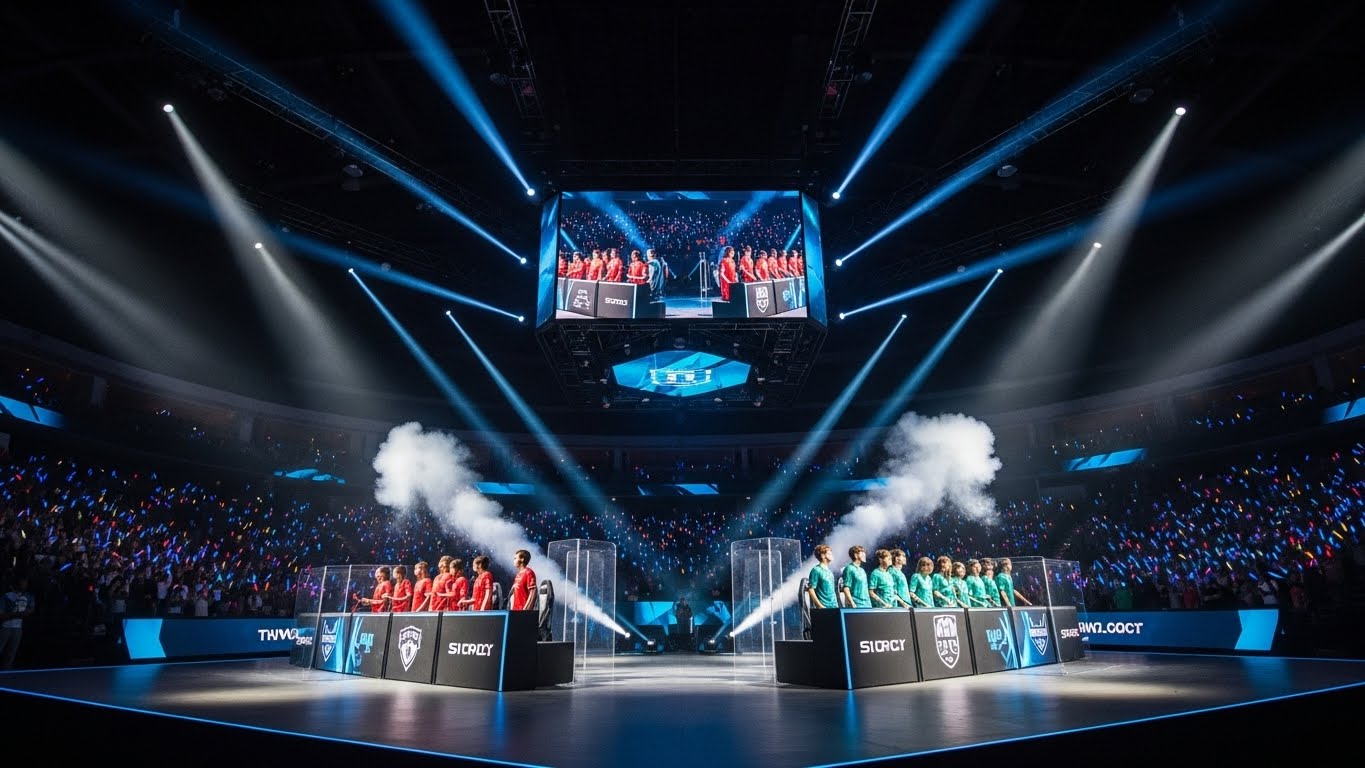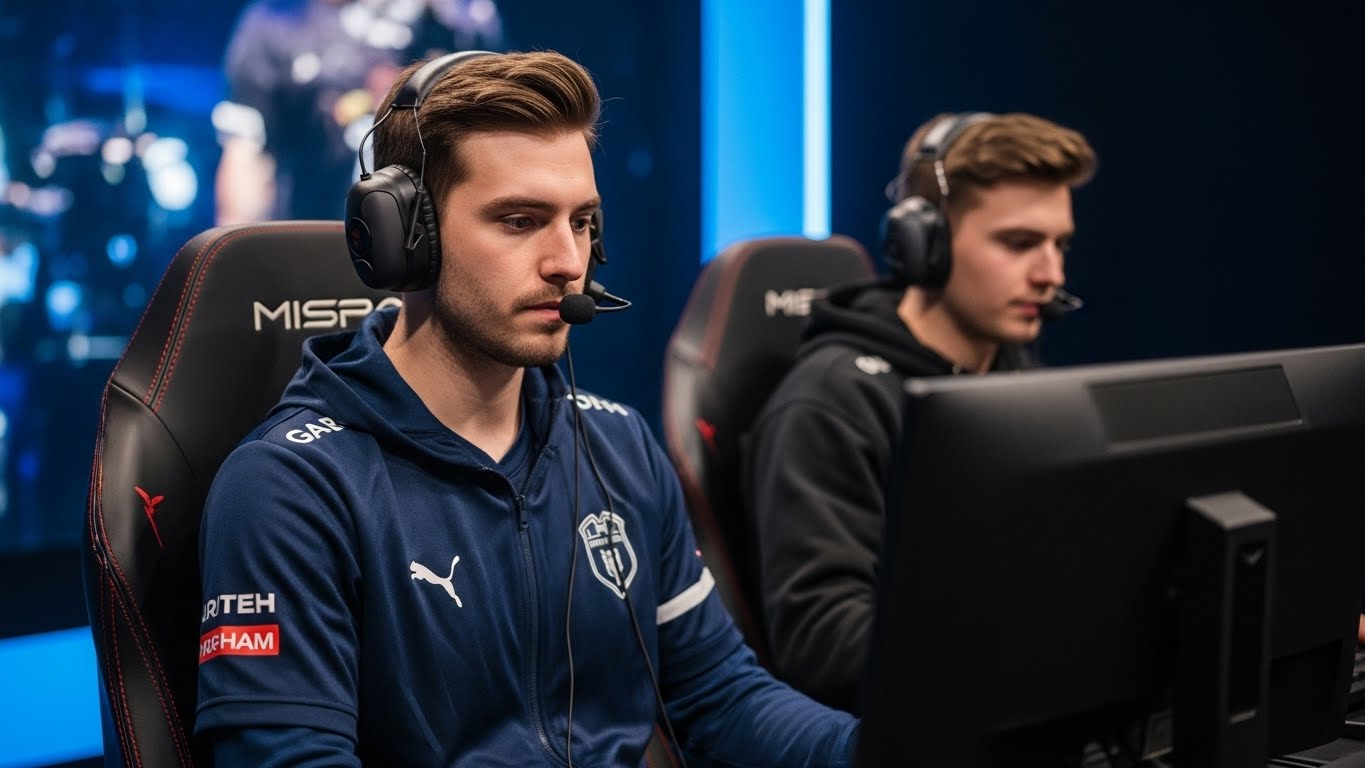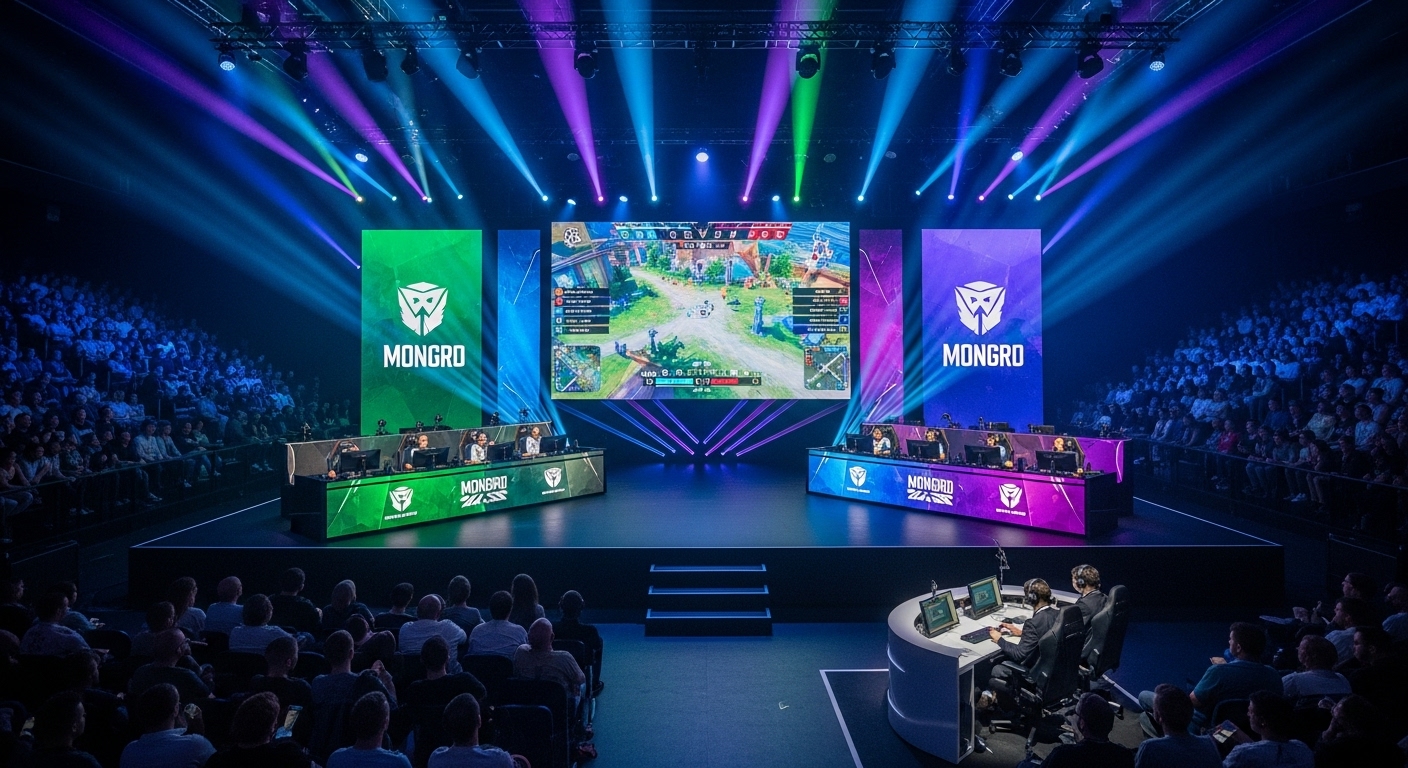
Esports, or competitive video gaming, has grown from a niche hobby into a global phenomenon that touches the lives of millions of young people. What was once considered a simple pastime has now evolved into a professional career path, a social movement, and a cultural force. The influence of esports on youth culture is profound, shaping the way young people interact, learn, and even view success.
The Rise of Esports
Over the last two decades, esports has transformed dramatically. Early competitive gaming involved small communities gathering in local internet cafes or at home to play popular titles like StarCraft or Counter-Strike. Today, esports tournaments fill stadiums with thousands of fans, and millions more watch online. Games like League of Legends, Dota 2, and Fortnite have become household names, giving young players role models and heroes they can relate to. This growth has created a sense of identity and belonging among youth, bringing together individuals from different backgrounds through shared passion.
Shaping Social Interaction
Esports has redefined how young people socialize. Online gaming communities allow players to connect with peers worldwide, forging friendships that transcend geographical boundaries. Unlike traditional social settings, esports encourages teamwork, communication, and collaboration, teaching valuable social skills in a digital environment. Gaming lounges and tournaments also create offline spaces for interaction, making esports a bridge between the virtual and real world. This unique form of social engagement has influenced how young people approach relationships, community, and networking.
Influence on Education and Career Aspirations
Esports has expanded the traditional notion of career paths for youth. Professional gaming, streaming, content creation, and game development have become viable and respected professions. Schools and universities have even started offering esports programs, scholarships, and clubs, providing structured environments for students to pursue their passion. For many young people, esports is not just entertainment—it’s a way to develop strategic thinking, leadership skills, and discipline, which can translate into other areas of life.
Impact on Lifestyle and Identity
For today’s youth, esports is more than a hobby; it’s a lifestyle. It shapes fashion trends, music preferences, and even language. Gamers identify with specific communities or teams, wearing merchandise and adopting cultural norms from the esports world. The culture of streaming and content sharing also encourages creativity, as young people produce videos, guides, and artwork related to gaming. Esports has therefore become a powerful tool for self-expression, influencing identity in a way traditional sports or hobbies rarely achieve.
Mental Health and Personal Growth
While esports brings many positive influences, it also presents challenges. The competitive nature of gaming can create stress and pressure, and excessive screen time may impact physical health. However, for many young people, esports has also contributed to personal growth. Learning to cope with failure, celebrate small victories, and develop resilience in a competitive environment equips them with skills applicable to real-life challenges. Esports encourages a balance between dedication and well-being, highlighting the importance of moderation and self-awareness.
The Future of Youth Culture and Esports
Esports is no longer just a passing trend—it is an integral part of youth culture that continues to evolve. As technology advances, virtual reality, augmented reality, and mobile esports are poised to further expand the influence of competitive gaming. Youth culture will increasingly reflect the values, skills, and social dynamics shaped by esports, from collaboration and creativity to global connectivity. Esports has not only changed how young people spend their time but has fundamentally shifted the way they see themselves and the world.