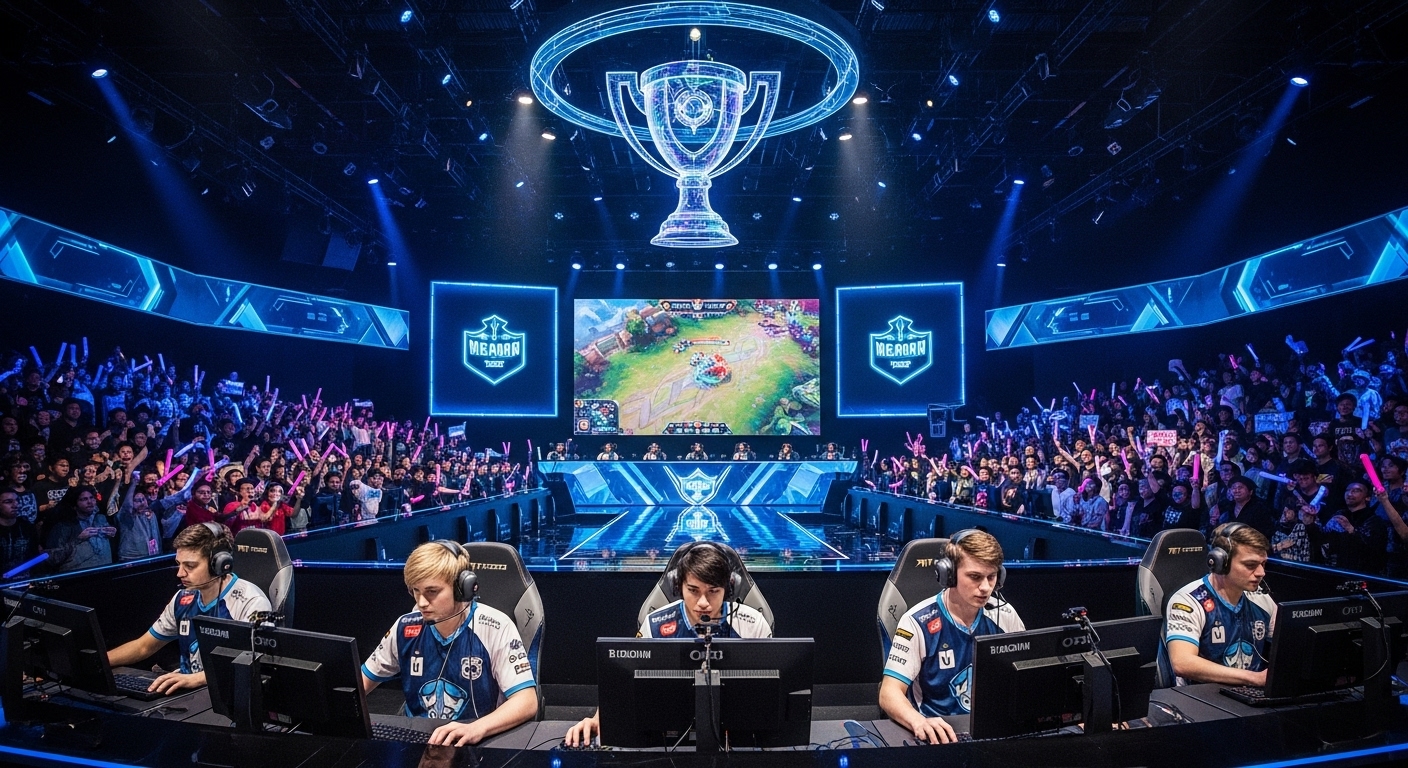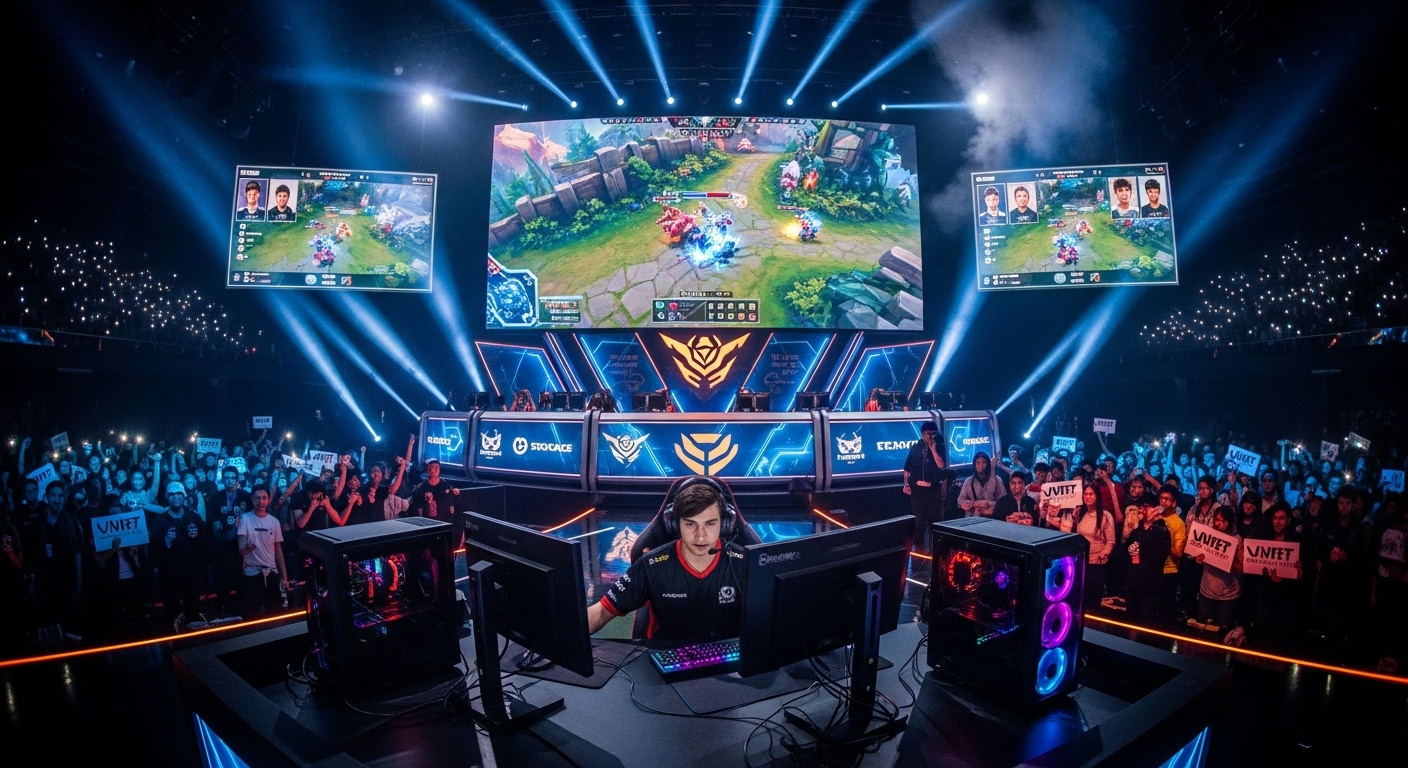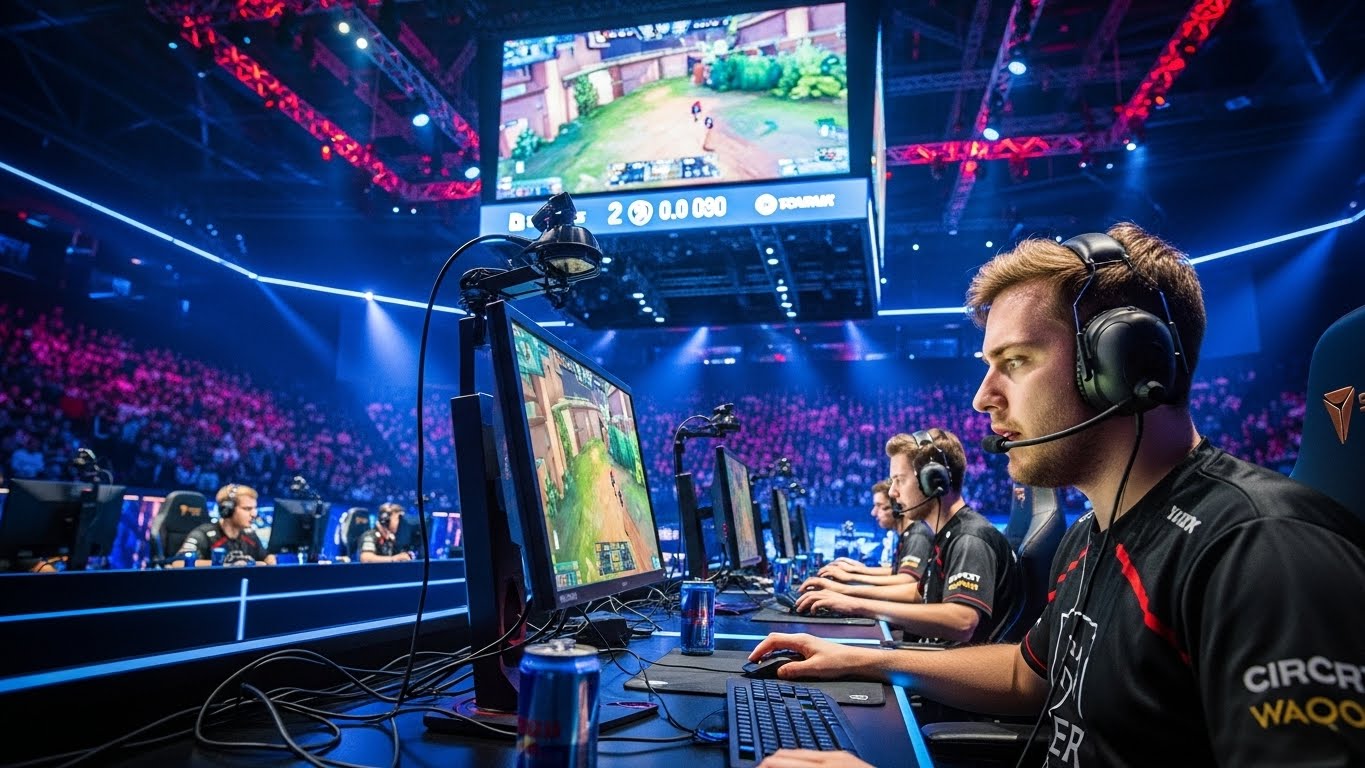
Esports, short for electronic sports, has rapidly transformed from a niche hobby into a global entertainment phenomenon. Over the past two decades, competitive gaming has evolved into a professional industry, attracting millions of viewers, generating billions of dollars in revenue, and offering career opportunities for skilled players around the world. Unlike traditional sports, esports is defined not by physical prowess but by mental acuity, strategic thinking, and quick reflexes. The growth of esports is a testament to the power of technology, community, and human competitiveness.
Esports is more than just playing video games competitively. It is an intricate ecosystem comprising professional players, teams, tournament organizers, streaming platforms, sponsors, and fans. It is a form of entertainment, a career path, and a cultural movement, all rolled into one. Understanding its origins, development, and impact helps explain why it has captured the attention of millions globally.
The Early Days of Competitive Gaming
The origins of esports trace back to the late 1970s and 1980s when arcade games like Space Invaders, Pac-Man, and Donkey Kong became popular competitive arenas. Players would compete for high scores, and local competitions were held in arcades, schools, and gaming centers. Though these events were small in scale, they laid the foundation for organized competitive gaming.
In the 1990s, the emergence of personal computers and local area networks facilitated multiplayer competition. Games like Doom, Quake, and Warcraft allowed players to compete against one another over networks, marking a shift from casual gaming to organized competitive play. Tournaments began forming in gaming cafes, universities, and small communities, creating the first generation of professional gamers and dedicated fan bases.
The Birth of Modern Esports
The early 2000s marked a turning point for esports. Improved internet infrastructure enabled online competitions, allowing players from different countries to face each other without geographical constraints. South Korea emerged as the epicenter of competitive gaming, particularly with StarCraft: Brood War. Televised tournaments attracted millions of viewers, and professional gaming became a respected career choice in the country.
During this period, esports teams and organizations began forming. Players received salaries, coaches provided training, and analysts offered strategic insights. International tournaments began offering significant prize pools, raising the stakes and attracting global attention. Games such as Counter-Strike, Warcraft III, and DotA became staples of competitive gaming and set the stage for the esports industry we know today.
Streaming Platforms and the Expansion of Esports
The rise of streaming platforms revolutionized esports. Services like Twitch and YouTube Gaming allowed fans to watch live tournaments, interact with players, and engage with the esports community in real time. This interactive element differentiates esports from traditional sports, as viewers can communicate with players, ask questions, and influence their content.
Streaming also provided a pathway for aspiring players to gain recognition. Popular streamers could build audiences, monetize their content, and transition into professional esports careers. The combination of live competition, interactive engagement, and content creation contributed to the explosive growth of esports worldwide.
Popular Esports Genres and Titles
Esports encompasses a wide variety of game genres, each attracting different player bases and fan communities. Multiplayer Online Battle Arena (MOBA) games like League of Legends and Dota 2 emphasize teamwork, strategy, and in-game decision-making. First-Person Shooters (FPS) such as Counter-Strike: Global Offensive and Overwatch focus on precision, reflexes, and tactical coordination.
Battle royale games, including Fortnite and PUBG, require adaptability, survival skills, and fast decision-making. Fighting games like Street Fighter and Super Smash Bros. highlight individual skill and mastery of complex mechanics. Each genre offers unique competitive opportunities and caters to different fan preferences, ensuring that esports remains diverse and inclusive.
Professional Players and Team Structures
Professional esports players are equivalent to athletes in traditional sports. They dedicate countless hours to practice, strategy, and team coordination. Success in esports requires quick reflexes, strategic thinking, communication skills, and mental resilience. Top players often achieve celebrity status, attracting sponsorships, media attention, and a loyal fan base.
Teams function similarly to sports franchises, complete with managers, coaches, analysts, and support staff. Teams participate in multiple tournaments, often on regional and international levels, and secure sponsorships from global brands. The professionalization of players and teams has elevated esports, allowing it to compete with traditional sports in terms of organization and visibility.
Major Esports Tournaments
Tournaments form the backbone of esports. Prestigious competitions such as The International for Dota 2, the League of Legends World Championship, and the Fortnite World Cup draw millions of viewers globally. Prize pools for these tournaments often exceed millions of dollars, creating high-stakes environments that attract the best talent worldwide.
Regional leagues provide structure and consistency for teams and players. They maintain rankings, enforce rules, and organize regular matches, allowing competitors to prepare for larger international events. Live broadcasts of tournaments include professional commentary, in-depth analysis, and interactive features that enhance the viewing experience.
Economics and Sponsorships in Esports
Esports has grown into a multi-billion-dollar industry fueled by multiple revenue streams. Tournament winnings, sponsorships, merchandise sales, advertising, and streaming revenue are the primary sources of income. Brands from diverse sectors—including technology, energy drinks, apparel, and media—invest in esports to reach highly engaged audiences.
Sponsorship deals are crucial for team sustainability, often including financial support, equipment, and marketing collaborations. In-game purchases, branded content, and merchandising further contribute to the industry’s economic growth. The financial infrastructure surrounding esports is a key reason for its rapid global expansion and professionalization.
Global Reach and Cultural Significance
Esports is a truly international phenomenon. Competitive hubs exist in countries like South Korea, China, the United States, and European nations. Major tournaments often feature international teams, promoting cross-cultural interaction and fostering a sense of global community.
The cultural impact of esports extends beyond gaming. Professional players become celebrities, inspiring younger generations to pursue gaming, content creation, and careers in technology. Esports also challenges traditional notions of sports, demonstrating that skill, strategy, and teamwork are not limited to physical activity. It represents a new kind of competition shaped by the digital era.
Technological Innovations in Esports
Technology is the foundation of esports. High-speed internet, powerful hardware, and advanced software allow smooth gameplay and fair competition. Analytics tools help players track performance, identify weaknesses, and develop strategies. Broadcasting innovations, including multiple camera angles, live statistics, and interactive overlays, enhance the viewing experience.
Emerging technologies like virtual reality, augmented reality, and artificial intelligence are set to redefine esports. AI can provide real-time game analysis, generate practice scenarios, and assist coaches in strategy development. VR and AR can create immersive tournament experiences for both players and spectators, pushing the boundaries of how esports is played and consumed.
Esports in Education
Educational institutions are recognizing esports as a legitimate field of study and competition. Colleges and universities offer scholarships for talented players, providing programs that combine gaming with leadership, strategy, and teamwork education. These programs teach skills transferable to broader career opportunities, including digital media, technology, and management.
High school esports programs are also on the rise, allowing students to develop skills early and gain competitive experience. The integration of esports into education validates it as a professional pursuit and offers structured pathways for future careers.
Mental and Physical Demands
Esports requires both mental and physical endurance. Long hours of practice and high-pressure competition can lead to eye strain, repetitive stress injuries, and mental fatigue. Players must maintain focus, reaction speed, and strategic thinking under stress.
To mitigate these challenges, professional teams employ fitness coaches, psychologists, and health advisors. Maintaining physical health, managing stress, and practicing mental conditioning are essential for player longevity and performance. This professional approach ensures that esports athletes can compete at the highest level sustainably.
Fan Engagement and Community Building
Esports fans are highly engaged and actively participate in the community. Unlike traditional sports, fans can communicate with players, join live chats, and participate in interactive content. Fantasy esports leagues, online competitions, and social media engagement strengthen fan loyalty and create a participatory experience.
The global esports community is vibrant and diverse. Fans organize events, tournaments, and online discussions. The sense of belonging and shared enthusiasm transforms esports from mere competition into a cultural movement that connects people across the world.
Challenges Facing Esports
Despite its success, esports faces challenges. Issues such as cheating, match-fixing, and unethical behavior threaten the integrity of competition. Standardized regulations and ethical oversight are critical to maintaining credibility.
Career longevity is also a concern. Esports careers can be shorter than traditional sports due to the intense demands on reflexes and mental stamina. Supporting players through education, career planning, and health initiatives is essential for sustainable growth.
The Future of Esports
The future of esports is bright. Emerging technologies, global expansion, and mainstream integration will continue to drive growth. Virtual reality tournaments, AI-driven analysis, and interactive streaming experiences will redefine competitive play and fan engagement.
Esports is also likely to merge further with traditional entertainment, including music, film, and live events. Cross-industry collaborations will enhance visibility and cultural relevance. As esports continues to evolve, it will remain a platform where strategy, skill, and passion converge, inspiring players and fans alike.
The potential for innovation, global connectivity, and immersive experiences ensures that esports will remain a defining aspect of digital entertainment for years to come.
Conclusion
Esports has grown from a casual hobby to a global entertainment powerhouse. It combines skill, strategy, teamwork, and technological innovation to create a competitive and cultural phenomenon. Professional players, teams, tournaments, and fans drive an industry that rivals traditional sports in popularity and revenue.
The influence of esports extends beyond gaming. It shapes culture, education, and business while creating professional opportunities for players and content creators. The rise of esports demonstrates how human competitiveness adapts to new technologies and forms of entertainment, redefining what it means to compete and succeed in the digital age.
Esports is more than a pastime; it is a global movement, a professional industry, and a cultural force. Its continued growth reflects the limitless potential of digital competition, connecting players and audiences worldwide and establishing esports as a permanent fixture in the modern entertainment landscape.