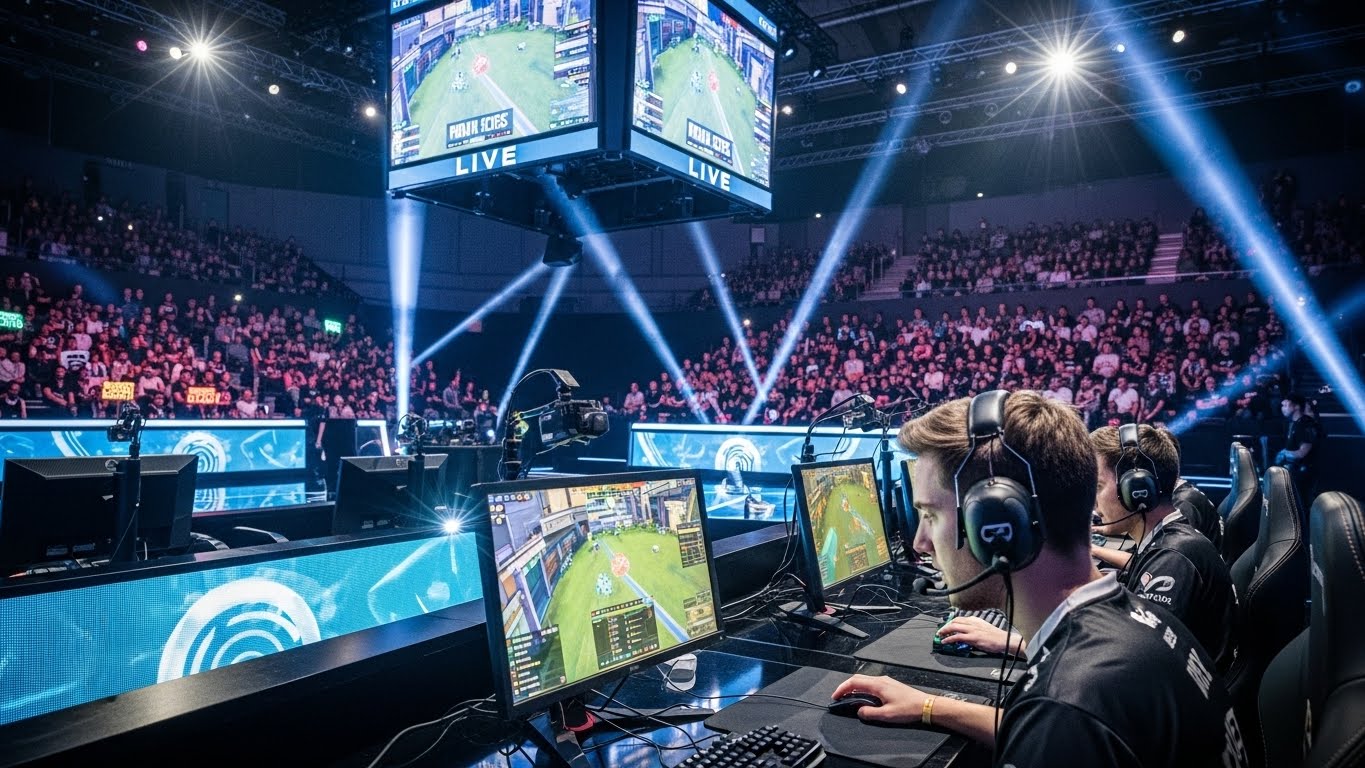
Introduction: The Rise of a New Arena
Once dismissed as a casual pastime for teenagers, esports has evolved into one of the most influential entertainment industries in the world. Competitive gaming now fills stadiums, attracts millions of online viewers, and creates career paths that were unimaginable just two decades ago. Esports is no longer simply about playing games; it represents a cultural shift where technology, skill, strategy, and community intersect. This blog explores how esports emerged, why it resonates with global audiences, and what the future holds for this digital battlefield.
Understanding Esports Beyond Gaming
Esports, short for electronic sports, refers to organized competitive video gaming. Unlike casual gaming, esports involves structured tournaments, professional teams, rigorous training schedules, and significant prize pools. Players specialize in specific titles and roles, similar to athletes in traditional sports. What truly separates esports from standard gaming is its emphasis on competition, consistency, and performance under pressure.
At its core, esports is about mastery. Players must refine mechanical skills, strategic thinking, teamwork, and mental resilience. Success depends not just on fast reactions but also on preparation, adaptability, and deep understanding of the game environment.
A Brief History of Competitive Gaming
The roots of esports can be traced back to early arcade competitions and small-scale tournaments held in the late twentieth century. As internet connectivity improved, competitive gaming moved online, allowing players from different regions to compete regularly. This shift laid the foundation for global esports ecosystems.
The introduction of live streaming platforms marked a turning point. Suddenly, audiences could watch matches in real time, follow their favorite players, and engage with communities. Competitive gaming transformed from a niche hobby into a spectator-driven industry. With increased visibility came sponsorships, professional leagues, and corporate investment, accelerating esports’ growth.
Popular Esports Genres and Games
Esports is not defined by a single type of game. Instead, it spans multiple genres, each offering unique competitive experiences. Multiplayer online battle arena games emphasize teamwork and strategic map control. First-person shooters focus on precision, reflexes, and tactical coordination. Real-time strategy games reward long-term planning and adaptability, while sports simulation titles mirror traditional athletics in digital form.
This diversity allows esports to appeal to a wide audience. Fans can gravitate toward games that align with their interests, whether they enjoy fast-paced action, strategic depth, or realistic sports simulations.
The Professional Esports Athlete
Becoming a professional esports player requires dedication comparable to traditional sports. Top players often train for many hours each day, analyzing gameplay, practicing mechanics, and coordinating with teammates. Physical health, mental focus, and proper rest are increasingly recognized as essential components of peak performance.
Contrary to outdated stereotypes, esports athletes must maintain discipline and balance. Reaction time, hand-eye coordination, and decision-making speed are critical. Teams now employ coaches, analysts, nutritionists, and psychologists to support players, highlighting how professionalized the industry has become.
Esports Teams and Organizations
Esports teams function as full-fledged organizations. They manage player contracts, branding, marketing, and fan engagement. Successful teams build identities that resonate with supporters, creating loyal fan bases that follow them across tournaments and seasons.
These organizations also invest heavily in talent development. Amateur and academy teams serve as pipelines for discovering future stars. This structured approach ensures long-term competitiveness and stability within the esports ecosystem.
The Role of Streaming and Community
One of the defining features of esports is its close relationship with online communities. Streaming platforms allow fans to watch live matches, interact through chat, and support players directly. This real-time engagement creates a sense of belonging that traditional sports often struggle to replicate.
Content creators and streamers play a vital role in expanding esports’ reach. By sharing gameplay, commentary, and personal stories, they humanize the competitive scene. Fans feel connected not only to teams but also to individual personalities, strengthening the overall ecosystem.
Esports as a Global Phenomenon
Esports transcends geographical boundaries. Players from different countries compete on equal footing, united by shared rules and digital environments. International tournaments celebrate cultural diversity while fostering global rivalries and friendships.
This global nature has contributed to esports’ rapid adoption. Regions invest in local leagues and training facilities, nurturing talent and building national pride. For many countries, esports represents an opportunity to compete on the world stage without traditional physical limitations.
Economic Impact and Career Opportunities
The esports industry generates revenue through sponsorships, advertising, merchandise, ticket sales, and media rights. This financial growth has created a wide range of career opportunities beyond playing. Roles include coaching, event management, broadcasting, game design, marketing, and data analysis.
Educational institutions have begun offering esports programs and scholarships, recognizing the industry’s legitimacy. These initiatives help students develop transferable skills such as teamwork, communication, and strategic thinking, further integrating esports into mainstream society.
Challenges Facing the Esports Industry
Despite its success, esports faces several challenges. Player burnout is a significant concern due to intense schedules and constant competition. Ensuring fair play and preventing cheating require continuous technological and regulatory efforts. Additionally, maintaining inclusivity and addressing toxicity within online communities remain ongoing priorities.
Another challenge lies in sustainability. As the industry grows, it must balance rapid expansion with long-term stability. Clear governance, ethical standards, and player welfare policies are essential for esports to mature responsibly.
Esports and Traditional Sports: A New Relationship
Rather than competing with traditional sports, esports increasingly collaborates with them. Many sports organizations have launched their own esports divisions, recognizing the potential to engage younger audiences. This convergence highlights shared values such as competition, teamwork, and entertainment.
The blending of digital and physical sports suggests a future where both coexist, complementing each other. Esports introduces innovation and accessibility, while traditional sports offer legacy and physical spectacle.
The Future of Esports
The future of esports looks promising and dynamic. Advancements in technology will enhance viewing experiences, making competitions more immersive. Virtual reality, augmented reality, and improved broadcasting tools may redefine how fans engage with matches.
As esports continues to integrate into education, entertainment, and culture, its influence will only expand. The next generation will grow up viewing esports as a normal and respected form of competition, further solidifying its place in society.
Conclusion: More Than Just a Game
Esports represents a transformation in how people compete, connect, and consume entertainment. It challenges traditional notions of sports while embracing the possibilities of the digital age. From passionate players and dedicated fans to global tournaments and thriving careers, esports has proven it is far more than a trend.
As technology evolves and communities grow, esports will continue to shape the future of competition. What began as pixels on a screen has become a global stage, where skill, strategy, and passion take center podium.