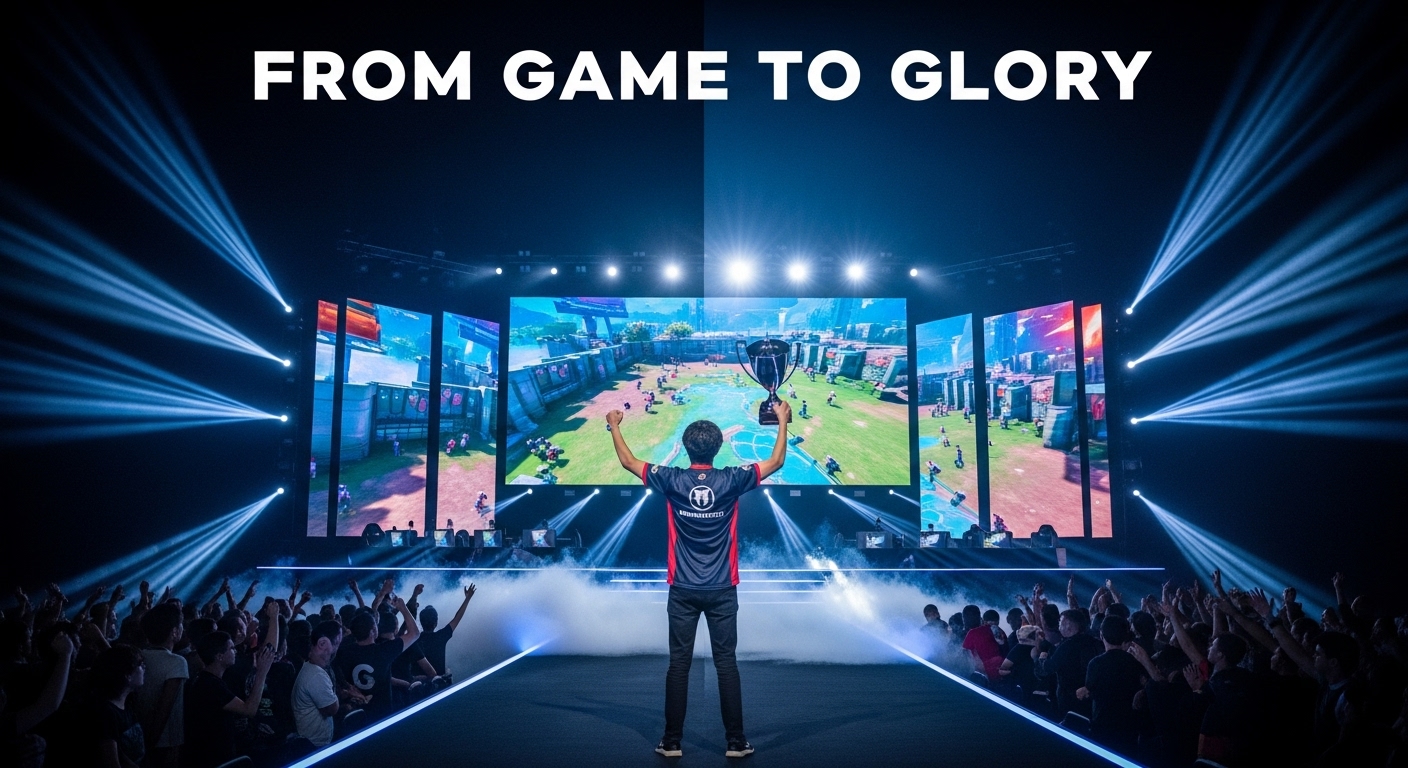
Esports has rapidly transformed from a hobby into a global phenomenon, changing how the world views competitive gaming. Once seen as just video games, esports is now a multi-billion-dollar industry with professional players, international tournaments, and millions of fans worldwide. The rise of esports reflects broader cultural shifts, technological advances, and the evolving definition of sports. This blog explores the origins, structure, impact, and future of esports, revealing why it has become such a powerful force in modern entertainment.
The Origins of Esports
Competitive gaming is not a new concept. Early competitions can be traced back to arcade tournaments in the late 1970s and 1980s, where players competed for high scores in games like Space Invaders and Pac-Man. These competitions were small-scale, often local events, but they set the foundation for organized gaming contests.
The 1990s and early 2000s saw the rise of home consoles and online multiplayer games, which allowed players to compete beyond physical locations. Games like StarCraft, Counter-Strike, and Warcraft III introduced competitive strategies and professional-level play. The real boom, however, came with high-speed internet and live streaming technology, which allowed players to broadcast their gameplay and reach a global audience. Esports was no longer limited to local tournaments; it became a worldwide phenomenon.
Understanding Esports
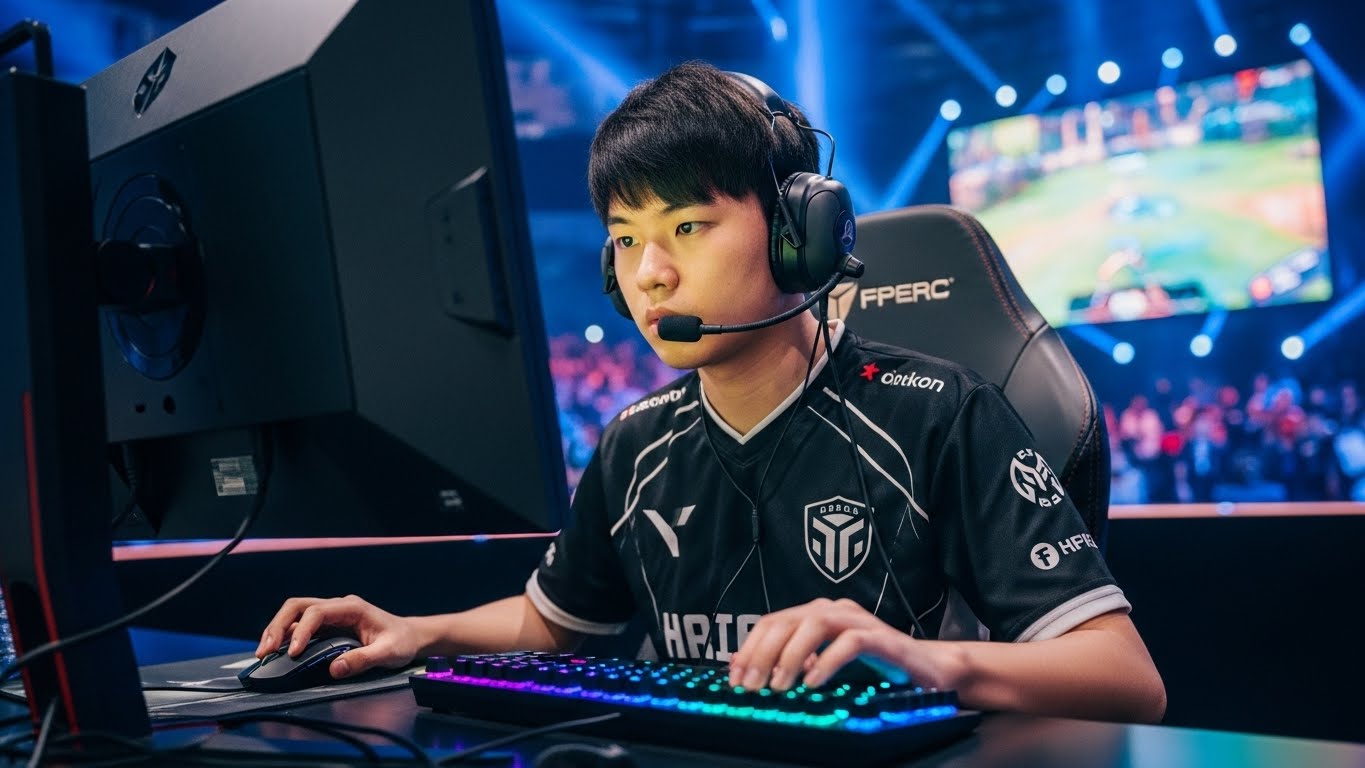
Esports, short for electronic sports, refers to organized, competitive video gaming. Players compete individually or in teams across various game genres, including real-time strategy, first-person shooters, sports simulations, and battle royale games. What sets esports apart from casual gaming is its professional environment. Players train for hours daily, follow structured practice schedules, and compete in high-stakes tournaments with cash prizes, sponsorships, and fan recognition.
Professional esports also emphasizes teamwork, strategy, and adaptability. Each game requires specific skills, from precise reflexes to critical thinking, while teamwork ensures coordinated strategies and communication. Esports is therefore not only a test of skill but also of discipline, mental endurance, and collaboration.
The Competitive Structure of Esports
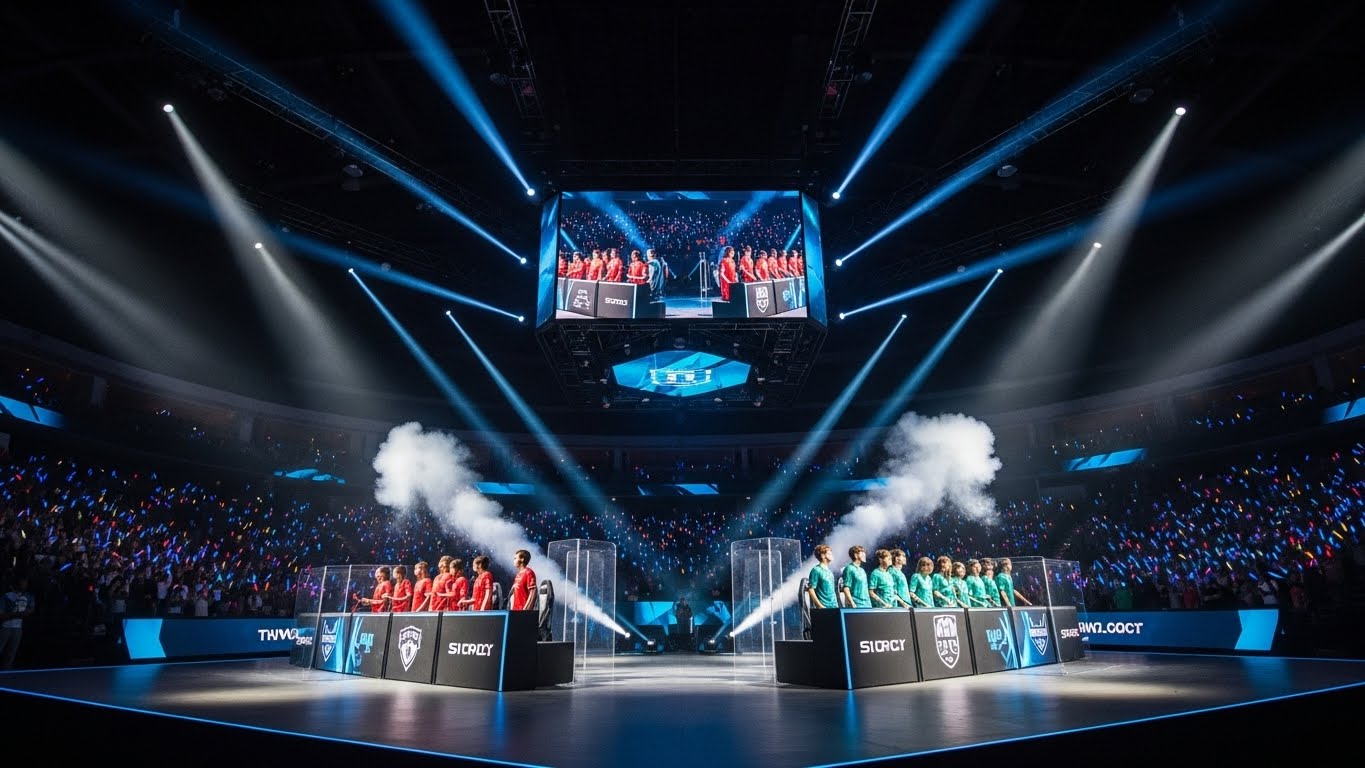
Esports operates with a structured competitive system similar to traditional sports. Players often start at amateur or semi-professional levels, progressing to professional teams and leagues. Regional and international tournaments provide opportunities for players to demonstrate their skill on a global stage.
Professional teams often have coaches, analysts, and support staff to optimize performance. Coaches help refine strategies and improve teamwork, while analysts study opponents and gather insights from gameplay data. This professional infrastructure ensures that esports is organized, competitive, and sustainable, offering players a clear pathway to success.
Essential Skills for Esports Players
Success in esports requires a combination of mental, physical, and strategic skills. Physical skills include hand-eye coordination, reflexes, and precision. Despite being a digital activity, these abilities are crucial, as games demand split-second timing and accurate input. Many professional players even engage in physical exercise to maintain stamina and focus.
Mental skills are equally critical. Players must develop strategic thinking, situational awareness, and adaptability. High-level esports competition requires quick decision-making under pressure, and the ability to learn from mistakes is essential. Concentration, patience, and resilience are traits that distinguish elite players from casual gamers.
Mental and Physical Well-Being in Esports
Long hours of gaming can strain both the mind and body. Professional esports players often experience fatigue, repetitive stress injuries, and burnout if proper routines are not maintained. To combat this, many teams incorporate exercise, ergonomic setups, and structured breaks into their daily schedules.
Mental health is also a priority. Intense competition, public scrutiny, and performance pressure can lead to anxiety or burnout. Professional organizations now provide support systems, including counseling and mental wellness programs, to ensure players remain healthy and motivated. These measures highlight the industry’s growing recognition of the importance of sustainable practices.
Career Opportunities Beyond Playing
Esports is not limited to playing professionally. The industry offers diverse career paths, including coaching, streaming, commentary, event management, game development, and marketing. Many players build personal brands through streaming and social media, generating income through sponsorships and collaborations.
Educational institutions are also embracing esports. Some universities now offer scholarships for competitive gamers, integrating esports programs to develop skills like leadership, strategy, and teamwork. This approach legitimizes gaming as a viable professional and educational pursuit.
Community and Social Impact of Esports
Esports has a strong social and community dimension. Players and fans connect online, forming global networks of shared interests. Online platforms allow for discussion, mentorship, and collaboration, creating spaces where gamers can learn and grow together.
Esports also fosters inclusivity and diversity. It brings together individuals from different backgrounds, cultures, and locations, allowing them to participate equally in competitions. These interactions help build empathy, communication skills, and cultural awareness, making esports not just a game but a social experience.
Cultural Influence of Esports
The influence of esports on culture is significant. It has inspired media, fashion, and entertainment trends. Gaming personalities have become cultural icons, setting trends in apparel, technology, and lifestyle. Games themselves influence music, film, and online content, creating a broader cultural footprint.
Esports has also reshaped how society views gaming. Once considered a casual pastime, competitive gaming is now recognized as a skill-based, professional pursuit. It promotes strategic thinking, discipline, and innovation, challenging traditional assumptions about video games.
Technology as a Driver of Esports
Technology plays a central role in the growth and sustainability of esports. High-speed internet, powerful hardware, and sophisticated software enable competitive play at high levels. Game analytics, performance tracking, and live streaming platforms allow players and teams to optimize strategies while connecting with fans in real time.
Future technological advances, including virtual reality and augmented reality, will further transform esports. These innovations will provide more immersive experiences for both players and spectators, creating new opportunities for engagement and competition. Technology ensures that esports remains dynamic, innovative, and globally accessible.
Global Reach of Esports
Esports has achieved remarkable global reach. Countries like South Korea, the United States, and China are major hubs, but emerging markets are rapidly contributing to the scene. International tournaments draw millions of viewers, uniting fans worldwide and creating a sense of global community.
The international nature of esports also fosters cultural exchange. Players and fans from different regions share strategies, stories, and experiences, creating networks that transcend language and geography. This global connectivity is a defining feature of esports and a key driver of its popularity.
Education and Skill Development
Esports also offers educational benefits. Participation in competitive gaming develops critical skills such as teamwork, leadership, problem-solving, and digital literacy. Schools and universities increasingly recognize these benefits, integrating esports programs into curricula to teach practical and soft skills.
Esports scholarships provide financial support for talented players, allowing them to pursue higher education while developing their gaming careers. This integration of esports into educational settings reflects the growing legitimacy of the industry and its role in personal development.
The Future of Esports
The future of esports is promising. Mobile gaming, immersive digital environments, and cross-platform competitions are expanding accessibility and engagement. As technology continues to advance, esports will evolve, offering more dynamic experiences for players and fans.
Mainstream recognition of esports is also increasing. Governments, corporations, and media outlets are investing in the industry, while discussions continue about including esports in international multi-sport events. The combination of professional structure, technological innovation, and cultural influence positions esports as a central part of modern entertainment.
Conclusion
Esports is more than just a digital pastime; it is a transformative force in entertainment, culture, and career opportunities. It challenges traditional notions of sports and skill, blending technology, strategy, and community into a competitive environment that resonates globally.
From amateur players to professional athletes, esports demonstrates the value of dedication, teamwork, and innovation. It connects people, builds communities, and inspires creativity, proving that competitive gaming is a serious pursuit with lasting impact. As esports continues to grow, it will redefine how we view sports, technology, and human potential, proving that the digital arena is just as important as any physical field.