Esports has transformed the gaming landscape from casual recreation into a professional, highly competitive industry that attracts millions of players and viewers worldwide. What began as small, community-based gaming contests has grown into a global phenomenon, combining skill, strategy, teamwork, and technology. Today, esports is not only a form of entertainment but also a professional career path, a cultural movement, and a technological showcase. This blog explores the history, growth, cultural impact, technological advancements, and future of esports.
The Origins of Competitive Gaming
The roots of esports trace back to the early days of video gaming. In the 1970s and 1980s, arcades became social hubs where players competed for high scores in games like Space Invaders, Pac-Man, and Donkey Kong. These competitions, often informal, set the stage for the competitive spirit of modern esports. As home computers and consoles became more accessible, local tournaments and gaming clubs emerged, fostering communities centered around popular titles. By the late 1990s and early 2000s, the internet enabled online multiplayer games, allowing players from around the world to compete in real time. This shift marked a major turning point, laying the foundation for organized competitive gaming on a global scale.
The Growth of Professional Esports
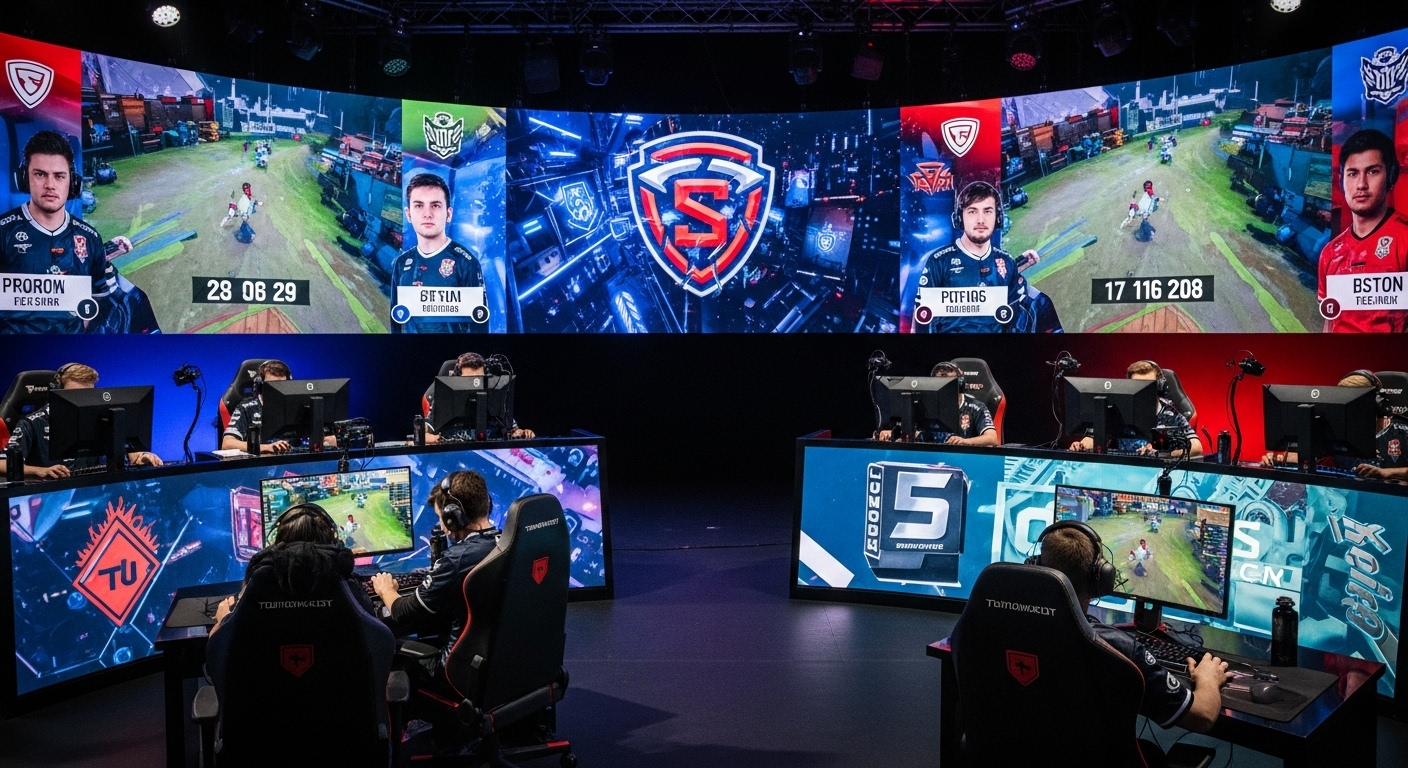
The 2000s saw esports transition from hobbyist competitions to professional leagues. Games like StarCraft, Counter-Strike, and Warcraft III became cornerstones of competitive gaming, attracting dedicated players and organized teams. Large-scale tournaments with prize pools and sponsorships emerged, giving players the opportunity to pursue gaming as a profession. Professional esports organizations began recruiting players, hiring coaches, and establishing structured training schedules similar to traditional sports. With the rise of streaming platforms, fans could watch live competitions from anywhere in the world, further boosting esports’ popularity and legitimacy.
Major Esports Genres
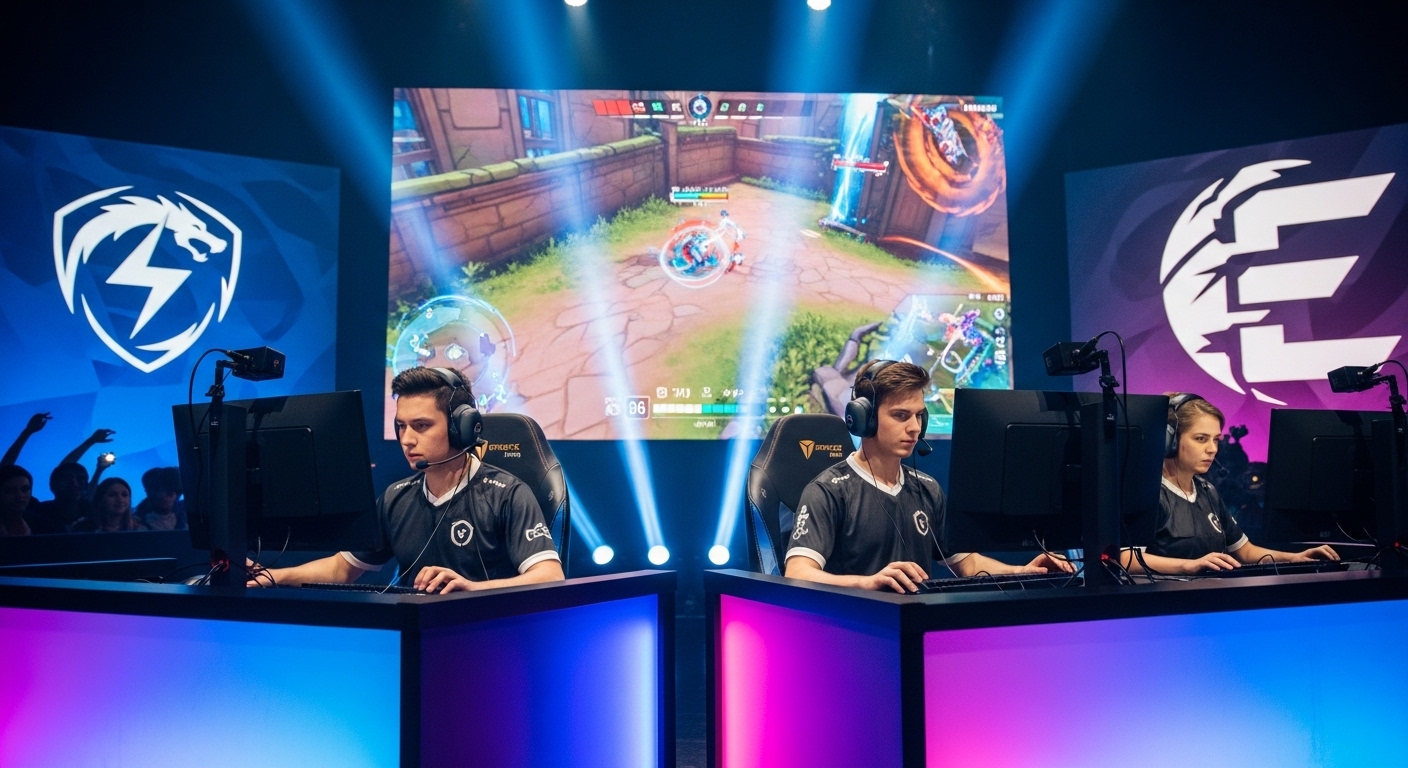
Esports covers a wide range of genres, each with unique competitive dynamics and audience appeal. Multiplayer online battle arena (MOBA) games like League of Legends and Dota 2 emphasize team coordination, strategy, and quick decision-making. First-person shooters (FPS) such as Counter-Strike: Global Offensive and Call of Duty focus on precision, reflexes, and tactical planning. Fighting games test timing, reaction, and skill in one-on-one battles, while sports simulations like FIFA and NBA 2K replicate real-world athletic competition. Strategy games, racing simulators, and battle royale titles each contribute to the diversity and inclusivity of esports, allowing players with varying skills to participate and excel.
The Role of Technology in Esports
Technology drives the growth and accessibility of esports. High-performance gaming hardware, low-latency internet connections, and sophisticated software enable smooth, competitive gameplay. Streaming technology allows live broadcasts, replays, and interactive viewing experiences, connecting players and fans globally. Advanced analytics tools help teams study performance, track strategies, and identify areas for improvement. Additionally, virtual reality, augmented reality, and artificial intelligence are increasingly integrated into esports, creating immersive experiences and innovative gameplay mechanics that push the boundaries of competition.
Professional Players and Their Dedication
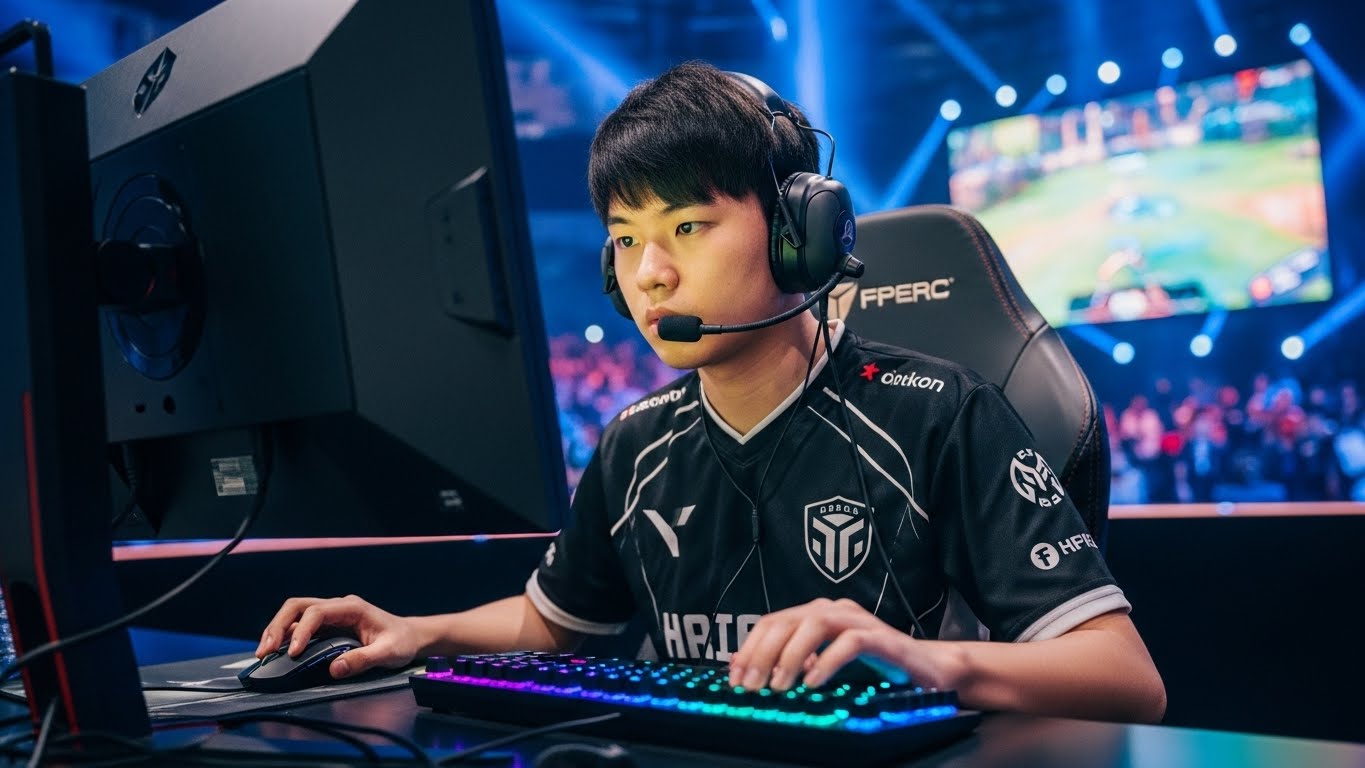
Professional esports players dedicate immense time and effort to mastering their craft. Training schedules often mirror those of traditional athletes, including hours of practice, strategic planning, team coordination, and mental conditioning. Players must maintain focus under high-pressure situations, adapt quickly to in-game developments, and continuously refine their skills. Beyond gameplay, professional players serve as ambassadors for teams, interacting with fans, participating in marketing campaigns, and contributing to the growth of the esports community. The combination of talent, discipline, and public engagement defines the modern esports professional.
The Spectator Experience
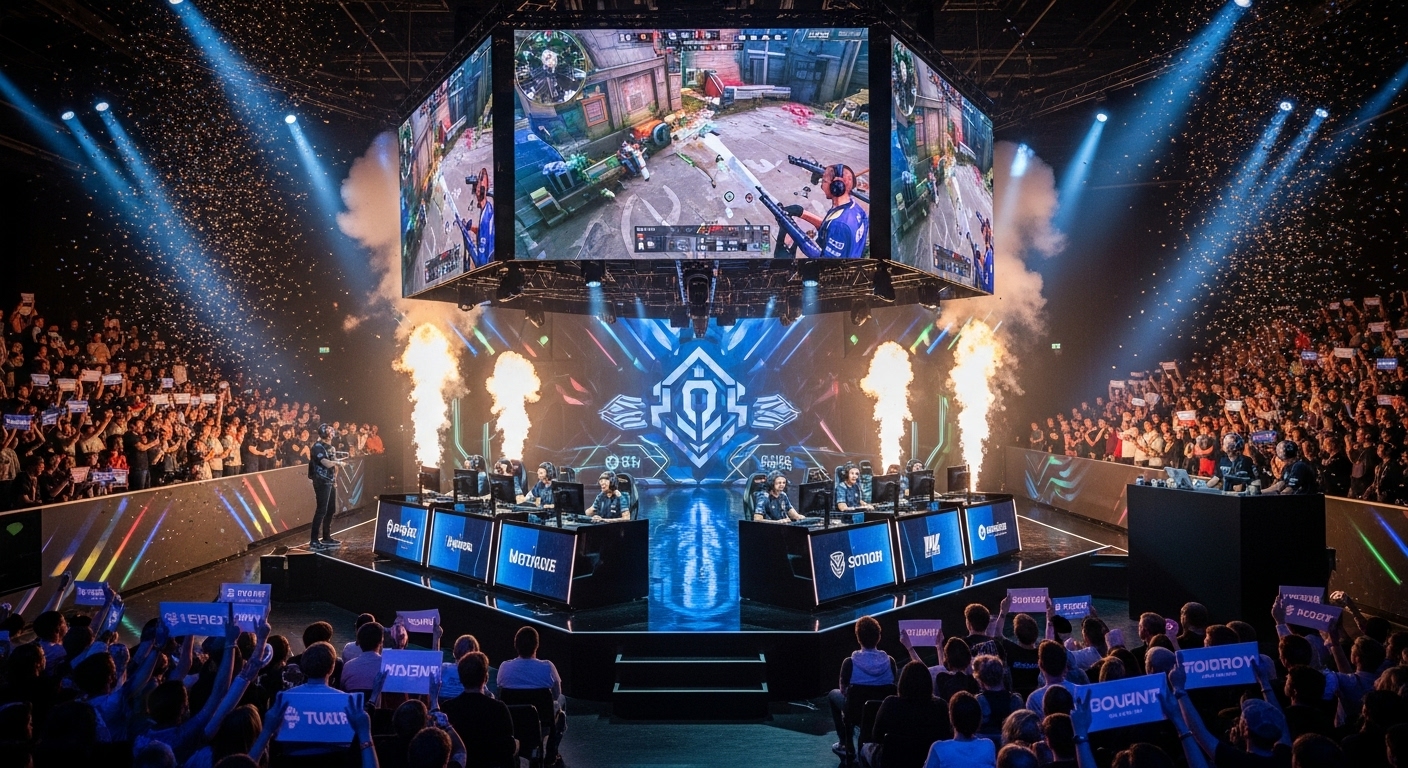
Esports offers a dynamic and engaging spectator experience. Fans can watch live tournaments from home or in arenas, enjoying high-energy performances, commentary, and immersive visuals. Commentators explain strategies, highlight key moments, and build suspense, enhancing the viewer experience. Major esports events, such as The International or League of Legends World Championship, attract massive audiences, rivaling traditional sporting events in scale and excitement. The accessibility of online streaming has further expanded the reach of esports, creating communities of fans who analyze gameplay, discuss strategies, and celebrate their favorite players.
Cultural Impact of Esports
Esports has become a cultural phenomenon, influencing lifestyle, fashion, music, and entertainment. Professional players are celebrated as celebrities, inspiring younger generations and redefining societal perceptions of gaming. Gaming culture has evolved into a global community, with conventions, fan gatherings, and online communities fostering creativity and connection. Esports also challenges traditional notions of competition and athleticism, promoting the value of cognitive skills, teamwork, and strategic thinking. As a cultural force, esports reflects broader trends in technology, entertainment, and social engagement.
The Economic Power of Esports
Esports has grown into a billion-dollar industry, generating revenue from sponsorships, advertising, merchandise, ticket sales, media rights, and in-game purchases. Brands from various sectors collaborate with esports teams and events to reach younger, tech-savvy audiences. The industry supports a wide range of professions, including game developers, event organizers, broadcasters, analysts, and content creators. Esports contributes to technological innovation, encourages entrepreneurship, and stimulates economic activity in multiple related sectors, demonstrating its influence beyond the gaming world.
The Role of Communities in Esports
Gaming communities are integral to the growth of esports. Fans support teams, participate in discussions, share content, and foster a sense of belonging. Local gaming clubs and online platforms provide spaces for aspiring players to develop skills, compete in amateur tournaments, and connect with like-minded individuals. Communities also contribute to the popularity of esports by generating buzz, organizing grassroots events, and sustaining fan engagement. The social dimension of esports creates loyalty, collaboration, and shared experiences, strengthening the overall ecosystem.
Educational and Cognitive Benefits of Esports
Esports offers several educational and cognitive benefits. Competitive gaming develops problem-solving abilities, strategic thinking, quick decision-making, and teamwork. Players learn to communicate effectively, adapt to changing situations, and handle high-pressure environments. The cognitive challenges and collaborative nature of esports are increasingly recognized by educational institutions, some of which offer esports programs, scholarships, and courses. These initiatives highlight the potential of esports to foster valuable skills that extend beyond gaming.
Challenges Facing the Esports Industry
Despite its growth, esports faces several challenges. Player health and well-being are significant concerns, as prolonged practice can lead to physical and mental strain. Maintaining fairness and preventing cheating require robust systems and regulations. The industry must navigate legal and cultural differences across regions, addressing issues such as age restrictions, gambling elements, and intellectual property rights. Additionally, ensuring sustainable growth while balancing commercial interests with community engagement remains an ongoing challenge. Overcoming these obstacles is essential for the long-term success and credibility of esports.
The Future of Esports
The future of esports promises continued innovation and expansion. Emerging technologies such as virtual reality, augmented reality, and artificial intelligence will create new gameplay experiences and enhance interactivity. Cross-platform and global competitions will increase accessibility and inclusivity. Esports will continue to integrate with educational programs, professional development, and mainstream media, solidifying its place in culture and society. The industry’s growth potential is enormous, positioning esports as a central component of entertainment, technology, and competitive culture for years to come.
Conclusion
Esports has evolved from humble beginnings in arcades and local tournaments to a global competitive phenomenon. It blends skill, strategy, teamwork, and technology in ways that captivate both participants and audiences. Professional players, teams, tournaments, and communities have transformed gaming into a legitimate career path and a cultural force. With its economic impact, technological innovation, and widespread popularity, esports is redefining the boundaries of competition and entertainment. As the industry continues to grow and adapt, esports will remain a powerful and inspiring force, connecting players and fans around the world and shaping the future of digital entertainment.