Introduction: Esports in the Modern Era
In the past decade, esports has transformed from a niche hobby into a mainstream global phenomenon. Once considered a pastime for teenagers in bedrooms, competitive gaming now attracts millions of viewers, professional players, and sponsorship deals worth billions of dollars. Esports encompasses a diverse range of video games, including first-person shooters, multiplayer online battle arenas, and sports simulations. These games require not only skill and quick reflexes but also strategic thinking, teamwork, and mental endurance. Beyond entertainment, esports has evolved into a professional industry, a cultural force, and a social platform that connects people from every corner of the world.
The Growth of the Esports Industry
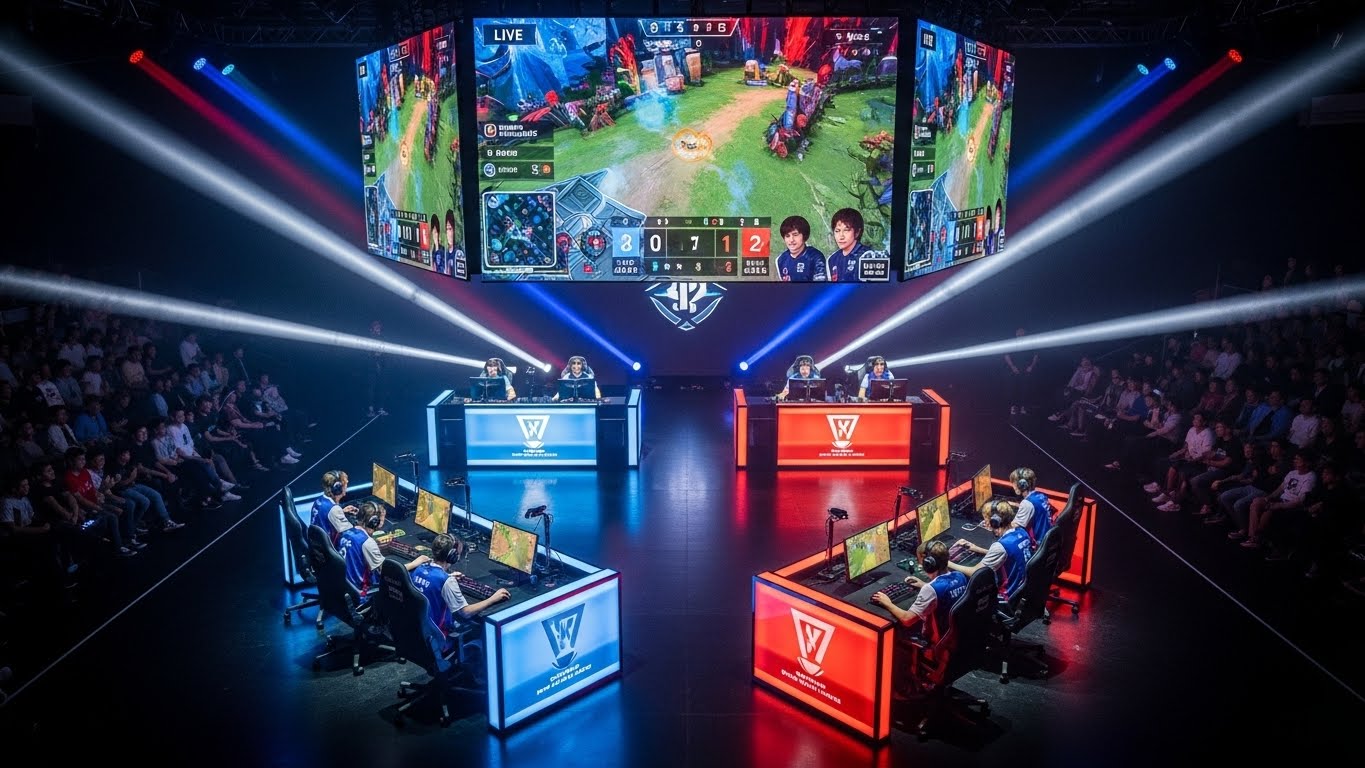
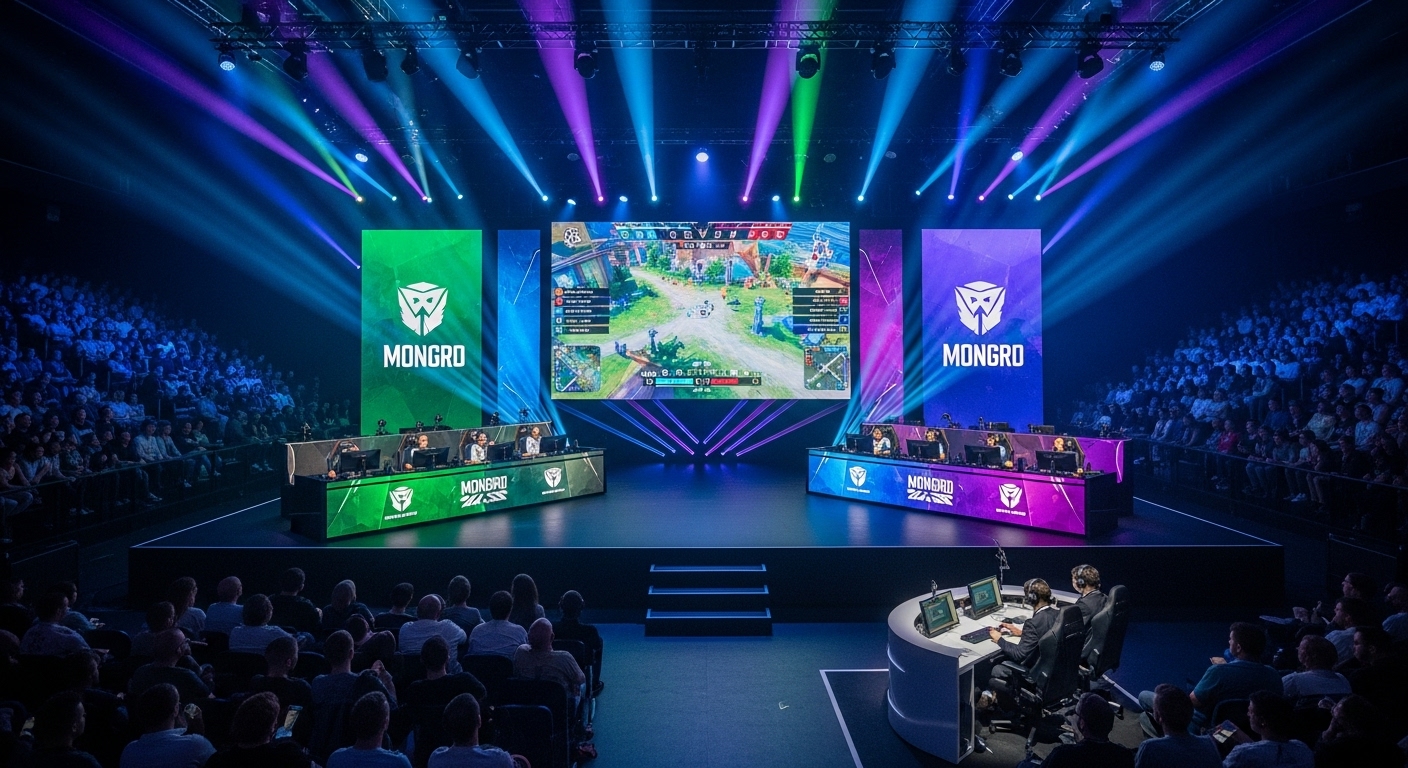
The esports industry has experienced exponential growth in recent years. Major tournaments, such as the League of Legends World Championship, Dota 2’s The International, and Fortnite’s World Cup, now rival traditional sporting events in terms of viewership and prize money. Countries like South Korea, China, and the United States have embraced esports as both a cultural and economic opportunity. South Korea, in particular, treats esports players like professional athletes, with dedicated training facilities, sponsorships, and media coverage. The industry has expanded beyond just competitive play; streaming platforms, content creation, and esports journalism have created an entire ecosystem around gaming.
The Skills Behind Competitive Gaming
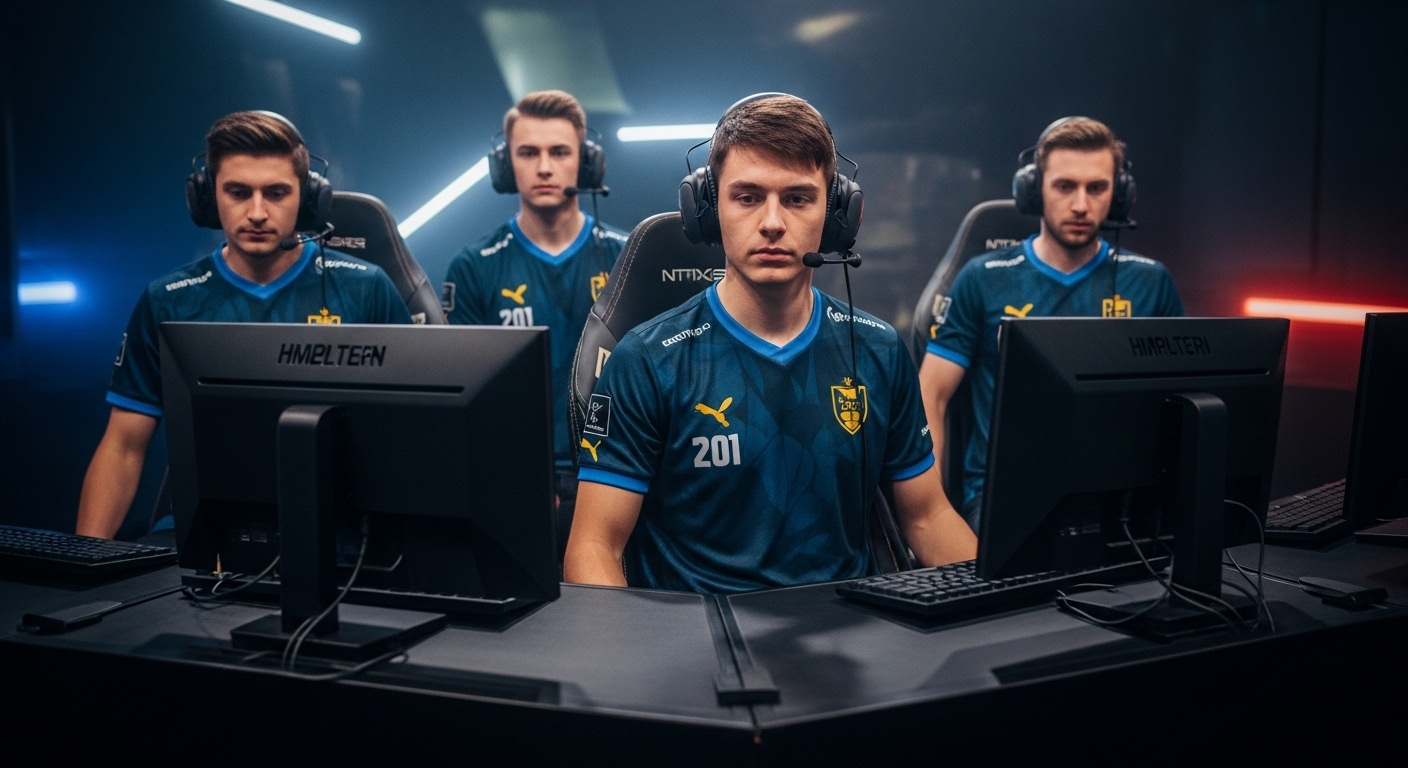
Esports is not just about clicking buttons quickly. Professional players must develop an array of skills to succeed. Hand-eye coordination, reflex speed, and precise timing are essential, but equally important are strategic thinking, decision-making under pressure, and effective communication with teammates. Multiplayer games often require intense collaboration, where each player’s actions impact the team’s performance. Players must also analyze opponents’ strategies, adapt to changing conditions, and maintain focus for hours during tournaments. The mental agility required in esports mirrors the demands of high-level professions, proving that competitive gaming is as intellectually challenging as it is entertaining.
Physical and Mental Challenges
While esports is often seen as sedentary, it places significant physical and mental demands on players. Long hours of practice can lead to repetitive strain injuries, eye strain, and posture-related issues. To counteract these risks, professional gamers follow exercise routines, maintain proper ergonomics, and practice mindfulness to enhance focus and reduce stress. Mentally, the pressure to perform, maintain rankings, and meet expectations can be intense. Burnout and anxiety are common among professional players, highlighting the need for structured support systems, including coaching, counseling, and wellness programs. Esports demands both physical care and mental resilience to sustain a successful career.
Esports as a Career
The rise of esports has created new career pathways beyond being a player. Professional gamers can become coaches, analysts, broadcasters, content creators, or event organizers. Sponsorships, streaming income, and tournament winnings can provide financial stability for successful players, while esports organizations offer training programs and career guidance. Educational institutions are also recognizing esports as a legitimate field, offering scholarships, academic programs, and professional training. For aspiring players, esports provides a viable career option where skill, dedication, and creativity are rewarded on a global stage.
The Role of Teamwork and Strategy
Esports emphasizes the importance of teamwork and collaboration. In team-based games, success depends on how well players communicate, coordinate strategies, and support one another. Trust and synergy among team members can make the difference between victory and defeat. Strategic thinking is crucial, from analyzing opponents’ tactics to planning complex maneuvers in real time. Even in individual competitions, players must understand the meta-game, anticipate rivals’ actions, and make calculated decisions. These skills extend beyond gaming, teaching valuable lessons about leadership, cooperation, and problem-solving.
Technological Advancements in Esports
Technology is at the heart of esports’ growth and innovation. High-speed internet, advanced gaming hardware, and sophisticated software allow players to compete at elite levels. Streaming platforms enable fans to watch live matches, interact with players, and build global communities. Emerging technologies such as virtual reality, cloud gaming, and artificial intelligence are poised to reshape competitive gaming, offering immersive experiences and enhanced training tools. Technology has also democratized esports, allowing players from different regions and economic backgrounds to participate and compete on equal footing.
Esports and Community Building
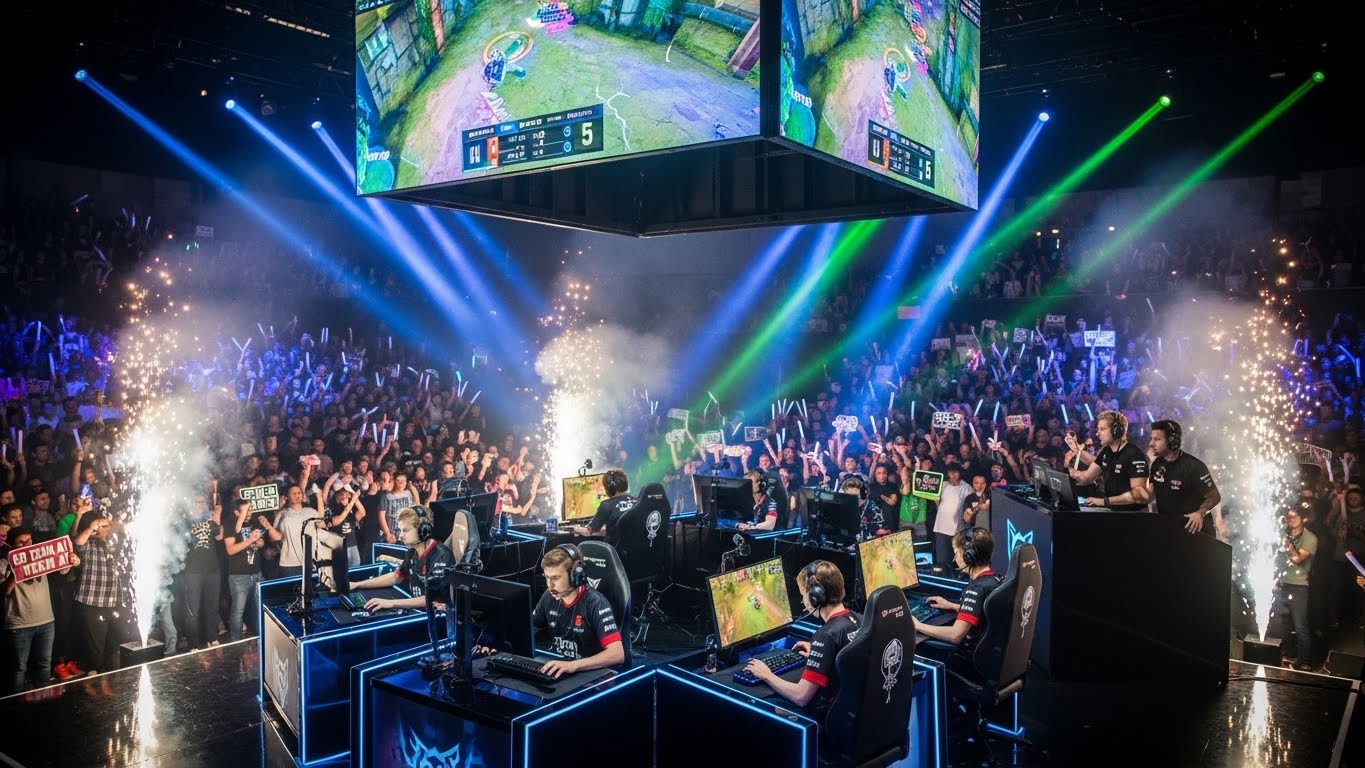
Esports has created vibrant communities both online and offline. Fans gather on social media, streaming platforms, and forums to discuss strategies, celebrate victories, and share content. Local gaming clubs and tournaments foster social connections, mentorship, and teamwork among young players. Major events draw large audiences, creating a sense of shared identity and belonging. Esports communities often provide support, camaraderie, and opportunities for personal growth, making gaming more than just an individual activity—it becomes a social experience that unites people across cultures and borders.
Economic Impact of Esports
Esports has become a multi-billion-dollar industry with significant economic implications. Professional leagues, tournaments, merchandise, streaming, and sponsorship deals generate revenue and create jobs. Major events attract tourism, boost local businesses, and stimulate investments in gaming infrastructure. Companies leverage esports to engage younger audiences and expand their brand visibility. Even at the grassroots level, esports supports a wide range of economic activity, from coaching services to gaming cafes and content production. The economic potential of esports continues to grow, reflecting its legitimacy as both an industry and cultural phenomenon.
Cultural Significance of Esports
Esports is shaping modern culture by influencing entertainment, fashion, social media, and technology. Professional players become role models, inspiring fans with their dedication, skill, and achievements. Esports tournaments are now mainstream spectacles, with elaborate productions, celebrity appearances, and global media coverage. The cultural reach of esports also challenges traditional perceptions of sports and competition, highlighting the growing importance of digital spaces in social life. As esports becomes increasingly mainstream, it is redefining what it means to compete, excel, and connect in a technology-driven world.
Challenges Facing Esports
Despite its growth, esports faces several challenges. Mental health issues, burnout, and physical strain are prevalent among professional players. Fair play, cheating, and intellectual property disputes continue to be areas of concern. Accessibility is another challenge, as high-performance equipment and reliable internet connections may not be available to all aspiring players. Gender representation and inclusivity are also ongoing issues, as women and marginalized groups continue to fight for recognition and equal opportunities. Addressing these challenges is crucial for the long-term sustainability and credibility of the industry.
Esports and Education
Esports has begun to influence educational systems worldwide. Schools and universities are introducing esports clubs, competitive programs, and scholarships. These initiatives teach valuable skills such as teamwork, leadership, critical thinking, and time management. Academic programs in esports also prepare students for professional careers in gaming, broadcasting, game design, and event management. By integrating esports into education, institutions are acknowledging its legitimacy and equipping students with practical skills relevant to the digital economy.
Future of Esports
The future of esports looks promising, with technology, globalization, and cultural acceptance driving its growth. Innovations in virtual reality, augmented reality, and artificial intelligence will create more immersive gaming experiences and new forms of competition. Partnerships between traditional sports organizations and esports companies are bridging the gap between physical and digital athletics. Global participation is expected to expand further, with tournaments and leagues attracting talent from diverse regions. As esports continues to evolve, it will solidify its role as a legitimate sport, career path, and cultural force worldwide.
Conclusion: Embracing the Digital Arena
Esports is no longer just a game; it is a transformative industry that influences culture, education, careers, and communities. From the mental and physical skills required by professional players to the economic and social impact of tournaments and streaming, esports represents a convergence of technology, creativity, and human potential. It teaches valuable life skills, fosters global connections, and inspires new generations to pursue excellence in the digital arena. As esports continues to grow and innovate, it will remain a defining element of modern society, proving that competition, collaboration, and passion can thrive beyond the screen.