Over the past decade, esports has exploded from a niche hobby to a global phenomenon. What was once considered a pastime for a small group of gaming enthusiasts has now evolved into a multi-billion-dollar industry, attracting millions of fans, professional players, and investors from around the world. With massive tournaments, lucrative sponsorships, and a rapidly growing fanbase, esports is no longer just about playing video games—it’s become a legitimate sport in its own right.
In this blog post, we will explore the rise of esports, its growing influence on entertainment and culture, and the exciting future of competitive gaming. From the evolution of gaming culture to the business behind it, esports has proven to be much more than just a trend. It’s a cultural shift that’s changing the way we view competition, entertainment, and even career opportunities.
The Evolution of Esports: From LAN Parties to Global Arenas
The origins of esports can be traced back to the late 1990s when competitive gaming started to take shape in the form of local-area network (LAN) parties. Gamers would gather in physical locations, connecting their computers to compete in titles like StarCraft, Quake, and Warcraft. These events were relatively small in scale, but they laid the foundation for what would eventually become a massive, organized industry.
The real turning point for esports came with the rise of online multiplayer games in the early 2000s. Titles such as Counter-Strike and League of Legends revolutionized the gaming experience by allowing players from all over the world to compete against one another in real-time, breaking down geographical barriers and expanding the scope of competitive gaming.
By the mid-2000s, dedicated esports organizations and tournament circuits began to form, and competitive gaming started to gain mainstream recognition. The launch of platforms like Twitch in 2011 further accelerated the growth of esports by providing a dedicated space for live streaming and viewing competitive gaming events. Players, teams, and tournaments could now reach millions of fans without the need for traditional broadcast television.
The growth of esports as a spectator sport has been exponential, with tournaments now filling stadiums, millions of viewers tuning in online, and the prize pools for major events reaching staggering amounts. The League of Legends World Championship, for example, regularly attracts millions of viewers and has a prize pool that exceeds $2 million. These numbers highlight how far esports has come in terms of both player engagement and global interest.
Esports as a Profession: From Hobby to Career
One of the most fascinating aspects of esports’ rise is how it has transformed gaming from a hobby into a legitimate career. While many professional athletes in traditional sports start their journeys at a young age, the same can be said for esports players. Professional gamers, some as young as 16 or 17, are now making a living from their skills in games like Fortnite, Dota 2, and Valorant.
Esports players earn money in several ways: tournament prize money, sponsorships, streaming revenue, and endorsements. Prize pools for major tournaments are substantial, and top-tier players can earn millions of dollars a year. For example, the top players in Dota 2’s International tournament have accumulated multi-million-dollar prize earnings, with some individuals making more money than professional athletes in traditional sports.
Moreover, esports organizations have become more like traditional sports teams, with players being signed to contracts, training with coaches, and having access to support staff such as analysts and managers. Some teams have even partnered with traditional sports franchises, including NFL and NBA teams, signaling how esports is gaining recognition as a legitimate competitive activity.
The growth of platforms like Twitch and YouTube Gaming has also enabled esports professionals to generate revenue by streaming their gameplay to millions of fans. These streams often include live commentary, fan interactions, and sponsorships. As a result, gaming influencers and streamers have become celebrities in their own right, with some amassing massive followings and sponsorships from top-tier brands.
The Esports Ecosystem: Teams, Tournaments, and Broadcasting
Esports is not just about individual players. The ecosystem that supports competitive gaming is complex, consisting of teams, coaches, broadcasters, analysts, sponsors, and fans. Esports organizations have grown into full-fledged businesses, managing everything from player recruitment to event coordination.
Esports Teams: The New Athletic Organizations
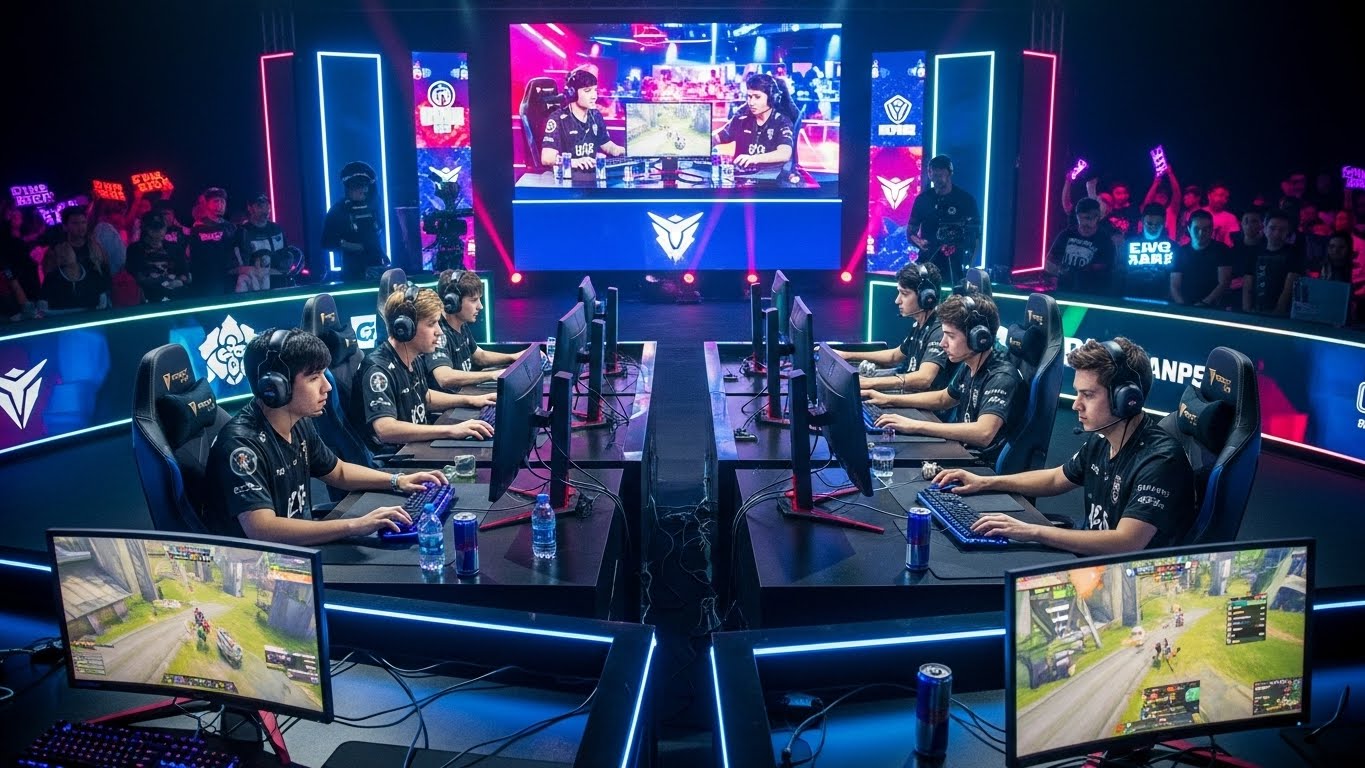
Esports teams are structured similarly to traditional sports teams, with managers, coaches, and support staff working together to help players improve their skills and performance. A typical esports team will consist of several players, each specializing in different roles within a specific game. The team’s success depends on how well these players work together and coordinate their strategies.
Esports organizations, much like traditional sports teams, also sign sponsorship deals with major brands. These deals provide the teams with the financial backing they need to thrive and also help to increase the visibility of esports as a legitimate sport. Major sponsors include companies in technology, gaming hardware, apparel, and energy drinks, all of which recognize the value of being associated with the growing esports industry.
Esports Tournaments: The Grand Spectacles of Gaming
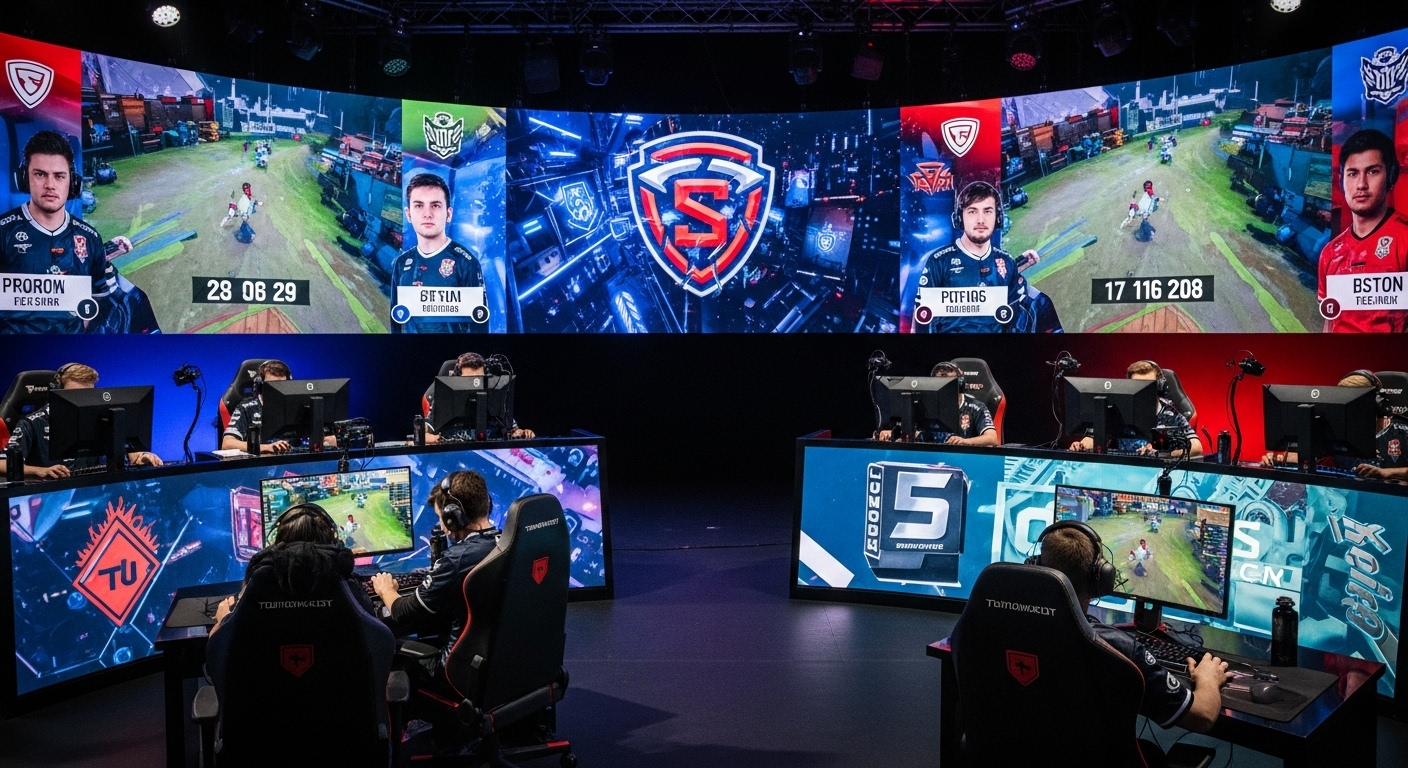
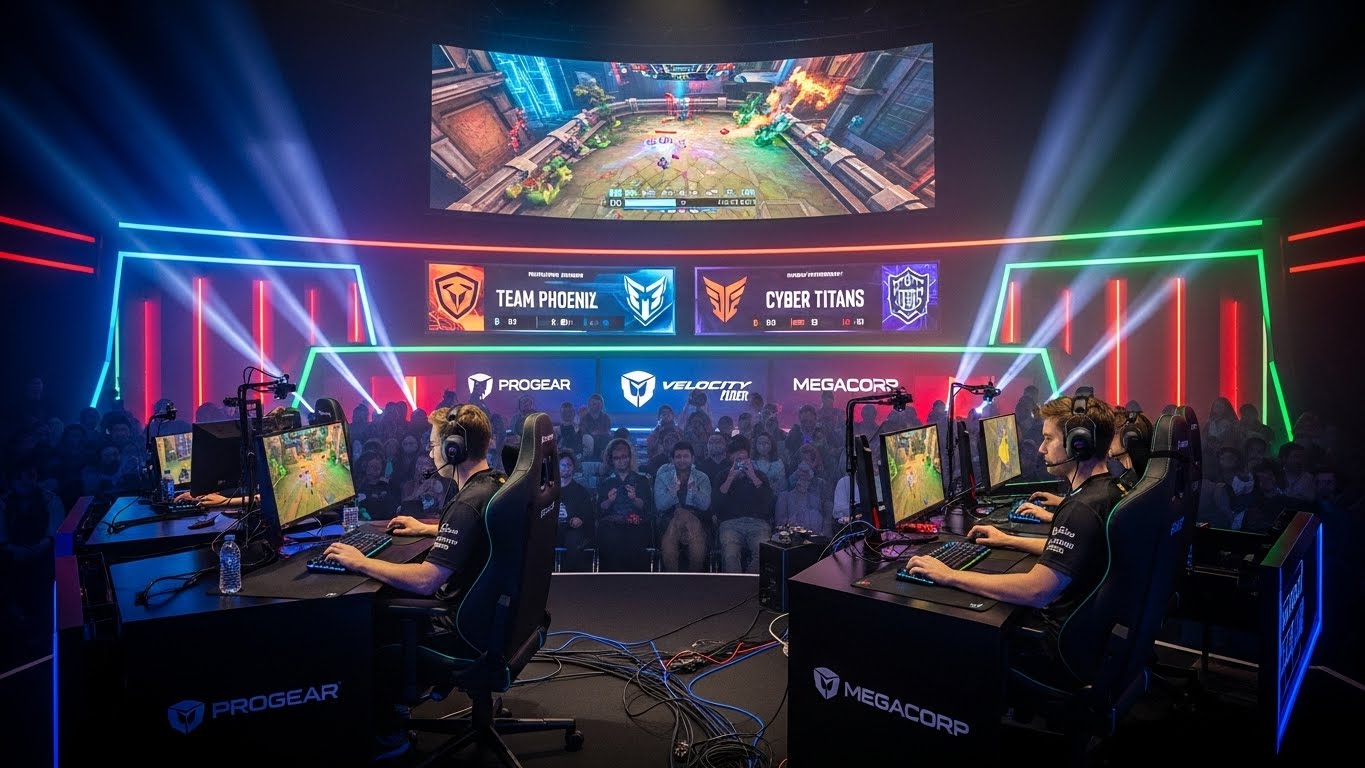
Esports tournaments have become some of the most-watched events in the world. The largest tournaments feature professional players competing for huge cash prizes in front of live audiences. These events are often streamed online, attracting millions of viewers from all over the globe.
Tournaments like the League of Legends World Championship, The International (Dota 2), CS:GO Major Championships, and Overwatch League Finals are broadcast live, with professional commentary, in-depth analysis, and pre- and post-match interviews. These tournaments are highly produced, much like traditional sports events, with dramatic entrances, hype-building trailers, and live crowd interactions.
The spectacle of esports tournaments has also led to the creation of dedicated esports arenas. In cities like Los Angeles, Seoul, and Shanghai, massive arenas have been constructed specifically for gaming events, further cementing esports as a mainstream entertainment sector. These venues are equipped with state-of-the-art technology and offer fans an immersive experience, complete with live action, high-definition screens, and interactive fan zones.
Esports Broadcasting and the Role of Streaming Platforms
A key factor in the success of esports has been the rise of online streaming platforms like Twitch, YouTube Gaming, and Facebook Gaming. These platforms have made it possible for fans to watch their favorite players and teams from anywhere in the world, often in real-time. Streaming has also allowed for an entirely new type of broadcasting, with interactive elements that traditional television can’t replicate.
On platforms like Twitch, fans can interact with streamers in real-time through live chats, donations, and subscriptions. Esports tournaments are often broadcast live, with commentary provided by analysts who break down the action and offer insights into strategy and gameplay. This has created a sense of community and intimacy between players and their fans, transforming esports into more than just a passive viewing experience.
The impact of esports on traditional sports broadcasting is also worth noting. Many sports networks, such as ESPN, have begun to recognize the importance of esports and are dedicating more airtime to broadcasting major tournaments. This shift reflects the growing influence of esports on mainstream media and entertainment.
The Global Growth of Esports: A Worldwide Phenomenon
Esports is truly a global industry. Unlike traditional sports, where geographic boundaries can limit the scope of competition, esports transcends borders. Players from all over the world can compete in the same tournaments, and fans from different continents can come together to support their favorite teams and players.
The global nature of esports is also reflected in its increasing popularity in regions like Asia, Europe, and North America. In countries like South Korea, China, and Japan, esports has already achieved cultural significance, with players often achieving celebrity status. In fact, some professional gamers in South Korea are considered national heroes and receive widespread media attention.
The global nature of esports also extends to the business side of things. Major companies and investors from various countries have begun to pour money into esports organizations, tournaments, and infrastructure. This has led to the creation of international leagues, tournaments, and sponsorship deals that further reinforce esports as a global industry.
The Future of Esports: Challenges and Opportunities
Despite its rapid growth, the future of esports is not without challenges. Issues such as player burnout, lack of regulation, and concerns about the long-term sustainability of the industry remain. Additionally, as esports becomes more competitive and lucrative, there is a growing need for infrastructure, such as better player health and mental wellness programs, and policies to ensure fairness in tournaments.
However, the opportunities for growth are vast. As technology continues to advance, the potential for esports to expand into virtual reality (VR) and augmented reality (AR) is enormous. These innovations could transform the way we experience competitive gaming, making it even more immersive and interactive.
Furthermore, as more traditional sports teams and celebrities get involved in the esports industry, the potential for mainstream recognition and integration into the entertainment world is vast. The continued growth of esports could lead to even larger audiences, more sponsorships, and increased financial investment, further propelling the industry to new heights.
Conclusion: The Digital Future of Competition and Entertainment
Esports has undoubtedly become one of the most exciting and rapidly growing sectors in the entertainment and sports industries. From humble LAN parties to global arenas filled with thousands of fans, esports has evolved into a multifaceted ecosystem that includes professional players, organizations, tournaments, broadcasters, and passionate fans. The industry has transformed competitive gaming into a legitimate career path for many, with millions of dollars on the line and millions of viewers tuning in to watch every move.
While challenges remain, the future of esports is bright. With new technologies, growing global interest, and a dynamic business environment, esports is poised to become an even more influential force in the world of entertainment and sports. Whether you’re a player, a fan, or an investor, esports represents an exciting and ever-evolving landscape that’s redefining the way we think about competition.