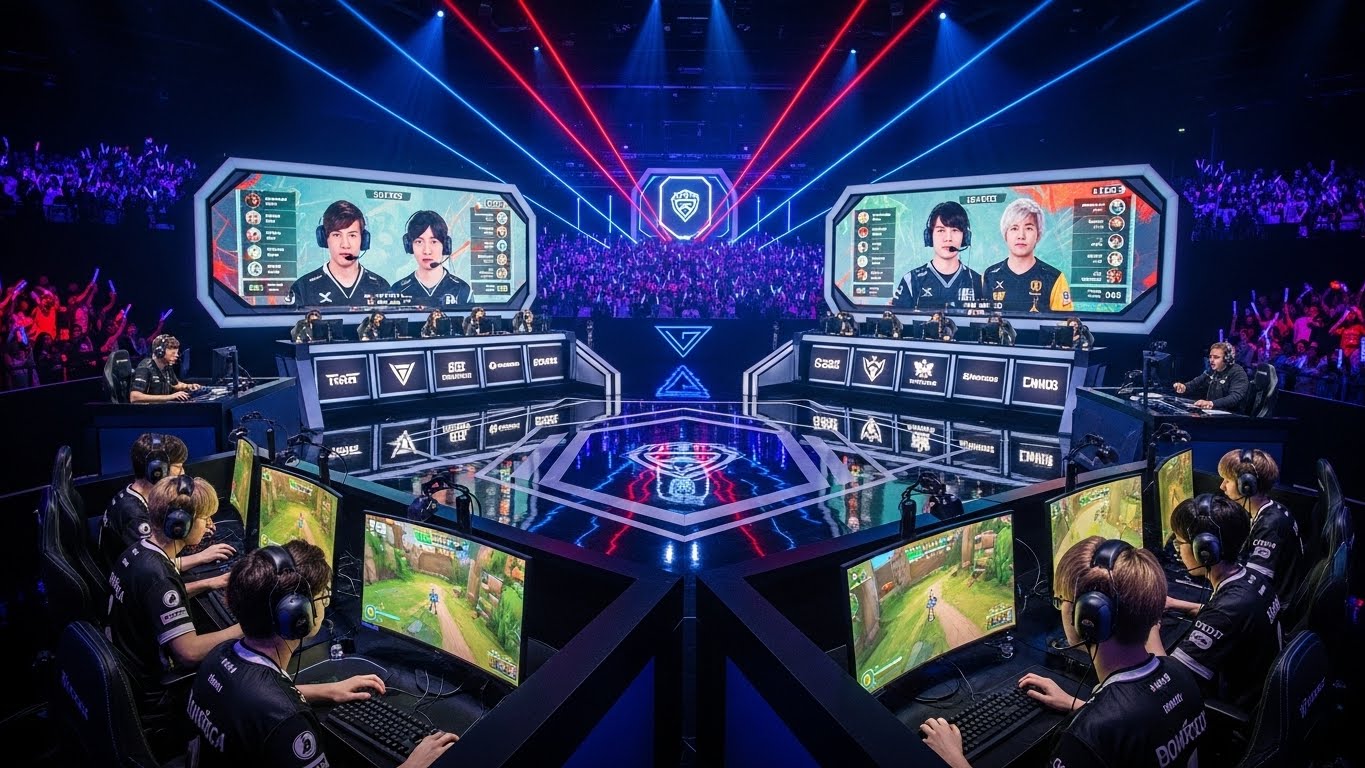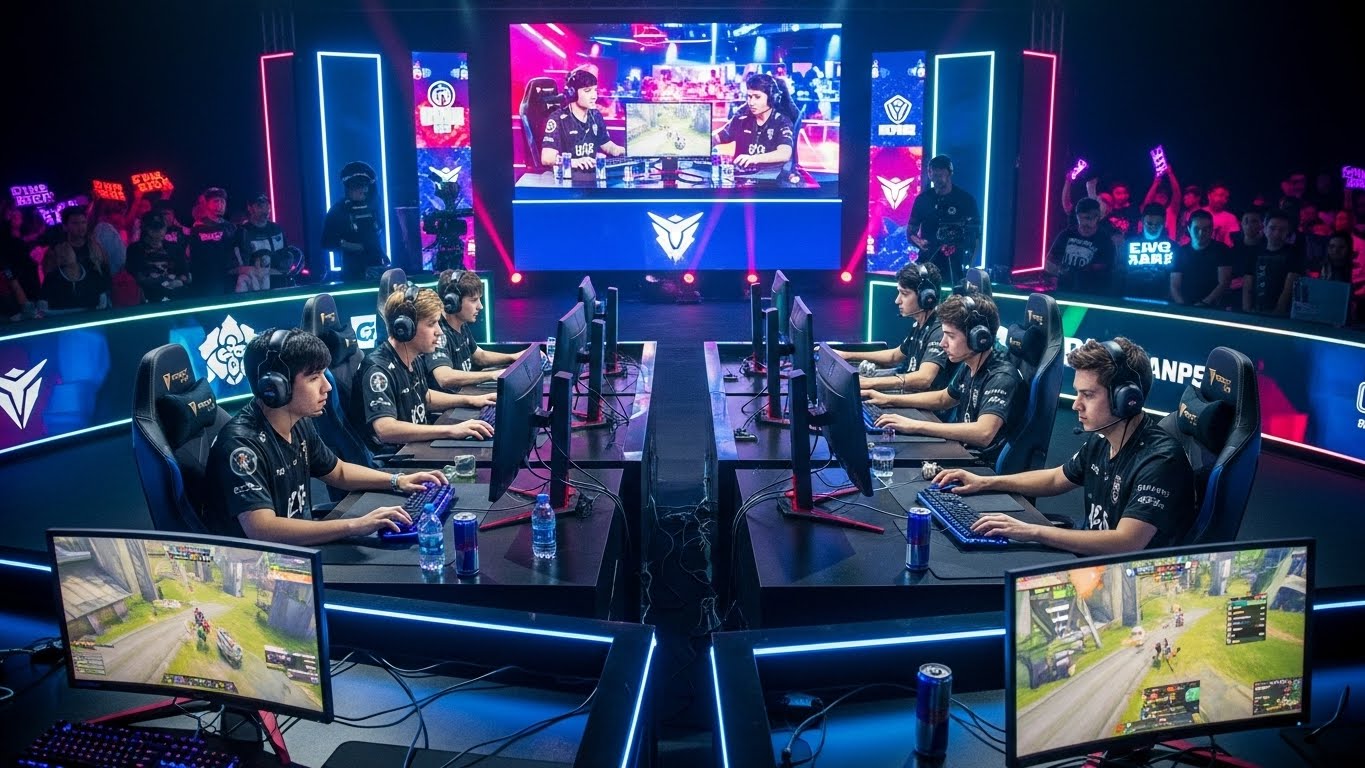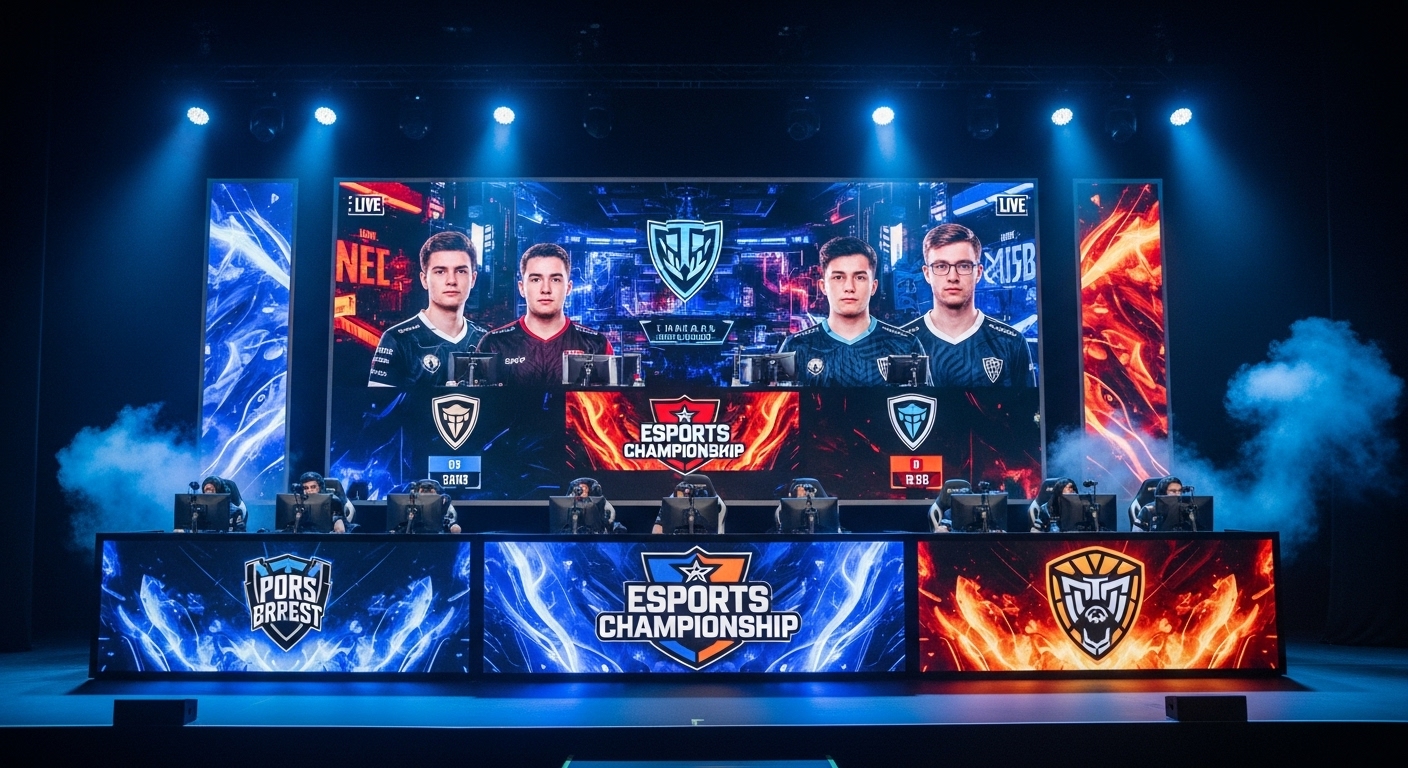
In just a few decades, esports has undergone a transformation from a niche activity to a multi-billion-dollar industry. What was once considered a hobby for passionate gamers is now a global phenomenon with millions of fans, professional players, and massive sponsorship deals. Competitive gaming is no longer confined to the realms of living rooms and internet cafes; it has become a central form of entertainment that rivals traditional sports in both viewership and cultural significance. In this blog post, we will explore the evolution of esports, examine its current state, and discuss what the future may hold for this rapidly growing industry.
What is Esports?
Esports, short for electronic sports, refers to competitive video gaming, where individuals or teams compete against each other in organized tournaments or leagues. These competitions can take place online or in front of live audiences, and they often feature popular multiplayer games that require skill, strategy, and teamwork. Esports encompasses various game genres, including first-person shooters (FPS), multiplayer online battle arena (MOBA) games, real-time strategy (RTS) games, and sports simulations.
While competitive gaming has existed since the early days of gaming itself, esports as we know it today emerged in the late 1990s and early 2000s. Early tournaments featured titles like Quake, StarCraft, and Counter-Strike. Since then, the industry has exploded, with large-scale events attracting thousands of live spectators and millions of online viewers. The rise of platforms like Twitch and YouTube Gaming has helped propel esports into the mainstream, providing a space for fans to watch their favorite players, follow tournaments, and engage with the gaming community.
The Early Days of Esports: A Grassroots Movement
Esports did not begin as a commercial enterprise. In its early days, it was a grassroots movement driven by passionate players and small-scale competitions. The first notable esports event took place in 1997, with the Red Annihilation tournament for Quake. While the prize pool was modest by today’s standards—just $1,000—the event marked the beginning of a new era in competitive gaming. Quake was one of the first games to feature organized competitions and draw attention from players outside of local communities.
However, it wasn’t until the early 2000s that esports truly began to take shape as an organized industry. Games like StarCraft, Warcraft III, and Counter-Strike saw the rise of competitive leagues and international tournaments. The World Cyber Games (WCG), founded in 2000, and the Electronic Sports World Cup (ESWC), established in 2003, became the first global esports events. These tournaments attracted top-tier players from around the world and laid the foundation for what would eventually become a global industry.
In the early years, esports was largely driven by players themselves. They would often organize their own tournaments or join online gaming communities where competitions were hosted. The internet played a critical role in the growth of esports by providing a platform for players to compete with others from different regions. In the 1990s and early 2000s, many gaming cafes became hubs for competitive gaming, where people would gather to compete in Counter-Strike or Warcraft III tournaments.
The Rise of Streaming: The Game Changer for Esports
The next pivotal moment in the evolution of esports came with the rise of live streaming platforms. In 2011, Twitch was launched, allowing gamers to broadcast their gameplay to a global audience in real time. This was a game-changer for esports, as it provided a direct link between players and fans. For the first time, viewers could watch professional esports players compete live, and they could engage with players through chat features.
Twitch quickly became the go-to platform for esports broadcasting, and its popularity soared. The platform not only offered live streams of major tournaments but also allowed for the growth of individual streamers who cultivated their own fan bases. This helped to create a culture of accessibility and engagement around esports that was previously unavailable.
Streaming platforms helped bring esports to the mainstream by allowing fans to follow their favorite games, players, and teams. The rise of platforms like YouTube Gaming, Facebook Gaming, and even Mixer (before it was shut down in 2020) also contributed to the growth of esports. With millions of viewers tuning in for popular games like League of Legends, Dota 2, Fortnite, and Counter-Strike: Global Offensive, esports became one of the most watched forms of entertainment in the world.
The Business of Esports: From Hobby to Industry
As esports gained popularity, it quickly became clear that there was big money to be made. The commercialization of esports has been a driving force behind its rapid growth. Sponsorship deals, media rights, advertising, and merchandise sales now generate billions of dollars annually. Major companies like Intel, Red Bull, Coca-Cola, and Adidas have invested heavily in esports, sponsoring tournaments, teams, and individual players.
One of the most significant developments in the business side of esports is the establishment of professional esports leagues. Games like League of Legends, Overwatch, and Call of Duty now feature franchised leagues with team owners, coaches, and players. These leagues operate similarly to traditional sports leagues, with regular seasons, playoffs, and championship events. The Overwatch League (OWL), for example, launched in 2018 with franchise teams representing cities around the world. This new structure has helped provide financial stability and long-term investment opportunities for organizations in the esports ecosystem.
Prize pools in esports tournaments have also grown exponentially. The International, the premier tournament for Dota 2, has set records with its prize pool, reaching over $40 million in 2021. This is a far cry from the humble beginnings of esports, where players competed for small cash prizes. Today, top esports athletes can make a comfortable living through tournament winnings, sponsorships, streaming, and other business ventures.
The Global Esports Phenomenon
Esports has transcended geographic and cultural boundaries. While the industry was initially dominated by players from North America, Europe, and South Korea, today, it has a truly global reach. China, for example, has become one of the largest markets for esports, with games like League of Legends and Honor of Kings drawing massive player bases and viewership numbers.
Esports has also made its way into traditional sports. Many sports teams, including those in the NBA, NFL, and even European soccer clubs, have established their own esports divisions. These teams often compete in games like FIFA or NBA 2K, and some have even entered franchise leagues for games like League of Legends and Rocket League. The growing crossover between esports and traditional sports further legitimizes esports as a mainstream form of entertainment.
Furthermore, esports has achieved significant cultural recognition. High-profile events like the League of Legends World Championship and The International are now watched by millions of fans worldwide. These tournaments are often held in massive arenas, with sold-out crowds and professional production values on par with any major sports event. Esports athletes have become celebrities in their own right, with sponsorship deals, social media followings, and media appearances comparable to those of athletes in traditional sports.
The Future of Esports: What’s Next?
The future of esports looks incredibly promising, with several key trends shaping the next phase of growth.
1. Increased Investment and Sponsorship
As the esports industry continues to expand, more companies are expected to invest in sponsorships, media rights, and partnerships. Major brands are increasingly recognizing esports as a valuable marketing platform. In particular, gaming-related companies (such as NVIDIA, Corsair, and Razer) will continue to play a critical role in supporting the infrastructure of esports.
2. Integration of Virtual and Augmented Reality
Virtual reality (VR) and augmented reality (AR) are still in their early stages, but they have the potential to revolutionize the esports experience. Imagine watching a Dota 2 tournament where you can “sit” in the arena with other fans in a virtual space or interact with the game in ways never before possible. As technology advances, VR and AR could offer a more immersive experience for both players and spectators.
3. Esports in Education
Esports is increasingly being integrated into educational institutions. Many colleges and universities now offer scholarships for esports athletes, and some have even established dedicated esports programs. These programs provide students with the opportunity to pursue both an education and a career in esports. As esports becomes more mainstream, it is likely that more educational institutions will invest in competitive gaming programs, helping to develop the next generation of players, coaches, and analysts.
4. Potential for Esports in the Olympics
There has been growing speculation about whether esports will ever be included in the Olympic Games. While the International Olympic Committee (IOC) has expressed interest in the possibility, there are still several hurdles to overcome, including defining what qualifies as a “sport” and concerns about issues like violence in video games. However, the fact that esports is even being discussed in the context of the Olympics demonstrates how far the industry has come in terms of mainstream recognition.
Conclusion
Esports has evolved from a niche hobby into a global entertainment industry. With its rapid growth, increased investment, and widespread cultural recognition, esports has solidified its place as a major player in the world of entertainment. As technology continues to improve and new markets emerge, esports is likely to continue growing and diversifying. Whether you’re a casual gamer or a die-hard fan, there’s no denying that esports is here to stay, and its future looks brighter than ever.