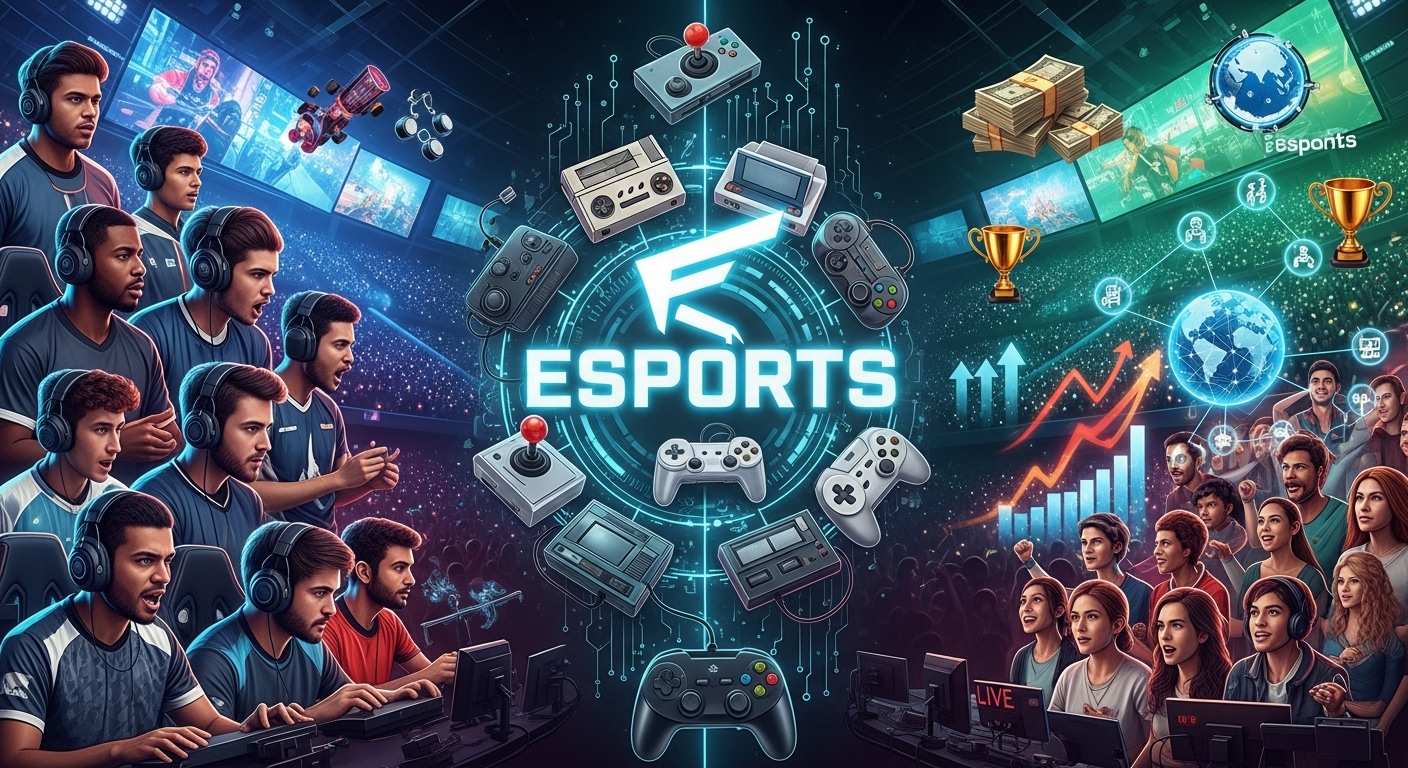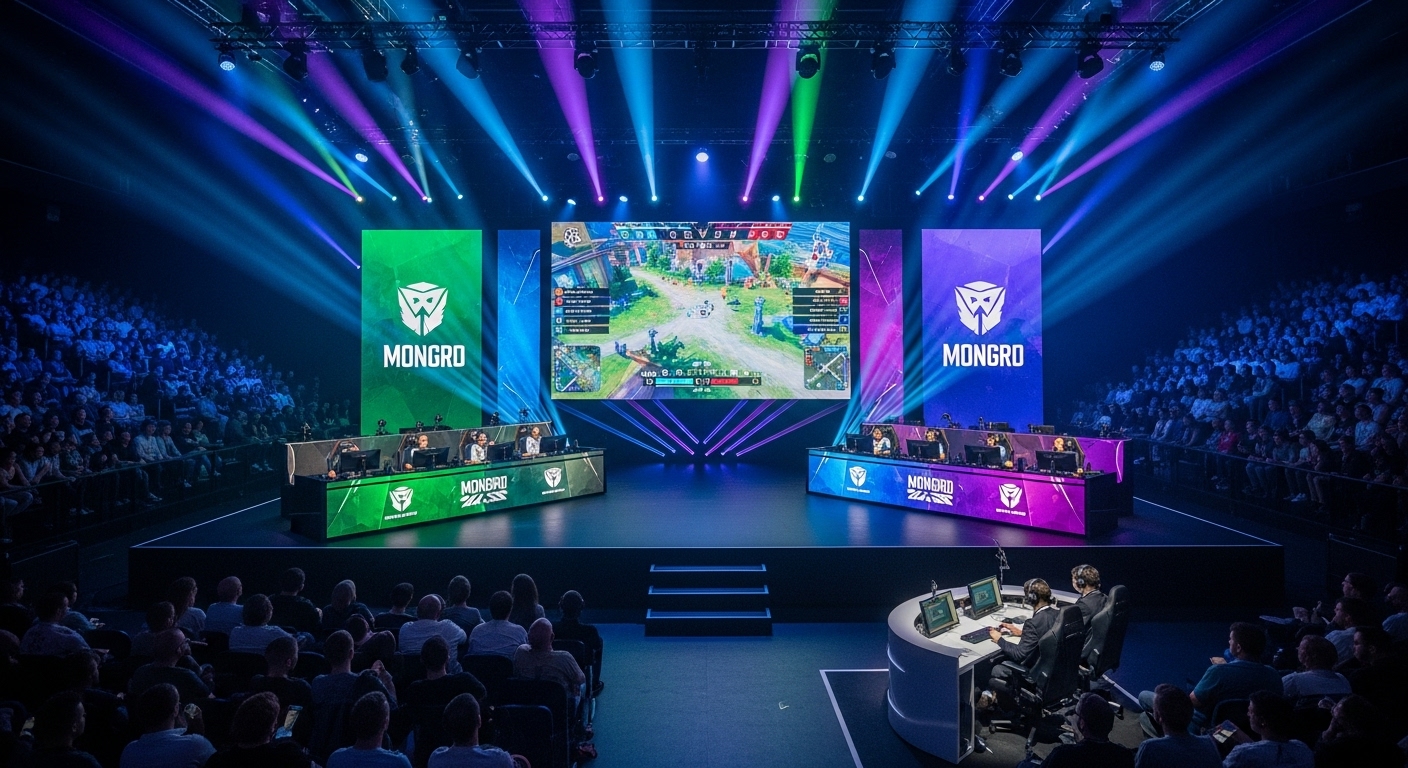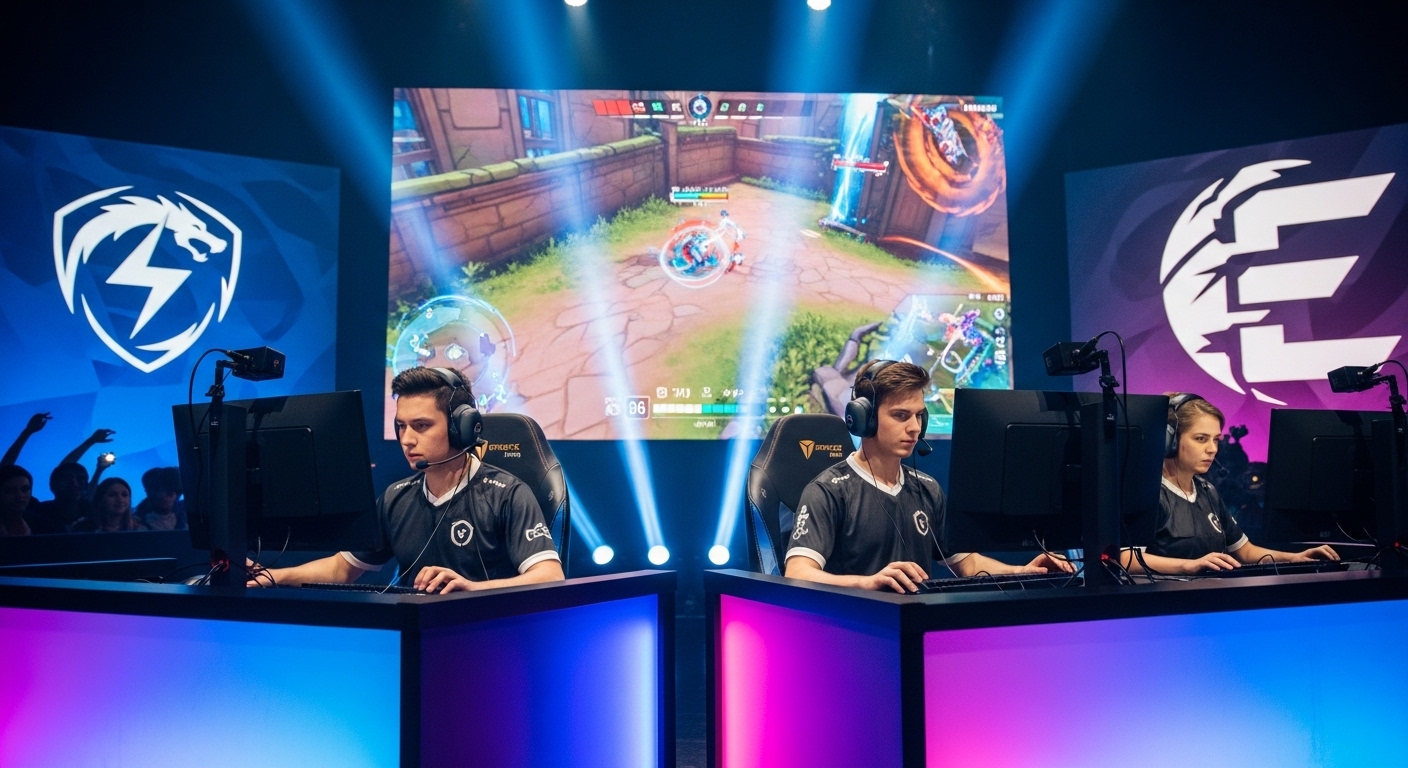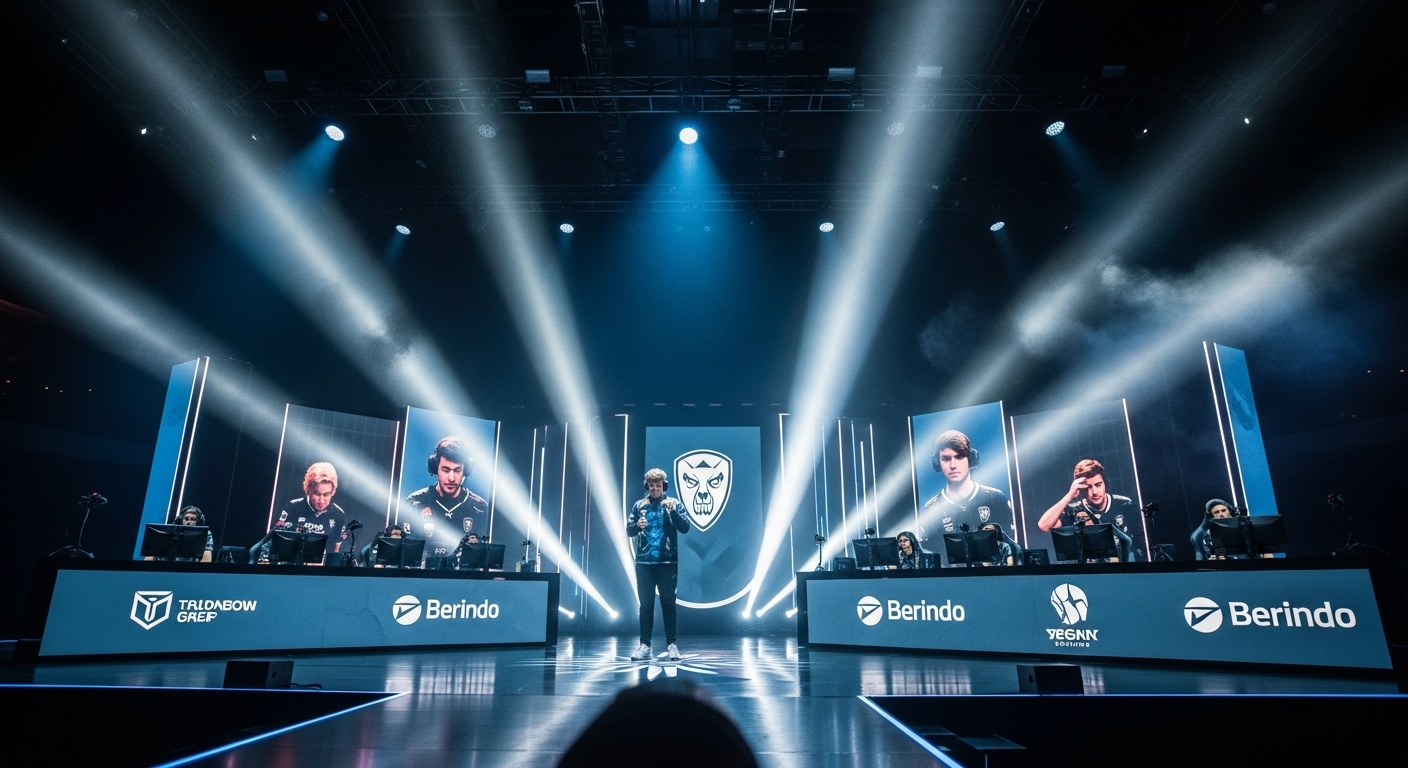
In recent years, esports has moved from being a niche hobby to one of the most lucrative and culturally relevant forms of entertainment. Competitive gaming now attracts millions of viewers worldwide, with tournaments offering multi-million dollar prize pools, dedicated professional players, and an expanding global fanbase. What was once considered a hobby for gamers has now become a professional, competitive sport on the international stage.
This blog post will explore the rise of esports, its rapid growth, its cultural impact, and where it’s heading in the future. From the first tournaments to the professional leagues and streaming services that power the industry today, esports is shaping the future of entertainment and competition.
The Origins of Esports: A Humble Beginning
Esports can trace its roots back to the early days of video gaming. The idea of competitive play in video games has existed since the 1970s when the first video games were introduced. Early examples like Space Invaders and Pong had simple mechanics that made them fun to play, but it wasn’t until the late 1980s and early 1990s that the concept of competitive gaming began to take shape.
The first major competitive gaming event was held in 1980 with the Space Invaders Championship, which was organized by Atari. The event was small but significant, marking the first time that players competed for a public prize in a video game. However, it was not until the mid-1990s, with the advent of personal computers and online gaming, that the competitive gaming scene truly began to form. Games like Quake, Warcraft, and StarCraft became staples of early esports tournaments, and the concept of professional gaming began to take hold.
The late 1990s saw the formation of organizations like the World Cyber Games (WCG), which hosted international tournaments and attracted players from all over the world. These early tournaments were crucial in building a foundation for what would become a global competitive industry.
The Explosion of Esports: From Niche to Mainstream
The turn of the century saw esports transform from a fringe activity to a global phenomenon. In the early 2000s, with the rise of broadband internet and multiplayer games, competitive gaming exploded in popularity. Online platforms such as Battle.net (created by Blizzard Entertainment for games like StarCraft) and Steam became vital in bringing together players for organized, multiplayer events. Players could now compete against others across the globe, opening the door for regional, national, and eventually international tournaments.
A landmark event in the early days of esports was the Electronic Sports World Cup (ESWC), founded in 2003, which helped legitimize esports as a professional competitive activity. Around the same time, large-scale tournaments like The International for Dota 2 began to gain traction, offering massive prize pools that attracted top-tier talent and sponsors.
The rise of streaming platforms like Twitch, launched in 2011, provided a crucial avenue for fans to watch their favorite players and tournaments in real-time. Twitch allowed players to stream their gameplay, while fans could watch and interact with them, further connecting the esports community and growing the sport’s popularity. With these platforms, esports began to reach mainstream audiences, and professional gaming leagues started to form, much like traditional sports leagues.
The Professionalization of Esports
As the popularity of esports grew, the need for professionalization became clear. Esports organizations began forming around professional players, offering sponsorships, training facilities, and coaches to help players improve their skills. Just like traditional sports teams, esports organizations focused on team dynamics, strategy, and fitness to ensure peak performance in tournaments.
The professionalization of esports reached a major milestone with the creation of major competitive leagues. Games like League of Legends, Overwatch, Counter-Strike: Global Offensive (CS:GO), and Call of Duty all saw the formation of regional leagues and competitions that mimicked traditional sports structures. For example, League of Legends has its annual League of Legends World Championship, which brings together the best teams from all over the world to compete for a massive prize pool.
Additionally, esports organizations began signing players to contracts, offering them salaries, sponsorship deals, and even healthcare benefits. This level of professional infrastructure gave rise to a new generation of esports athletes who could now pursue gaming as a full-time career.
With the growth of esports, opportunities for fans to get involved increased as well. From casual viewers to hardcore fanbases, the esports community created a culture of support and engagement. Fans could cheer for their favorite teams, attend live events, and interact with players through social media and streaming platforms. The immersive experience of esports for both players and fans continues to be a driving force in the sport’s expansion.
Esports and Its Economic Impact
Esports has become a billion-dollar industry, with revenue streams that extend beyond just prize money. The global esports market is projected to generate over $1.6 billion in 2024, driven by sponsorships, advertising, broadcasting rights, merchandise sales, and ticket sales for live events. Sponsorships have become a key revenue source, with major companies such as Coca-Cola, Intel, and Red Bull investing heavily in esports tournaments, teams, and individual players.
The rise of esports also created new career opportunities, not just for players but also for broadcasters, analysts, coaches, event organizers, and content creators. Commentators and analysts provide in-depth coverage of games, offering strategic insights to fans. Event organizers manage live tournaments, ensuring smooth operations, while content creators on platforms like YouTube and Twitch share gameplay, reviews, and commentary, contributing to the overall growth of the esports ecosystem.
Moreover, esports has fostered partnerships with major media outlets. Networks like ESPN, TBS, and even the BBC have broadcasted esports events, bringing competitive gaming to a wider audience. The intersection of esports and traditional media has legitimized the sport and made it a viable entertainment option for a mainstream audience.
Esports has also had a significant impact on tourism. Major esports events such as The International in Dota 2 and League of Legends World Championships are held in large venues around the world, drawing thousands of fans to these locations. As these events grow in scale, the surrounding cities see economic benefits, with fans attending the tournaments, staying in hotels, eating at restaurants, and spending money on merchandise.
The Role of Streaming in Esports Growth
One of the most important factors in the rapid growth of esports is the rise of streaming platforms. Platforms like Twitch, YouTube Gaming, and Facebook Gaming have allowed fans to watch their favorite players and tournaments live. Streaming offers an interactive experience where viewers can chat with players and other fans in real-time, creating a sense of community around competitive gaming.
Twitch, in particular, has played a pivotal role in shaping the esports landscape. It allows gamers to stream their own gameplay while interacting with fans. Twitch’s rise to prominence has helped esports become a viable career option for top players, many of whom earn income through donations, sponsorships, and advertisements on their channels. Esports has also paved the way for “streamers” to become influencers, with some building massive followings and making lucrative careers out of their gameplay and content creation.
Streaming has also helped broaden esports’ appeal. Fans from all over the world can tune in to watch high-stakes tournaments, providing exposure to regions where esports might not have been widely popular. As a result, esports has achieved a level of global reach that traditional sports have been slow to match.
Esports and Its Social Impact
Esports is not only changing the entertainment industry but also impacting society in many ways. One of the most significant impacts has been the creation of a global, inclusive community. Esports has made competitive gaming more accessible, allowing individuals from different countries, backgrounds, and cultures to compete, collaborate, and share experiences. Many games are now available in multiple languages, making it easier for fans worldwide to engage with the content.
Additionally, esports has promoted teamwork, strategic thinking, and leadership. Competitive gaming often requires players to work together in teams, develop strategies, and execute complex plans under pressure. These skills are transferable to real-world situations and are highly valued by employers in fields such as technology, business, and communications.
Esports has also contributed to the diversification of gaming. While gaming was once seen as a predominantly male activity, female players are now making their mark in esports. Women are increasingly participating in professional competitions, forming their own teams, and gaining recognition for their achievements in the esports world.
Moreover, esports has raised awareness around mental health. The high-pressure nature of competitive gaming can lead to stress, anxiety, and burnout, which has sparked conversations about the mental health of esports players. Organizations are beginning to implement support systems, such as mental health professionals and counselors, to help players cope with the demands of professional gaming.
The Future of Esports
As esports continues to grow, the future looks bright. The industry is set to expand further with the introduction of new technologies such as virtual reality (VR) and augmented reality (AR). These technologies promise to create even more immersive experiences for both players and fans, revolutionizing how competitive gaming is played and watched.
The continued integration of esports into mainstream sports is also on the horizon. Major traditional sports organizations, such as the NBA and NFL, have invested in esports, and this crossover could lead to more hybrid events, combining physical sports with virtual competition. The Olympics is even considering the inclusion of esports in future games, which could be a monumental step in the recognition of esports as a legitimate sport.
Additionally, the growing mobile gaming sector will likely play a huge role in the future of esports. Mobile esports tournaments are already attracting large audiences, especially in regions like Southeast Asia, where mobile gaming is incredibly popular. The accessibility of mobile games means that esports could reach even more players and fans, expanding the sport’s global reach.