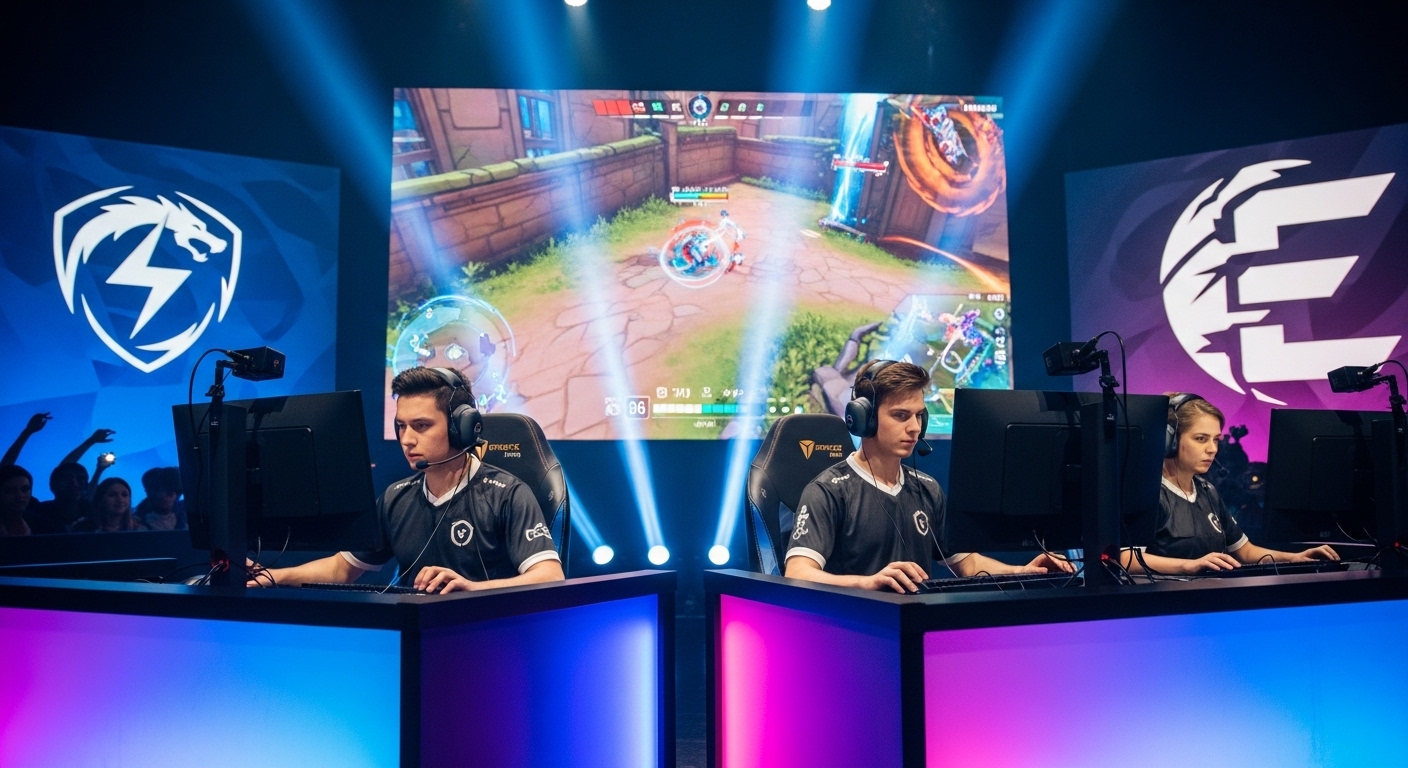
Esports, short for electronic sports, has evolved from niche hobbyist communities into a multi-billion-dollar global industry. Over the past two decades, competitive gaming has transformed from casual LAN tournaments to highly organized leagues with professional players, massive audiences, and corporate sponsorships. Today, esports is not just about playing games; it represents a cultural, technological, and economic movement that continues to redefine entertainment.
The Origins of Competitive Gaming
The roots of esports can be traced back to the early days of video gaming. In the 1970s and 1980s, arcade competitions and local tournaments introduced players to organized competitive play. Titles like Space Invaders, Pac-Man, and Street Fighter became the foundation for competitive gaming. As home computers and consoles became more widespread, players began forming communities around popular games, often sharing strategies and competing in small-scale tournaments.
By the 1990s, the rise of online connectivity created a new era for esports. Games such as Doom, Quake, and StarCraft allowed players to compete across the globe. South Korea, in particular, became a central hub for professional gaming, with StarCraft tournaments drawing massive television audiences and turning players into national celebrities.
The Evolution of Esports Tournaments
Esports tournaments have come a long way since their humble beginnings. Initially, tournaments were organized locally or regionally, often sponsored by gaming stores or small companies. These competitions were primarily about bragging rights and community recognition rather than financial gain. However, the late 2000s marked a turning point. The emergence of games like League of Legends, Dota 2, and Counter-Strike: Global Offensive brought large-scale tournaments with professional production values.
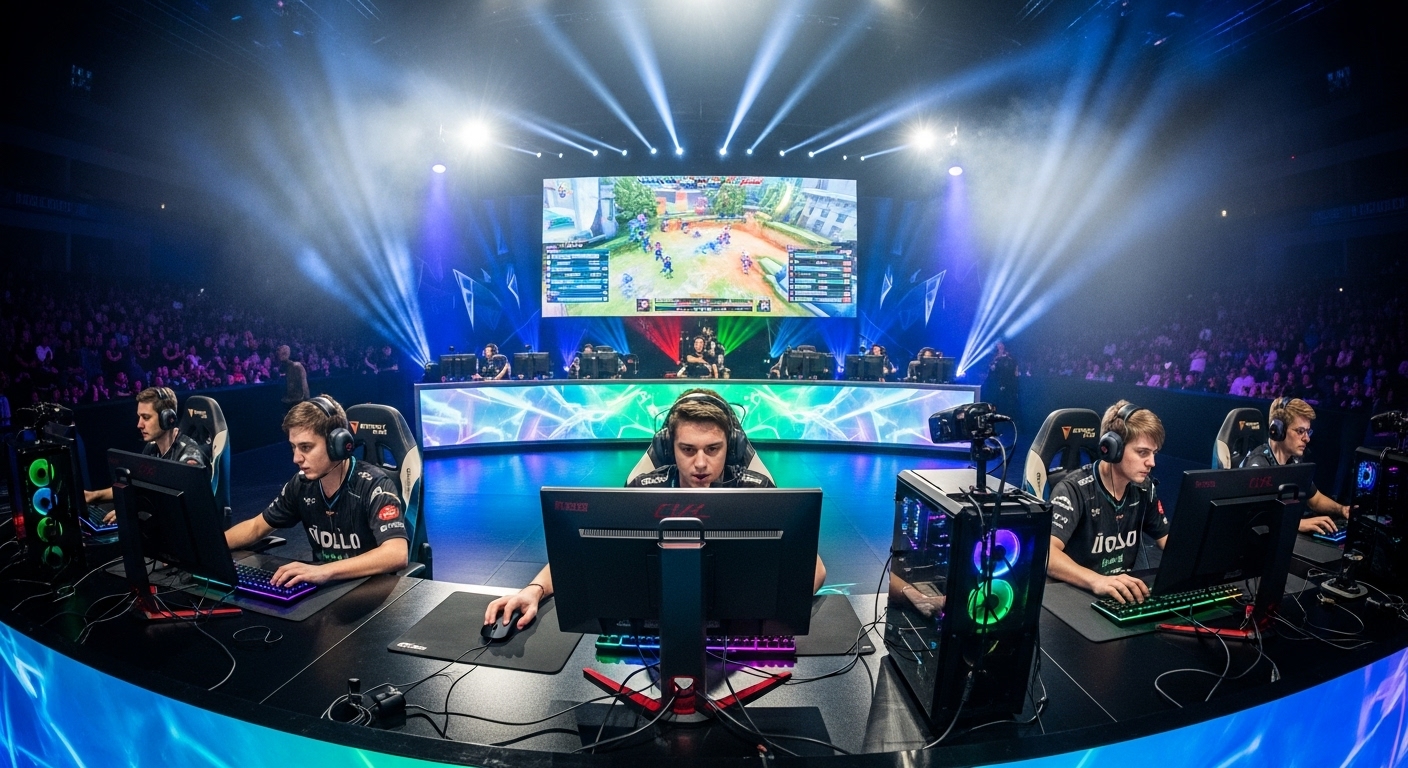
Major tournaments today rival traditional sports events in terms of spectacle and prize money. Events like The International, which hosts Dota 2 competitions, feature multi-million-dollar prize pools funded by both corporate sponsors and fan contributions. Esports stadiums, live broadcasts, and elaborate opening ceremonies now create an immersive experience for players and audiences alike. The professionalization of esports has also led to the formation of structured leagues, player contracts, and dedicated coaching teams.
Popular Esports Titles and Genres
Esports encompasses a diverse range of game genres, each with its own competitive scene and dedicated fan base. Multiplayer online battle arena (MOBA) games, first-person shooters (FPS), real-time strategy (RTS), and fighting games are among the most prominent categories.
MOBA Games: Titles like League of Legends and Dota 2 have become synonymous with professional esports. MOBAs require strategic thinking, teamwork, and precise execution, making them ideal for competitive play. Their complex mechanics and evolving meta keep both players and fans engaged over years of development.
First-Person Shooters: FPS games like Counter-Strike: Global Offensive, Overwatch, and Valorant are celebrated for their fast-paced gameplay and emphasis on individual skill. These games often reward precision, reaction time, and situational awareness, making them thrilling to watch.
Real-Time Strategy Games: While RTS games like StarCraft II have seen a decline in mainstream popularity, they laid the foundation for esports as we know it. RTS competitions demand quick decision-making, resource management, and strategic foresight, attracting a niche but dedicated audience.
Fighting Games: Fighting games, including Street Fighter, Tekken, and Super Smash Bros., have maintained a passionate esports community. Tournaments often focus on head-to-head matches, showcasing technical skill, timing, and reflexes.
The Role of Streaming Platforms
One of the driving forces behind esports’ explosive growth is the rise of streaming platforms. Websites and apps like Twitch, YouTube Gaming, and Facebook Gaming have created a direct bridge between players and audiences. Fans can watch live tournaments, follow their favorite teams, and even interact with streamers in real time. Streaming has not only increased esports’ visibility but has also created new revenue streams for players, teams, and tournament organizers through subscriptions, donations, and sponsorships.
Streaming has also democratized access to esports. Aspiring players can showcase their skills to a global audience without needing traditional sponsorships or team contracts. Many professional players were first discovered through their online presence, highlighting the importance of content creation alongside competitive success.
Professionalization and Team Dynamics
The professionalization of esports mirrors traditional sports in many ways. Teams now operate like professional organizations, employing coaches, analysts, managers, and psychologists to optimize performance. Players undergo rigorous training regimens, often practicing for eight to twelve hours a day, focusing on mechanics, strategy, and teamwork.
Team dynamics play a crucial role in esports success. Unlike solo gaming, most competitive titles require coordinated teamwork and clear communication. Teams develop strategies, analyze opponents’ playstyles, and adjust tactics in real time. The mental and emotional demands on professional players are significant, necessitating support structures to maintain focus and resilience.
Esports as a Career
Esports has created a wide array of career opportunities beyond professional gaming. Players can earn income through tournament winnings, sponsorships, and streaming revenue. Additionally, the industry supports roles such as commentators, analysts, content creators, coaches, event organizers, and game developers. Universities and colleges have even started offering scholarships for esports athletes, recognizing the skills and dedication required to compete at a high level.
The path to becoming a professional esports player is highly competitive. Success requires talent, discipline, networking, and consistent performance. However, the potential rewards are substantial, with top players earning salaries comparable to traditional athletes and gaining global recognition.
The Economic Impact of Esports
Esports is a rapidly growing industry, with global revenues surpassing billions of dollars annually. Revenue streams include sponsorships, advertising, merchandise sales, ticket sales for live events, and media rights. Companies ranging from technology firms to consumer brands invest heavily in esports, recognizing its potential to reach younger, tech-savvy audiences.
The economic impact extends beyond individual players and teams. Cities hosting major tournaments benefit from tourism, hospitality, and local business engagement. Additionally, esports has inspired the development of gaming peripherals, software tools, and broadcasting technology, creating a ripple effect across multiple sectors.
The Cultural Influence of Esports
Esports has also left a significant mark on popular culture. Competitive gaming has influenced fashion, music, social media trends, and entertainment. Players and teams now have fan followings similar to traditional sports stars, complete with dedicated merchandise, fan clubs, and online communities. Esports has become a platform for social interaction, cultural exchange, and digital identity formation.
Moreover, esports challenges traditional notions of athleticism and competition. While physical prowess is central to conventional sports, esports emphasizes cognitive skills, reflexes, strategy, and teamwork. This redefinition of competition has broadened societal perceptions of what it means to be an athlete.
Global Expansion and Inclusivity
Esports is a global phenomenon, with professional leagues, tournaments, and communities spanning continents. North America, Europe, and Asia dominate the competitive scene, but emerging markets in South America, the Middle East, and Africa are rapidly gaining prominence. International tournaments bring together players from diverse backgrounds, fostering cross-cultural collaboration and competition.
Inclusivity is also becoming an important focus within esports. Efforts to promote gender diversity, accessibility for differently-abled players, and anti-toxic community initiatives are shaping the industry’s future. While challenges remain, the global esports community continues to push for broader participation and representation.
The Future of Esports
The future of esports appears both promising and dynamic. Advances in technology, such as virtual reality, augmented reality, and cloud gaming, are poised to transform how games are played and experienced. The integration of artificial intelligence may further enhance training, strategy analysis, and audience engagement. Esports is also likely to see continued professionalization, with more formalized leagues, structured development pathways, and regulatory frameworks.
As esports becomes more mainstream, its intersection with traditional sports, entertainment, and education will grow. We may witness collaborations with major sports leagues, crossover media content, and the incorporation of esports into educational curricula. The continued evolution of esports will be shaped by innovation, community engagement, and the relentless pursuit of excellence by players and organizations alike.
Conclusion
Esports has come a long way from its humble beginnings in arcades and small tournaments. Today, it represents a global industry, cultural phenomenon, and professional career path for millions of players, creators, and fans. The rise of competitive gaming demonstrates the transformative power of technology, community, and creativity in shaping modern entertainment. As esports continues to expand and evolve, it will undoubtedly redefine how we perceive competition, skill, and digital culture.
The journey of esports reflects not only the growth of gaming but also the broader human desire for connection, challenge, and achievement. With its ever-expanding reach, the world of esports is poised to continue captivating audiences, inspiring new generations of players, and leaving an indelible mark on the global landscape of entertainment.